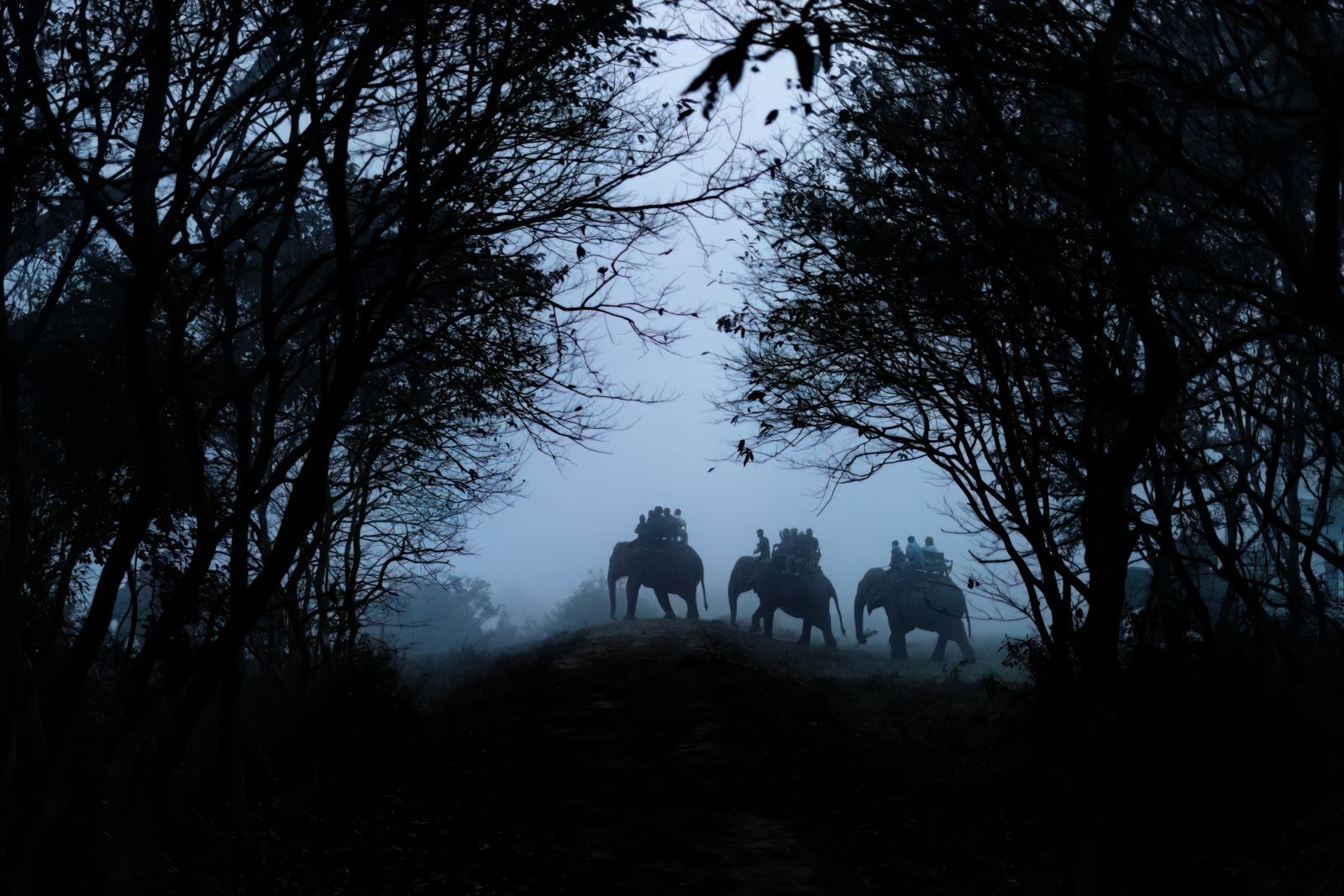
We often believe that extinction is a slow process that only affects famous animals in distant jungles. We assume that modern conservation laws protect endangered wildlife from vanishing entirely today.
But a tragic biological pattern shows that dozens of unique species have silently slipped away in the twenty-first century. Many of these strange creatures vanished before scientists could even fully study them.
The Yangtze Ghost
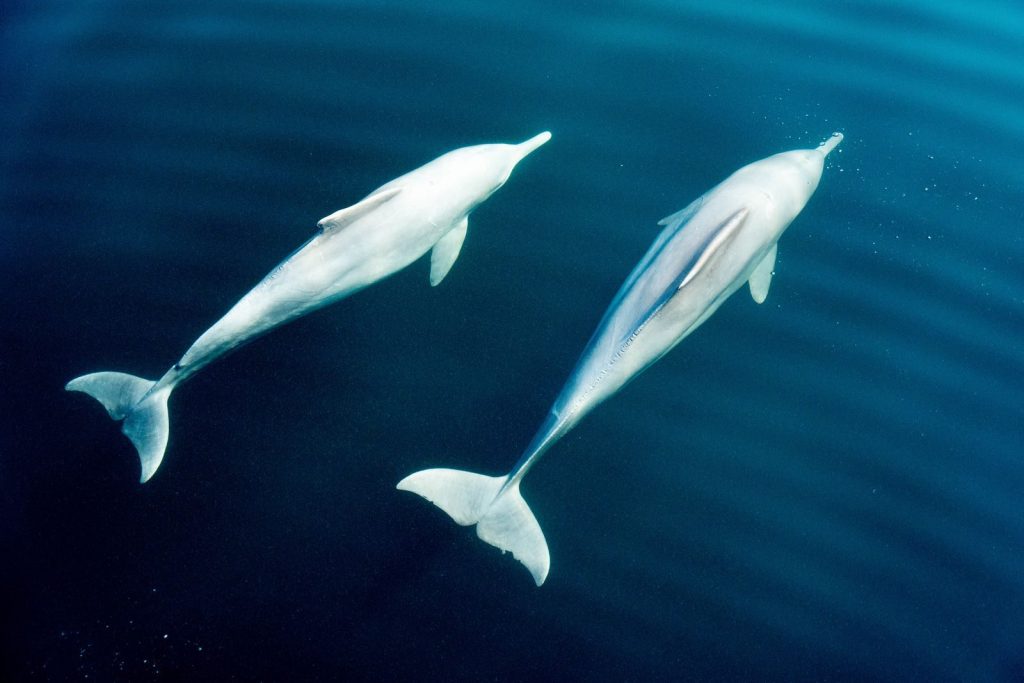
A majestic freshwater dolphin once swam through the busy waters of the Yangtze River in China. It relied on advanced sonar to navigate the murky river depths. According to reports from the World Wildlife Fund, intensive industrial shipping and pollution drove this unique mammal to extinction in 2006. It is gone forever. This rapid loss shocked marine biologists who thought the species had more time.
The Glowing Amphibian
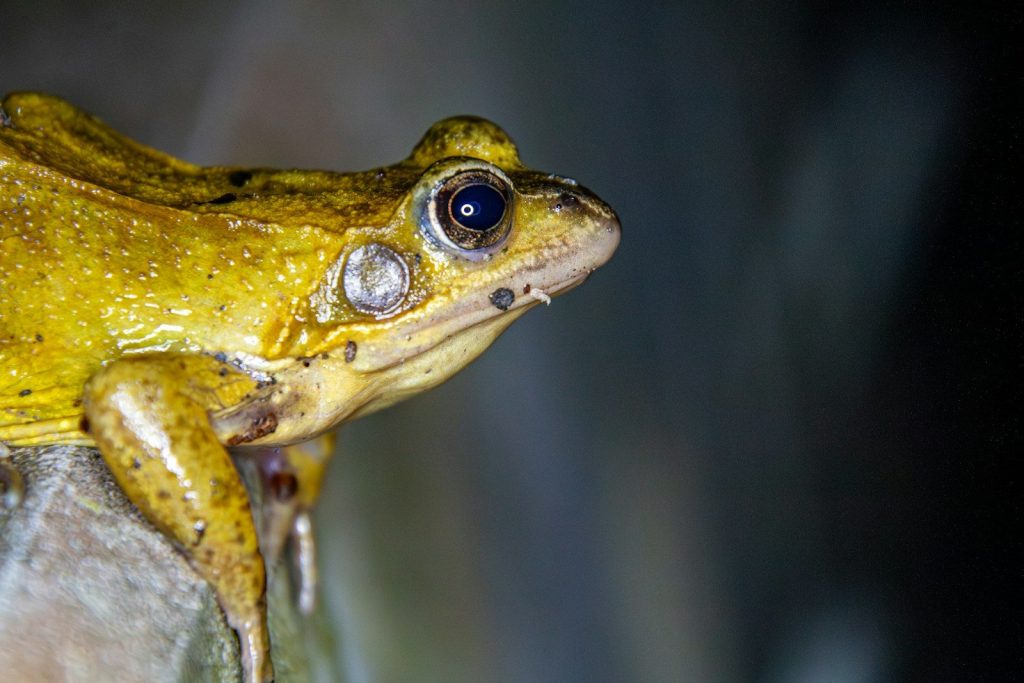
High in the misty cloud forests of Costa Rica, a brilliant orange toad once gathered in thousands. This striking creature relied on a very delicate climate to breed. According to studies in Nature, sudden temperature shifts and a deadly fungus wiped out the entire species. They were beautiful. But this small frog was only the warning sign for a much larger ecological threat.
The Extinction Loop

The last wild Pyrenean ibex fell from a cliff in northern Spain at the turn of the century. Scientists quickly collected her skin cells to attempt a historic cloning project. According to genetics journals, the cloned newborn survived for only seven minutes before its lungs collapsed. It was a tragedy. This heartbreaking experiment showed that reversing extinction is far harder than we think.
The Silent Echo
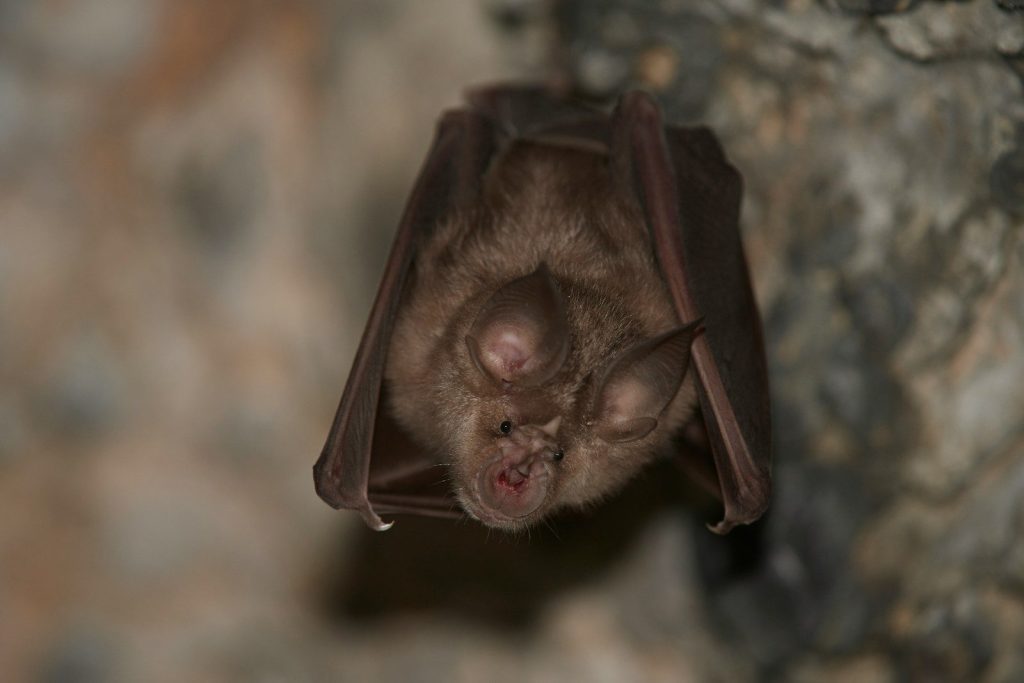
A tiny bat weighing less than a coin once controlled insect populations on a remote Australian island. Scientists desperately tried to capture the remaining survivors for a breeding program. According to the International Union for Conservation of Nature, researchers heard the last tiny bat call fade away in 2009. Deep silence followed. This tiny mammal disappeared before anyone could identify what was killing them.
The Armor Lost
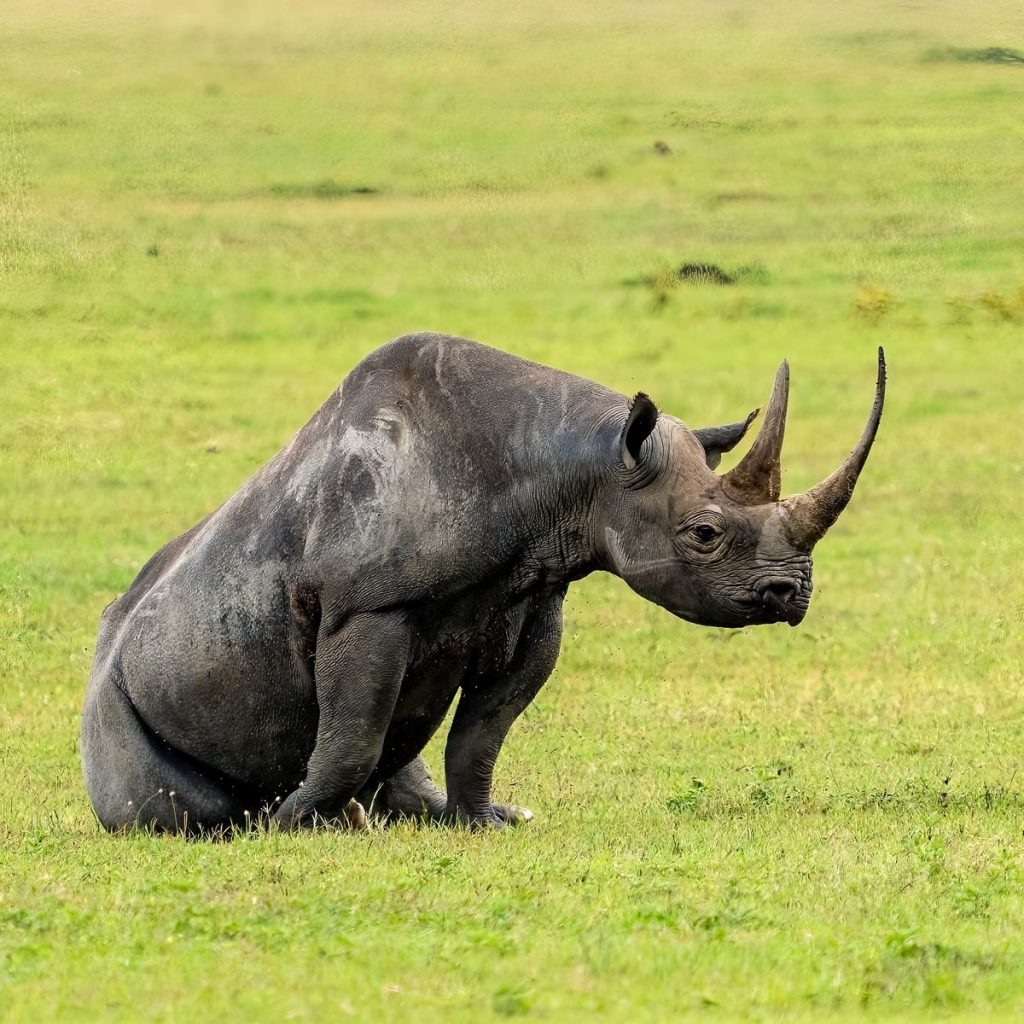
This massive, armor-skinned beast roamed the vast savannas of West Africa for millions of years. Cruel poaching networks targeted the gentle giants for their valuable horns. According to wildlife protection groups, the last wild individual died in 2011. They were magnificent. This tragic loss proved that even the strongest animals cannot survive human greed.
The Lonely End
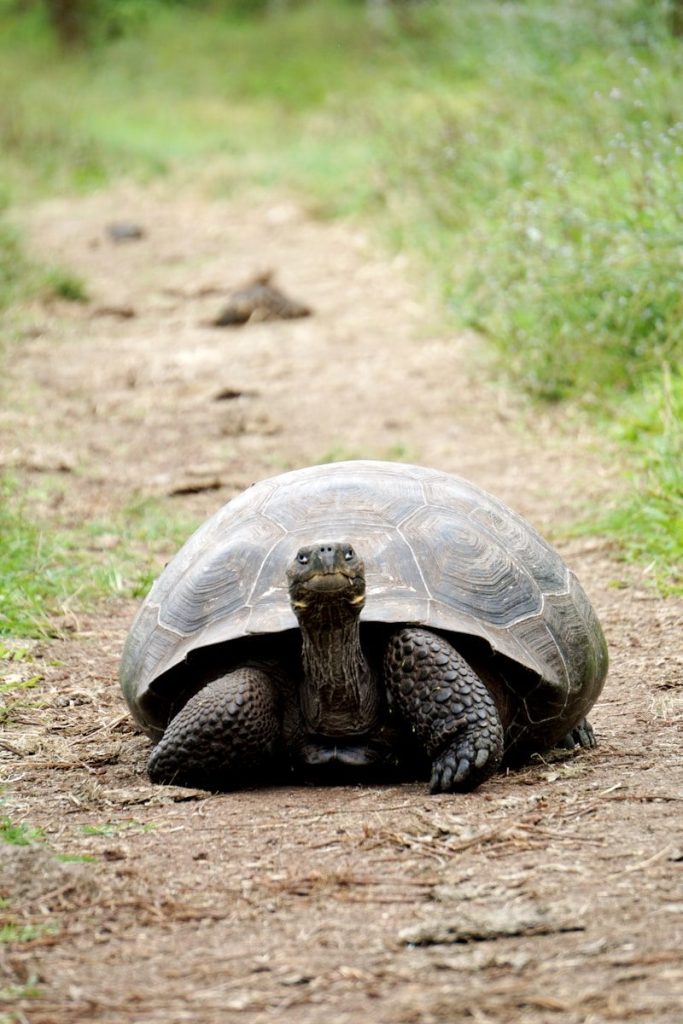
A legendary giant tortoise named Lonesome George became a global symbol of conservation in the Galapagos Islands. For decades, researchers searched the entire planet to find him a mate. According to the Galapagos National Park Service, George died in 2012 without leaving any offspring. He was unique. His death closed the book on a spectacular lineage that evolved over millions of years.
The First Casualty
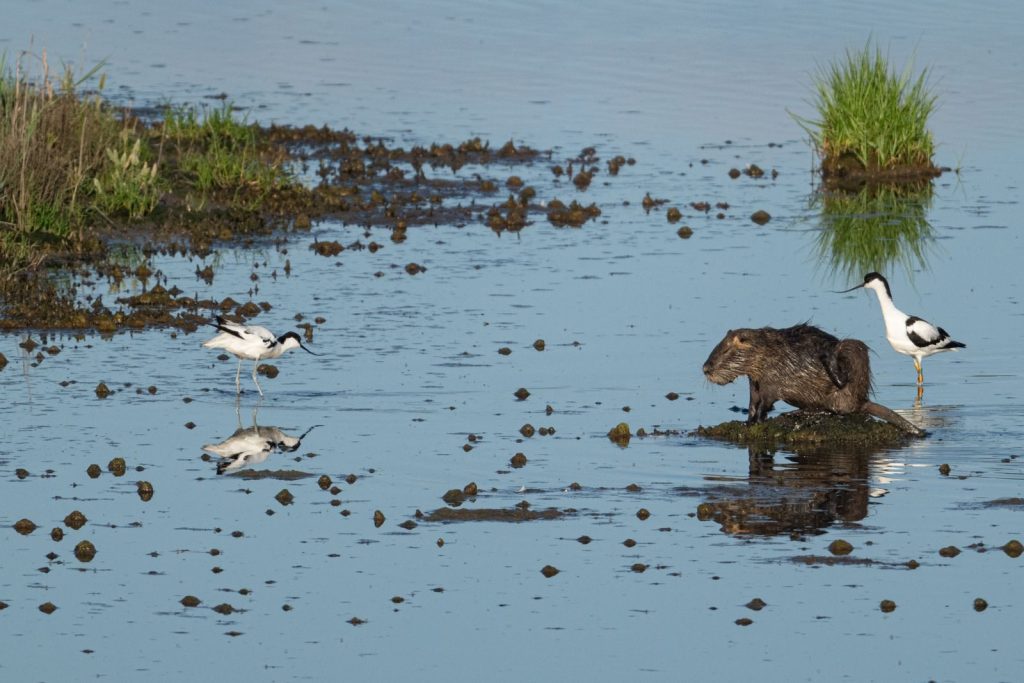
This small rodent lived exclusively on a tiny sand island near the Great Barrier Reef. Rising ocean levels repeatedly flooded their low habitat and destroyed their food supply. According to a study by Queensland scientists, this creature became the first mammal to go extinct from modern climate change. Water took everything. This quiet loss marks a grim milestone that researchers desperately wanted to avoid.
Saving Our Future
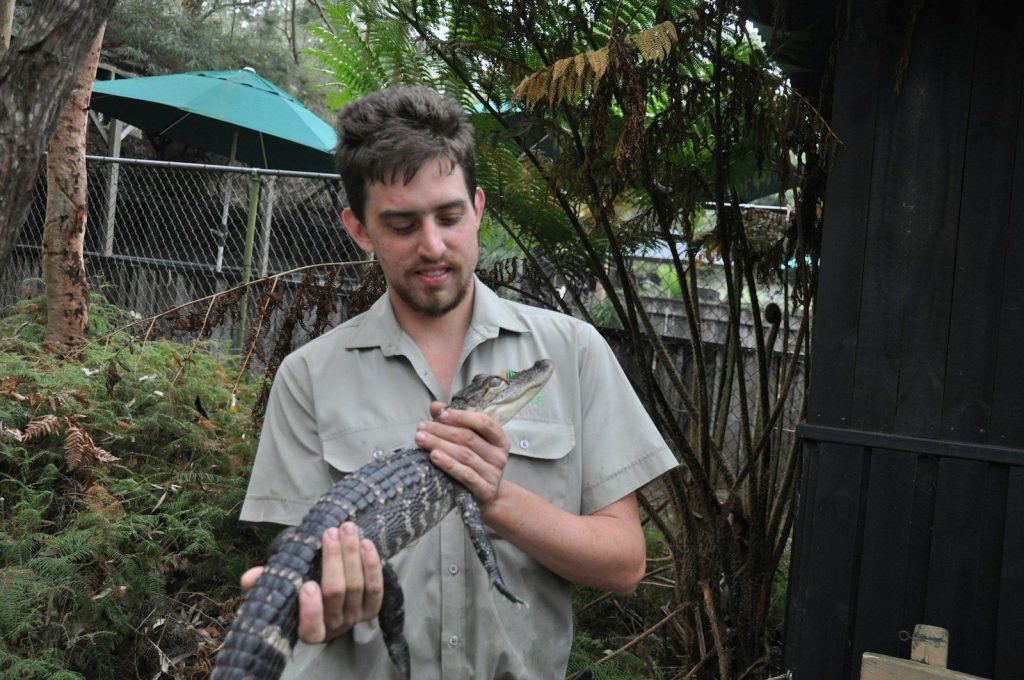
Every creature that vanishes from our planet leaves a permanent tear in the delicate web of life. We must act quickly to protect the vulnerable species that still fight to survive. According to wildlife biologists, preserving habitats is the only way to prevent more silent goodbyes. This article is for informational purposes only.
Featured Image: Photo by Pragyan Bezbaruah on Pexels
Leave a Reply