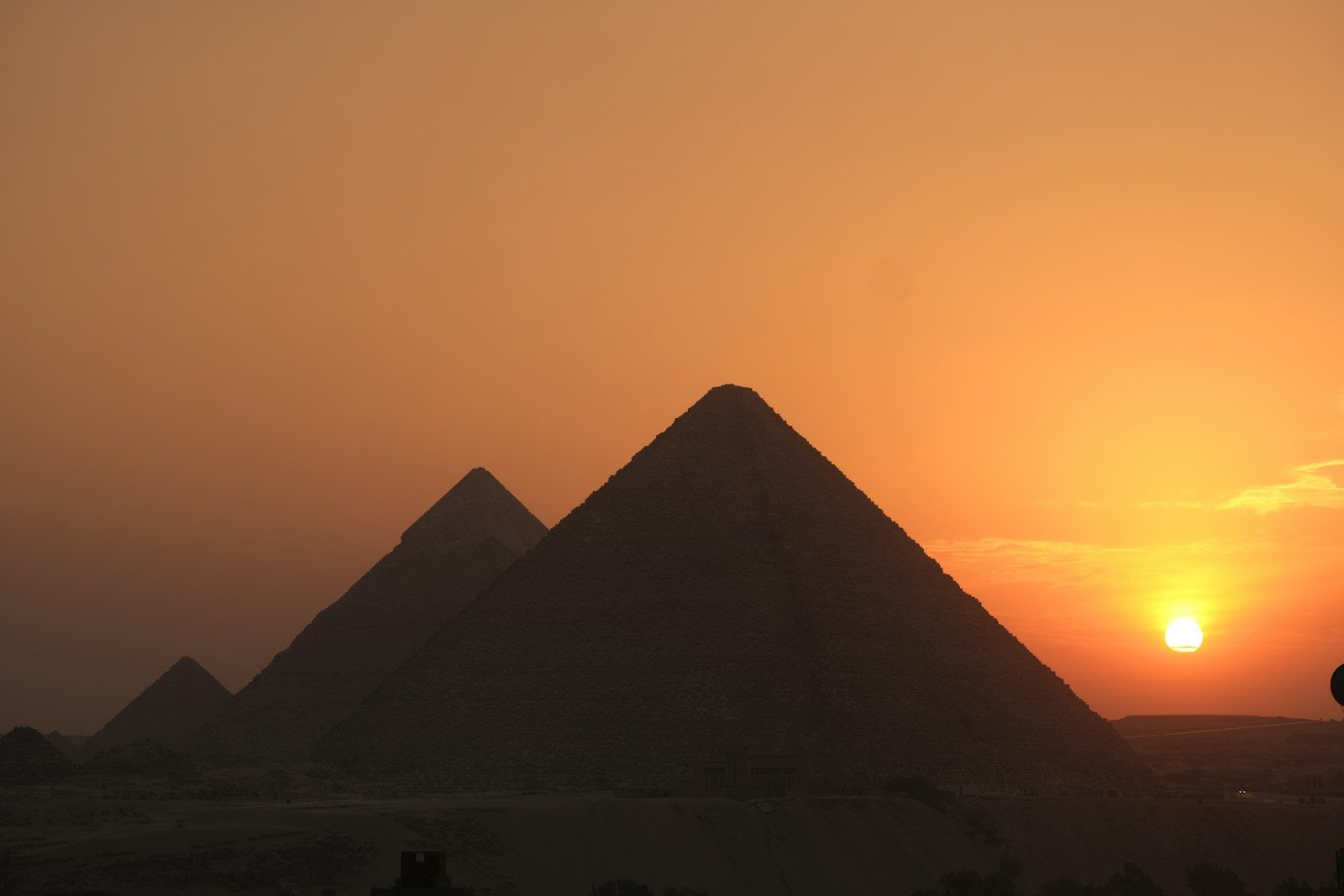
The Great Pyramid of Giza has stood for roughly 4,500 years, according to the consensus most historians and archaeologists have upheld for decades. It is one of the most studied structures in human history.
But controversial new research suggests the pyramid may be 10,000 years older than that — a claim that would force a complete rewrite of everything we think we know about ancient civilization.
What the Mainstream Timeline Says
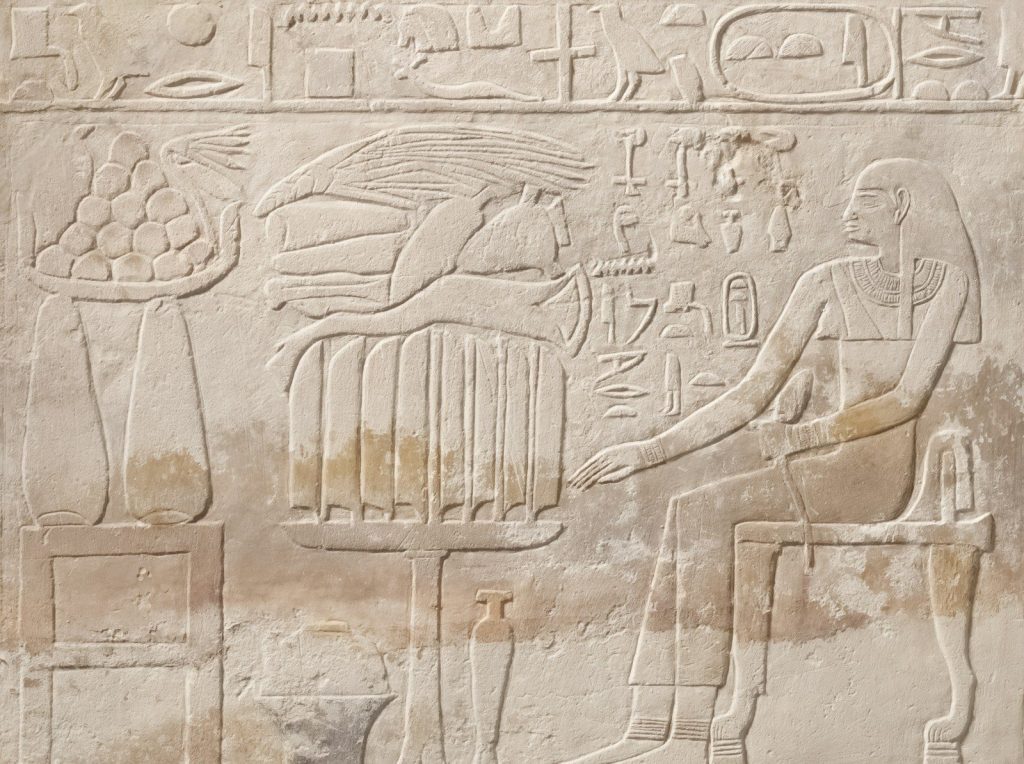
The widely accepted date for the construction of the Great Pyramid places it at around 2560 BCE, during the reign of Pharaoh Khufu. This dating is supported by radiocarbon analysis of organic material found at the site, inscriptions, and the broader archaeological record of dynastic Egypt. According to Egyptologists at institutions including Oxford University and the Egyptian Ministry of Antiquities, the evidence for this timeline is substantial and mutually reinforcing. It is not a guess. It is the result of over a century of rigorous investigation. Which makes the new claim all the more striking. The argument for a much older pyramid rests on an entirely different kind of evidence.
The Geological Argument
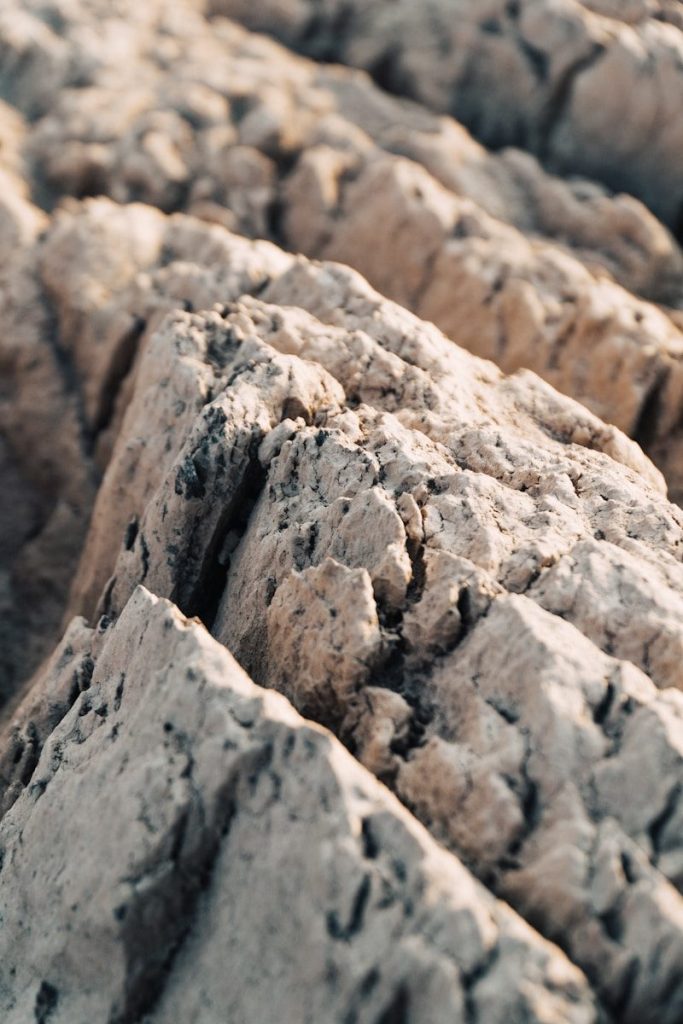
The controversial research, associated with geologist Robert Schoch of Boston University, focuses not on inscriptions or carbon dating but on erosion patterns. Schoch argues that the weathering visible on the Great Pyramid’s limestone casing — and on the Sphinx nearby — is consistent with prolonged water erosion, not wind or sand erosion. According to his analysis, the scale of that water erosion points to a period of heavy rainfall that ended in the region around 10,000 to 9,000 BCE. If the erosion is water-caused, the structures must predate the dry period. That is a significant if. The mainstream response to this argument has been pointed and persistent.
What Egyptologists Say in Response
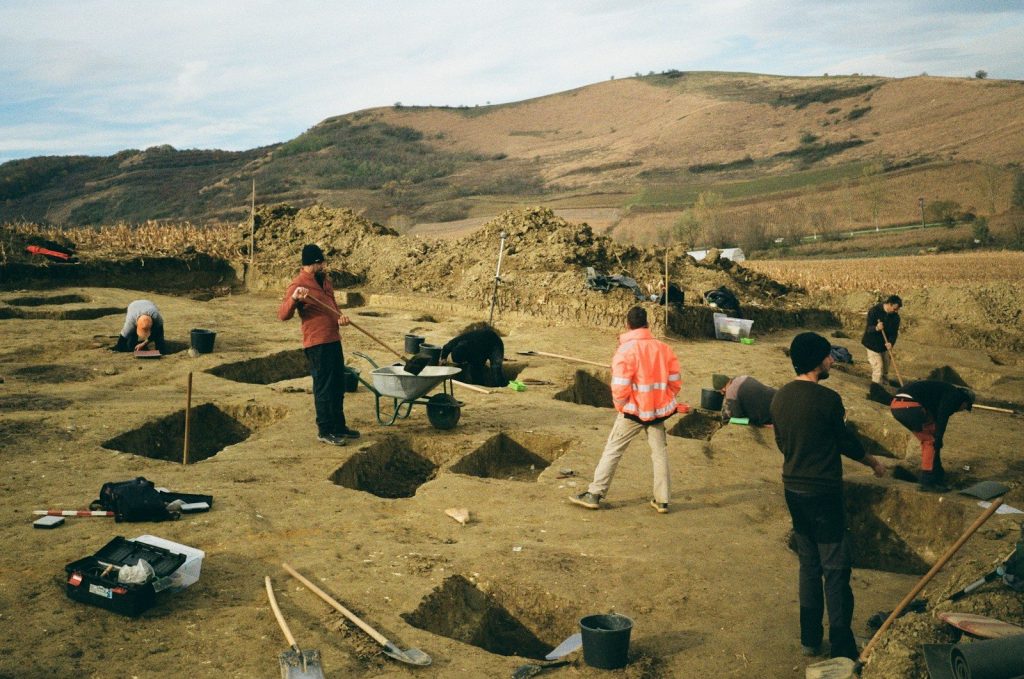
Most mainstream archaeologists firmly reject Schoch’s interpretation. According to the Egyptian Geological Survey and multiple Egyptology departments, the erosion patterns can be explained by other environmental factors — including dew, salt weathering, and wind-blown sand over long periods. They also point to a fundamental problem with the older date. If the pyramid was built 12,000 years ago, there would need to be evidence of a civilization sophisticated enough to construct it — and no such evidence exists from that period anywhere in the region. The archaeological record simply does not support it. But Schoch and his colleagues dispute that conclusion. The debate touches on one of the deepest questions in the study of human prehistory.
The Lost Civilization Question
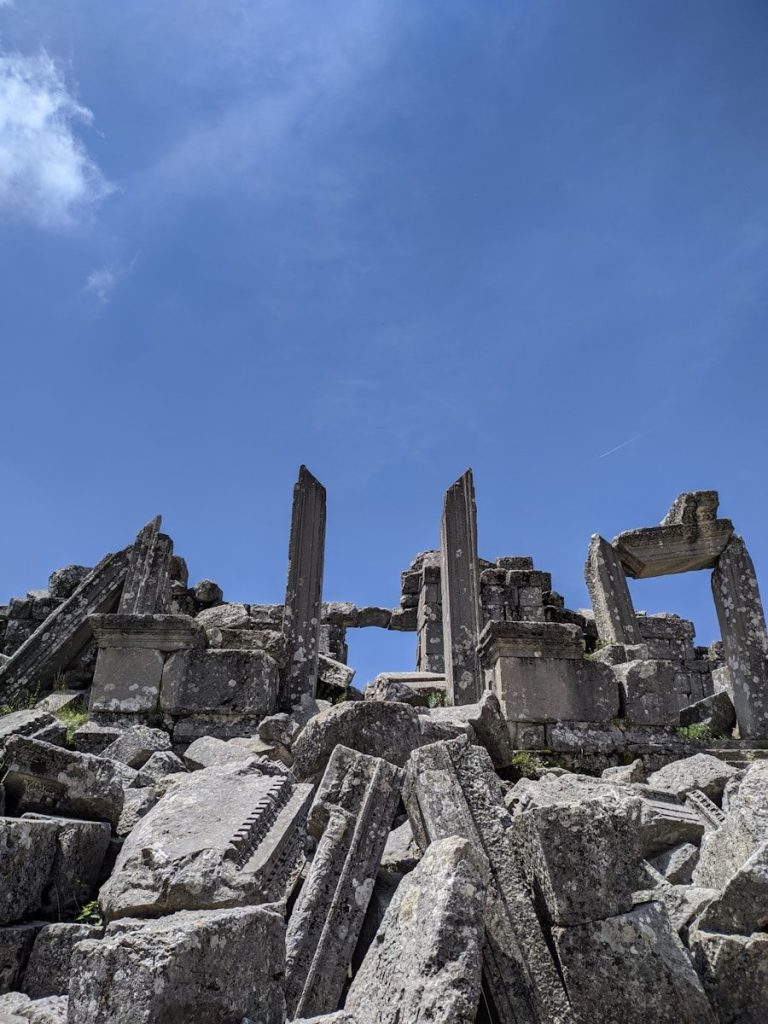
The implications of a 12,000-year-old pyramid are profound. It would require the existence of a technologically advanced civilization thousands of years before the earliest known complex societies in Mesopotamia and Egypt. According to author and researcher Graham Hancock, who has popularized this idea in books and documentaries, geological catastrophes around 12,000 years ago — including the end of the last Ice Age — may have wiped out evidence of such a civilization. This is not a fringe idea in popular culture. Among professional archaeologists, it remains deeply contested. The evidence gap is the central sticking point. One discovery in recent years has made the debate harder to dismiss entirely.
Gobekli Tepe Changed the Baseline
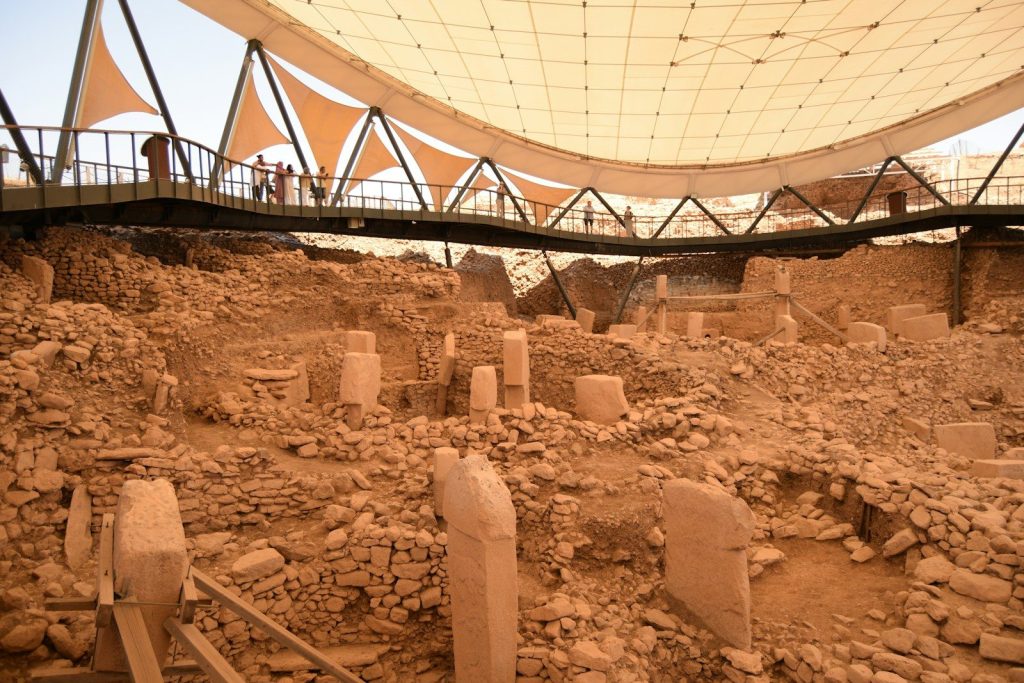
In 1994, excavations at Gobekli Tepe in southeastern Turkey uncovered a complex of massive carved stone pillars dated to approximately 9600 BCE — over 6,000 years before Stonehenge. According to the German Archaeological Institute, which led the excavations, this site demonstrates that organized, large-scale construction was occurring at a far earlier date than previously assumed. It did not prove that a lost civilization built the pyramids. But it permanently shifted the conversation about what early humans were capable of. The old assumption that complex construction required dynastic civilization no longer holds absolutely. That shift has given renewed energy to researchers on the edges of the mainstream.
How the Research Is Being Received

Schoch’s work has been published and peer-reviewed in geological journals, though it remains rejected by the majority of Egyptologists and archaeologists. According to reviews in journals including the Journal of Archaeological Science, the counter-arguments center on the alternative explanations for the erosion and the absence of any supporting material culture from the proposed earlier period. Science advances through exactly this kind of debate. That said, a minority position being debated is not the same as a minority position being validated. The burden of proof remains on those challenging the established timeline. The question of who built the pyramids and when may never be fully settled.
What Could Change the Debate
The most straightforward way to resolve the argument would be the discovery of physical artifacts or buried structures beneath or around the Great Pyramid dating to the proposed earlier period. According to seismic survey data cited by researchers including Schoch, there are anomalies beneath the Giza Plateau that have not been fully excavated or explained. The Egyptian authorities have historically been cautious about granting access for unconventional research. What lies below has not been comprehensively mapped. That unknown is where the debate lives. The pyramid still holds more questions than answers after all this time.
A Monument That Refuses to Be Fully Known
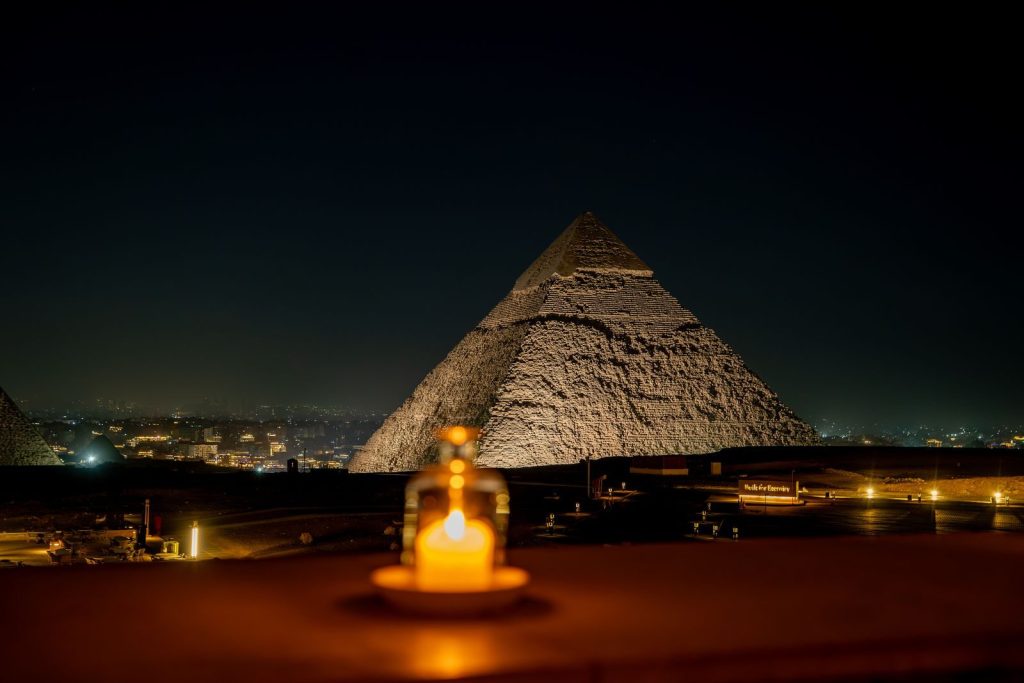
The Great Pyramid is 4,500 years old by the best available evidence. It may be older. The honest answer is that the question is genuinely open in ways that most popular accounts do not acknowledge. According to archaeologist Mark Lehner, who has spent decades studying Giza, the site still yields new data every season. Whatever its true age, the pyramid represents a level of ambition and precision that continues to astonish researchers across every discipline. Some mysteries are worth sitting with. This article is for informational purposes only.
Featured Image: Photo by Andreea Munteanu on Unsplash
Leave a Reply