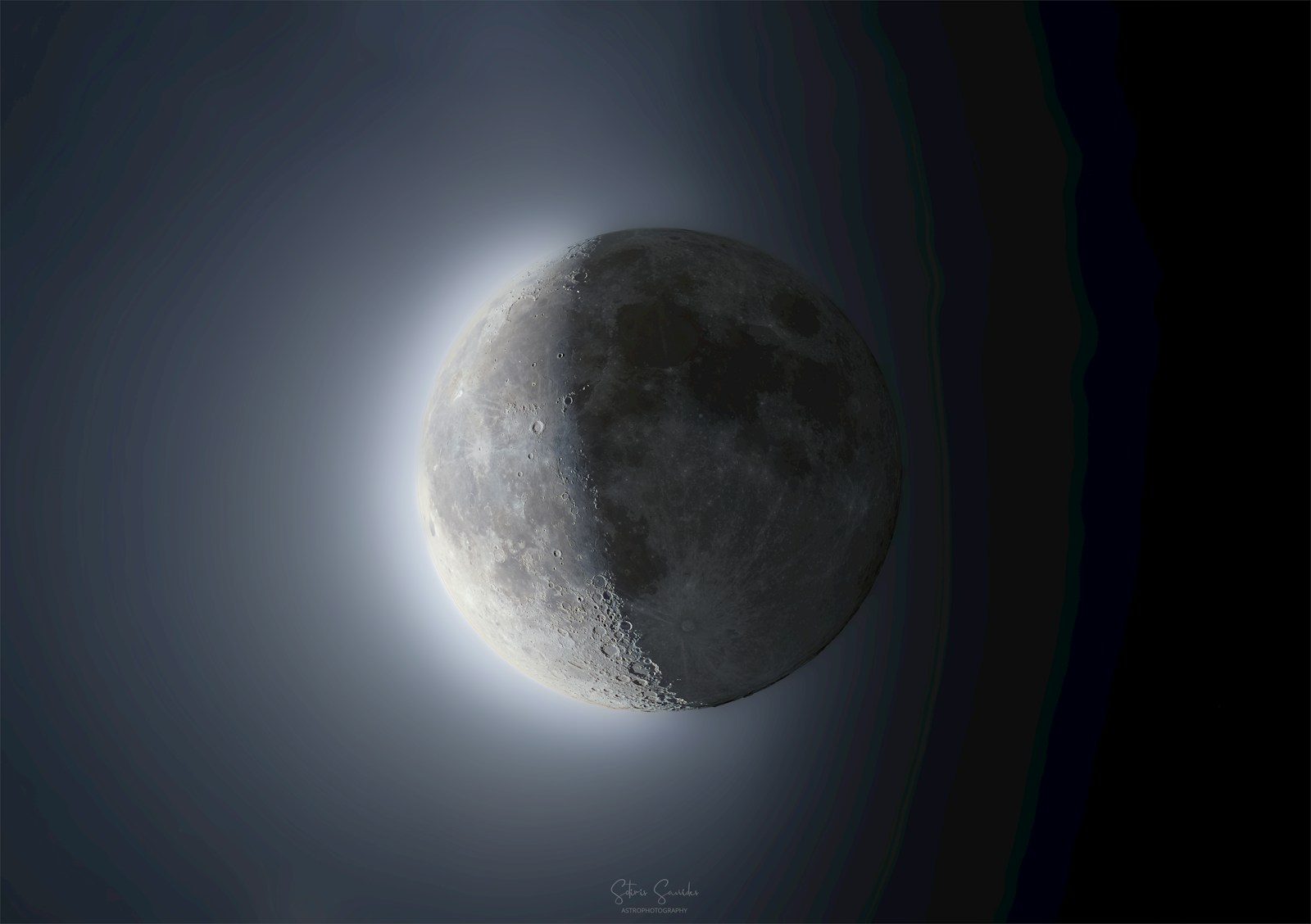
For decades, scientists considered the Moon one of the least likely places in the solar system to find life. Airless, waterless, and bombarded by radiation — it seemed entirely hostile.
But new findings are forcing a serious rethink. Evidence now points to conditions beneath the lunar surface that nobody expected to find.
The Moon We Thought We Knew
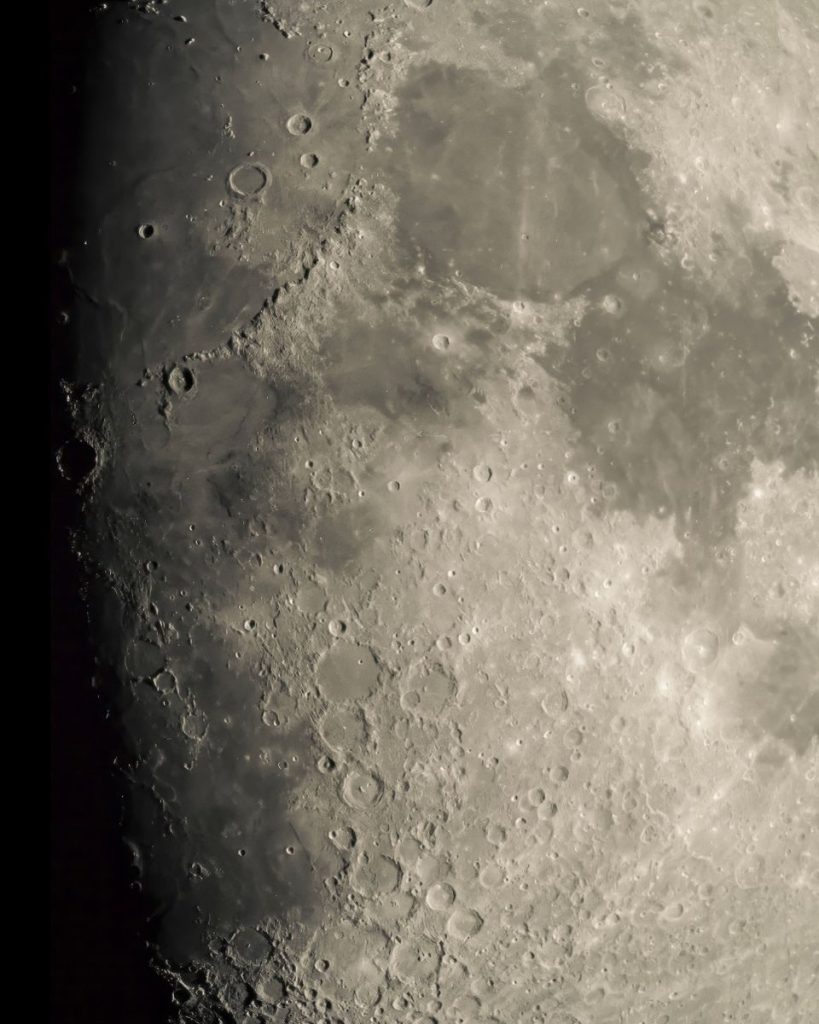
The Moon has no atmosphere, no magnetic field, and surface temperatures that swing from 127 degrees Celsius in daylight to -173 degrees at night, according to NASA. For most of space exploration history, that profile ruled it out as a candidate for any form of life. Scientists focused their search on Mars, Europa, and Enceladus instead. The Moon was seen as geologically dead and biologically irrelevant. That assumption is now being challenged by data collected from multiple recent missions. The discovery that changed everything came from an unexpected source.
Water Ice Was Just the Beginning

NASA’s LCROSS mission in 2009 confirmed the presence of water ice in permanently shadowed craters near the Moon’s south pole. But recent analysis has gone further. According to research published in the journal Nature Astronomy, water molecules are more widespread across the lunar surface than previously believed, including at lower latitudes. Water alone does not mean life. But it removes the most basic objection. Wherever water exists in a stable form, the question of biology becomes legitimate. Scientists then found something else buried beneath the surface.
Lava Tubes as Possible Shelters
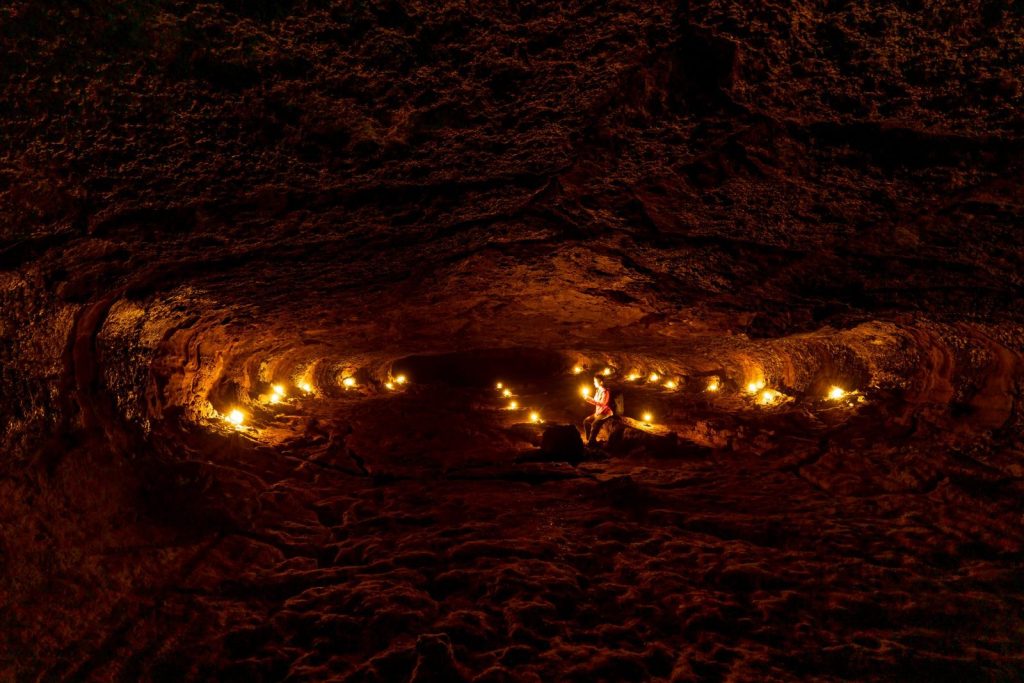
The Moon contains extensive networks of lava tubes — hollow underground tunnels formed billions of years ago by ancient volcanic activity. According to a study published by researchers at the University of Bologna and NASA, these tubes could be kilometers wide and hundreds of kilometers long. Inside them, temperatures would remain relatively stable, shielded from surface radiation and temperature extremes. On Earth, lava tubes host thriving microbial ecosystems. The parallel is hard to ignore. Researchers are now looking at whether lunar tubes could offer similar conditions. What lives in Earth’s lava tubes gave scientists a new way to think about the Moon.
What Earth’s Caves Tell Us
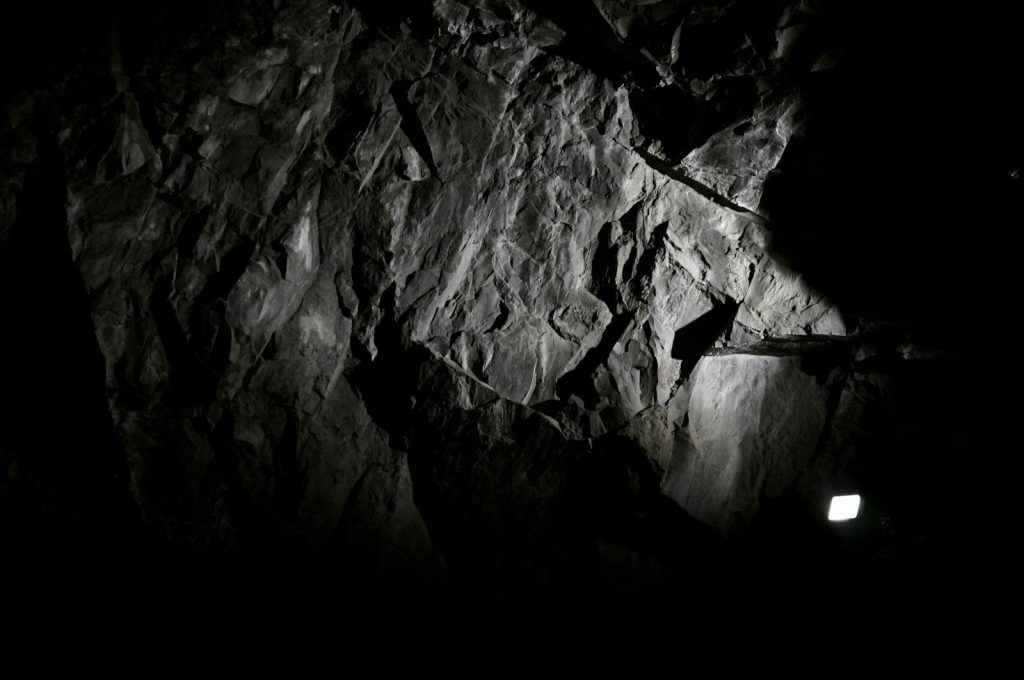
Extremophiles are microorganisms that thrive in conditions once considered fatal to all life. On Earth, they have been found in volcanic rock, deep ocean vents, ice sheets, and caves with almost no light or nutrients. According to NASA’s Astrobiology Program, extremophile research has fundamentally expanded the definition of habitable environments across the solar system. The lesson is straightforward. Life is more adaptable than we assumed. If something analogous exists on the Moon, it would most likely be microbial — ancient, slow-growing, and hidden deep underground. One more factor makes this possibility harder to dismiss than ever.
Ancient Volcanic Heat and Chemistry
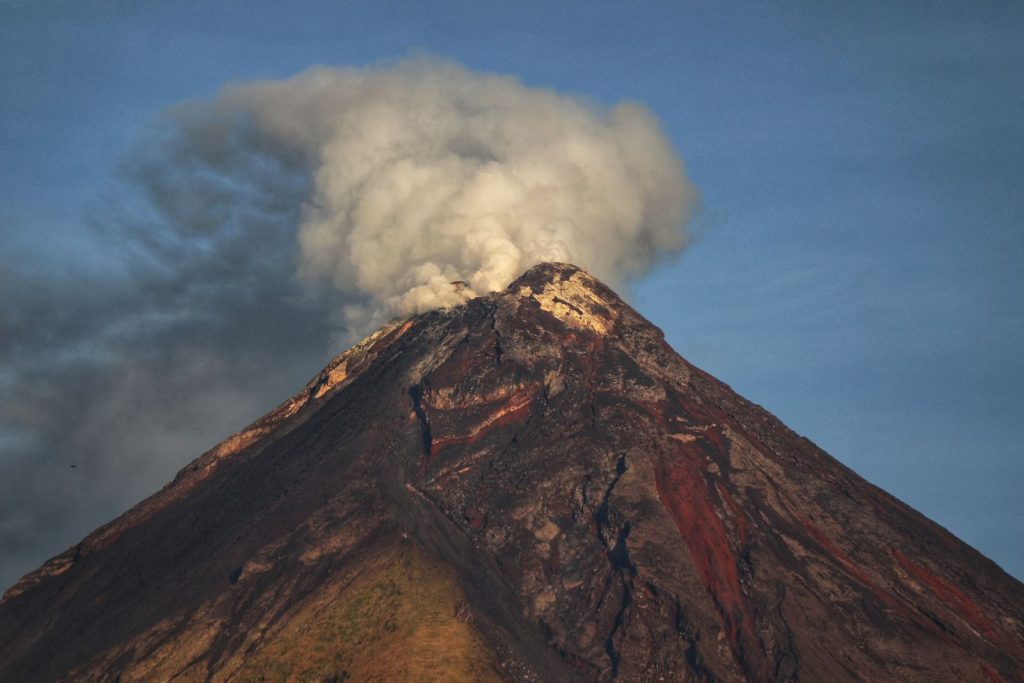
The Moon was volcanically active for billions of years. According to research from Brown University published in 2021, ancient lunar eruptions released significant amounts of water vapor and other gases that may have temporarily created a thin atmosphere. During those periods, conditions near the surface could have been far more hospitable than they are today. Whether life could have originated and then retreated underground as the Moon cooled is an open scientific question. Open does not mean impossible. It means untested. The most credible scientific voices are now taking the question seriously.
What Scientists Are Saying Now

Astrobiologist Charles Cockell at the University of Edinburgh has stated publicly that the Moon deserves serious consideration as a target for life detection studies. According to his research, the combination of water ice, stable underground environments, and a long geological history creates conditions worth investigating. NASA’s Artemis program, which plans crewed lunar missions in the coming years, includes scientific objectives specifically related to subsurface exploration. The Moon is back on the list. That is a significant shift. What happens next depends on missions that are already being planned right now.
The Search Has Only Started

No life has been found on the Moon. That is the honest answer. But the framework for asking the question has changed completely. According to NASA, future missions will include drilling and subsurface sampling near the lunar south pole, with the specific aim of understanding what lies beneath the permanently shadowed regions. The Moon is the closest planetary body we can reach. If life is hiding there, finding it would be the most important discovery in human history. This article is for informational purposes only and does not constitute scientific advice.
Featured Image: Photo by Sotiris Savvides on Unsplash
Leave a Reply