
Most oceanographers assume that our deep seabed consists of empty mud and familiar basalt rocks. We believe that we have cataloged every major physical feature of the abyss.
But a former research engineer has revealed a mind-bending cosmic possibility. Deep-sea expeditions are recovering microscopic material that did not originate in our solar system.
The Deep Search

Scientists dragged a magnetic sled across the Pacific Ocean floor to collect metallic sediments. They wanted to analyze the debris left by a historic meteor that exploded over the sea. According to marine researchers, the magnetic sled recovered hundreds of tiny iron-rich spheres from the deep mud. The grains were tiny. These microscopic spheres held a chemical signature that shocked the lab.
Bizarre Interstellar Metals

Lab testing showed that these tiny beads contained rare combinations of heavy elements like beryllium, lanthanum, and uranium. This specific chemical pattern does not match any known rocks on Earth or our Moon. According to astrophysics papers, these materials likely originated from an interstellar object outside our solar system. Rocks are foreign. This unique metal mix could be the remnants of an ancient alien probe.
Microscopic Space Probes
Some researchers suggest that advanced alien civilizations would explore the galaxy using trillions of tiny robotic probes. These microscopic devices could travel across light-years and land silently on foreign planets. According to space exploration groups, finding these micro-probes requires scanning deep-sea sediments where space dust accumulates over millions of years. Space is vast. This search method could reveal cosmic technology hiding right under our feet.
Natural Volcano Explanations

Other oceanographers believe these iron spheres have a much simpler, earthly origin. They argue that deep-sea volcanic eruptions can produce identical metallic beads under high pressure. According to geological studies, underwater volcanic plumes release vast amounts of rare elements into the surrounding ocean. Volcanism is active. This natural process could explain the weird metal patterns without requiring alien spaceships.
Scanning The Tundra

To test the interstellar theory, researchers are expanding their search beyond the Pacific mud. They are scanning ancient glacial ice and remote polar tundras for similar cosmic dust. According to polar scientists, undisturbed ice sheets act as perfect physical traps for falling space materials. Ice is clean. This high-altitude search will show if these weird spheres are truly unique.
Tracking Future Meteors
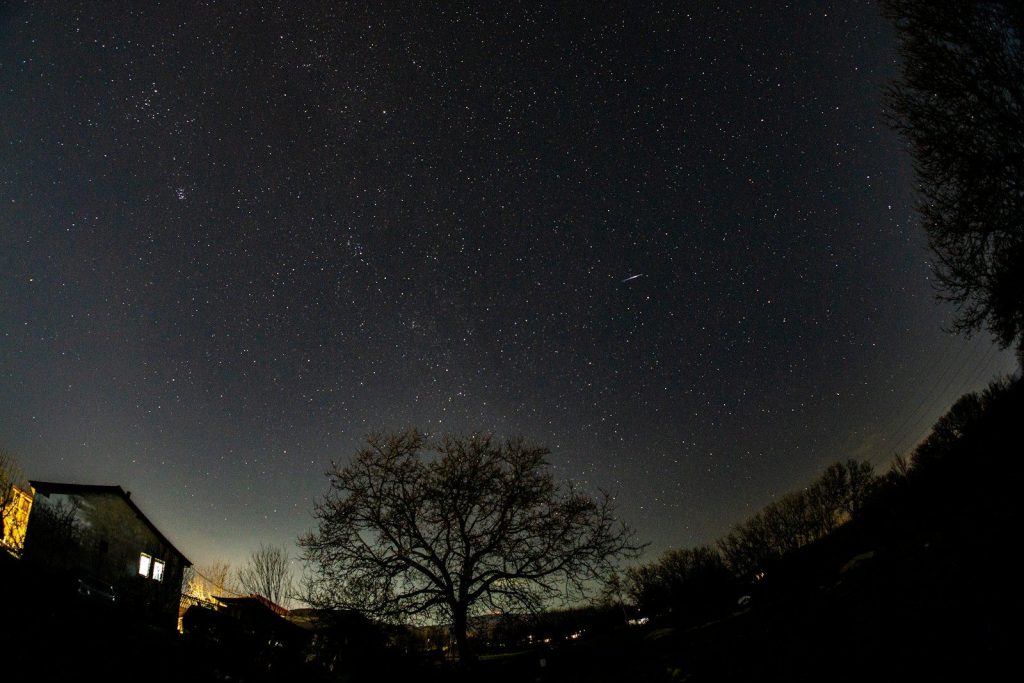
Astronomers are developing advanced tracking systems to intercept the next interstellar visitor before it enters our atmosphere. Capturing a live space rock in orbit would solve the debate instantly. According to space agency reports, future robotic missions could rendezvous with these fast-moving objects to snap close-up photos. Cameras are ready. This orbital data will confirm if these objects are synthetic devices.
Secrets of the Abyss
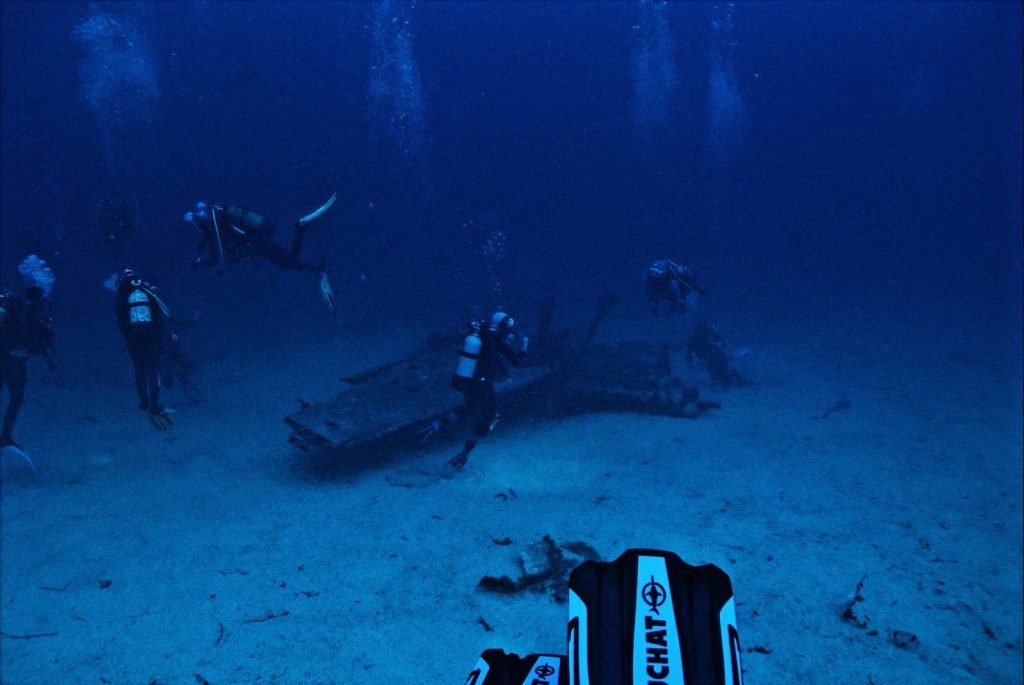
Whether these microscopic spheres are ancient cosmic probes or rare volcanic products, they expand our scientific boundaries. The deep ocean floor remains a giant archive of planetary and stellar history. According to deep-sea researchers, exploring these dark waters will continue to unlock the greatest mysteries of our universe. The search continues. This article is for informational purposes only.
Featured Image: Photo by Jeremy Bishop on Unsplash
Leave a Reply