
Most people assume that human civilization will continue expanding across our green planet indefinitely. We believe that Earth will remain stable enough to support mammalian life for billions of years.
But a powerful supercomputer simulation has mapped a terrifying geographic future. The geological forces of our planet are slowly aligning to create an unlivable wasteland.
The Continental Collision
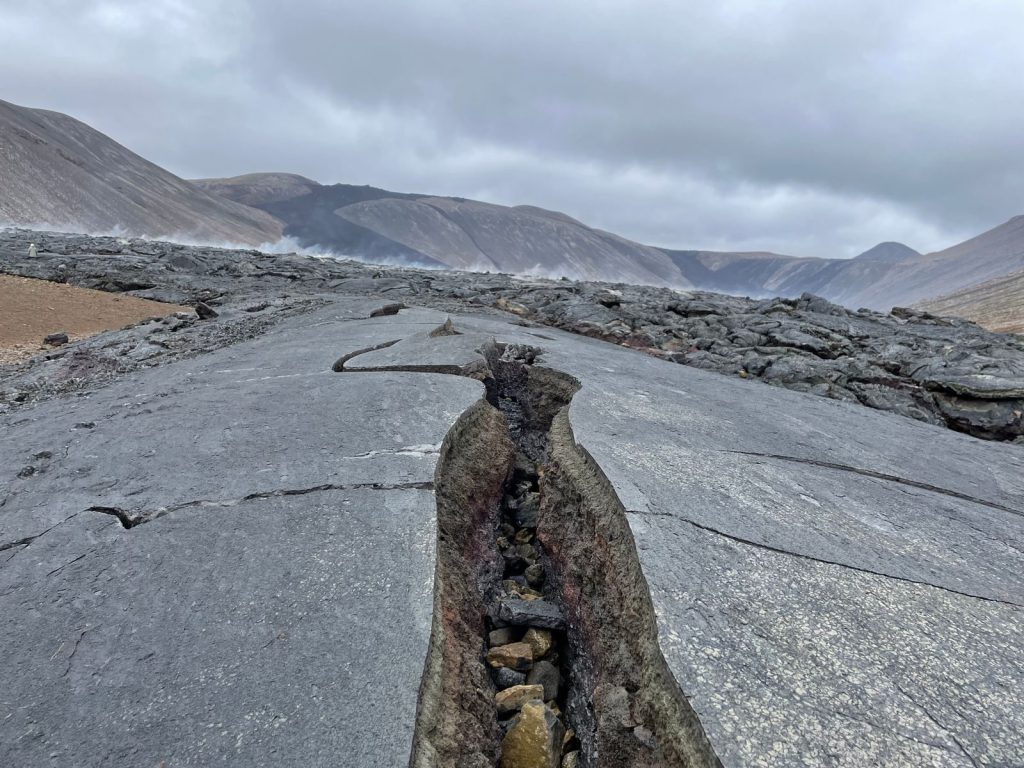
The giant tectonic plates beneath our feet are constantly moving at the speed of growing fingernails. Over millions of years, this slow movement will push all landmasses together. According to geologists at the University of Bristol, the continents will eventually crash to form a supercontinent called Pangea Ultima. Landmasses merge slowly. This new supercontinent will trigger a massive environmental shift.
The Tripled Heat Threat
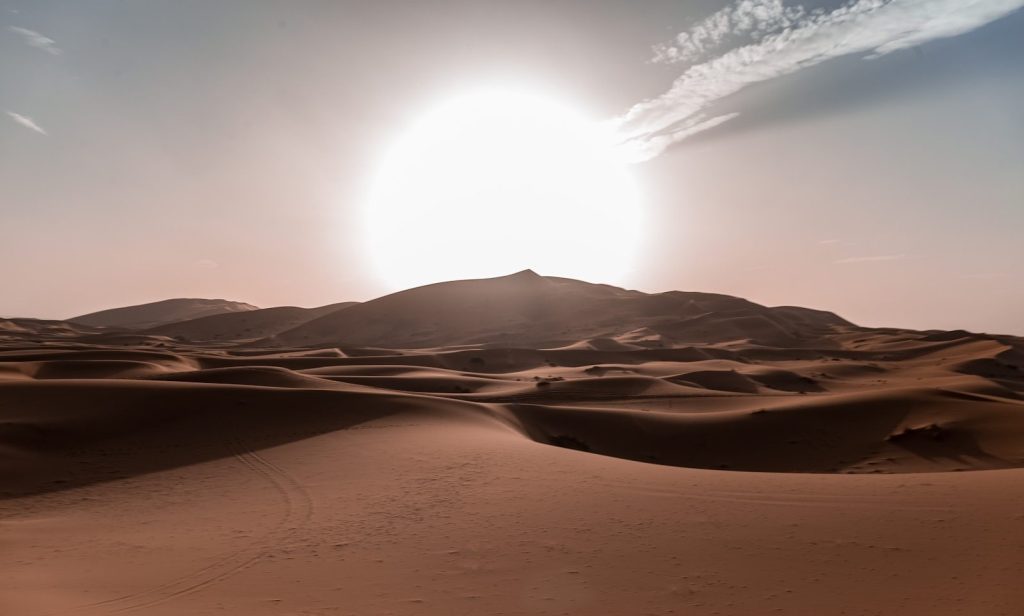
The computer model predicts that three distinct environmental forces will peak at the exact same geological era. Solar radiation, extreme volcanic activity, and shifting wind patterns will combine to raise global temperatures. According to climate simulation data, the interior of the supercontinent will reach a blistering fifty degrees Celsius. Heat will suffocate. This extreme environment will quickly eliminate traditional food sources.
Volcanic Carbon Blast
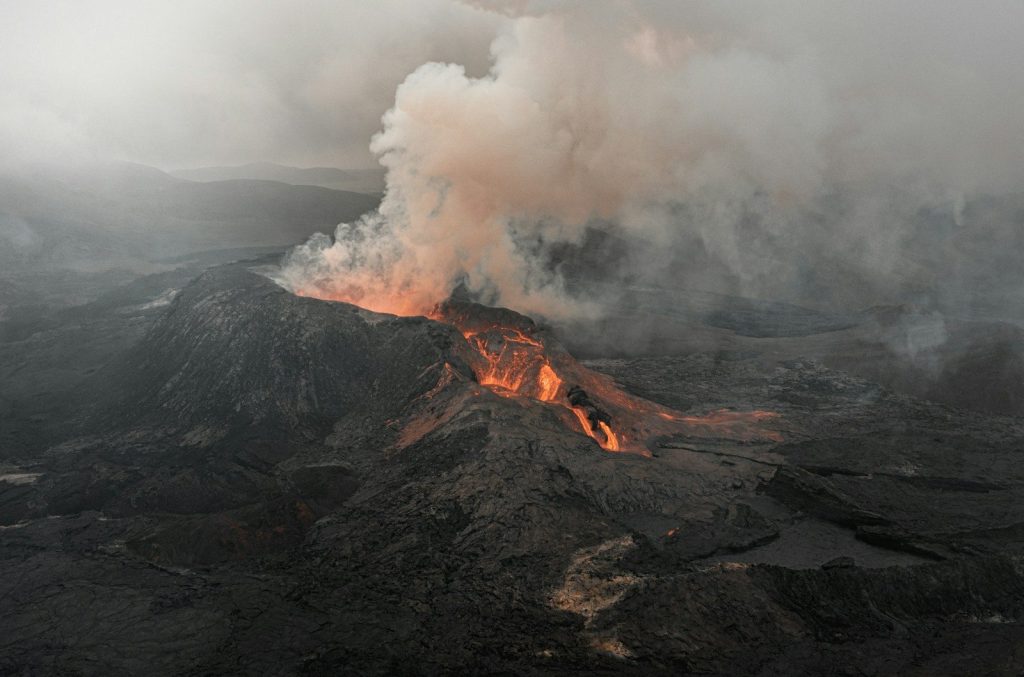
The massive collision of tectonic plates will tear open giant fissures in the Earth’s crust. These cracks will release continuous torrents of carbon dioxide into the atmosphere. According to earth scientists, this volcanic activity will trap extreme amounts of greenhouse heat across the globe. Air becomes toxic. This rising temperature will push mammalian biology to its absolute limit.
The Mammalian Limit

Mammals survive by using specialized sweat glands to cool their bodies under heat stress. However, when high temperatures combine with extreme humidity, this cooling system fails completely. According to biophysics researchers, humans cannot survive when the wet-bulb temperature exceeds thirty-five degrees Celsius. Bodies break down. This biological wall means almost all land will become uninhabitable.
The Blistering Interior
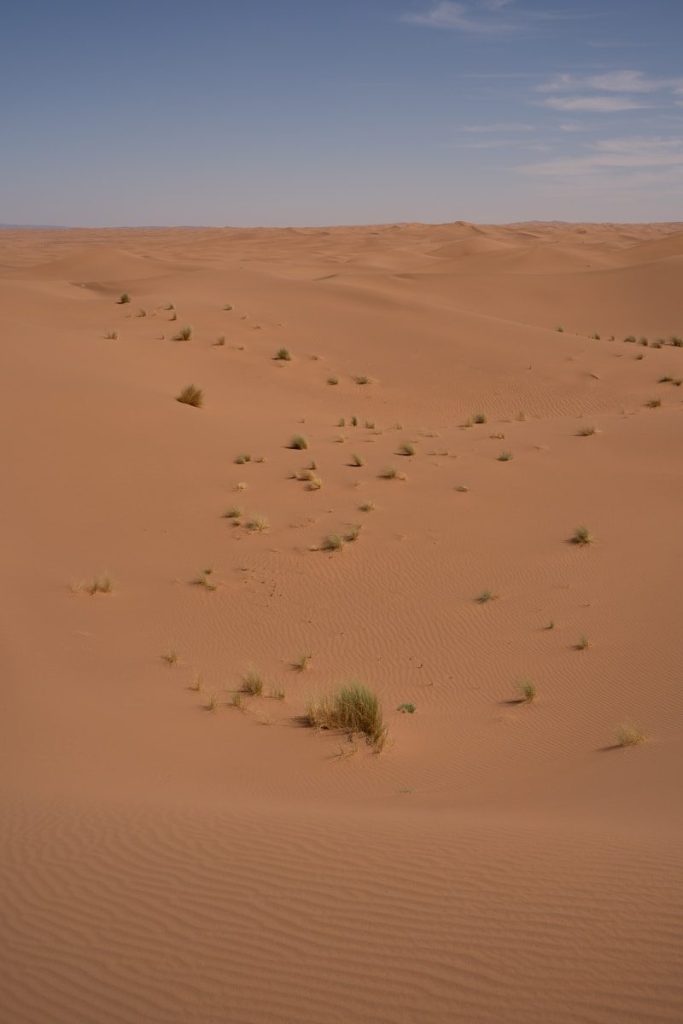
The sheer size of the supercontinent will prevent moisture from reaching the deep interior plains. This will create a massive desert that covers over ninety percent of the landmass. According to meteorological studies, only a tiny sliver of coastal land will support vegetation. Soil will turn to dust. And this limited fertile ground will trigger a desperate struggle for survival.
Fleeing To The Poles
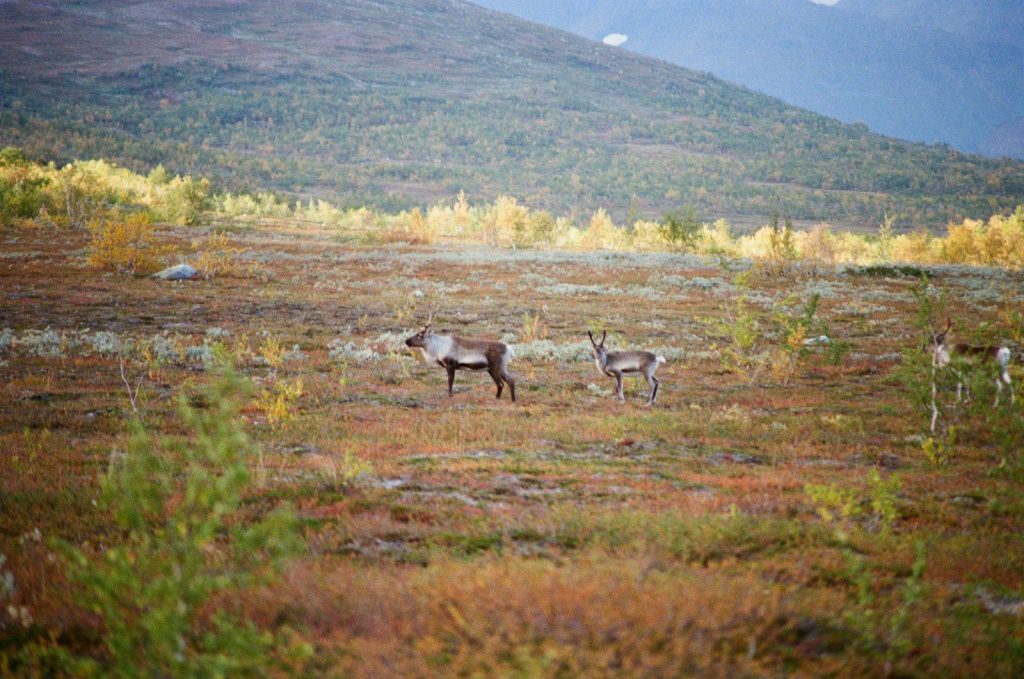
To escape the burning heat, surviving species must migrate to the extreme northern and southern coasts. These polar regions represent the final biological refuge on the planet. According to evolutionary models, only highly specialized species will survive this forced migration. Competition will be fierce. But even these cold havens might face a sudden threat.
The Sun Grows Brighter
As stars age, their cores burn hotter and release increasing amounts of energy over time. The aging Sun will shine ten percent brighter during this tectonic era. According to solar physicists, this increased radiation will slowly vaporize the remaining shallow ocean networks. Water will vanish. This ultimate planetary drying represents the final nail in the coffin.
The Infinite Cycle
This grim supercomputer forecast reminds us that our planet operates on massive geological cycles that ignore human wishes. Earth will survive, but our biology must eventually adapt to survive. According to evolutionary scientists, mapping these deep-time challenges helps us prepare for the ultimate preservation of our species. This article is for informational purposes only.
Featured Image: Photo by Kelvin Ang on Unsplash
Leave a Reply