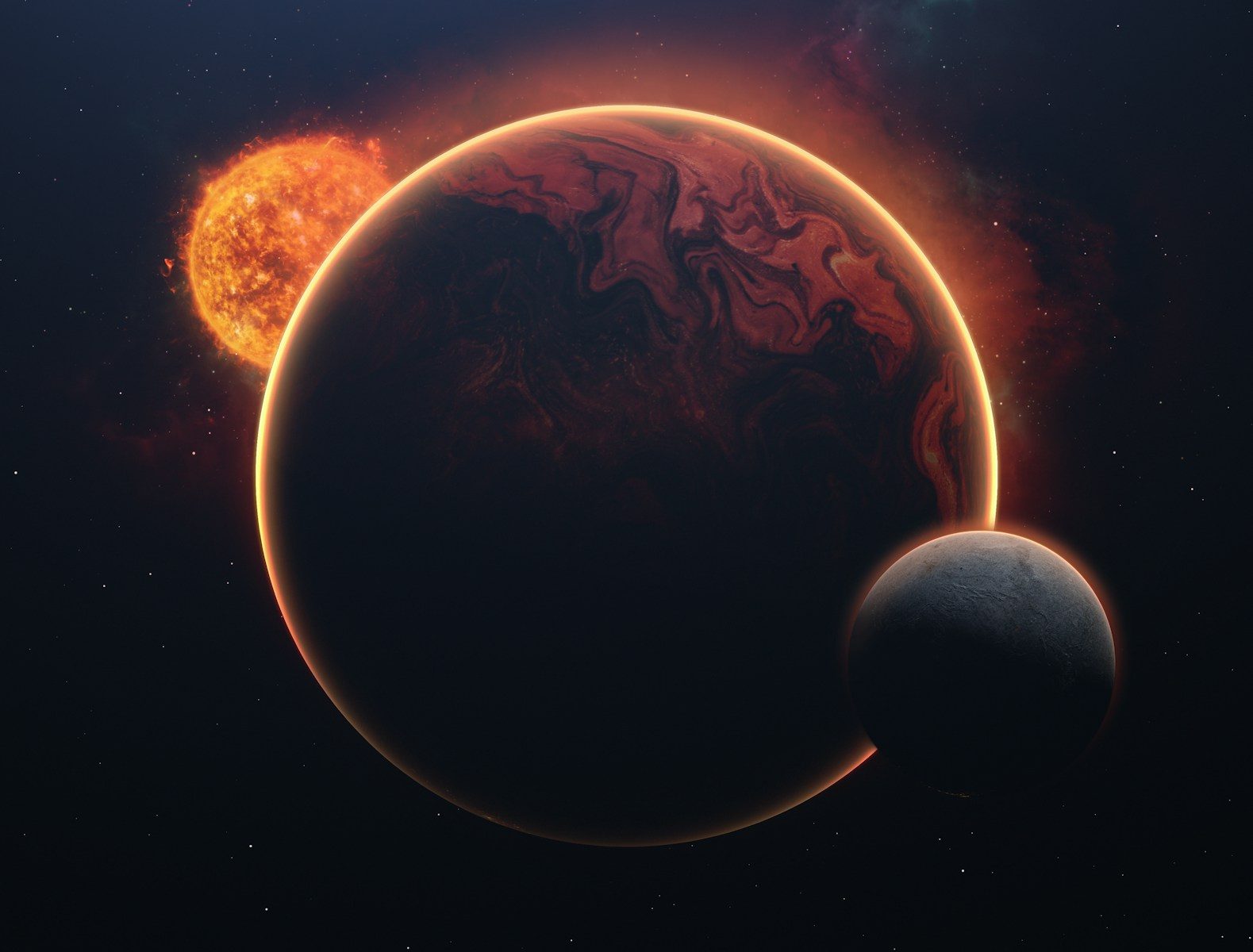
Most people assume that the moon has always been a quiet partner orbiting Earth. We believe our lunar neighbor slowly drifted into our gravitational pull from deep space.
But planetary scientists have discovered evidence of an ancient cosmic cataclysm. A violent collision with a sister planet actually blasted our moon into existence.
The Mars-Sized Intruder
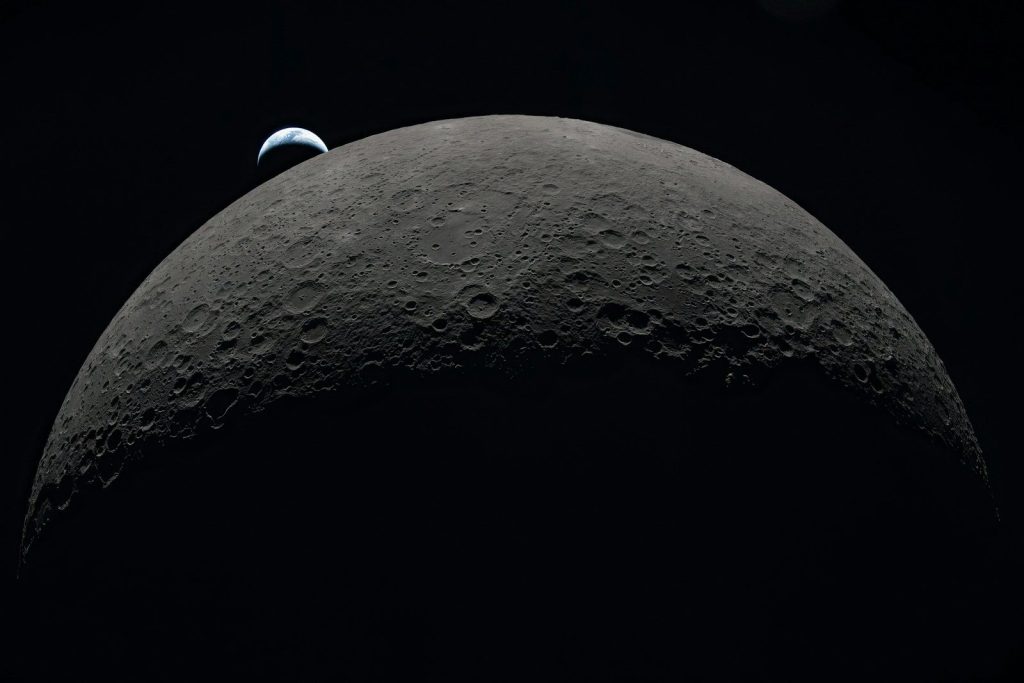
Billions of years ago, a young Earth shared its orbit with a massive planet named Theia. This cosmic neighbor was roughly the size of modern Mars. According to computer models from the Southwest Research Institute, their gravitational paths eventually crossed in a highly unstable dance. It was inevitable. This orbital chaos set the stage for the most violent event in our history.
The Great Impact
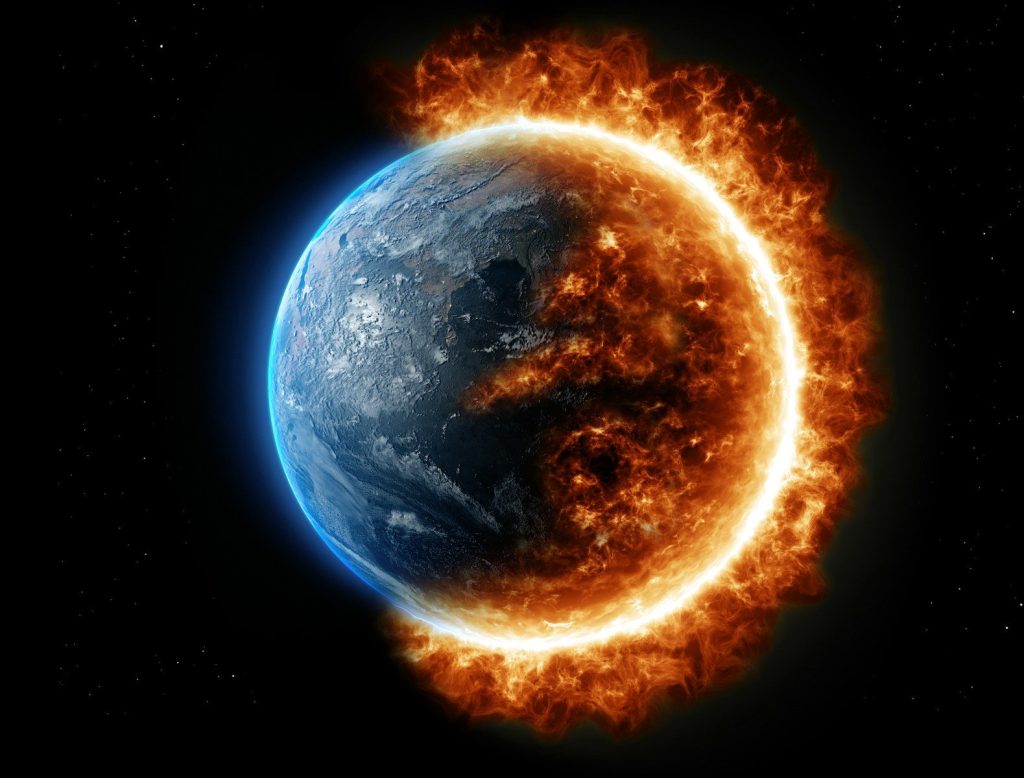
The sister planet smashed directly into the young Earth at a terrifying speed. The violent energy of the impact instantly melted the outer layers of both massive worlds. According to planetary geologists, this collision completely vaporized the intruder and blasted giant clouds of rock into space. The heat was extreme. But this swirling ring of molten debris was about to transform.
Forming The Ring
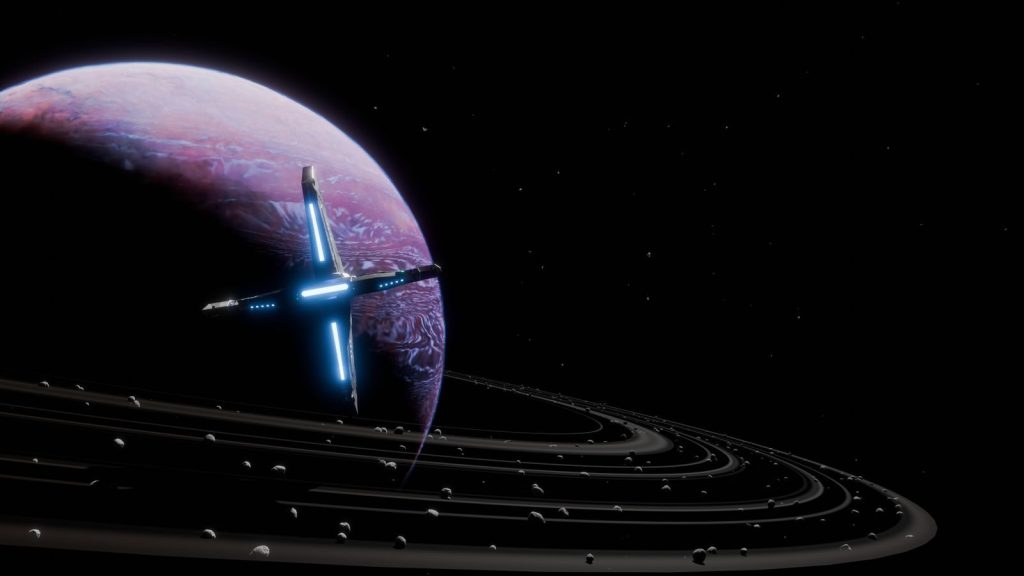
Over a remarkably short period, the blasted rock and iron settled into a dense ring orbiting our wounded planet. Gravity began pulling this hot material together in a process called accretion. According to astrophysical models, this massive clump of space debris solidified into our moon in just a few thousand years. The process was fast. Yet, proving this ancient theory required physical evidence from another world.
Clues In The Dust
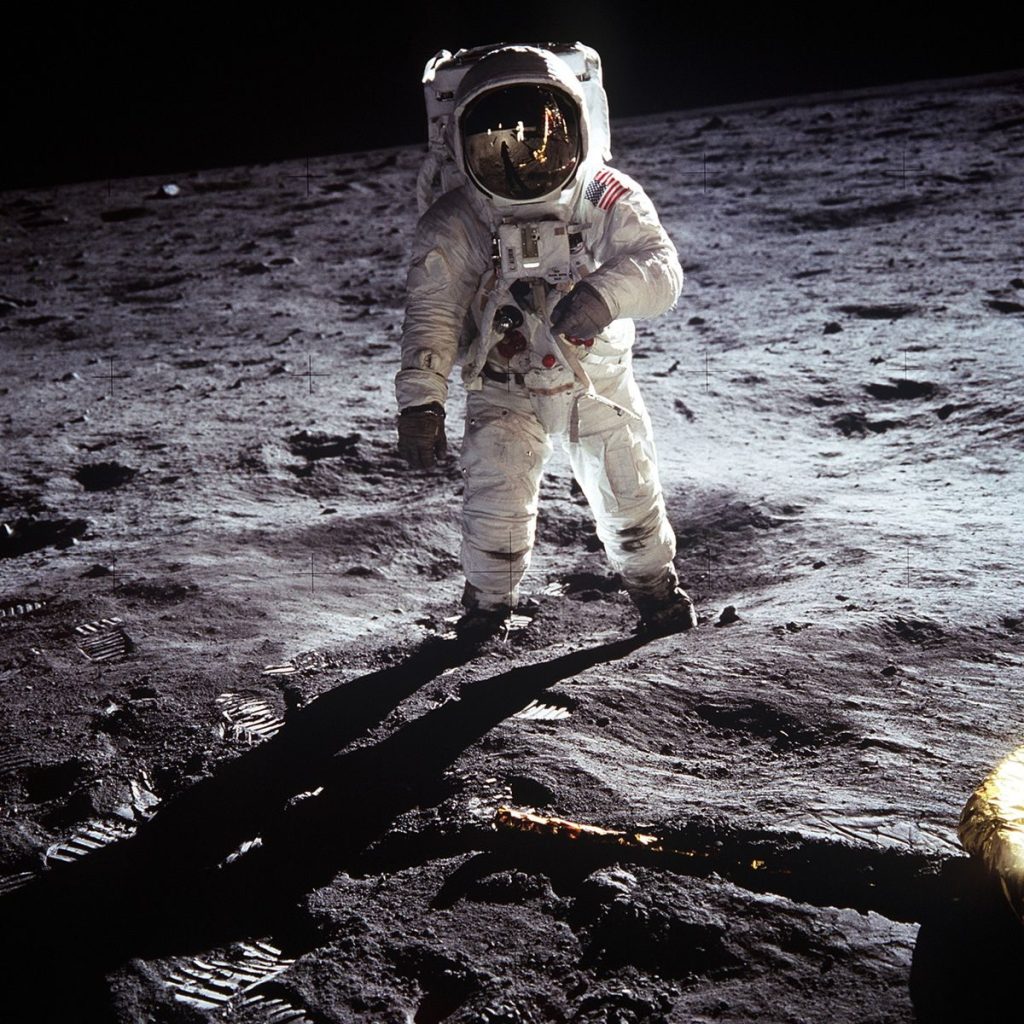
Astronauts exploring the lunar surface collected hundreds of pounds of rock and dust to study on Earth. Scientists expected the lunar chemistry to look completely unique compared to our home planet. According to NASA laboratory analysis, the oxygen isotopes in moon rocks are virtually identical to those found in Earth’s mantle. They are chemical twins. But a deeper look at the lunar core revealed some highly unusual structural details.
The Missing Iron Core
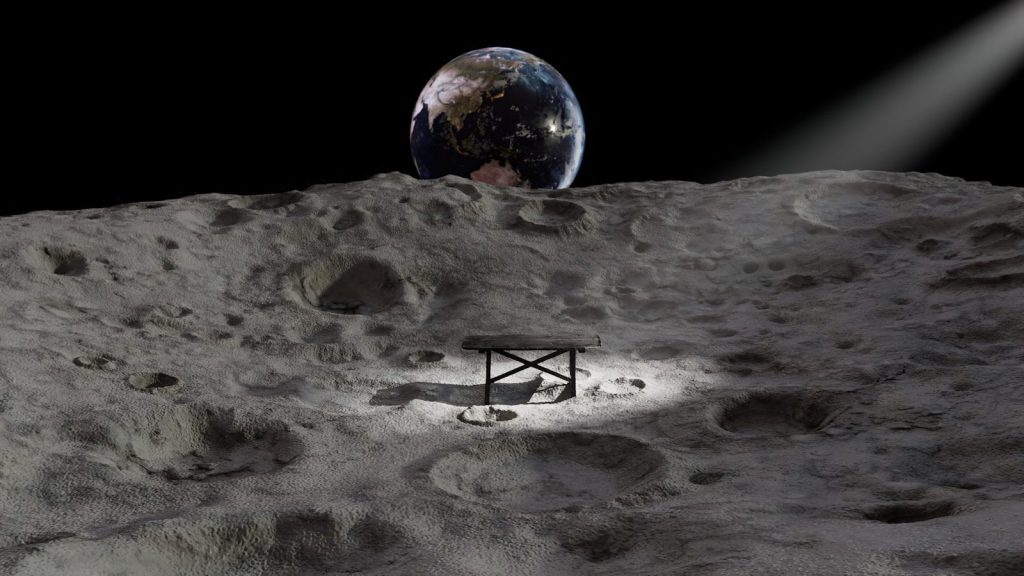
Unlike Earth, the moon has a remarkably tiny metallic core at its center. This structural difference puzzled scientists for decades. According to lunar science reports, the giant collision explains this mystery because the heavy iron from the intruder sank deep into Earth’s center. The core was absorbed. And this ancient impact did more than just build a companion in the night sky.
Tilted For Life
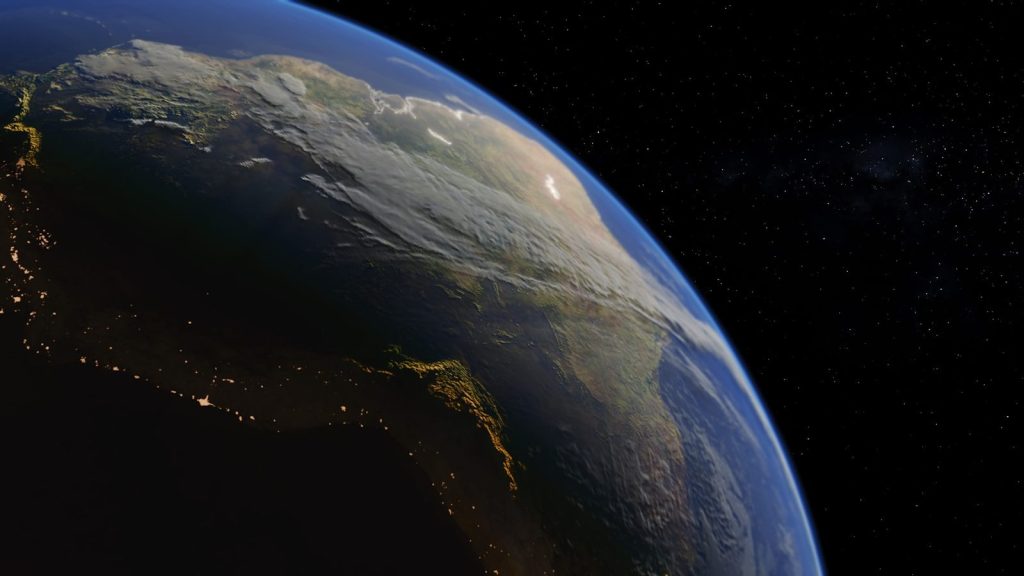
The violent force of the impact knocked Earth onto its side, creating our stable twenty-three-degree axial tilt. This tilt is the direct reason why our planet has distinct seasons today. According to astrobiologists, this stable climate was crucial for the long-term evolution of complex life on Earth. We are highly fortunate. Yet, researchers are still uncovering new secrets hidden inside the deep lunar interior.
A Violent Beginning
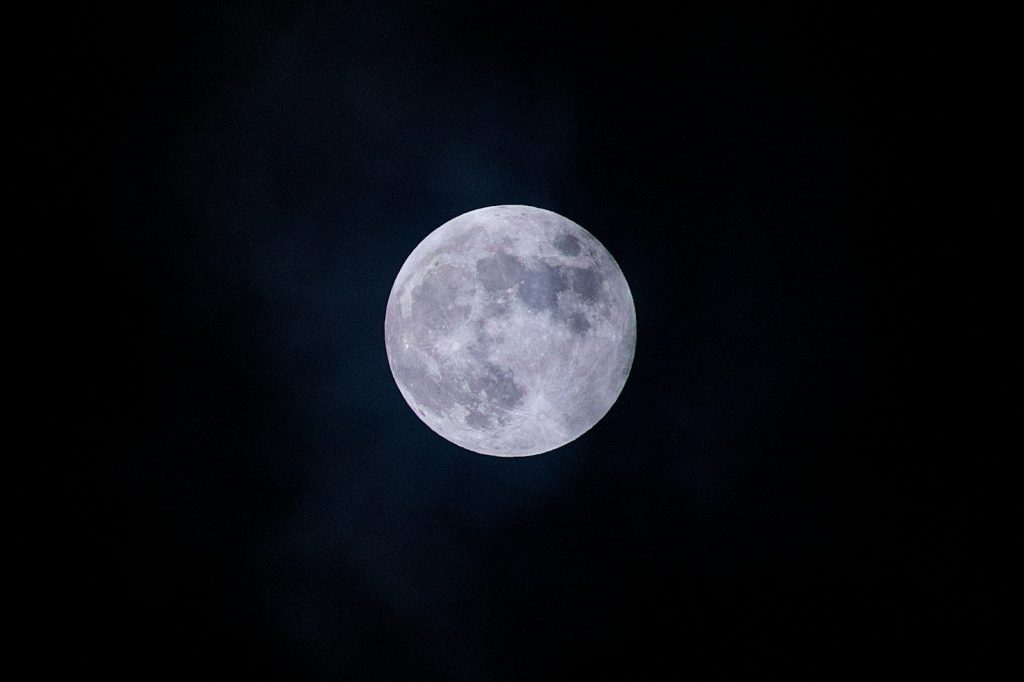
Our peaceful moon is the direct result of a terrifying cosmic collision that nearly destroyed our young home. It is our permanent companion. According to space scientists, we owe our very existence to this ancient planetary neighbor. This article is for informational purposes only.
Featured Image: Photo by Javier Miranda on Unsplash
Leave a Reply