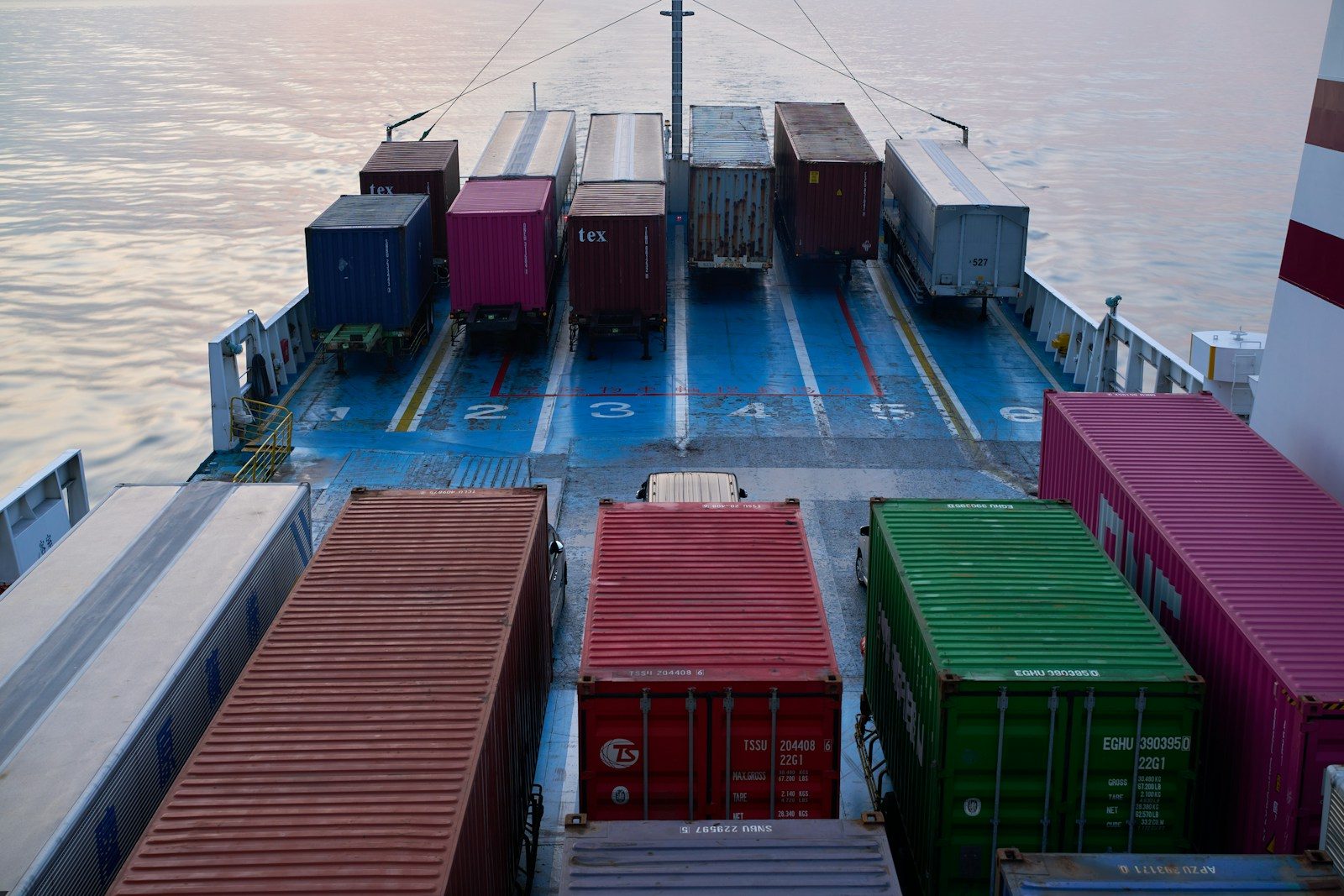
Most people assume that global trade flows freely across the vast and open oceans. We believe that modern technology has made our supply chains indestructible.
But a single point of failure could bring the global economy to a sudden halt. The entire system relies on a few fragile bottlenecks and deep-sea cables.
The Vulnerable Arteries
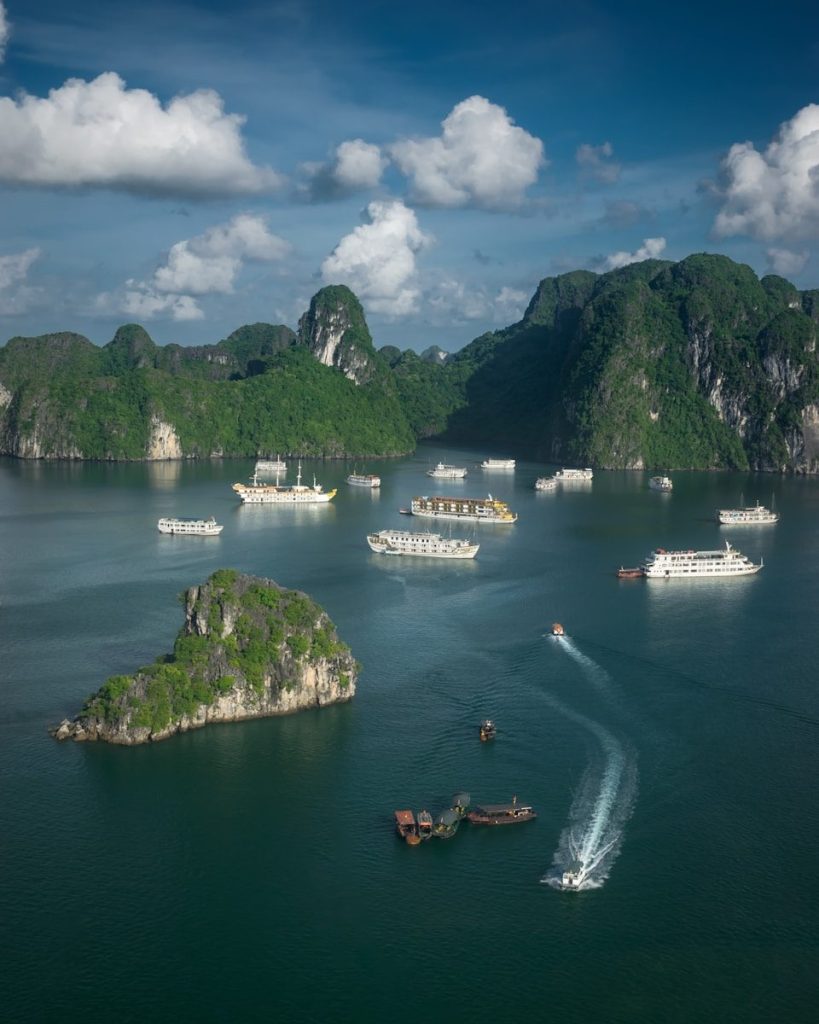
A massive portion of global trade passes through a few extremely narrow waterways. These maritime shipping channels are known as chokepoints. According to reports from the World Bank, over twelve percent of global trade flows through the Suez Canal alone. It is incredibly crowded. A minor disruption here can trigger a massive global crisis.
The Silent Sea Cables
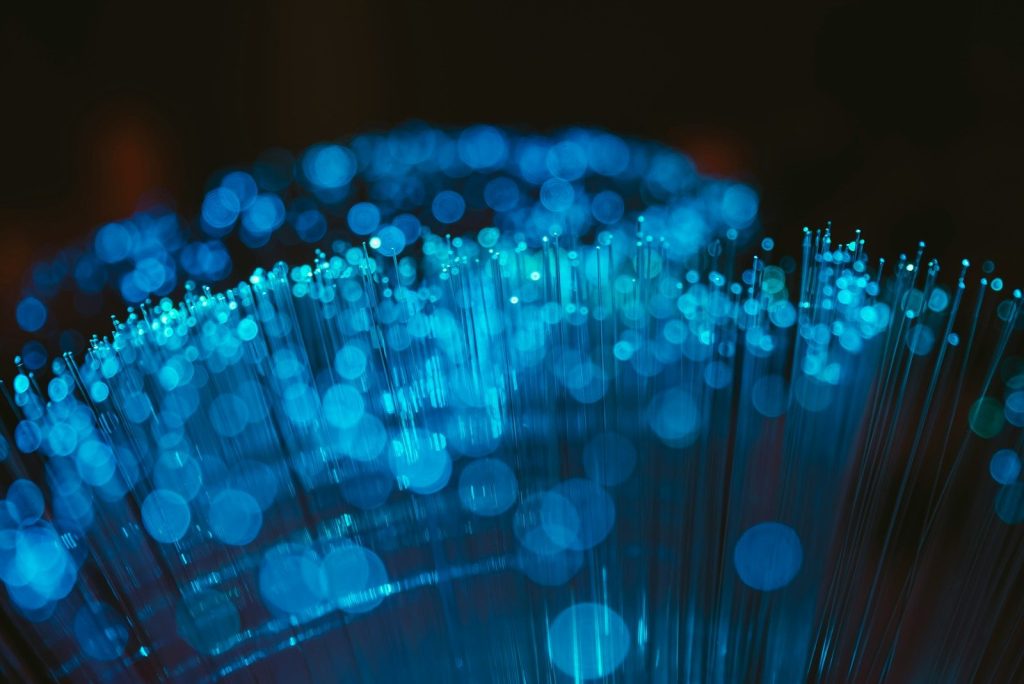
While ships carry physical goods, the global financial system relies entirely on underwater internet cables. These thin lines lay exposed on the ocean floor across thousands of miles. According to telecom researchers, these cables transmit over ninety-nine percent of international digital data. They are highly fragile. Cutting just a few of these lines would cause immediate chaos.
The Threat Of Sabotage
A deliberate attack on these key cables could shut down global stock markets instantly. Finding and repairing a deep-sea cut requires highly specialized ships and weeks of work. According to defense analysts, modern navies are deeply concerned about the lack of cable security. The danger is real. Yet, securing these vast underwater networks is nearly impossible.
The Panama Canal Crisis

Man-made chokepoints are also highly vulnerable to the shifting forces of nature. The Panama Canal relies entirely on fresh water from a nearby lake to operate its massive lock systems. According to the Panama Canal Authority, recent droughts have severely restricted the number of daily transits. Ships are waiting. This environmental bottleneck is forcing companies to find alternative routes.
The Cost of Redirection
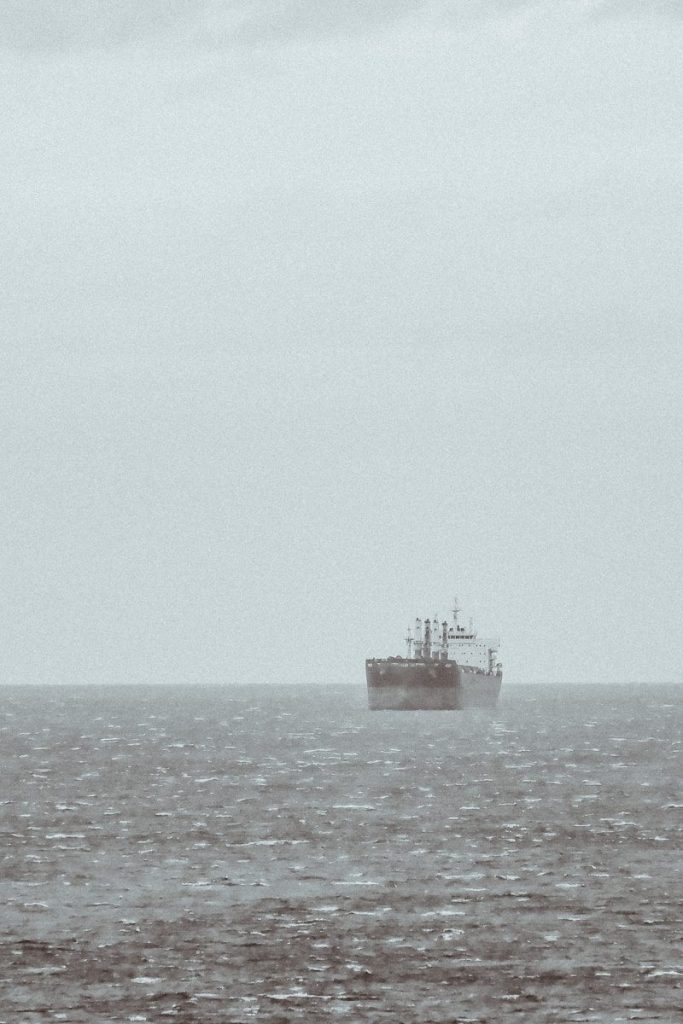
Sailing around these vulnerable chokepoints adds thousands of miles and weeks to a journey. This longer route burns massive amounts of extra fuel and drives up shipping costs. According to maritime logistics experts, these delays quickly lead to empty store shelves worldwide. Prices are surging. This demonstrates how fragile our hyper-efficient supply chains have become.
Redesigning The System
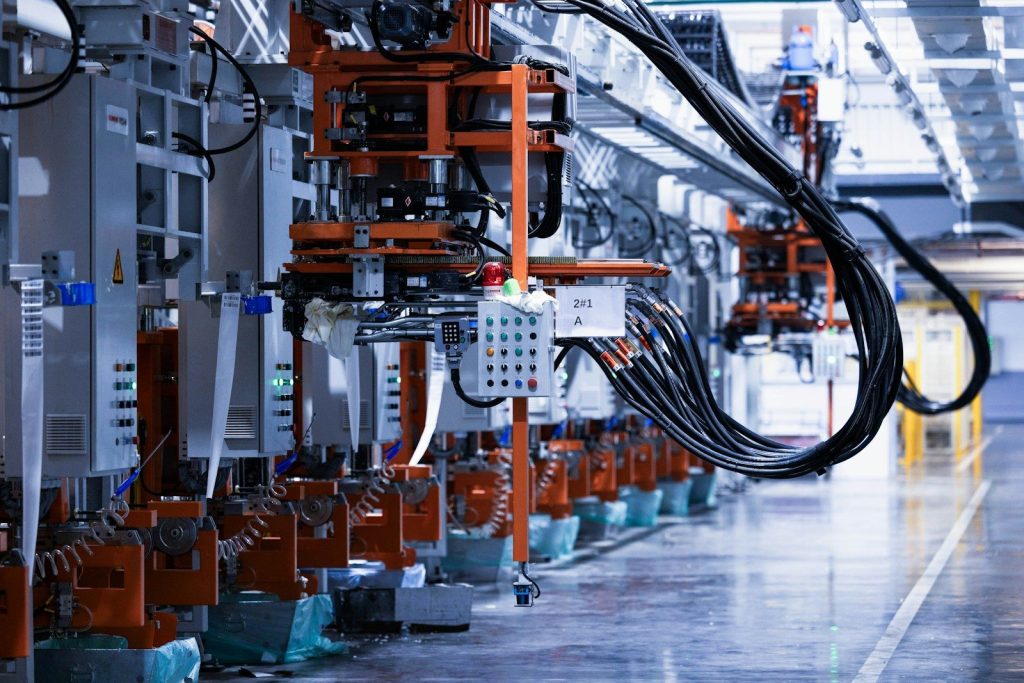
To protect against these vulnerabilities, companies are beginning to shift production closer to home. This strategy is known as nearshoring and aims to shorten supply chains. According to a study by McKinsey, building regional networks reduces the risk of global chokepoint failures. The transition is slow. But it may be the only way to secure our future.
A Fragile Balance
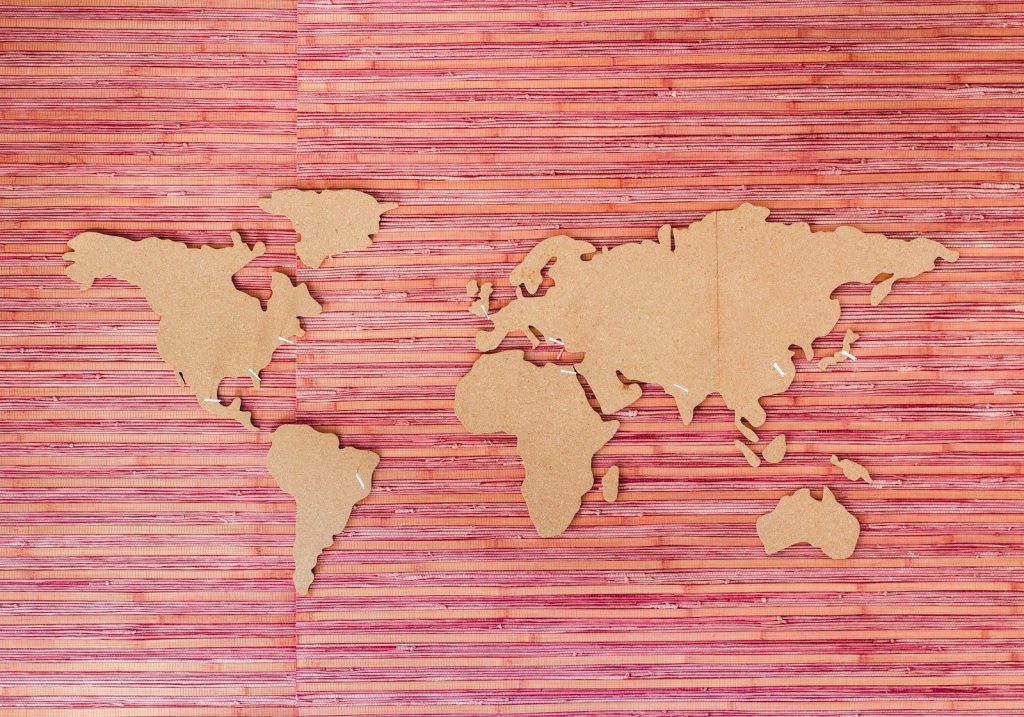
Our modern way of life depends on a highly complex and delicate global network. Understanding these hidden vulnerabilities is the first step toward building a more resilient world. We must adapt. According to system engineers, we must protect these vital arteries to avoid a total systemic collapse. This article is for informational purposes only.
Leave a Reply