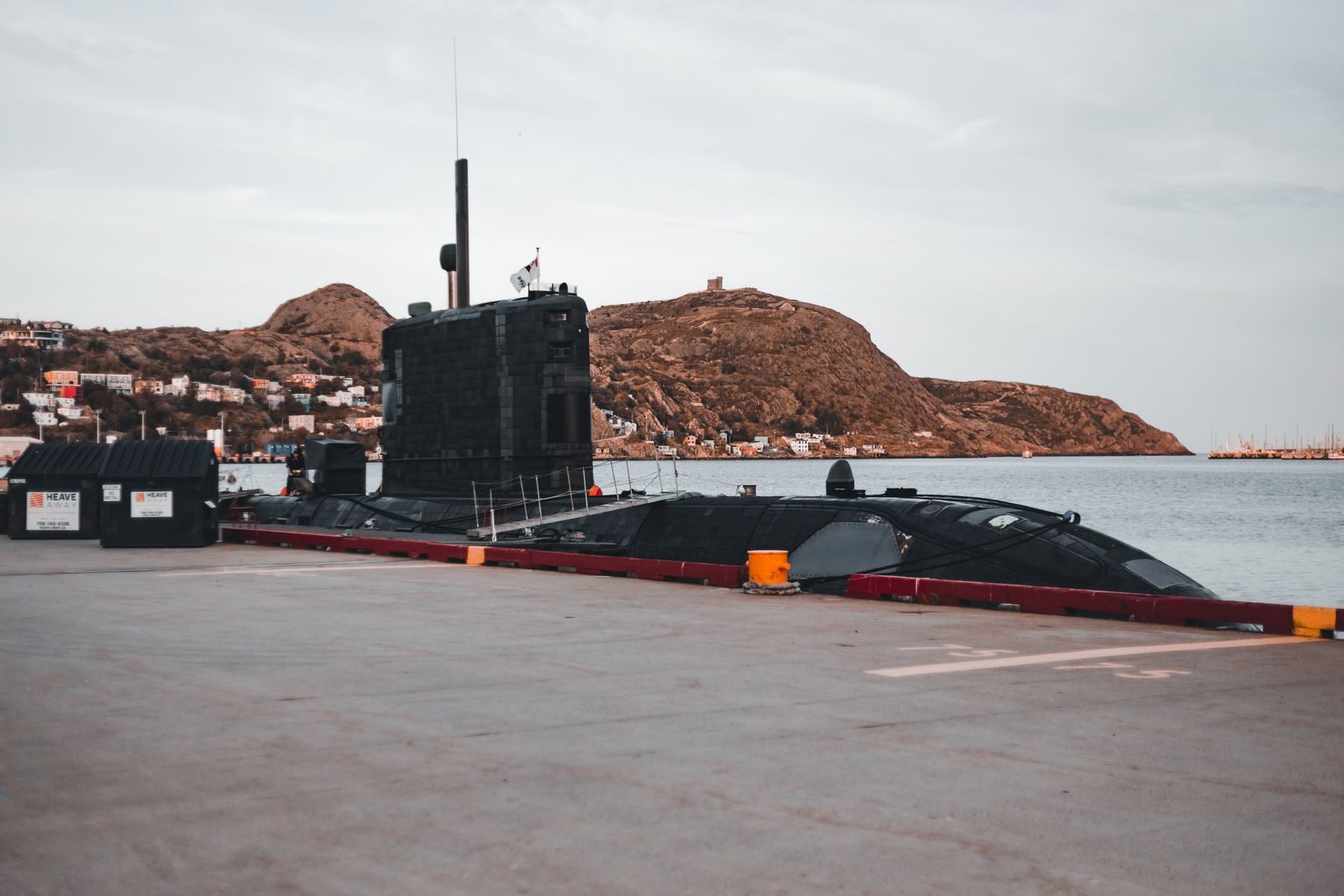
We imagine the deep ocean as a silent and completely private sanctuary. We assume submarines can easily glide through the dark waters without being seen.
But an advanced network of deep-sea sensors is changing naval warfare forever. This invisible acoustic web makes hiding in the dark virtually impossible.
The Great Wall Undersea
A massive project is quietly deploying thousands of high-tech sensors across the seabed. This electronic network is designed to monitor submarine activity in real time. According to marine defense analysts, the system acts like a giant security camera under the waves. It is highly advanced. But the technology behind these ears is the real marvel.
Listening To The Abyss
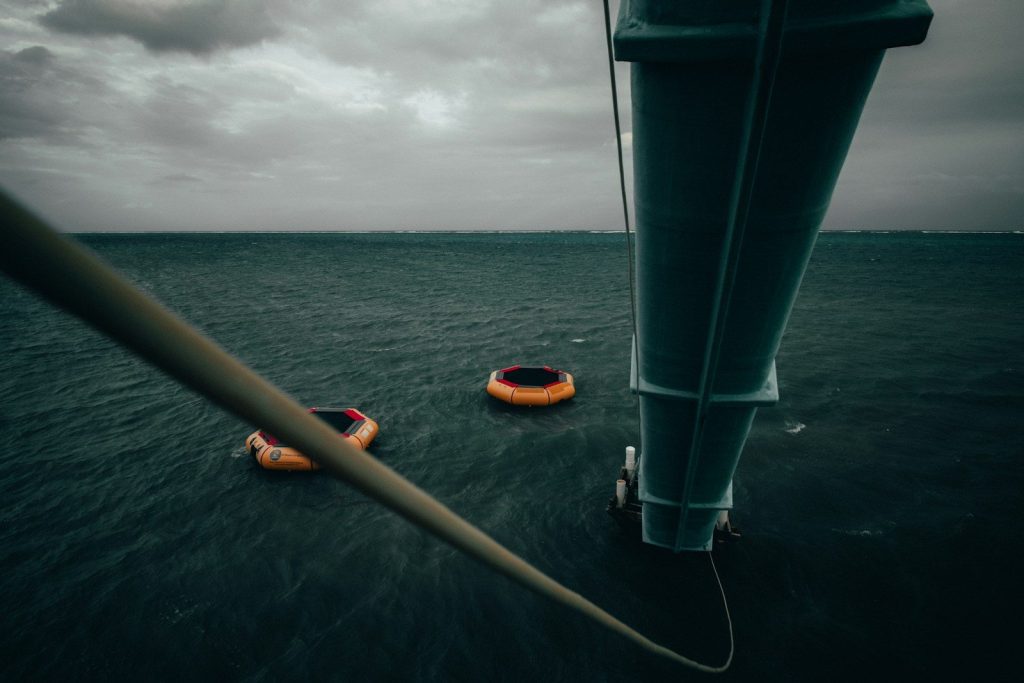
The network relies on highly sensitive underwater microphones called hydrophones. These devices detect the tiny vibrations and humming noises made by passing vessels. According to technical reports, the sensors can identify a submarine type by its unique acoustic signature. The precision is terrifying. But sending this data back to the surface was a major challenge.
Fiber Optic Nervous System
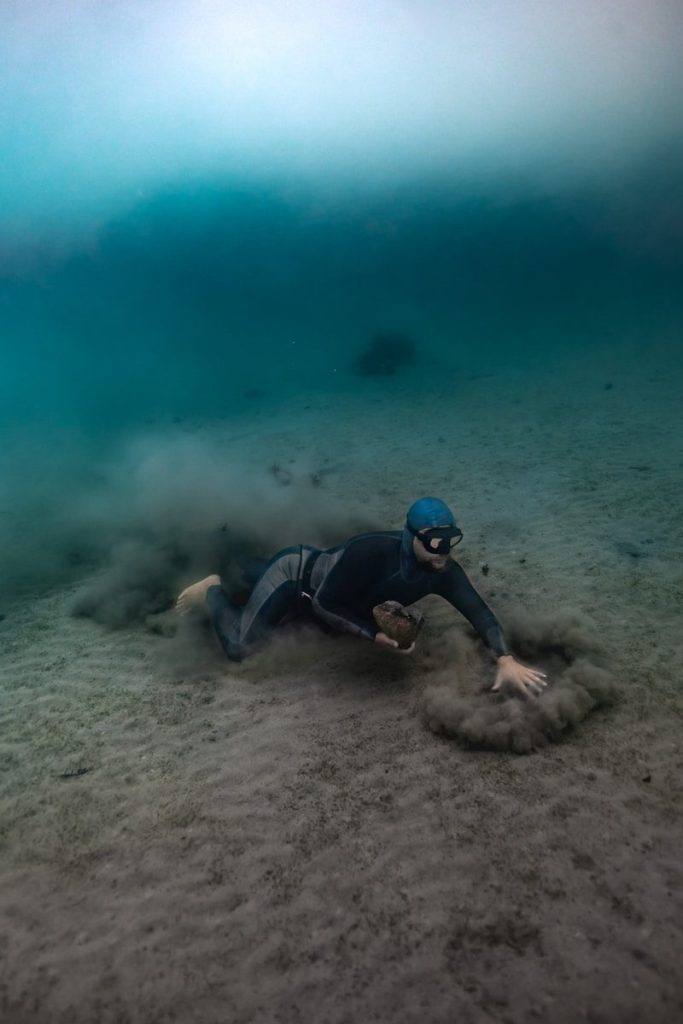
Deep-sea cables carry these acoustic signals instantly back to massive land-based processing centers. These cables must withstand extreme pressure and freezing temperatures at the bottom of the ocean. According to oceanographers, the network forms a digital nervous system stretching across thousands of miles. The scale is immense. This data is then fed into a highly complex brain.
Powered By Intelligence
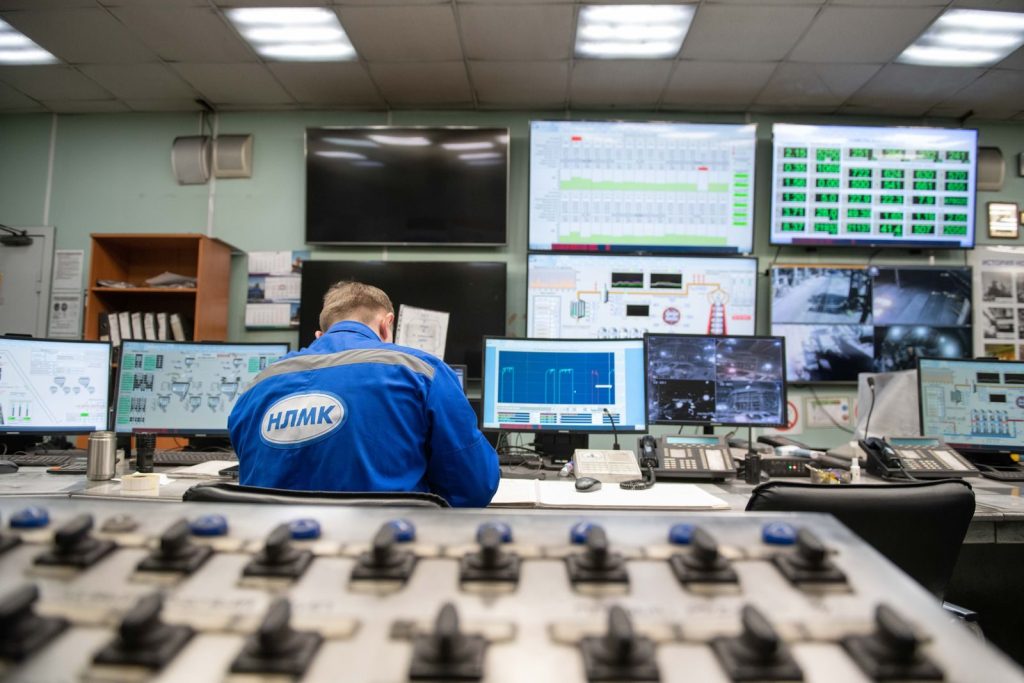
Processing thousands of hours of ocean noise requires advanced artificial intelligence algorithms. The software must filter out the sounds of whales, earthquakes, and ship engines. According to military technology experts, the AI can pinpoint a target within a few yards. It works flawlessly. However, this silent net is causing unexpected ecological issues.
Deafening The Deep
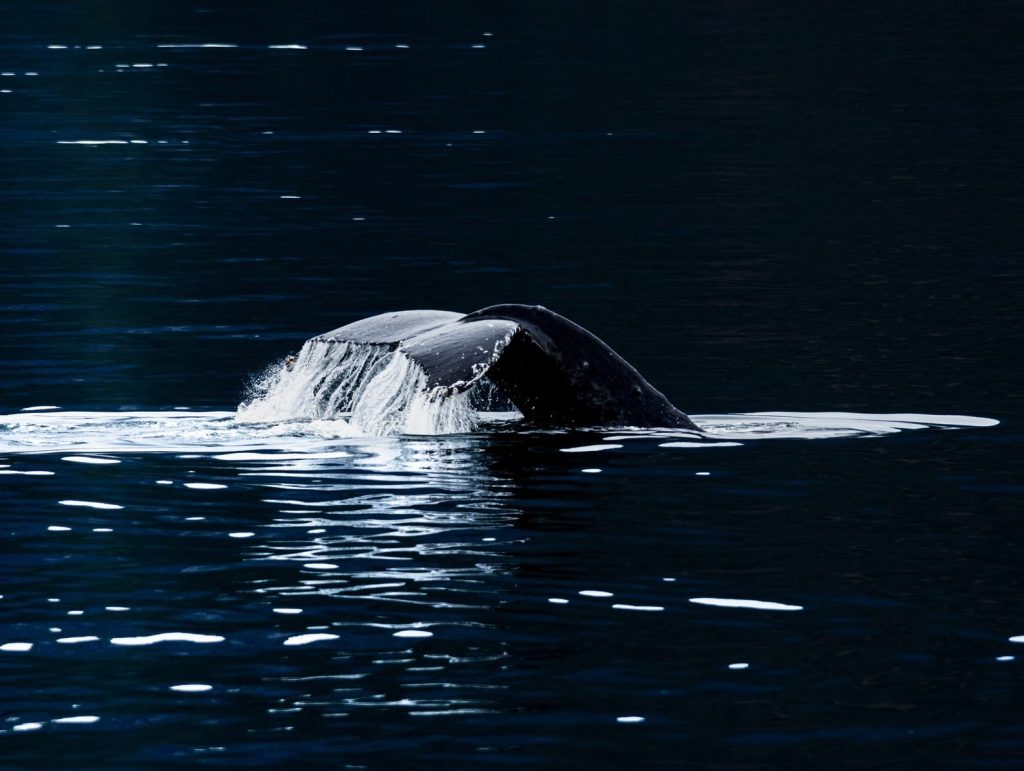
The active sonar pulses emitted by these systems can be highly destructive to marine life. The loud sound waves disrupt the navigation and communication systems of whales and dolphins. According to marine biologists, these high-energy waves can cause physical injury to deep-sea creatures. They are suffering. This has sparked a quiet battle between environmentalists and engineers.
The Next Frontier
As technology advances, these undersea nets are becoming entirely autonomous. Small robotic drones are now being deployed to patrol the gaps between fixed sensors. According to research from the International Institute for Strategic Studies, the era of manned submarine stealth is rapidly ending. The sea is crowded. This leaves naval commanders with a difficult tactical puzzle.
A Glass Ocean

The deep ocean is no longer a safe hiding place for military vessels. Cutting-edge sensor technology has turned the dark abyss into a transparent environment. The world is changing. According to military historians, this surveillance shift will fundamentally rewrite the rules of global sea power. This article is for informational purposes only.
Featured Image: Photo by Erik Mclean on Pexels
Leave a Reply