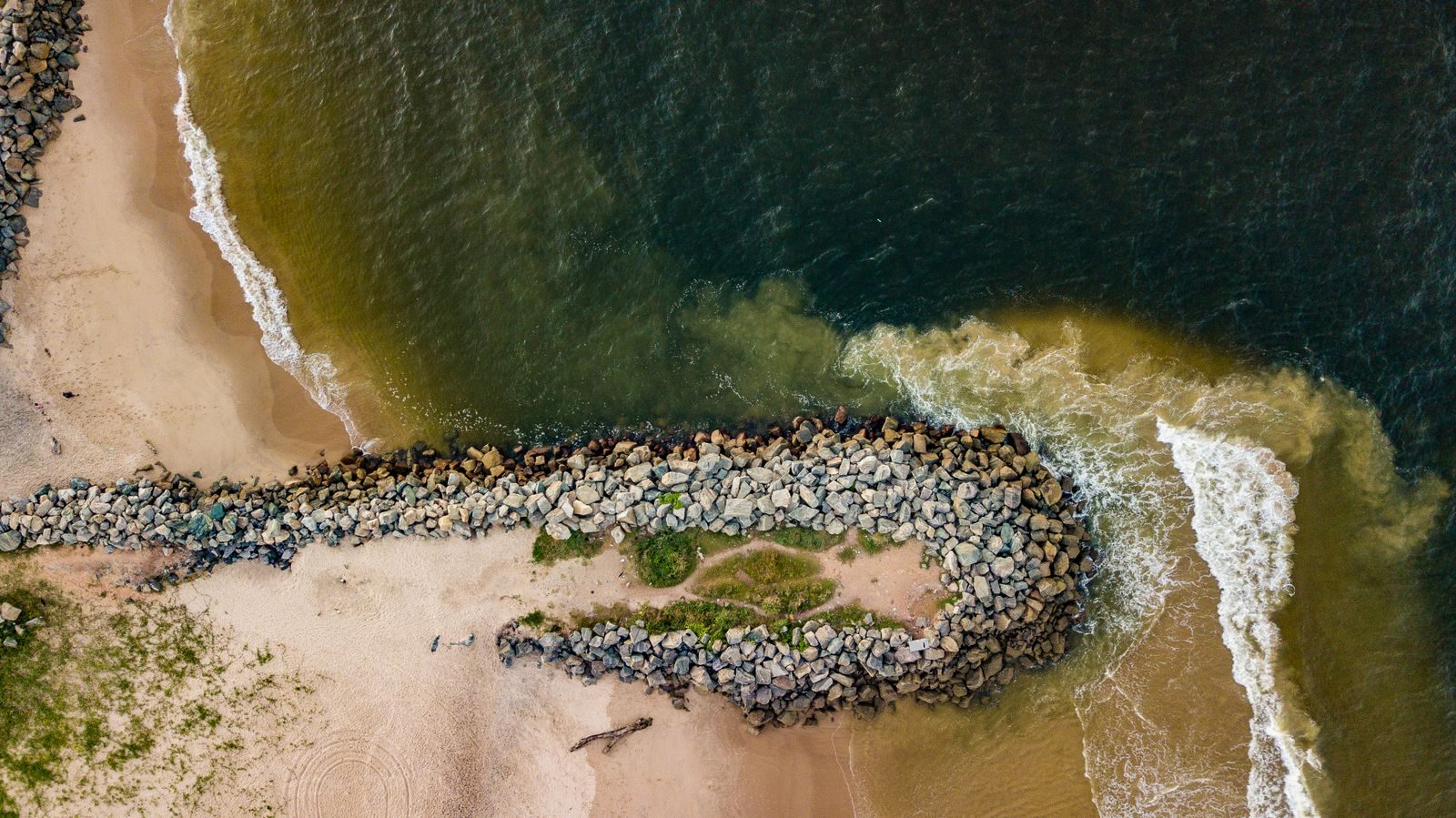
Humanity has always believed that we can conquer the natural world. We assume our greatest engineering feats can withstand the test of time.
But a massive network of artificial islands is slowly proving us wrong. The ocean is quietly taking back what engineers tried to steal.
The Dream Of Sand
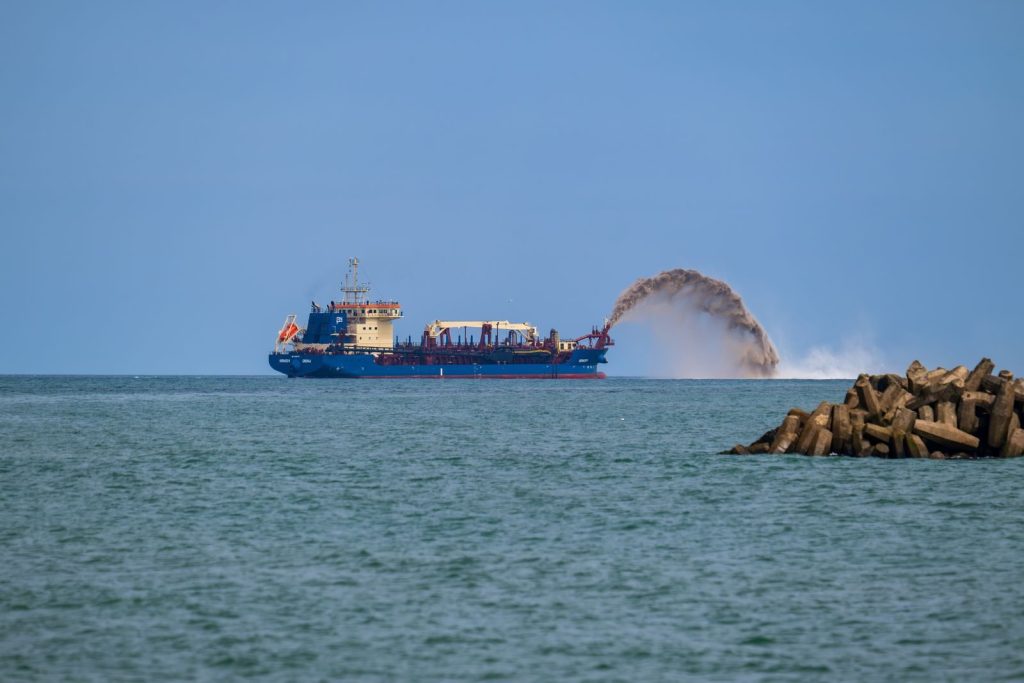
Engineers used massive ships to spray millions of tons of sand onto the Persian Gulf. They wanted to build a luxury archipelago shaped like the entire globe. According to reports from NASA, these artificial structures were visible from space. It was truly massive. But the ocean had its own plans for the newly constructed land.
The Constant Erosion
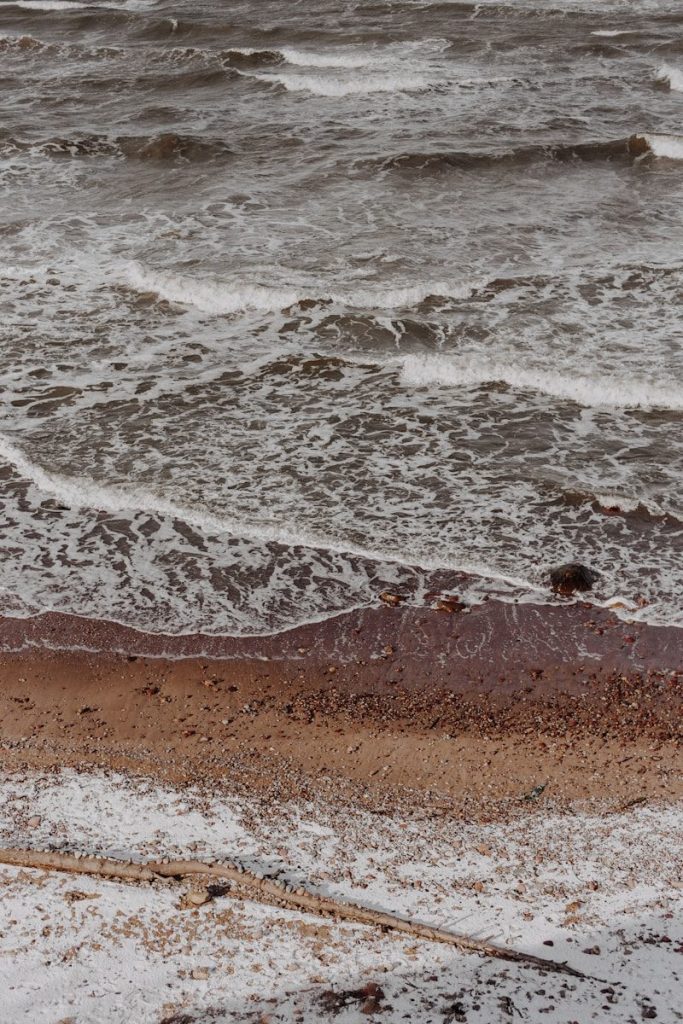
The Persian Gulf has incredibly powerful waves and changing currents. These natural movements slowly wash away the loose sand back into the deep water. According to geological studies, the islands require constant dredging to stay above the surface. Nature never stops. This endless maintenance became a financial nightmare for the developers.
Sinking Under Weight
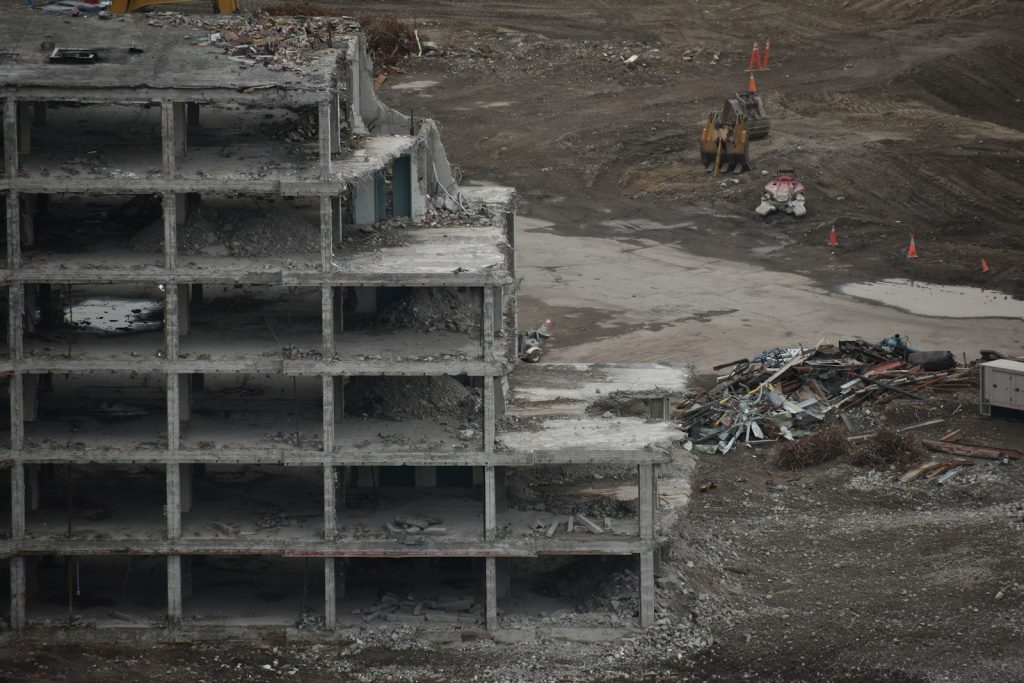
Building massive luxury hotels on loose sand presents a terrifying structural hazard. The heavy foundations cause the sand beneath to slowly pack together and settle. According to research by the European Geosciences Union, parts of the archipelago are sinking into the sea. The ground is unstable. This shifting soil is creating a massive crisis for builders.
Stagnant Water Trap
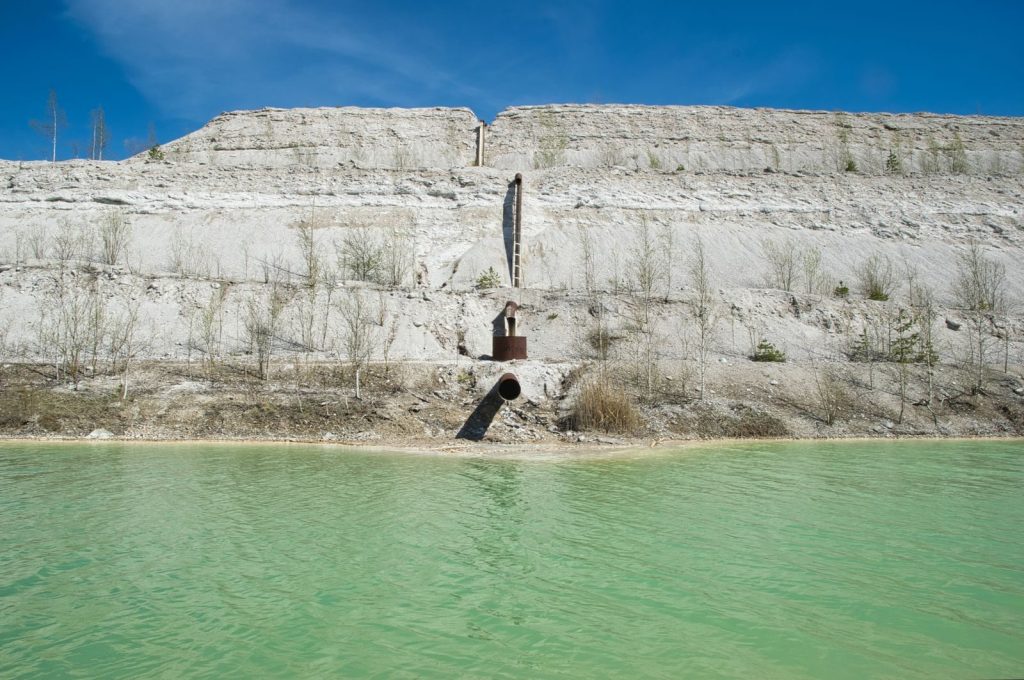
The unique circular breakwaters designed to protect the islands blocked natural ocean currents. This design choice stopped fresh water from circulating through the internal channels. According to marine biologists, the stagnant water quickly turned into a toxic mud trap. It was a disaster. This biological decay began to threaten the local sea life.
The Coral Crisis
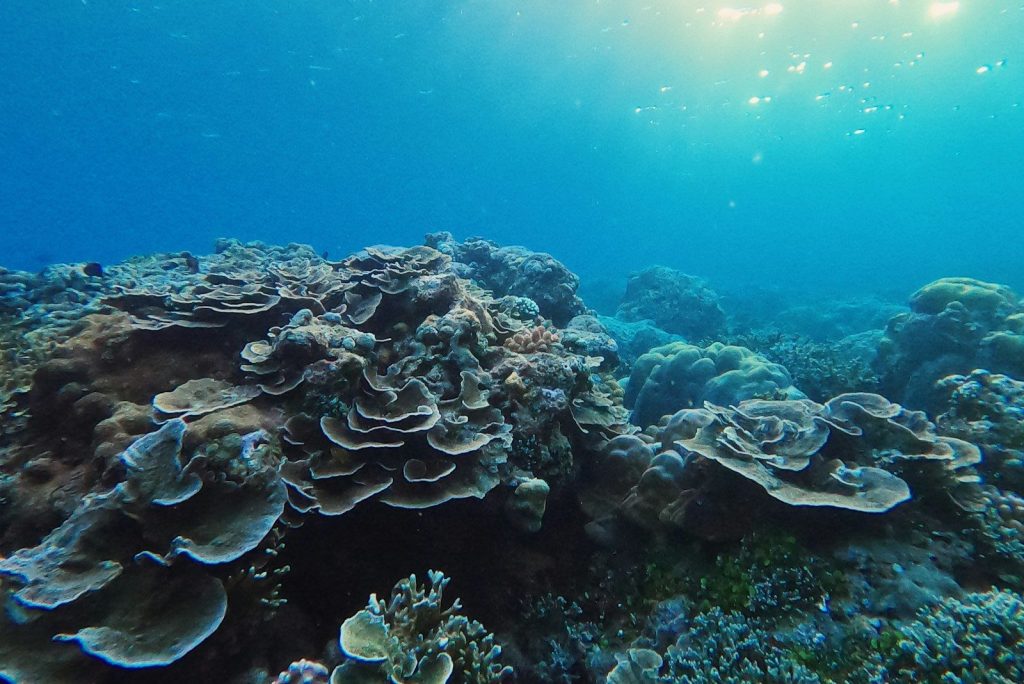
The massive dredging operations kicked up millions of tons of fine silt. This floating dust settled over the seafloor and suffocated the local reefs. According to reports from the World Wildlife Fund, the construction destroyed vast areas of ancient marine habitats. Life was wiped out. Yet, the developers still had to face another silent enemy.
Rising Ocean Levels
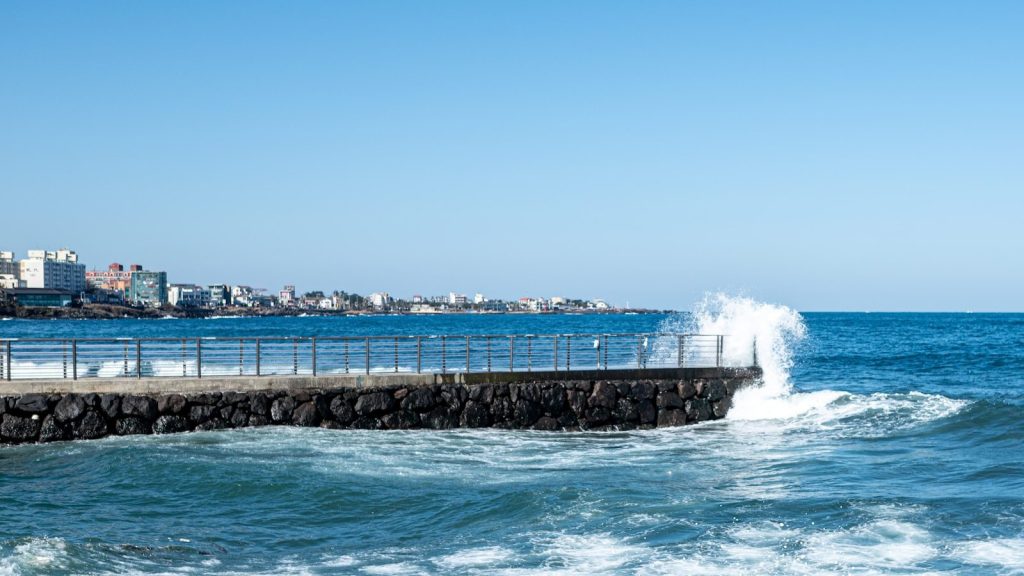
Global warming is causing sea levels to rise much faster than builders predicted. This trend is threatening to submerge the low-lying sand structures entirely within decades. According to climate scientists at the United Nations, even small rises will cause massive flooding on artificial coastlines. Time is running out. This leaves the entire multi-billion dollar project in jeopardy.
Nature Wins Again
The struggle to maintain these artificial islands proves that nature cannot be easily bought. Mega-projects must work with natural forces rather than trying to overpower them. We are learning slowly. According to environmental experts, the sea will always find a way to reclaim its territory. This article is for informational purposes only.
Featured Image: Photo by Jr Tavares on Pexels
Leave a Reply