We picture the prehistoric world as a land dominated by massive dinosaurs or towering green forests. Most people believe that plants have always been the tallest living things on land.
But long before trees ever existed, a bizarre and unexplained organism ruled the planet. This colossal monster reached heights of nearly thirty feet and baffled modern scientists for over a century.
Towering Over The Landscape
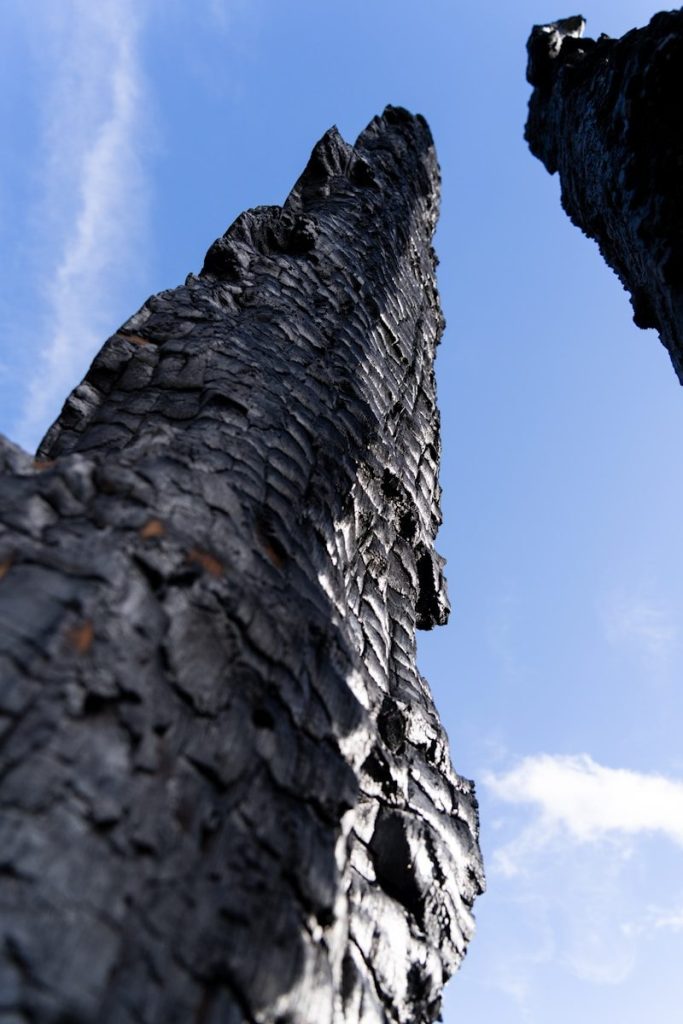
In a silent world populated only by tiny mosses and primitive insects, one giant structure stood tall. This massive pillar dominated the barren prehistoric continents. According to reports from the National Museum of Natural History, this ancient organism was up to three feet wide and stood twenty-six feet high. It was absolutely massive. But identifying this strange living pillar would spark a bitter scientific war.
The Conifer Confusion
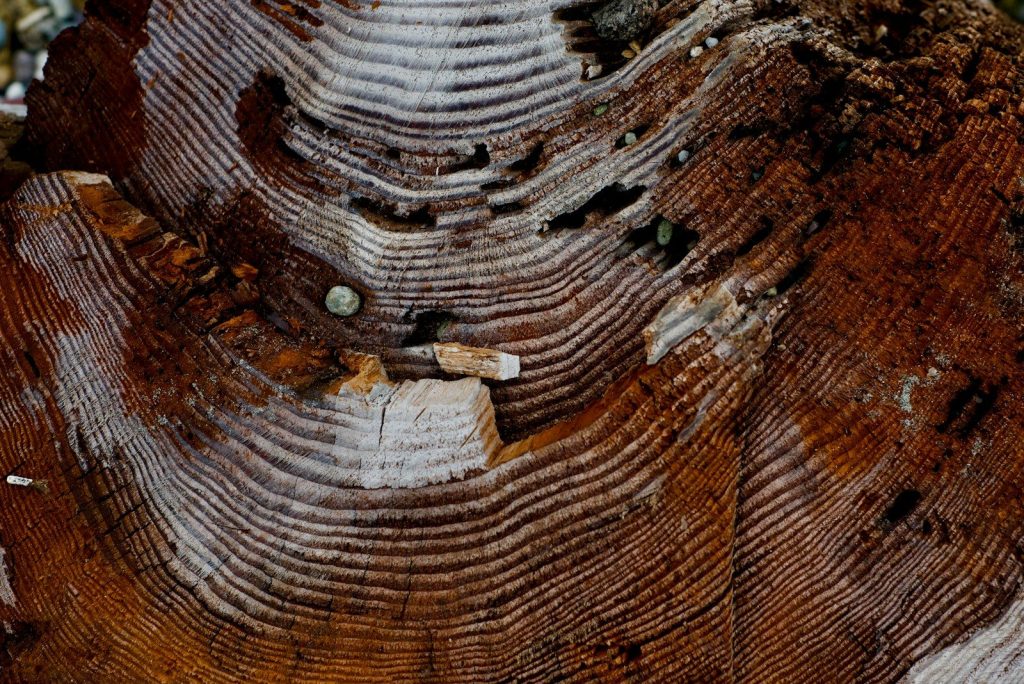
Early fossil hunters who found the giant trunks assumed they were looking at ancient pine trees. The fibrous texture strongly mirrored fossilized wood. According to historical archives from the Geological Survey of Canada, early geologists officially classified the find as a primitive conifer. The explanation seemed perfect. However, closer inspection of the cell structure revealed a highly unsettling truth.
No Leaves Or Roots

Under a high-powered microscope, the fossilized trunk showed no signs of standard plant anatomy. The organism lacked leaves, rings, or water-transporting vessels. According to paleobotanists at the University of Chicago, the cellular tube structure looked completely alien compared to any known prehistoric plant. It was a ghost. This shocking realization sent researchers scrambling to find a new identity for the beast.
The Giant Fungus Theory

A controversial new theory suggested that the towering pillar was actually a colossal prehistoric mushroom. This idea seemed impossible to many traditional scientists. According to a landmark study in the journal Geology, chemical testing of the fossils confirmed the organism belonged to the fungus kingdom. The theory was correct. But this created an even larger mystery for evolutionary biologists.
An Underground Network
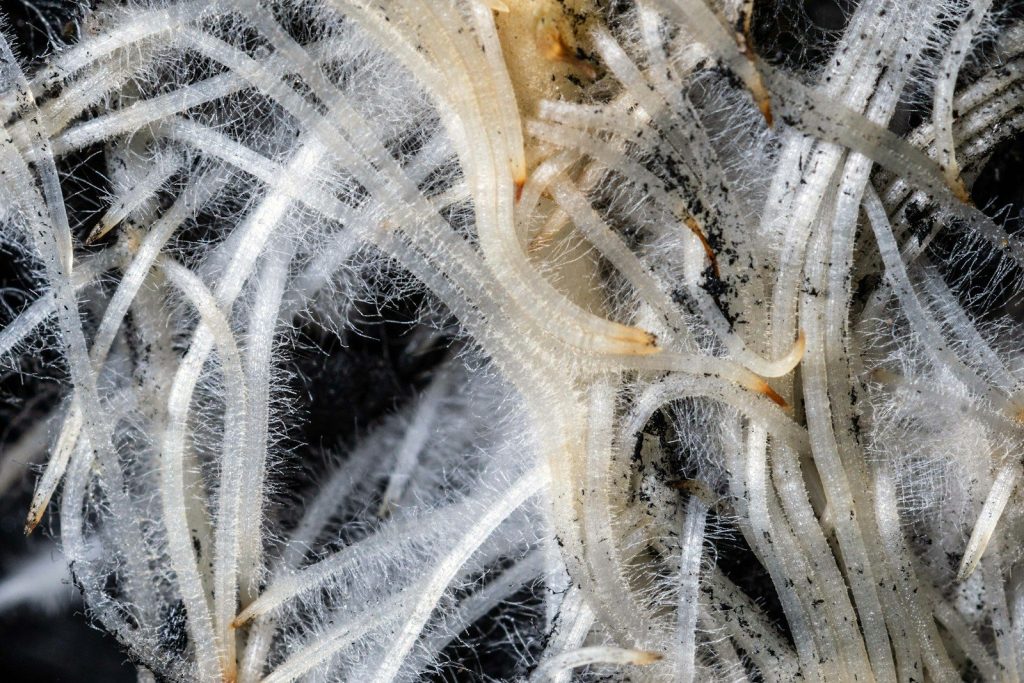
To grow so large, this monster fungus, named Prototaxites, had to consume massive amounts of organic matter. It had no leaves to absorb energy from sunlight. According to soil researchers at the University of Kansas, the organism likely utilized a massive underground network of root-like threads to absorb nutrients from rotting soil. It was highly efficient. Yet, this giant fungal empire was about to face a deadly new rival.
The Rise Of Trees
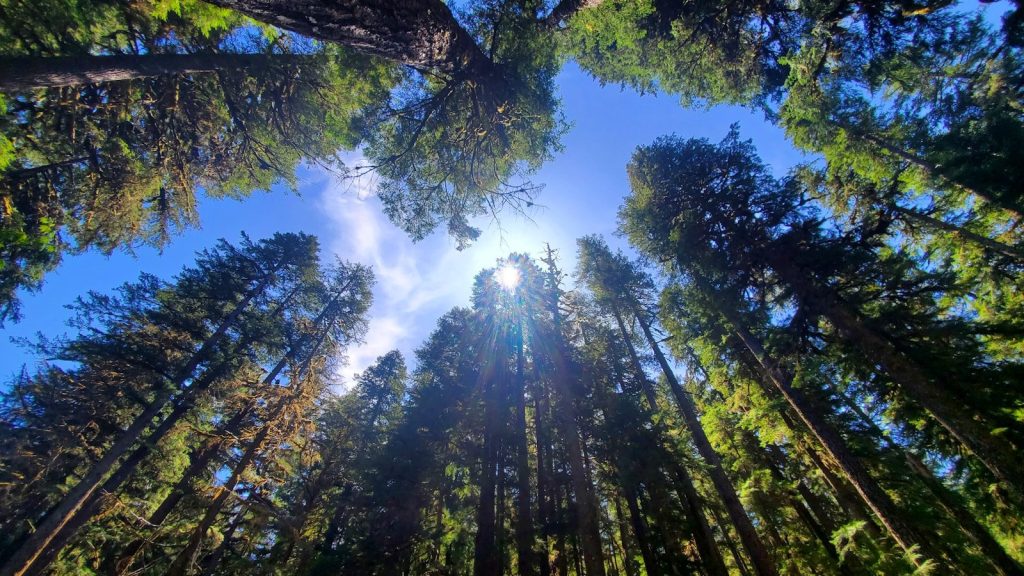
As millions of years passed, early land plants began developing deep roots and vascular systems. These new biological systems allowed plants to grow taller and block out the sun. According to evolutionary studies from the University of Bristol, the rapid rise of actual trees stripped the giant fungus of its resources. The giant slowly faded. But this ancient giant left behind a permanent mark on our planet.
Ancient Earth Giants

The era of the giant mushrooms shows how wildly different prehistoric ecosystems were. Nature explored bizarre evolutionary designs long before modern forests or animals ever appeared. According to paleobiologists, studying these lost giants helps us understand the extreme limits of life on Earth. It is a humbling story. This article is for informational purposes only.
Leave a Reply