Most people believe that extinction is a permanent lock that can never be broken. We assume that once a species vanishes from our planet, it is gone forever.
But cutting-edge genetic science is preparing to bring back one of history’s most unusual hunters. This striped predator is about to walk the earth once again.
The Vanishing Of A Legend
The Tasmanian tiger was a unique marsupial predator with stripes like a wild cat. According to historical records from the Tasmanian Museum, the last known specimen died in captivity in nineteen thirty-six. Humans wiped them out. For decades, scientists believed this amazing creature was lost to the deep past forever. But a major genetic breakthrough was quietly waiting in museum archives.
Secrets In The Preserved Jar

Researchers recently discovered a remarkably well-preserved specimen stored in a forgotten museum collection. According to reports from the University of Melbourne, this genetic sample was preserved in alcohol for over a century. The DNA was intact. This pristine material allowed scientists to map the predator’s entire genetic code with incredible accuracy. But reconstructing a dead species requires more than just a map.
Editing The Code Of Life

To bring this hunter back, scientists must edit the genes of a living relative. According to biotechnology research from the Colossal Biosciences team, the fat-tailed dunnart is the closest living genetic match. They are tiny creatures. Scientists are using gene-editing tools to slowly transform these living cells into predator DNA. But this microscopic work is only the first phase of the plan.
Creating The First Embryo

Once the genetic sequence is corrected, researchers must grow the cells into a living embryo. According to developmental biology studies from Harvard University, scientists use artificial wombs to nurture these custom cells. The process is highly complex. Nurturing a marsupial embryo requires incredibly precise chemical and temperature control. But growing the animal is only half the battle.
Rebuilding The Ancient Wild
A resurrected predator cannot survive without a balanced ecosystem to call home. According to environmental impact surveys from the Australian government, scientists are already selecting isolated islands for wild release. The habitat is perfect. This careful preparation ensures the new tigers will have plenty of food and space to thrive. But this release could have a massive impact on other species.
Restoring The Balance Of Nature
Reintroducing a top predator can actually heal damaged wilderness areas by controlling smaller pests. According to ecological reports from the World Wildlife Fund, apex predators keep entire animal populations healthy. They are crucial for balance. This return could help stop the spread of invasive species that currently destroy local grasslands. But this scientific triumph also raises serious ethical questions.
Redefining Life And Death
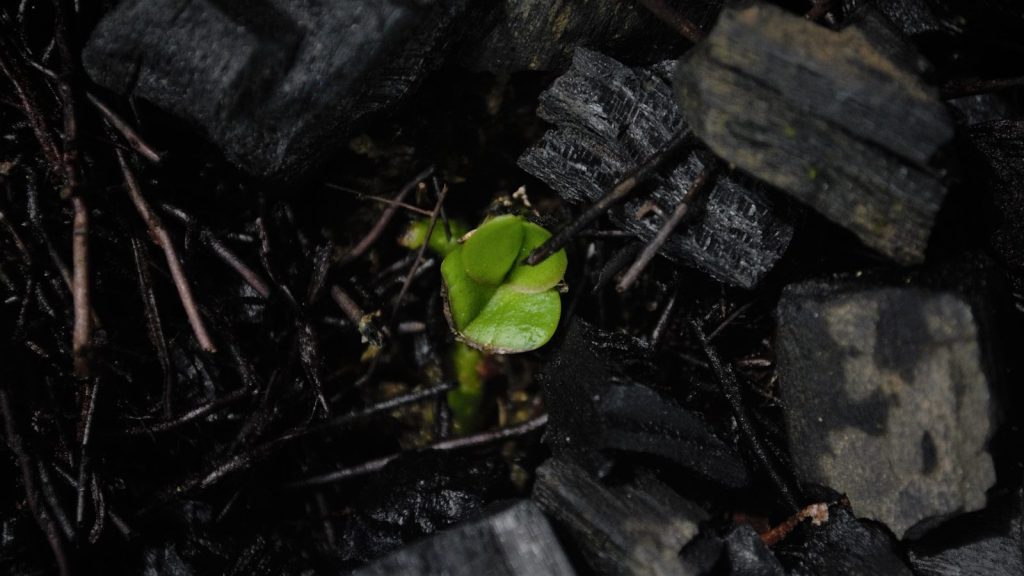
Bringing back the Tasmanian tiger will change how humans view our responsibility to nature. Extinction is changing. According to conservation researchers, using biotechnology to repair past mistakes offers a new way forward for our planet. This article is for informational purposes only.
Featured Image : Photo by Mike Norris on Pexels
Leave a Reply