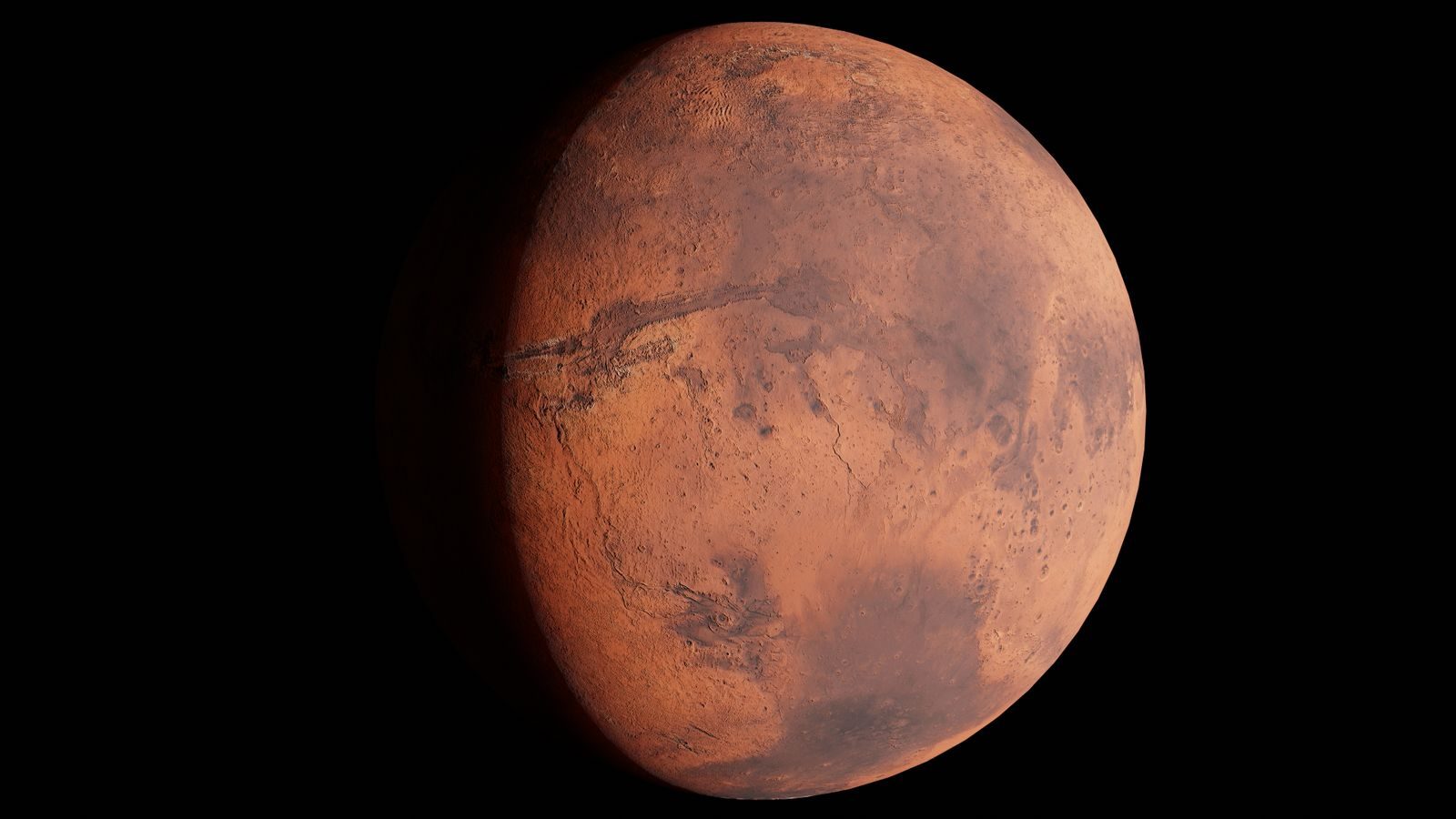
Most people view Mars as a freezing, bone-dry desert that has always been completely lifeless. We assume its dusty red landscape has never experienced anything like Earth’s dynamic weather systems.
But stunning new imagery captured by robotic orbiters shows a deeply complex history frozen in the soil. These features reveal that the planet once had a highly active, watery past.
The Giant Channels Of Erosion
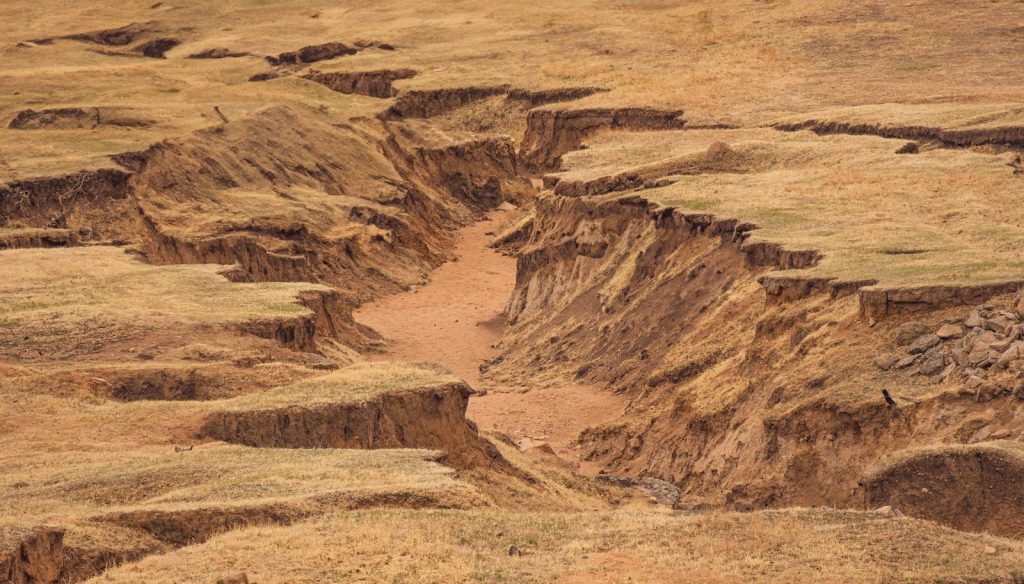
Massive canyons crisscross the southern highlands of the red planet, dwarfs compared to anything on Earth. According to geological analysis from the European Space Agency, these deep cuts were formed by raging rivers billions of years ago. Water carved these paths. The sheer scale of these ancient channels suggests a time of heavy rains and flooding. But these grand canyons are not the only evidence of liquid water.
Ripples Frozen In Ancient Stone
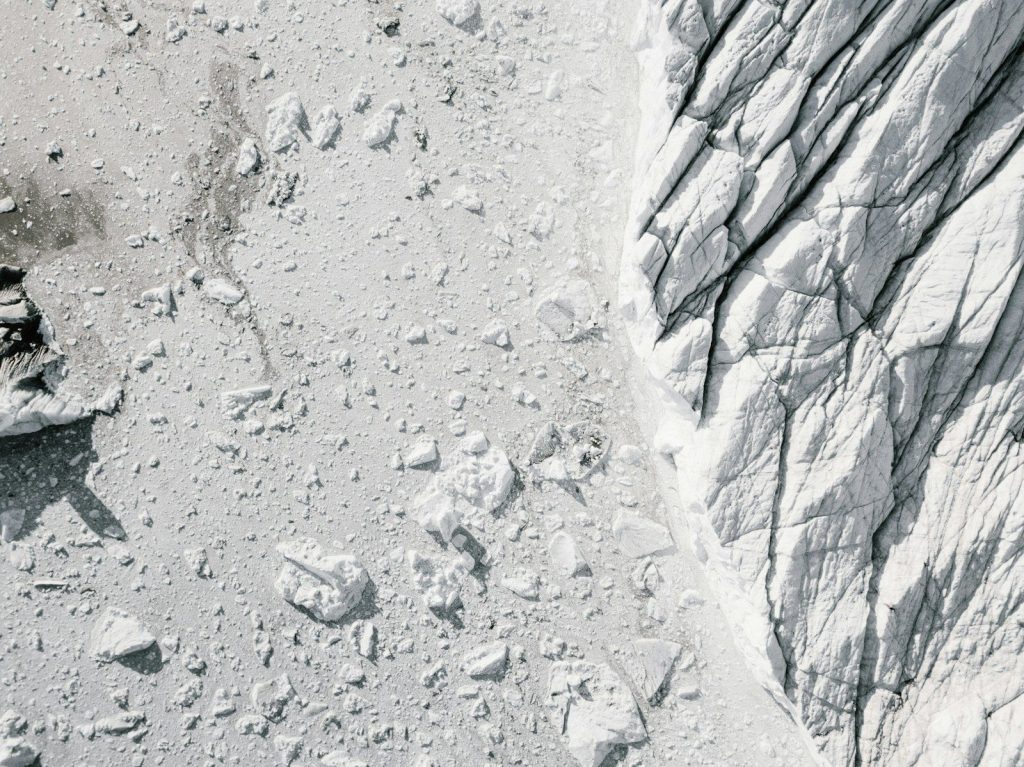
Robotic rovers exploring low basins have photographed tiny, undulating patterns in the bedrock. According to sedimentary studies from the NASA Jet Propulsion Laboratory, these delicate lines are fossilized lakebed ripples. They are perfectly preserved. These stone waves prove that calm, shallow lakes once covered vast expanses of the Martian surface for thousands of years. But the source of this ancient water remains a puzzle.
The Giant Ice Sheets Under Soil
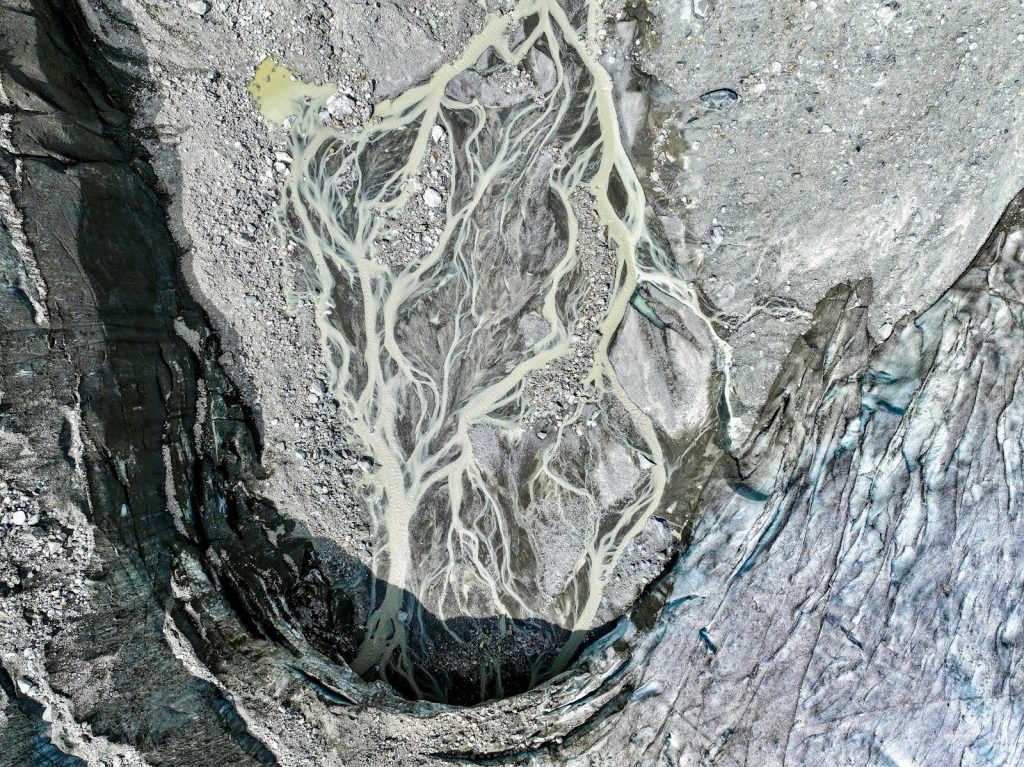
While liquid water cannot exist on the freezing Martian surface today, it has not vanished entirely. According to radar data from the University of Arizona, massive sheets of water ice are hiding just inches beneath the dusty topsoil. The ice is immense. This hidden planetary reservoir holds enough frozen water to fill whole terrestrial seas if melted. But this underground ice also holds clues to Mars’ changing climate.
The Slow Shift In Planetary Tilt

Over millions of years, the gravitational pull of larger planets has repeatedly shifted the tilt of Mars. According to astronomical models from the Paris Observatory, this erratic wobble caused dramatic atmospheric changes. Seasons became incredibly extreme. During warmer eras, ice at the equator melted and formed temporary streams across the landscape. But these temporary flows left behind a distinct chemical signature.
Strange Salt Trails In The Dust
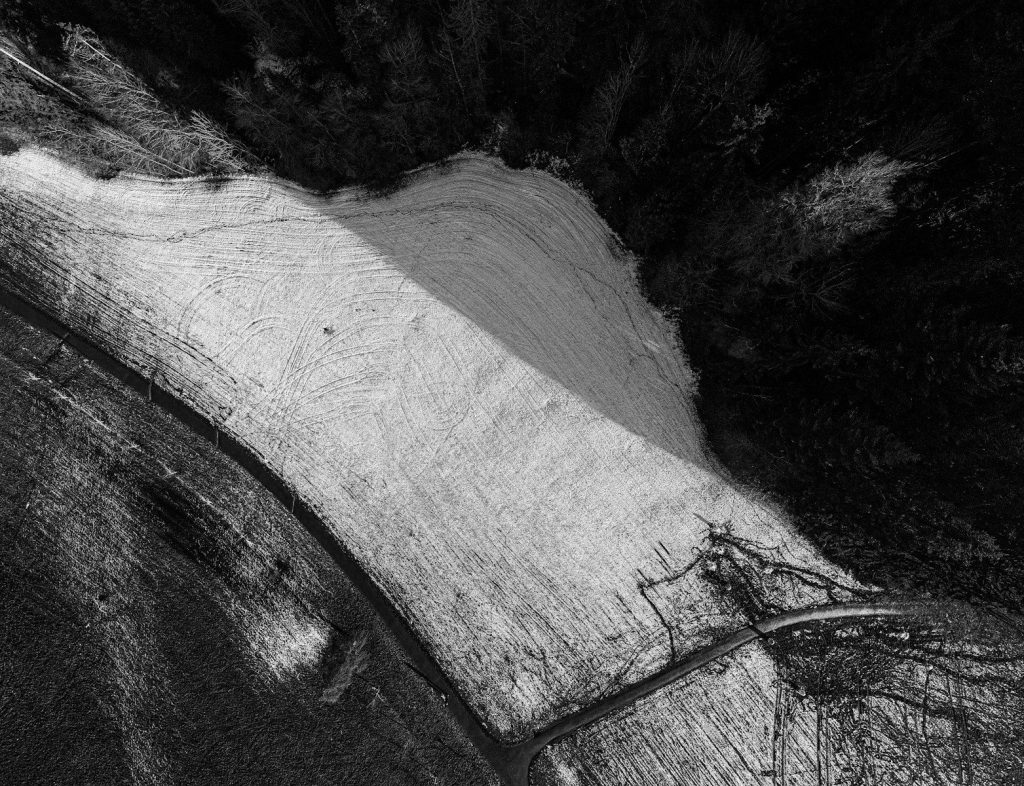
Satellite cameras have captured dark streaks flowing down steep crater walls during the warmest summer months. According to chemical analysis from the California Institute of Technology, these shifting lines are deposits of hydrated salts. This is liquid brine. This salty water can remain liquid in sub-zero temperatures, keeping hope alive for underground biological activity. But finding active signs of life requires looking even closer.
Clues Hiding In Mineral Clay
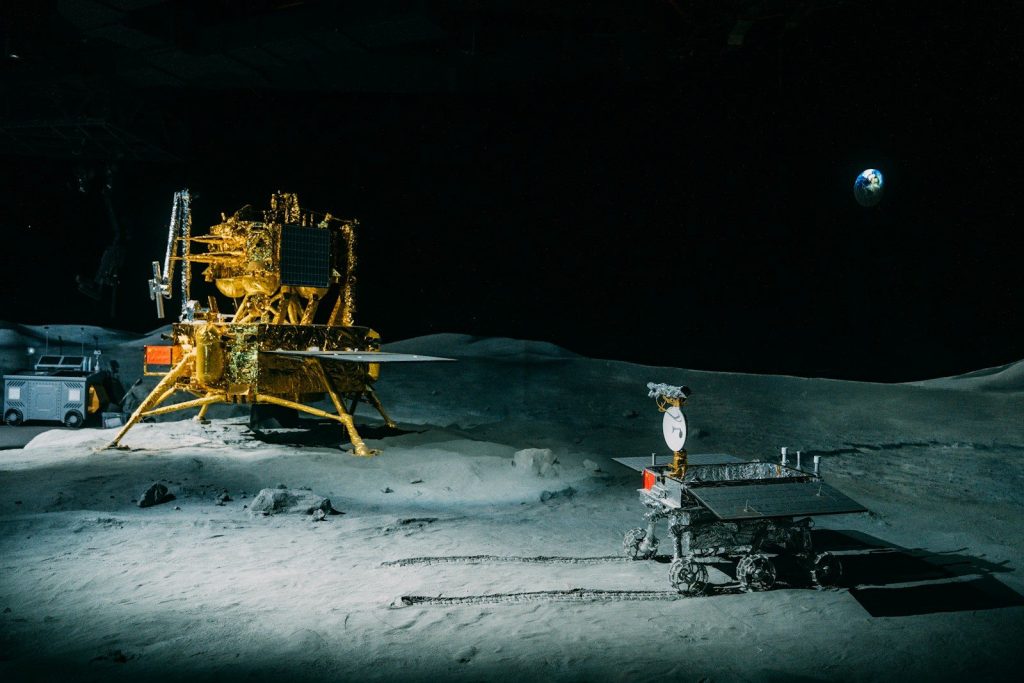
Robotic drilling has uncovered rich deposits of clay minerals inside deep, ancient craters. According to reports from the French National Center for Scientific Research, these specific clays can only form in stable, neutral-pH water. Life could have started here. These peaceful lake beds provided the exact chemical ingredients needed to support basic microbial organisms. But the ultimate fate of this promising world remains a mystery.
Unlocking The Secrets Of Tomorrow

Decoding the lost water history of Mars helps us understand how habitable worlds can slowly dry up over cosmic time. Exploration is just beginning. According to planetary researchers, every new image brings us closer to finding if life once existed on our celestial neighbor. This article is for informational purposes only.
Featured Image: Photo by Zelch Csaba on Pexels
Leave a Reply