Many workers fear that artificial intelligence will soon make human labor completely obsolete. We believe algorithms can replicate every single professional skill we possess.
But modern neuroscience reveals a massive biological barrier that computers cannot cross. Our brains are built on systems that artificial networks simply cannot copy.
The Biological Energy Miracle
Our brains process complex ideas using less energy than a dim household lightbulb. Computers are incredibly wasteful. According to cognitive studies from MIT, artificial networks require massive warehouses of cooling fans and power grids to achieve basic reasoning. The human brain remains the most efficient computer in existence. But this massive efficiency gap is not the only advantage our biology holds.
The Magic Of Real Neuroplasticity
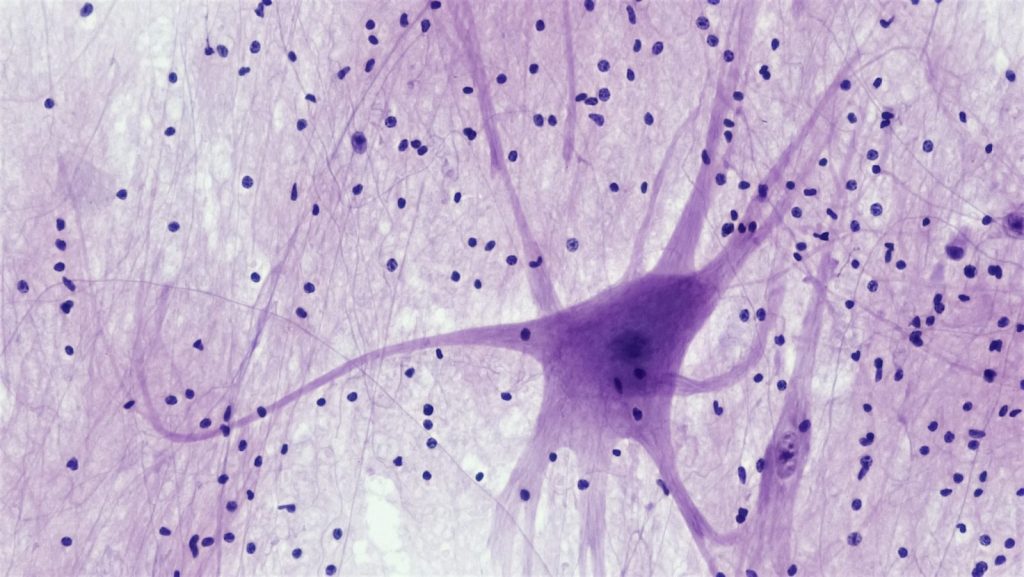
Humans can learn an entirely new skill in minutes using physical brain reorganization. We adapt instantly. According to neuroscience research at Stanford University, living brain cells physically grow new connections to store memory and adapt to novel environments. Computer models must be completely retrained from scratch to learn new tasks. But this structural flexibility is directly connected to our unique emotional intelligence.
Reading Unspoken Human Cues
An algorithm cannot truly understand the subtle emotional shifts that happen during conversations. Computers only process data. According to behavioral studies from Yale University, human interaction relies on deep biological empathy and physical mirror neurons. We read hidden micro-expressions that software simply cannot detect. But this emotional connection is what actually drives real creative breakthroughs.
The Mystery Of Human Creativity
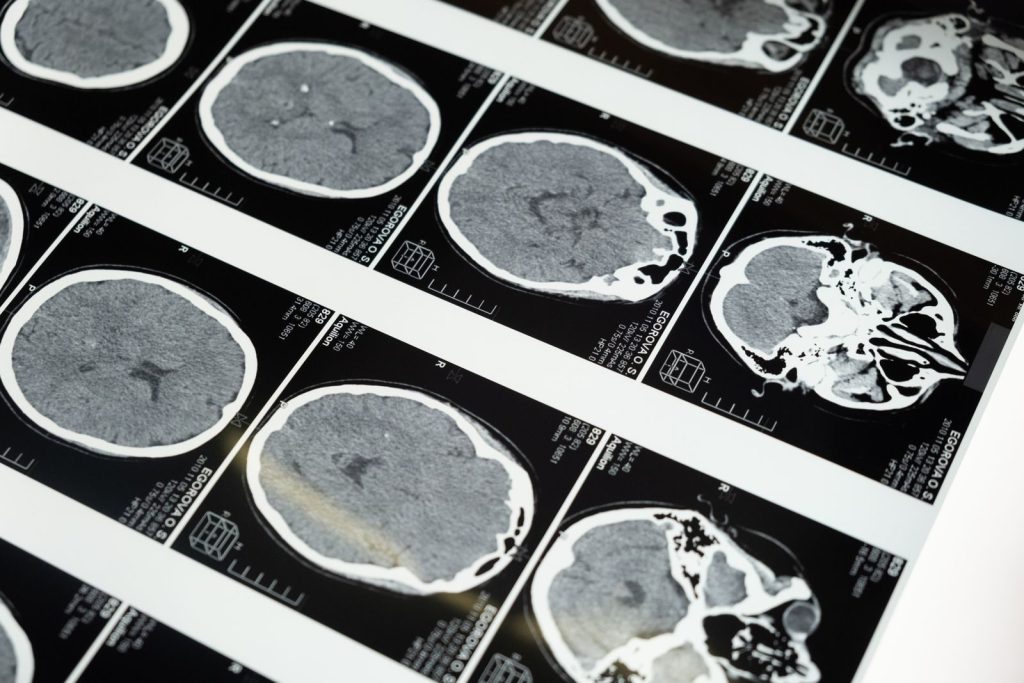
Artificial models merely remix existing ideas rather than inventing entirely new concepts. They copy others. According to research from the University of California, true human genius comes from random neural firings and unique life experiences. We build original concepts out of nothing. But this spark of originality requires a level of physical sensory input that machines lack.
Learning Through Real Senses
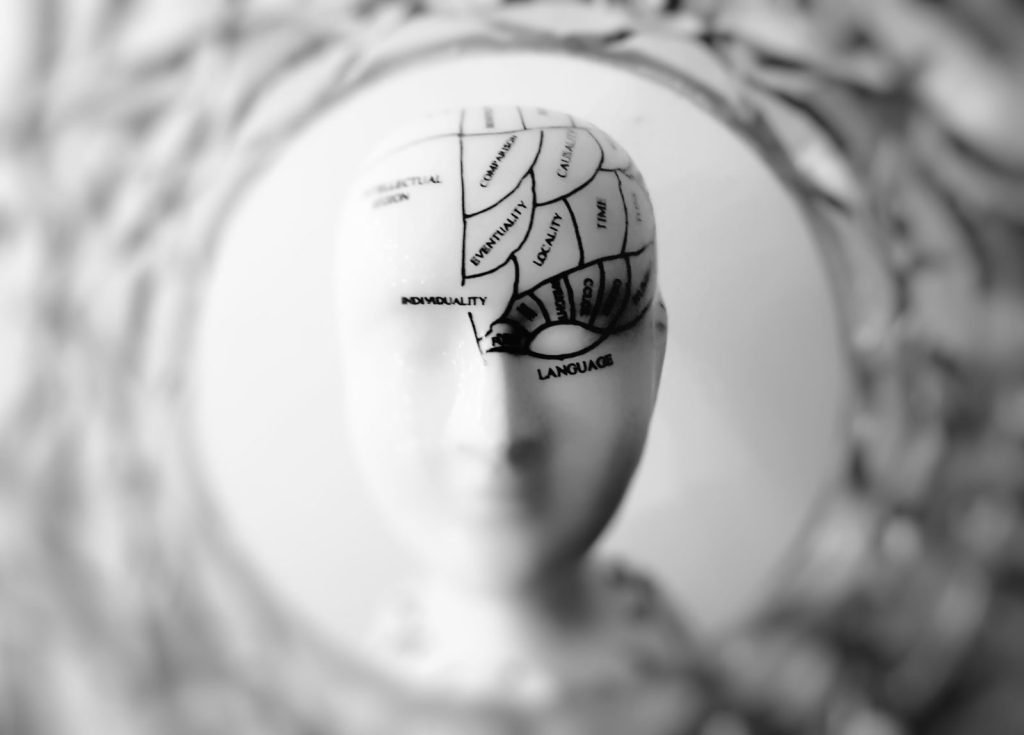
Our understanding of the physical world is built through touching, tasting, and feeling. Machines have no senses. According to cognitive science reports from Oxford University, human language is grounded in physical interactions with our environment. An artificial intelligence only understands words as mathematical probabilities. But this lack of physical understanding leads directly to massive errors in computer logic.
The Problem Of Halting Logic
Computers cannot realize when they are producing completely false or absurd answers. They lack common sense. According to computer science research from Carnegie Mellon University, artificial networks will confidently generate errors because they cannot evaluate reality. Humans use instant intuitive checks to correct silly mistakes. But our unique ability to think critically will soon define the future of labor.
Empowering The Human Mind

The future of work is not about machines replacing our unique biological intelligence. We must collaborate. According to research from the World Economic Forum, the most valuable professionals will be those who combine human empathy with digital tools. Our organic brains remain irreplaceable. This article is for informational purposes only.
Leave a Reply