
Most history lovers assume that Europe’s first early settlements were founded by a single uniform group of pioneers. We believe that these ancient hunter-gatherers established a stable genetic lineage that lasted for millennia.
But groundbreaking genetic analysis is completely overturning this peaceful assumption. Newly mapped ancient genomes prove that massive migrations repeatedly erased and replaced early populations.
Inside The Ancient Caves

Archaeologists exploring deep limestone caverns across Europe have recovered pristine skeletal fragments from the late Ice Age. According to a study published in Nature, researchers extracted genetic material from a forty-thousand-year-old jawbone. The bone was tiny. This ancient DNA showed that the individual had a Neanderthal ancestor just a few generations back. But this early genetic lineage eventually vanished from the continent entirely.
The Lost Pioneers

The very first modern humans who settled in Europe did not leave any descendants among modern populations. According to reports from the Max Planck Institute, these early pioneer lineages went completely extinct during the coldest phase of the Ice Age. The weather was brutal. They were slowly replaced by a new wave of hunter-gatherers moving up from southern shelters. But this second group would soon face their own survival challenge.
Sifting Prehistoric Tools

The stone tools left behind by these changing populations show a rapid leap in crafting technology. According to archaeological micro-wear studies, early hunter-gatherers developed highly specialized blades and bone needles. They were highly capable. This advanced toolkit allowed them to sew warm clothing and hunt massive migratory herds. But a sudden arrival of domestic animals would completely disrupt their hunting lifestyle.
Anatolian Farming Waves

Over eight thousand years ago, a massive wave of migrants crossed the Aegean Sea into southern Europe. According to research from Copenhagen University, these Anatolian pioneers brought domesticated sheep, wheat, and clay pottery. They were peaceful builders. This farming revolution allowed populations to explode, forcing local hunter-gatherers to either assimilate or retreat. But this agricultural era was about to meet a violent shift.
Grassland Nomads Invade
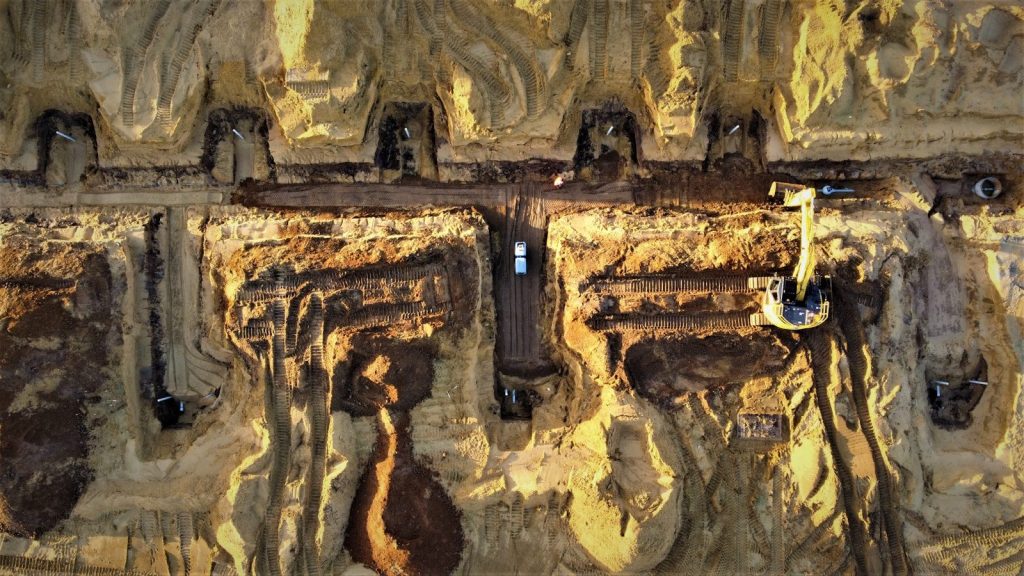
A highly mobile group of pastoralists known as the Yamnaya swept in from the Russian steppes. According to genetic research papers, these herders possessed advanced bronze metallurgy and wheeled wagons. They were highly dominant. In a short period, their genetic signature replaced nearly three-quarters of the local ancestry in northern Europe. But this massive genetic shift also introduced a new language.
Spreading New Tongues

The steppe migration is closely linked to the spread of early Indo-European languages across the continent. According to historical linguists, these nomadic herders carried the ancestral dialects that evolved into modern English, Spanish, and German. The spread was vast. This linguistic expansion reshaped European communication and cultural identity forever. But the physical traits of these early settlers were also changing rapidly.
Shifting Physical Traits

The physical appearance of Europeans evolved slowly as these diverse genetic lineages blended over the centuries. According to evolutionary biologists, the genes for light skin and height were introduced primarily by the steppe herders and early farmers. The blend was complex. This ongoing genetic mixing is what created the physical diversity we see across Europe today. But researchers believe that other mysteries are still waiting under the soil.
Reconnecting Our Roots
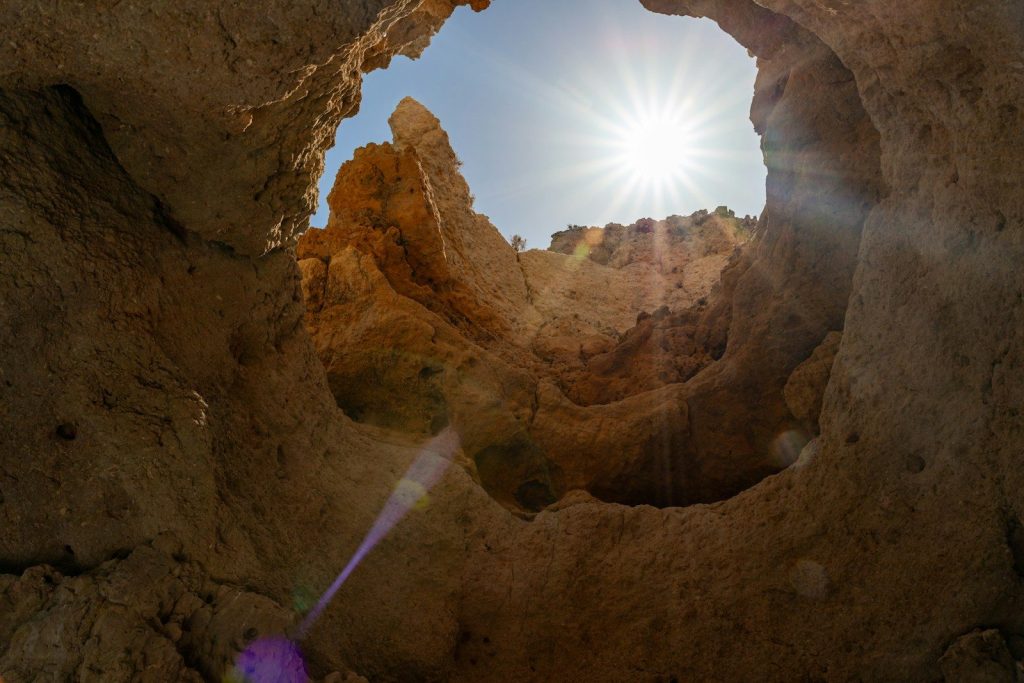
Unlocking the secrets of Europe’s first settlers proves that our history is built on constant movement and adaptation. According to researchers, mapping these ancient migrations helps us appreciate the shared heritage of all modern cultures. The past holds secrets. This article is for informational purposes only.
Featured Image: Photo by Quang Nguyen Vinh on Pexels
Leave a Reply