
Most animal lovers assume that aging is a completely uniform biological process across all species. We believe that physical size is the only metric that determines how long a creature survives.
But a closer look at genetic structures reveals an incredibly diverse map of longevity. Certain species have developed highly unique cellular shields that completely halt aging decay.
The Sluggish Heart Rate Secret

A slow metabolism is closely linked to an incredibly long lifespan in many vertebrate species. According to a study from the University of Copenhagen, the Greenland shark has a heartbeat that is incredibly slow. They live for centuries. This sluggish pace of life helps preserve their vital cellular structures from typical daily wear and tear. But this metabolic pacing is only the first part of the puzzle.
Cellular Repair Systems
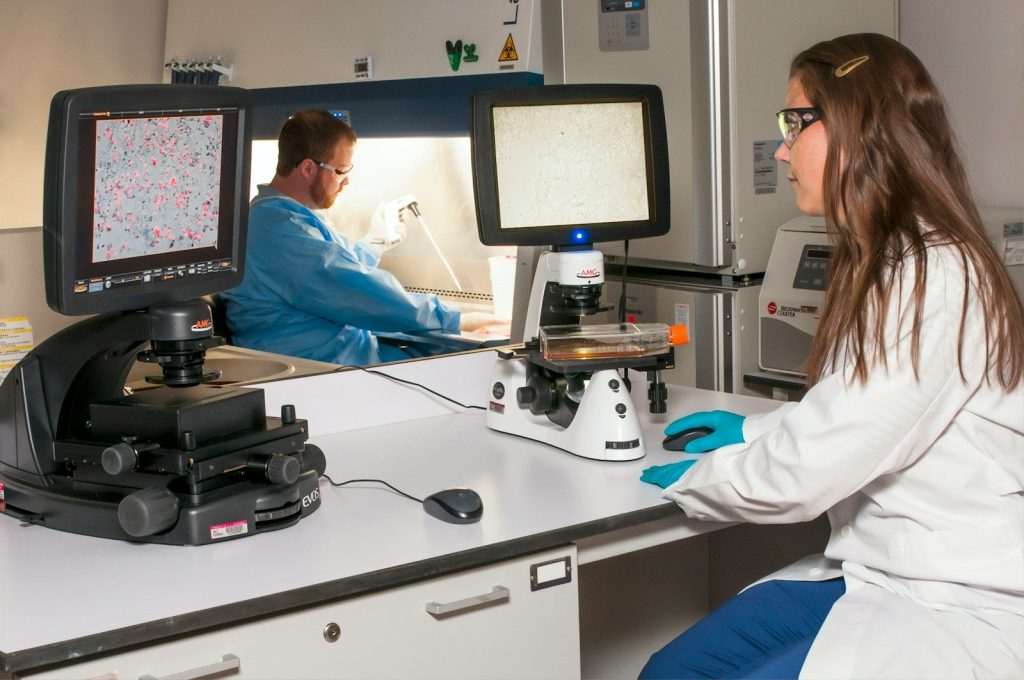
Some small rodents have developed highly efficient ways to repair damaged DNA inside their cells. According to reports from the National Institutes of Health, the naked mole rat shows almost zero signs of typical age-related cancers. Their cells are tough. This resilient genetic makeup allows them to live ten times longer than other mice of similar sizes. But some animals can regenerate entire limbs to survive.
Reversing Biological Age
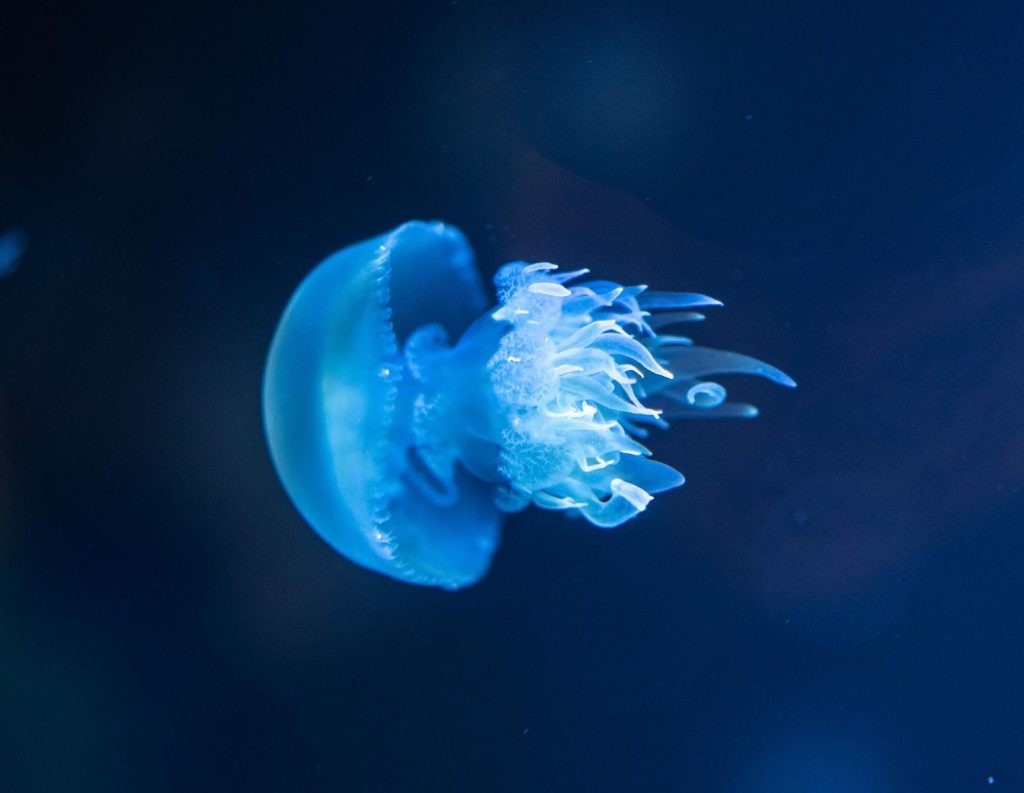
The deep ocean is home to a tiny jellyfish that can actively reverse its own aging cycle. According to marine biology reports, this unique creature can return to its primitive polyp state when threatened or injured. It is immortal. This cellular reset allows the organism to cycle through life loops endlessly. But this biological marvel is now inspiring medical researchers on land.
Unlocking Longevity Genes

Scientists are currently analyzing the genomes of long-lived animals to locate the precise triggers of aging. According to genetic research teams, finding these protective gene segments could lead to revolutionary treatments for human age decay. The potential is immense. This research could help us extend our own active lifespans significantly in the future. But managing this genetic modification faces a giant ethical barrier.
The Hard Shell Advantage

Slow-moving reptiles like giant tortoises carry massive physical shields that protect them from environmental stress. According to evolutionary biology studies, their protective shells also lower their daily baseline stress levels. The peace is real. This calm lifestyle prevents their bodies from producing toxic stress chemicals that accelerate cell death. But some birds are also defying their metabolic expectations.
High Energy Survival Anomalies
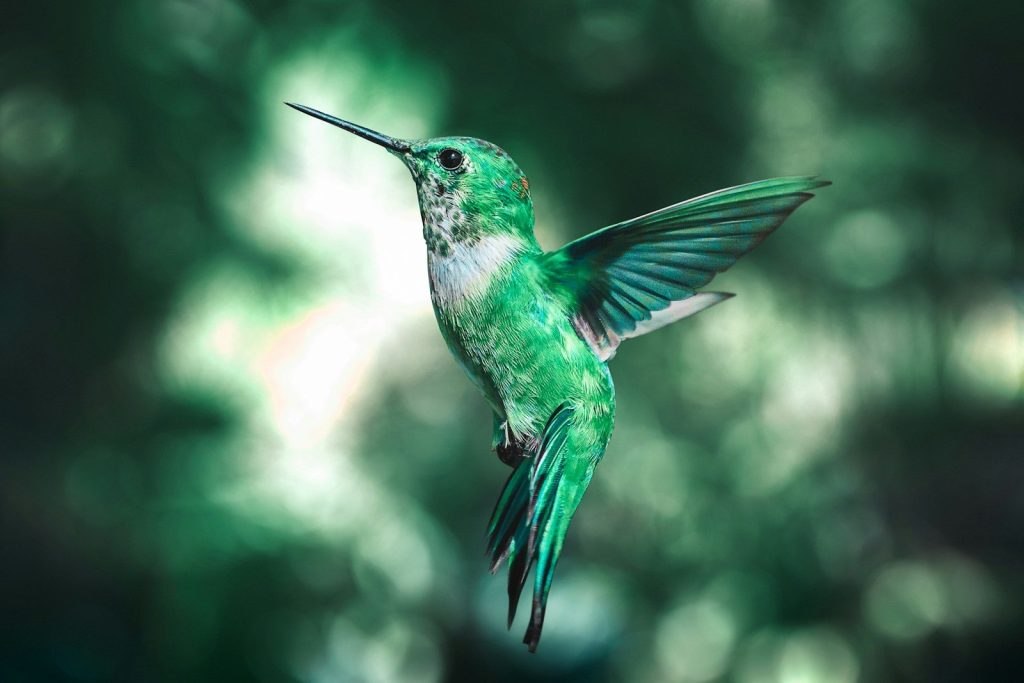
Birds normally maintain incredibly high heart rates and metabolic speeds that should cause rapid aging. According to reports from the Audubon Society, specialized hummingbirds can live for over a decade despite their rapid wing beats. They are highly efficient. Their cells possess unique antioxidant shields that prevent oxygen damage during high-energy activities. But understanding these biological shields requires long-term tracking.
Tracking The Wild Lifespans
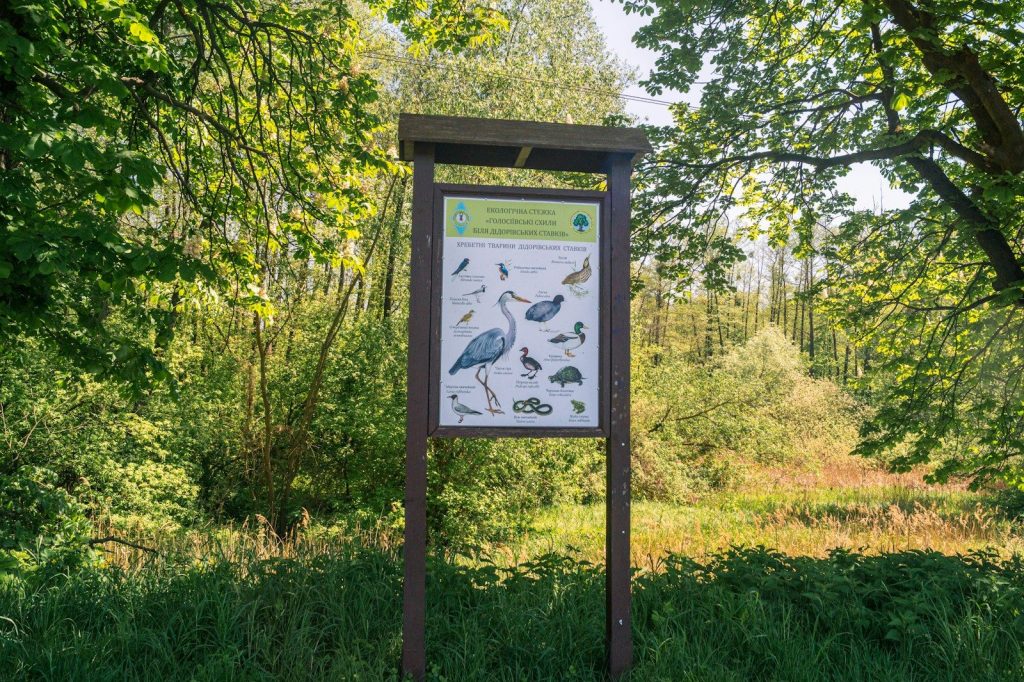
Gathering clean data on how different species age in their natural habitats remains a major scientific task. According to wildlife ecologists, running long-term generational studies is essential to map the true diversity of animal lifespans. Precision is vital. This tracking helps researchers determine how changing environments impact the longevity of vulnerable populations. But this biological search is already changing our view of nature.
Safeguarding Our Living World

Understanding the biological secrets of animal lifespans proves that nature can adapt to extreme planetary conditions. According to researchers, studying these resilient species helps us map the true boundaries of terrestrial life. The cells hold secrets. This article is for informational purposes only and does not constitute scientific or professional advice.
Featured Image: Photo by Dave Meckler on Unsplash
Leave a Reply