
Most professionals assume that technical training is the only way to secure a stable career. We believe that learning complex coding languages guarantees a permanent place in the workforce.
But advanced automation is quietly shifting the global job market in a different direction. Creative human soft skills are actually becoming the most valuable assets you can possess.
Bypassing Basic Tasks

Modern software programs can now generate complex coding scripts in a matter of seconds. According to reports from the World Economic Forum, this rapid automation is reducing the need for basic programming skills. The shift is fast. This efficiency means companies are looking for workers who can manage these systems rather than write lines manually. But guiding these machines requires a different mental skill.
Mastering Smart Problem Solving

While computer algorithms are highly efficient, they struggle to adapt when unexpected bugs disrupt a system. According to reports from technology industry analysts, human managers are essential to evaluate and correct these computer errors. They are brilliant. This critical thinking allows workers to solve complex challenges that confuse simple software. But coordinating these solutions requires bringing different people together.
Leading Dynamic Team Collaboration

Computers cannot understand the subtle emotional dynamics that drive a creative business team. According to reports from organizational psychologists, leaders who possess high emotional intelligence are highly successful at managing workplace relationships. Empathy is key. This human touch helps to build trust and keep employees motivated during stressful projects. But communicating these ideas effectively requires another unique skill.
Translating Complex Data Simply
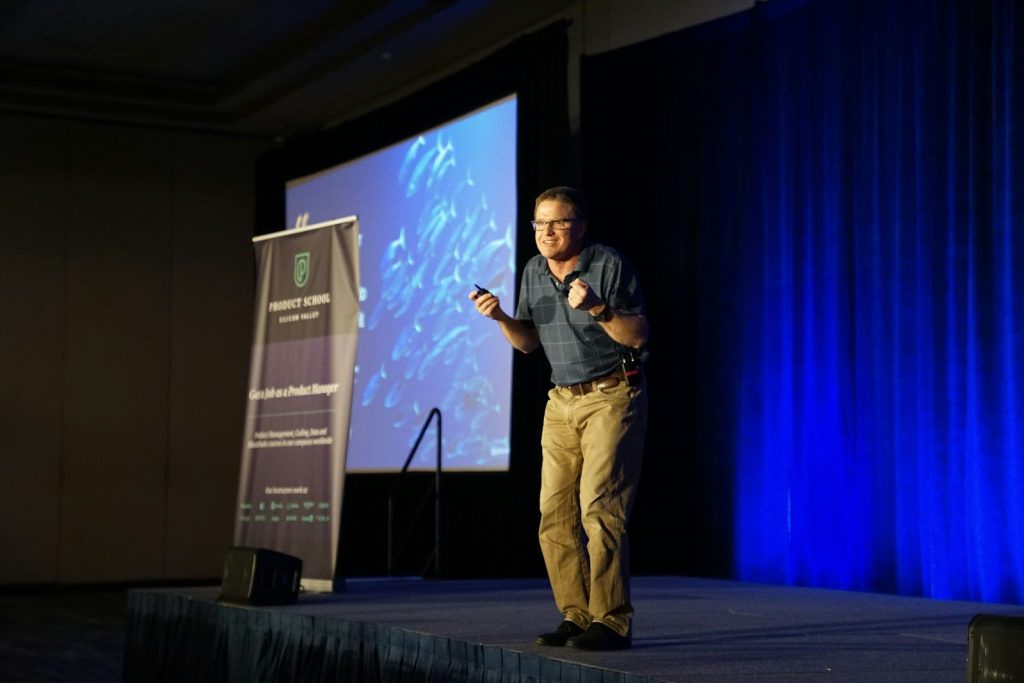
Raw digital data is completely useless unless someone can explain its real meaning to others. According to reports from business consultants, workers who can translate technical statistics into simple stories are highly valued. Stories connect people. This narrative skill helps companies make smart strategic decisions based on computer research. But finding these creative storytellers is becoming a major challenge for recruiters.
Designing Bizarre Creative Concepts

Smart algorithms are trained to copy existing patterns rather than invent completely new art styles. According to reports from creative designers, human artists are still necessary to push aesthetic boundaries and draft unique marketing campaigns. Originality is rare. This creative spark ensures that a company’s branding remains fresh and engaging for consumers. But adapting to these changes requires a flexible mind.
Training For Cognitive Flexibility
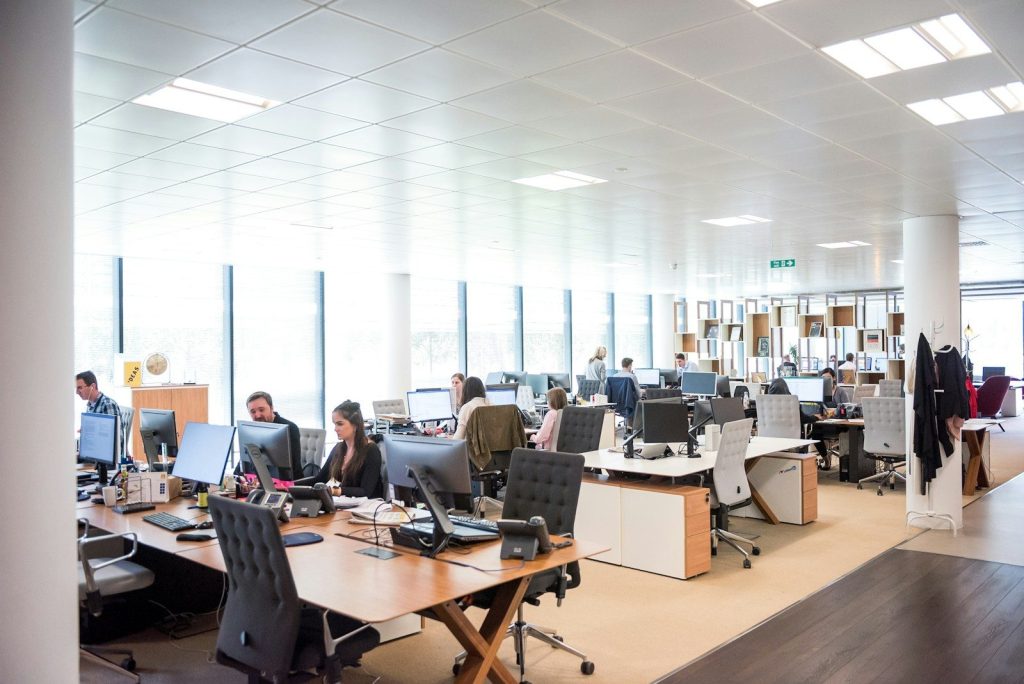
The modern workplace changes so rapidly that memorizing specific facts is no longer enough to succeed. According to reports from educational specialists, learning how to learn is the ultimate survival tool for the future. Adaptability is everything. Professionals who can quickly master fresh tools will always remain valuable to employers. But the final success of this transition relies on our self-awareness.
Shaping A Human Economy

Understanding our unique qualities as humans allows us to appreciate technical progress. According to reports from researchers, using smart software to automate repetitive tasks can free up time for creative discoveries. Innovation remains essential. This article is for informational purposes only.
Featured Image: Photo by Vitaly Gariev on Unsplash
Leave a Reply