Space enthusiasts assume that the Sun is a completely static and stable cosmic reactor. We believe that our star maintains a constant and unchanging magnetic structure.
But a massive magnetic reversal is currently taking place at the center of our solar system. This regular solar cycle shift alters the entire space environment surrounding Earth.
Explaining The Celestial Clockwork
The solar magnetic field reverses its polarity approximately once every eleven years. According to reports from NASA, this event marks the absolute peak of the solar cycle. It is a cycle. This process causes the magnetic north and south poles of our star to swap places entirely. But this cosmic flip triggers a massive wave of activity across the solar surface.
Tracking The Solar Peak Activity
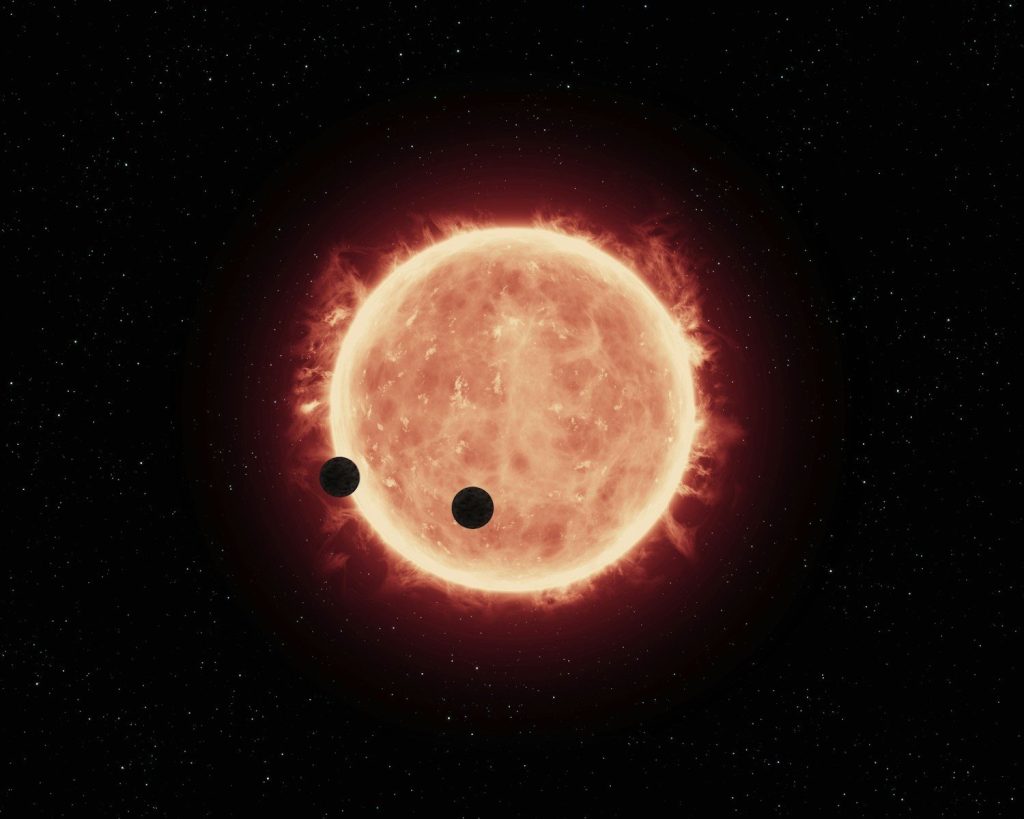
Sunspots and massive solar flares become far more frequent during the magnetic flip. According to solar physicists, these violent eruptions release giant clouds of charged particles into deep space. The energy is immense. These solar winds travel rapidly across the space neighborhood and head straight toward our home planet. But Earth has a highly robust way of defending itself.
Squeezing The Current Sheet Wide

This solar wind warps a massive cosmic boundary called the heliospheric current sheet. According to space weather monitoring stations, this warped surface ripples like a giant spinning skirt in space. The waves are massive. This rippling sheet acts like a protective shield that blocks highly dangerous cosmic rays from entering our local system. But the shift is also changing space weather.
Blocking Toxic Space Radiation
Cosmic rays from distant dying stars constantly threaten to penetrate our inner solar system. According to reports from the National Oceanic and Atmospheric Administration, the warped solar field deflects these toxic rays away from Earth. The defense is passive. This temporary protection helps safeguard our satellite networks and high-altitude flight crews from radiation. But this magnetic shift also creates unique hazards.
Disrupting National Power Grids
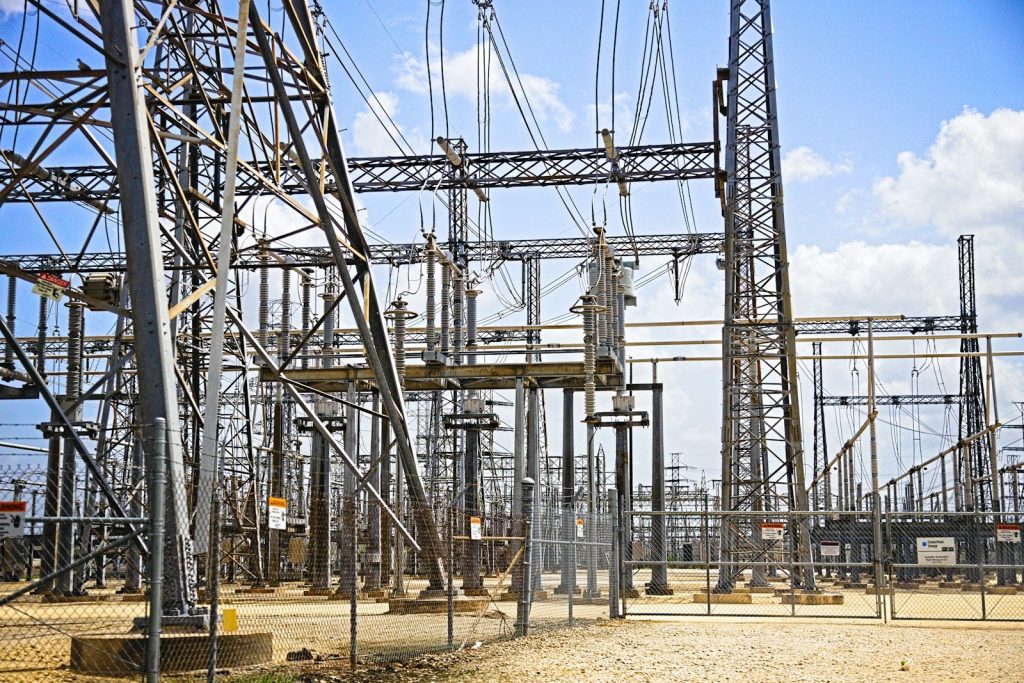
Heavy solar winds from magnetic eruptions can interact violently with our upper atmosphere. According to utility energy studies, these magnetic storms can induce strong electrical currents in long power lines. The threat is real. This extra energy can overload transformers and trigger rolling blackouts across major cities. But scientists are already designing smart shields to protect us.
Navigating The Space Storms
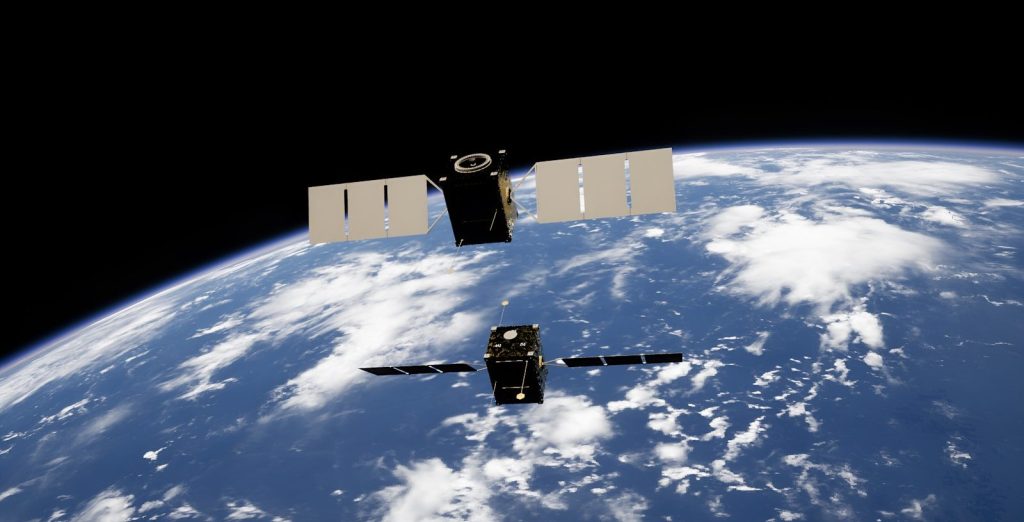
Modern satellites must adjust their orbits to survive the swelling atmosphere during solar maximum. According to aerospace engineering logs, increased drag forces can pull low-orbit craft down toward Earth prematurely. They must adapt. Specialized thruster adjustments allow these high-tech platforms to maintain stable coordinates until the solar storm passes. But this solar flip is only a temporary transition.
Restoring Calm Cosmic Cycles

Once the solar poles complete their swap, the magnetic activity will slowly fade into a quiet minimum. According to researchers, this cycle has repeated reliably for billions of years without destroying our planetary environment. Nature maintains balance. This article is for informational purposes only.
Featured Image: Photo by Nicola Narracci on Pexels
Leave a Reply