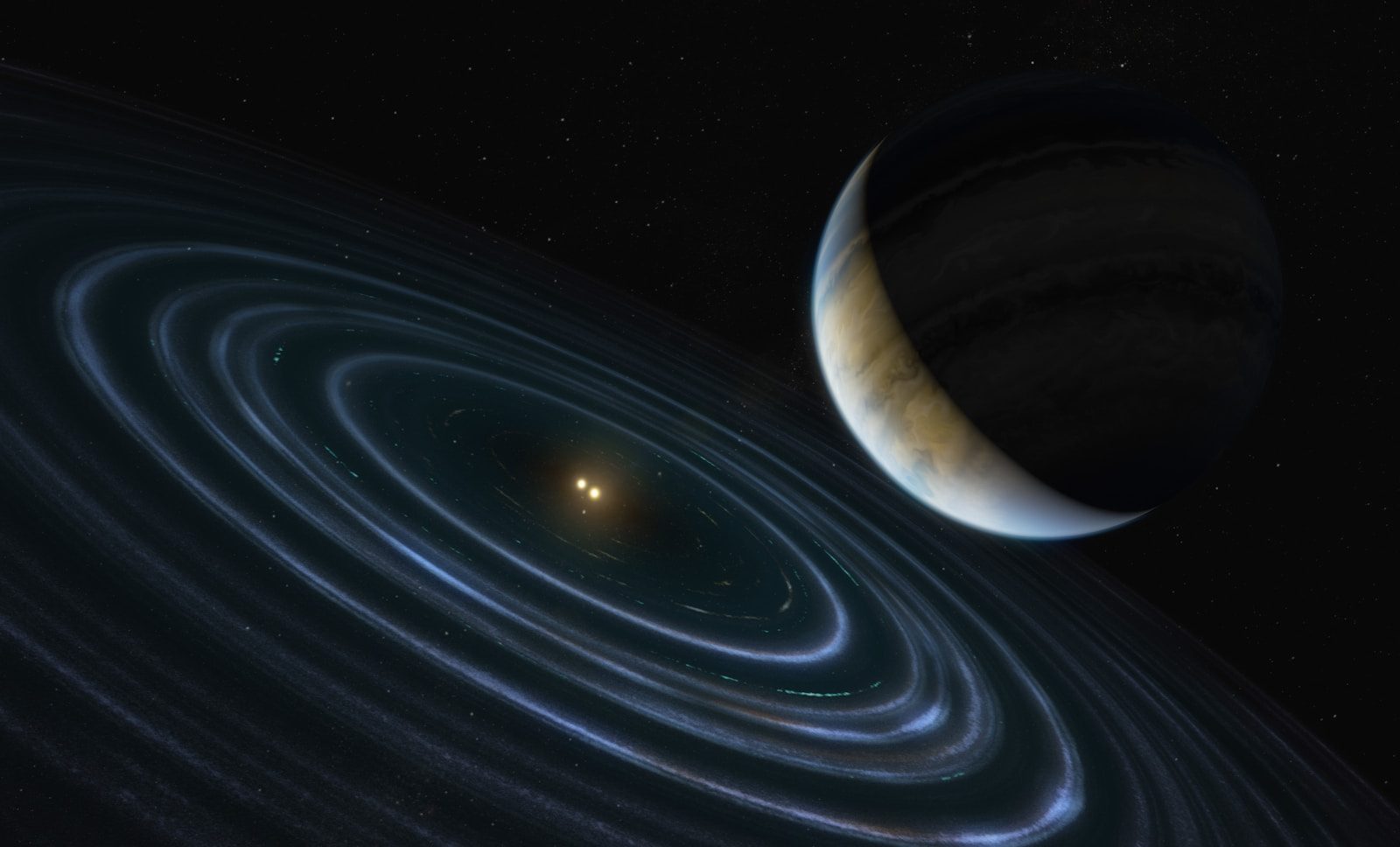
Most stargazers assume that moons are just quiet rock spheres orbiting simple planets. We believe that these satellites follow identical and predictable geological cycles.
But a closer look at our solar system reveals a highly chaotic collection of moons. These alien satellites behave in ways that completely challenge our theories of planetary science.
Volcanic Eruptions In Deep Freeze
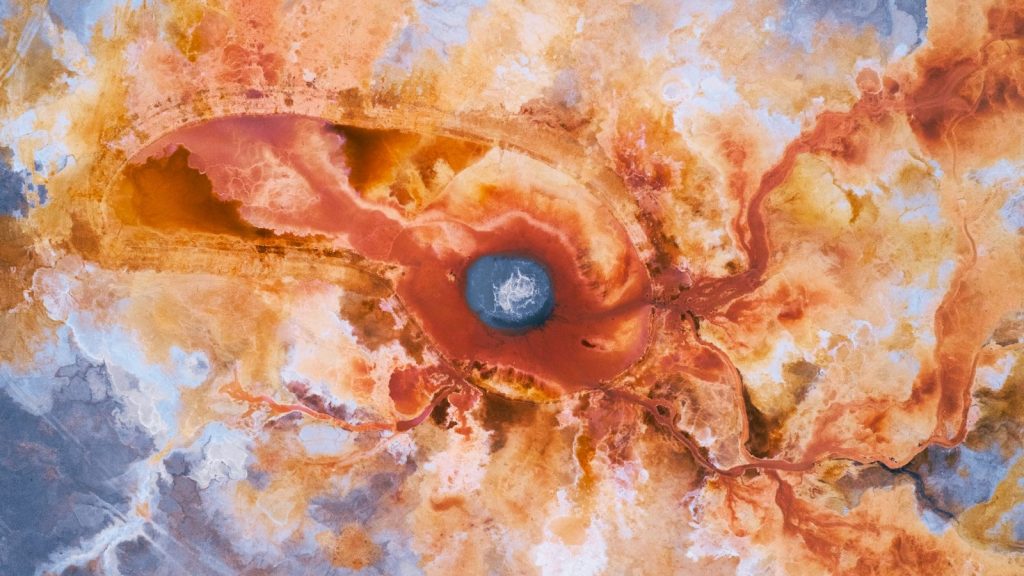
Voyager probes first captured massive geysers shooting active sulfur plumes miles into space on Io. According to NASA, this extreme activity is driven by intense gravitational tidal friction from Jupiter. The ground actually bends. This continuous squeezing heats the internal core to create a highly volatile volcanic world. But a different frozen moon hides a liquid secret beneath its crust.
Giant Hidden Oceans Flowing Silently
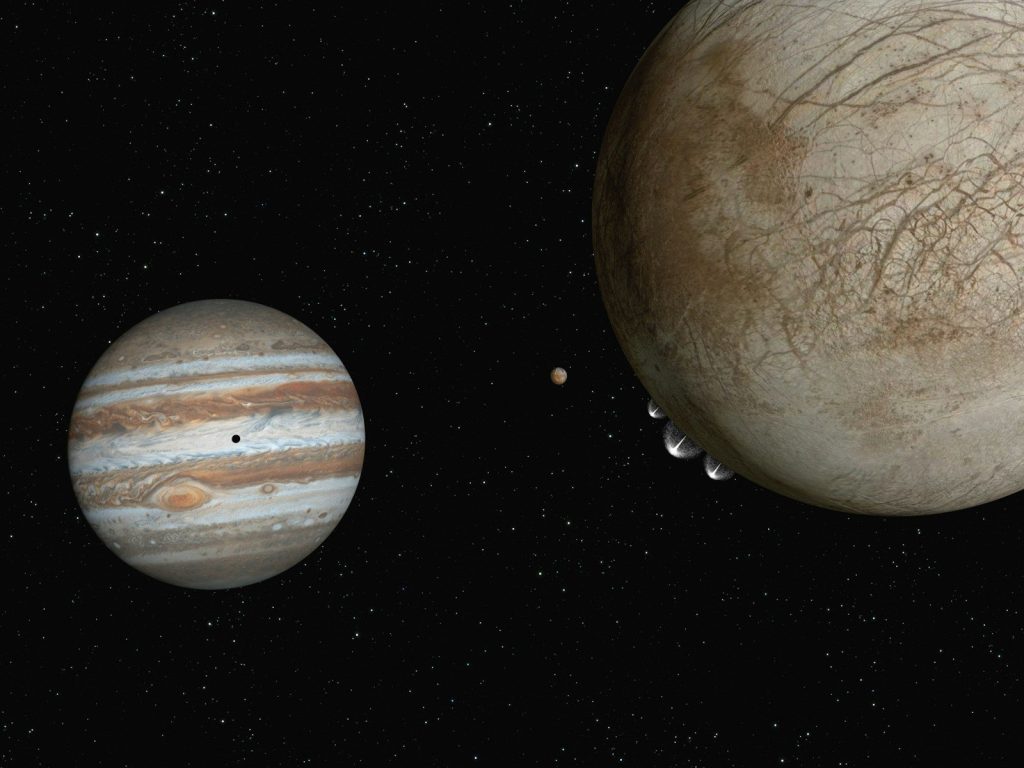
Astronomers believe that Europa contains twice as much liquid water as Earth. According to the Hubble Space Telescope, giant plumes of water vapor regularly erupt through cracks in the thick ice shell. They are incredibly deep. This vast subsurface ocean is kept warm by gravitational pulling from nearby planets. But another nearby moon features a dense atmosphere resembling early Earth.
Heavy Methane Rain Shading Landscapes
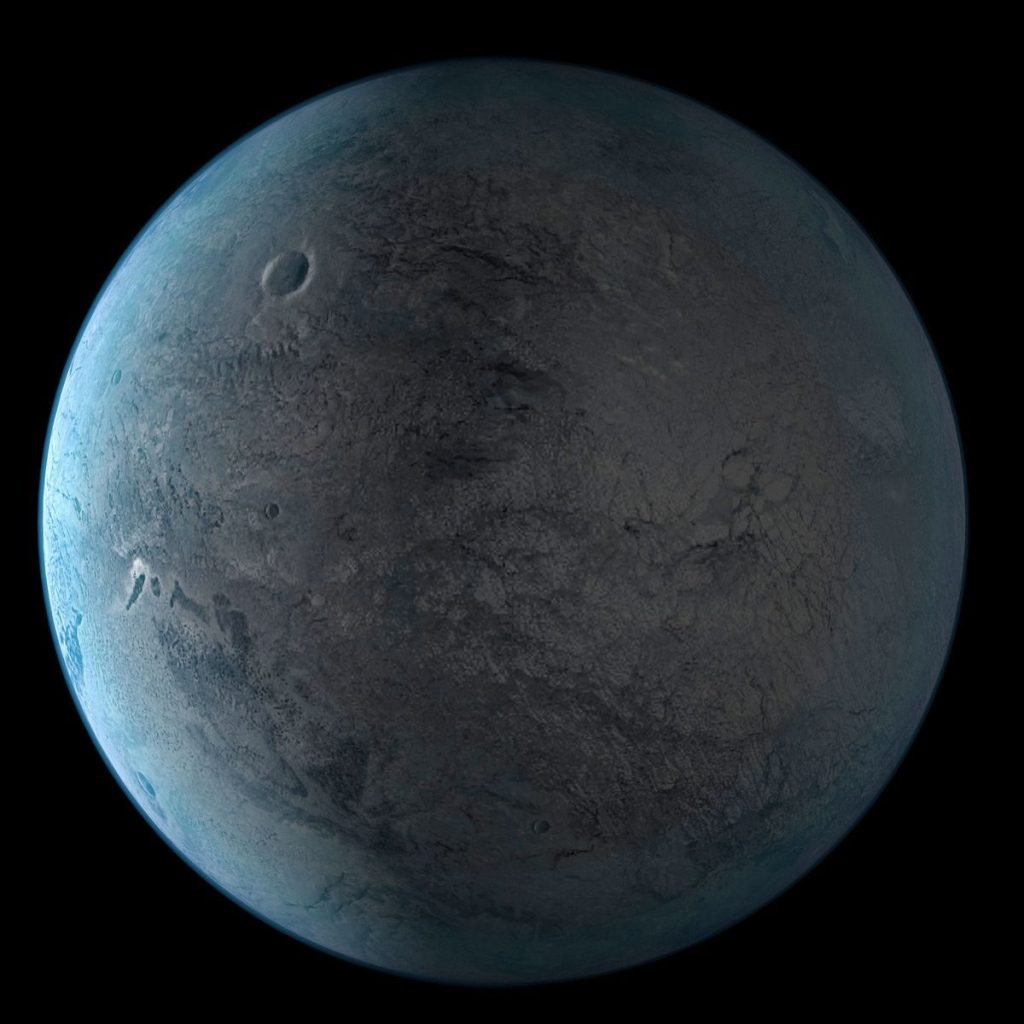
Titan remains the only satellite in our solar system with a dense nitrogen atmosphere. According to the Cassini spacecraft, this freezing moon has active liquid methane lakes and rivers flowing across its surface. The climate is strange. This unique hydrologic cycle mirrors our own water cycles in a highly bizarre way. But an even smaller ice world displays a perfect white mirror.
Perfect White Mirrors Reflecting Light
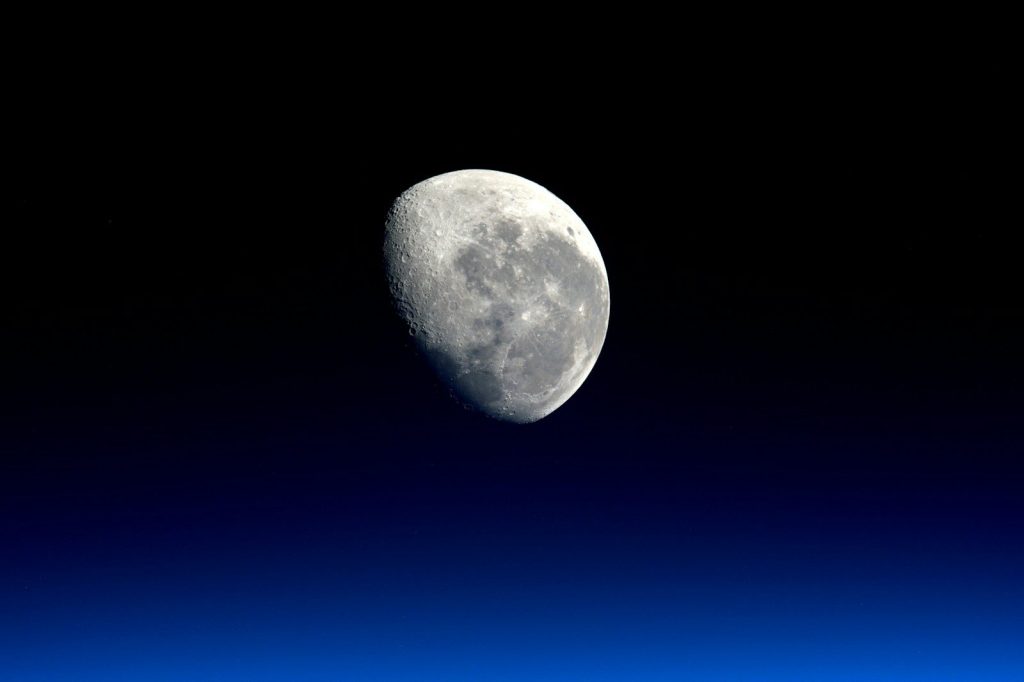
Enceladus reflects nearly ninety-nine percent of the sunlight that hits its surface. According to planetary geologists, this extreme brightness is caused by a pristine layer of fresh snow. It is a mirror. This snow falls from massive geysers that erupt through cracks at the south pole. But this icy water also contains the essential building blocks for biological life.
Two Tone Moons Splitting Colors
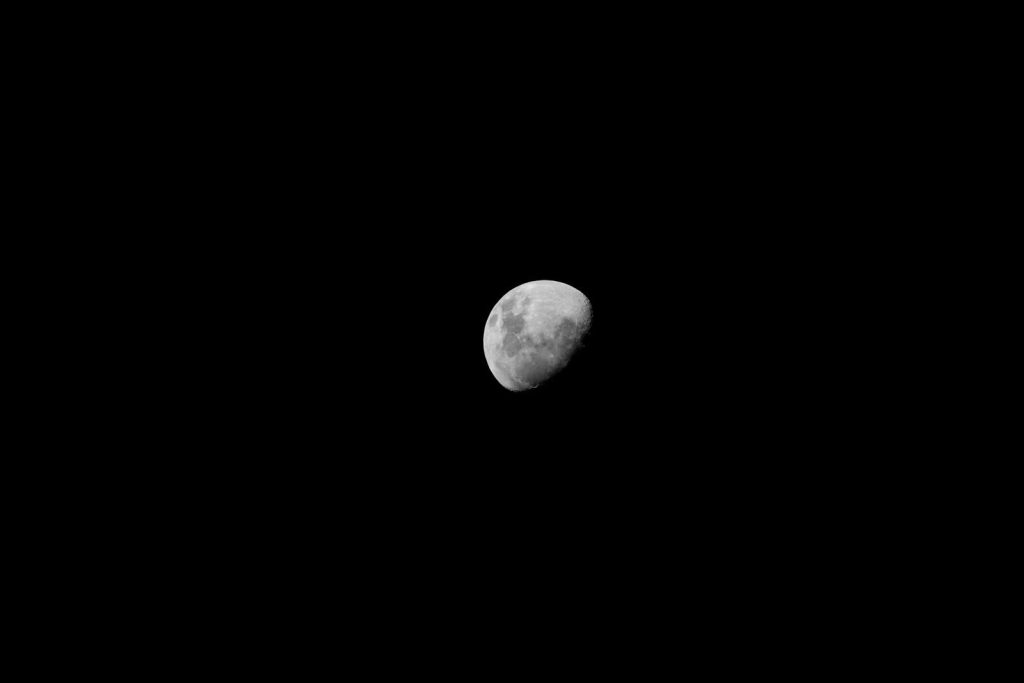
Iapetus displays a highly bizarre layout where one half is dark as coal while the other is bright as snow. According to space agency models, this mismatch is caused by dust migrating from distant outer rings. The divide is sharp. This dark dust absorbs solar heat and causes the water ice to evaporate toward the colder side. But this changing surface is not the only mystery.
Spongy Textures Floating In Space
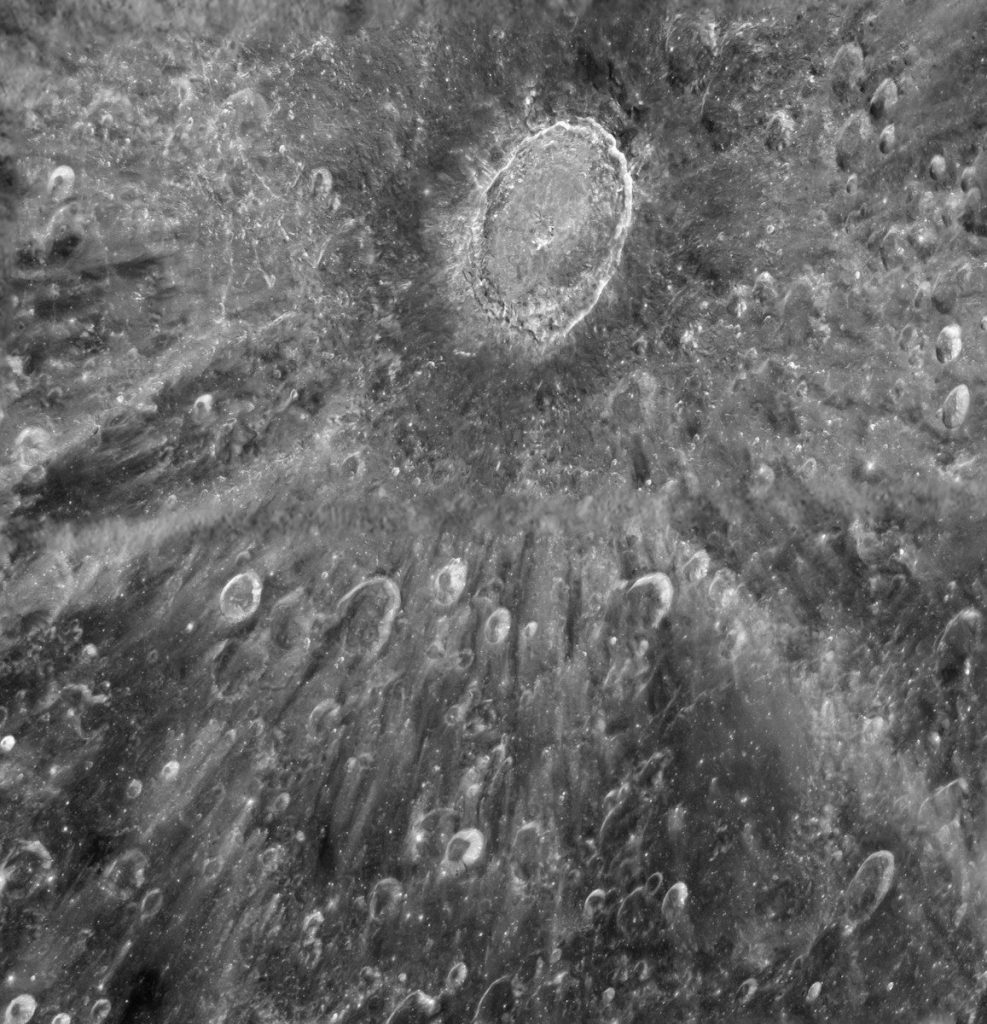
Hyperion looks remarkably like a massive cosmic sponge drifting through the dark void. According to astrophysical models, this low-density satellite is packed with empty cavities that absorb space debris impacts. They are highly porous. This unique structure prevents the moon from shattering during violent collisions over billions of years. But another satellite behaves like a captured space traveler.
Backward Orbits Defying Planet Rotations
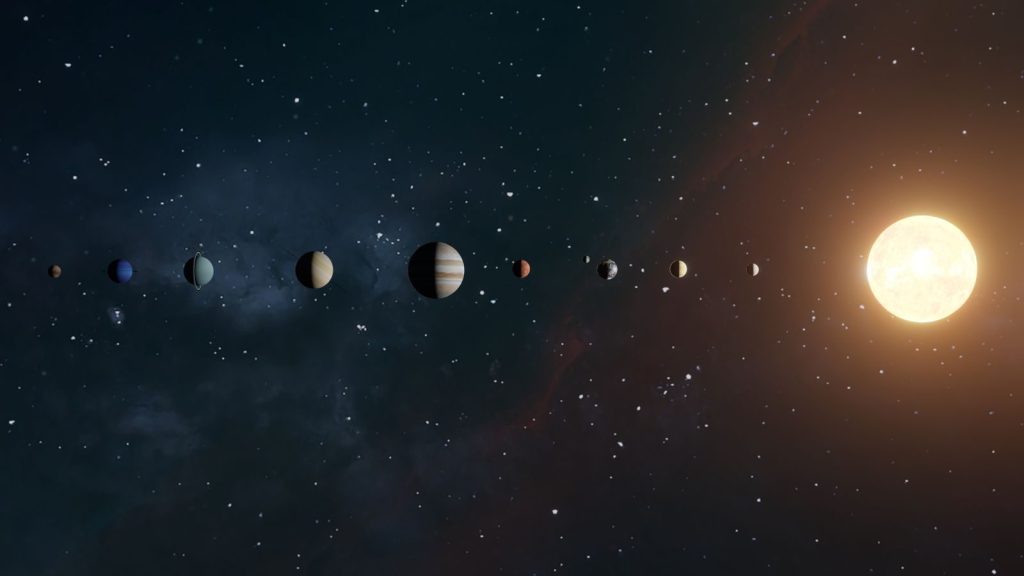
Triton travels around Neptune in a highly unusual backward direction against the natural spin of the planet. According to orbital dynamics studies, this retrograde motion suggests the moon was once a rogue traveler. It was captured cleanly. This gravitational capture pulled the icy world into a stable loop that continues to shift today. But understanding these moons is changing how we look at life.
Expanding Our Biological Frontiers
Finding liquid water and organic elements on distant satellites proves that habitability does not require a sunlit surface. According to astrobiologists, these outer moons represent our best target coordinates to locate alien microbial life in the dark. We are still learning. This article is for informational purposes only.
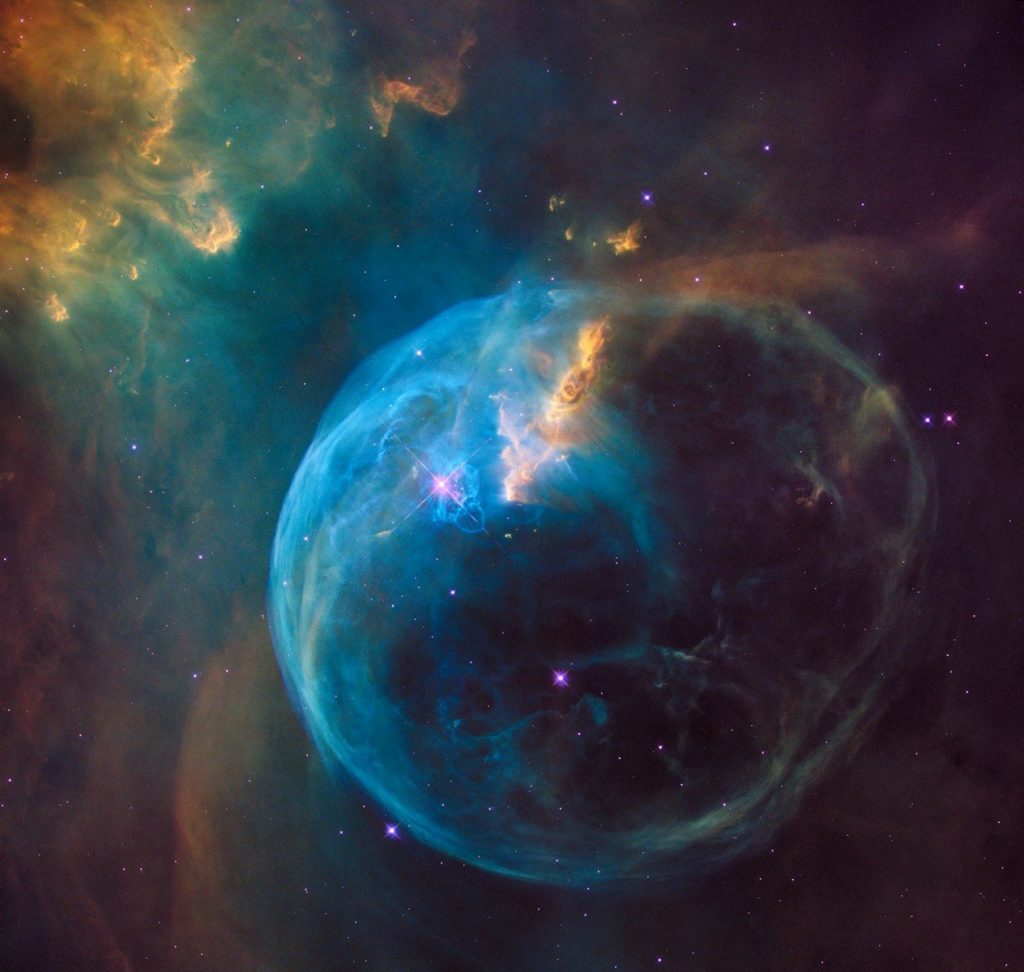
Featured Image: Photo by NASA Hubble Space Telescope on Unsplash
Leave a Reply