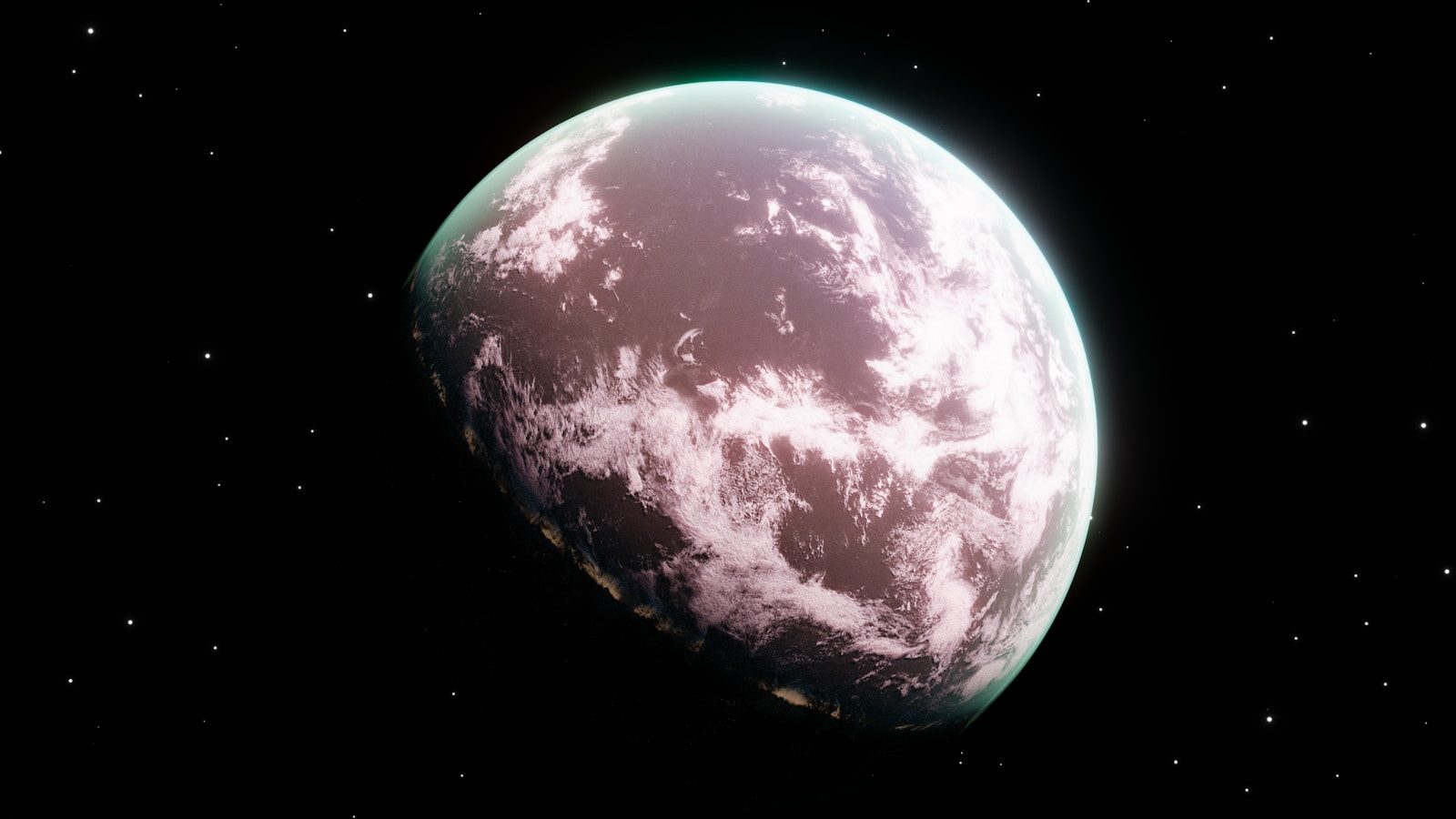
Most stargazers assume that we have fully mapped every single planet in our solar system. We believe that decades of telescopic surveys have revealed all major celestial neighbors.
But a series of bizarre gravitational disruptions suggests a highly different cosmic picture. Space researchers are actively tracking a mysterious ninth planet hiding at the freezing edge of space.
Bizarre Orbit Tilts Detected
Astronomers studying the icy rocks drifting beyond Neptune noticed a highly unusual movement pattern. According to reports from the California Institute of Technology, several small space rocks have extremely tilted orbits. They are highly grouped. This organized alignment suggests that a massive unseen object is pulling these icy bodies with intense gravity. But finding this hidden giant is an extreme observational challenge.
Scanning the Absolute Dark
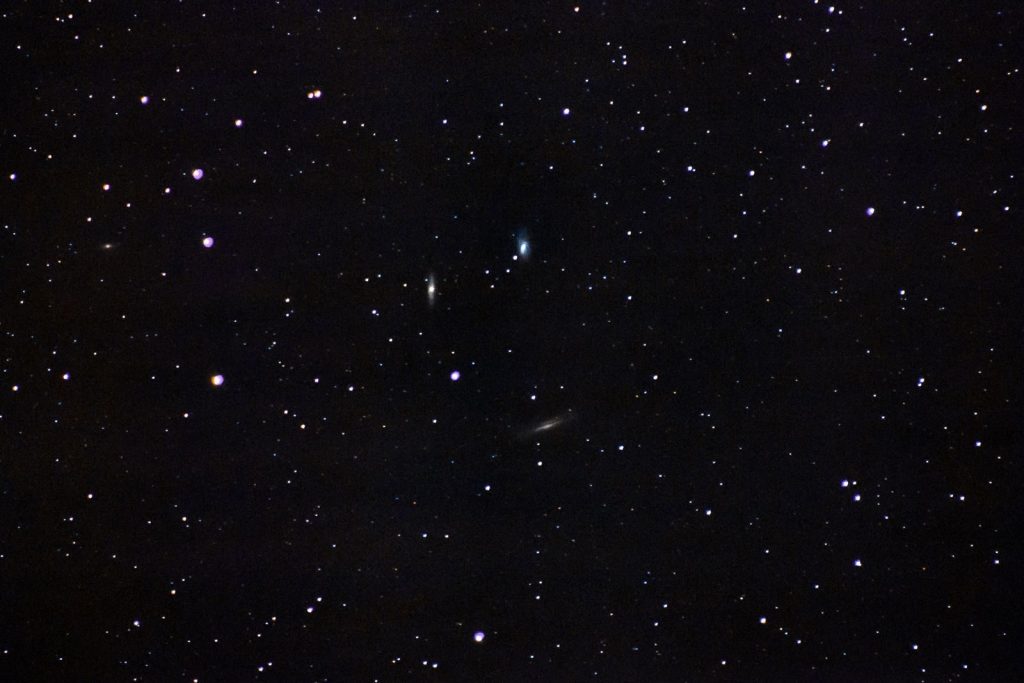
The mysterious planet sits billions of miles away from the warm light of our Sun. According to planetary geologists, any planet operating at these distances receives almost zero solar reflection. The world is dark. This lack of light makes detecting the object with standard optical telescopes nearly impossible. But astronomers are using mathematical models to calculate its exact coordinates.
The Giant Math Formula

Calculations suggest the ninth planet is significantly larger than Earth but smaller than Neptune. According to astronomical models, this super-Earth likely has a mass ten times greater than our home world. The math is precise. This massive weight would easily explain the gravity tugs seen in the outer solar system. But predicting its exact orbital path takes centuries to complete.
Ten Thousand Year Orbit

This distant world travels on an incredibly long and stretched-out path around the Sun. According to space weather monitoring stations, a single orbit could take up to twenty thousand years. The wait is long. This means generations of stargazers must wait millennia to view the planet pass its closest coordinate. But this orbital loop is also shaping our natural environment.
Interstellar Gas Capture Clues
Some astrophysicists believe the planet did not originate inside our local solar system. According to a study published by Harvard University, our Sun may have captured the rogue planet during an early close pass. The theft was quiet. This would explain why its orbit is so tilted compared to the other eight planets. But proving this interstellar origin requires launching a new generation of telescopes.
Wide Field Infrared Scanners
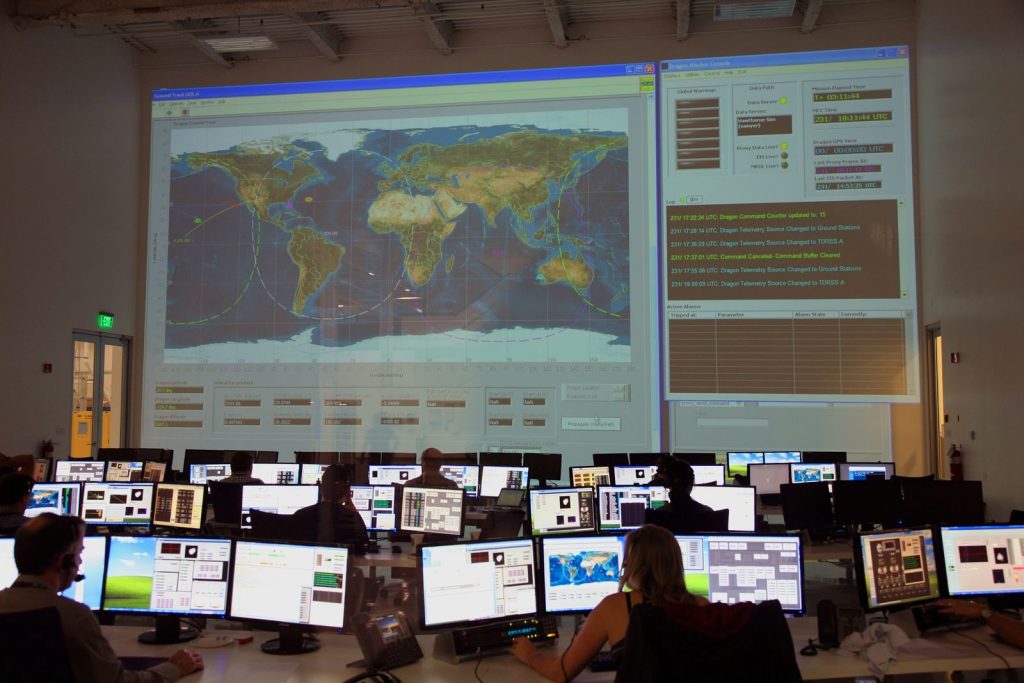
Scientists are preparing to search the skies using highly sensitive infrared camera arrays. According to reports from the European Southern Observatory, these advanced sensors can detect the weak thermal glow of a planet. The sensors are active. This thermal signature is the best way to locate the planet against the cold background of space. But the search continues to face extreme natural limits.
Rebuilding the Solar Map

If the ninth planet is officially located, it will force scientists to update our entire solar system layout. According to planetary scientists, finding this world would rewrite our theories of how solar systems form. The race is on. Multiple international research teams are currently competing to capture the first pristine image of this distant giant. But the final lessons of this search will change physics.
Unlocking Cosmic Mysteries

The search for the ninth planet proves that our solar system still holds profound stellar secrets. According to astrophysicists, exploring these cold outer horizons expands our understanding of planetary evolution across the galaxy. We are still learning. This article is for informational purposes only.
Featured Image: Photo by Caden Tormey on Unsplash
Leave a Reply