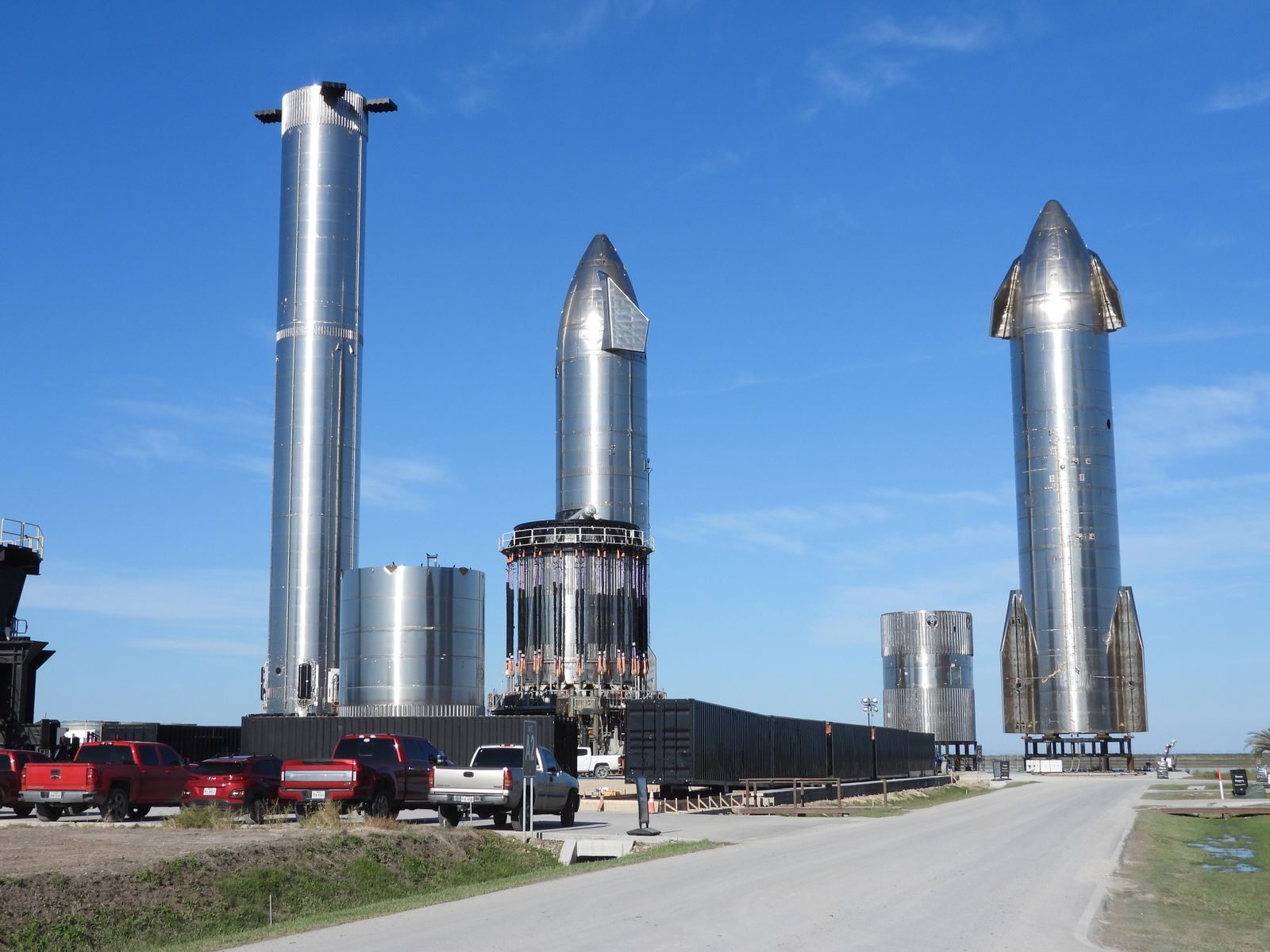
Most people believe that deep space travel is a distant dream left to science fiction movies. We assume that humans will remain confined to Earth for many generations to come.
But a monumental engineering program in Texas is quietly rewriting our cosmic timeline. A giant reusable steel system is preparing to carry pioneers to the red sands of Mars.
The Giant Steel Tower
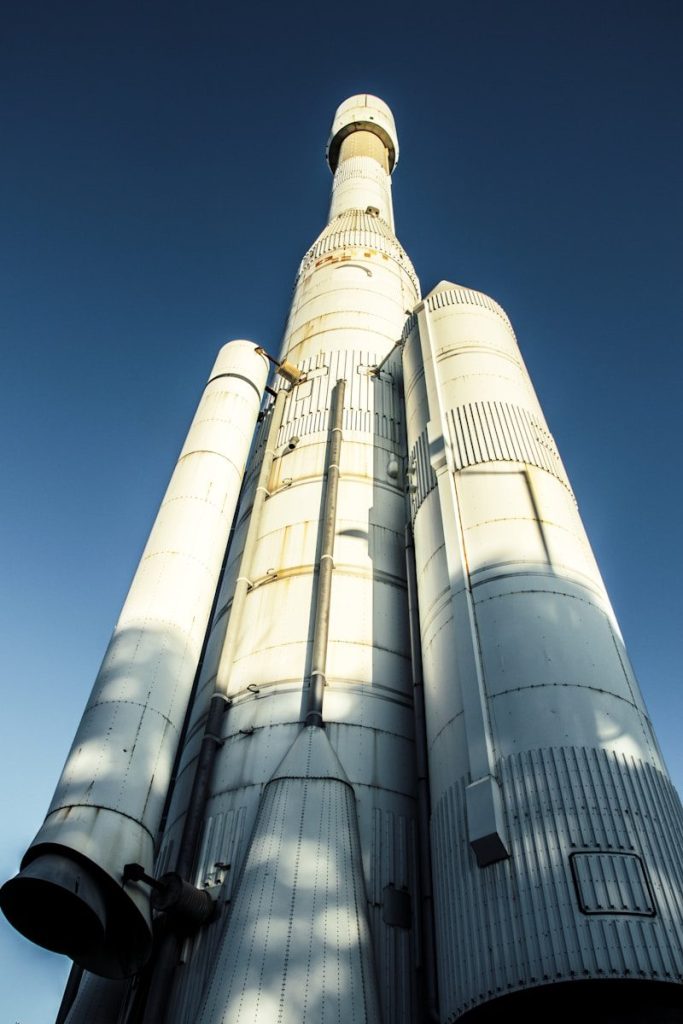
Building a spacecraft of this scale requires dropping expensive carbon materials. According to reports from SpaceX, engineers chose to construct the giant hull from high-strength stainless steel. This metal is tough. The highly polished material performs exceptionally well during the extreme heat of high-speed atmospheric reentry. But lifting this heavy steel tower off the ground demands unprecedented power.
Powering The Starship Boosters
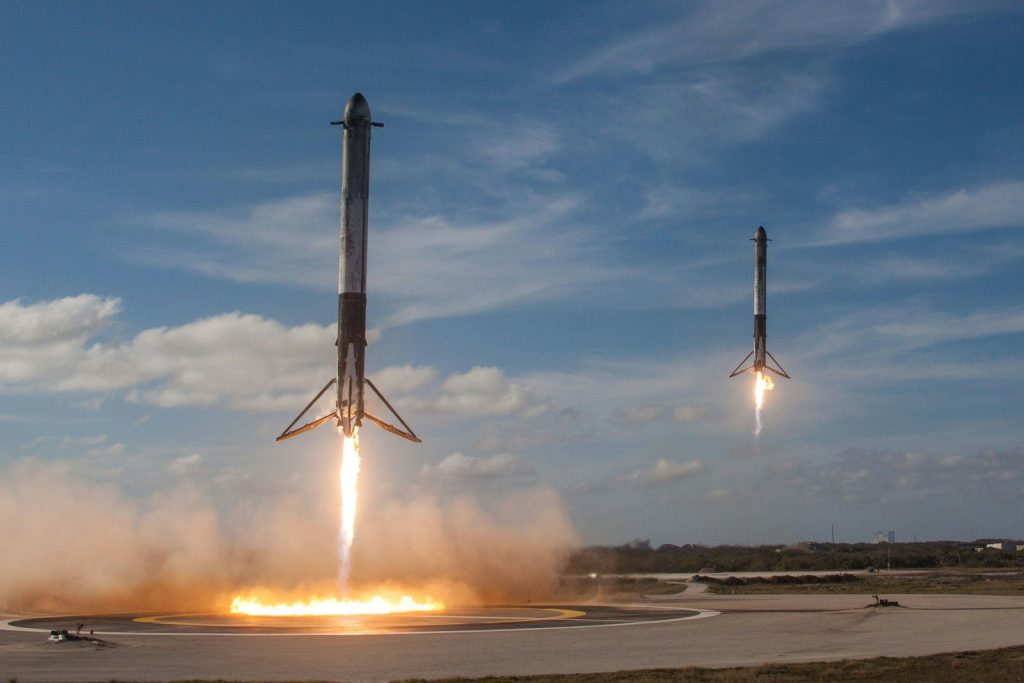
The first stage booster relies on thirty-three advanced engines burning liquid methane and oxygen. According to aerospace propulsion audits, this setup generates more than double the thrust of the historic Saturn Five rocket. The roar is deafening. This fuel choice is vital because it can eventually be manufactured directly on other planets. But returning this massive booster safely to the ground requires a highly unusual maneuver.
The Precise Midair Catch
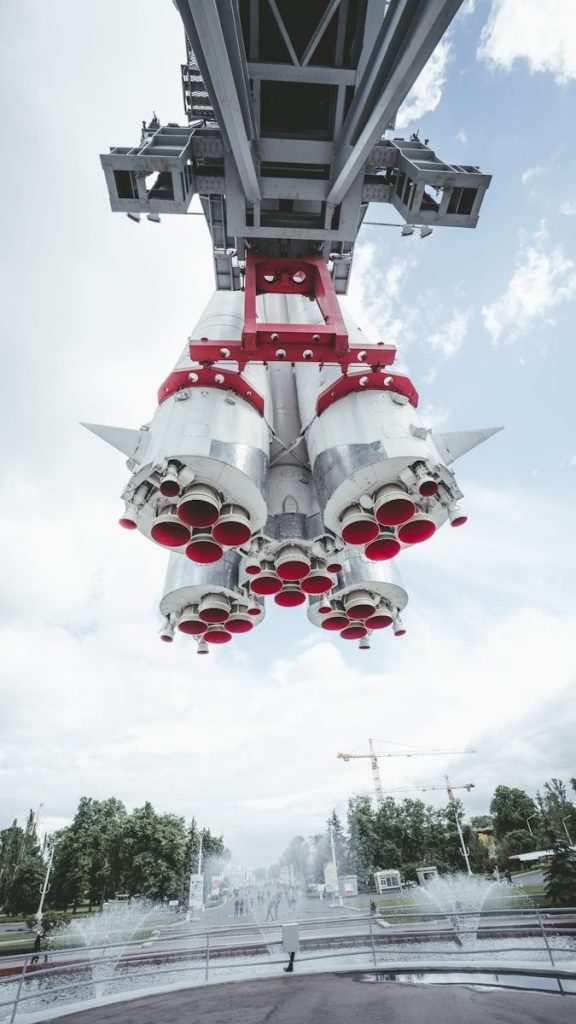
Instead of landing on heavy metal legs, the falling rocket is caught by its launch tower. According to facility designs, massive steel arms on the tower grab the booster before it touches the ground. The maneuver is unbelievable. This precise grab eliminates the weight of traditional landing gear to increase cargo space. But preparing the primary ship for the long deep voyage brings a secondary hurdle.
Refueling In Earth Orbit
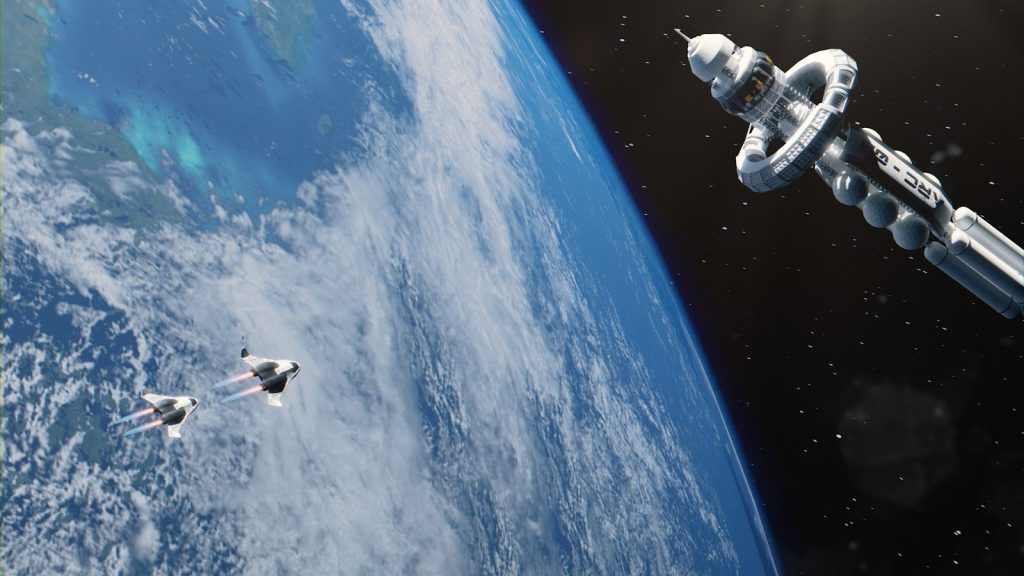
The journey to Mars requires carrying hundreds of tons of fuel into deep space. According to orbital flight studies, specialized tanker ships will deliver liquid oxygen and methane to the main spacecraft. The process is seamless. This orbital transfer ensures the spaceship has enough energy to cross the solar system safely. But surviving the long trek introduces a severe biological threat to the crew.
Invisible Space Radiation Storms
Crews traveling beyond our protective magnetic field face constant exposure to toxic space rays. According to reports from the National Institutes of Health, solar storms can damage human cells on a microscopic level. The danger is real. The spaceship must feature heavy shielding zones to keep astronauts safe during intense solar flares. But settling this colossal tower on alien soil requires a final mechanical miracle.
Landing On Thin Air
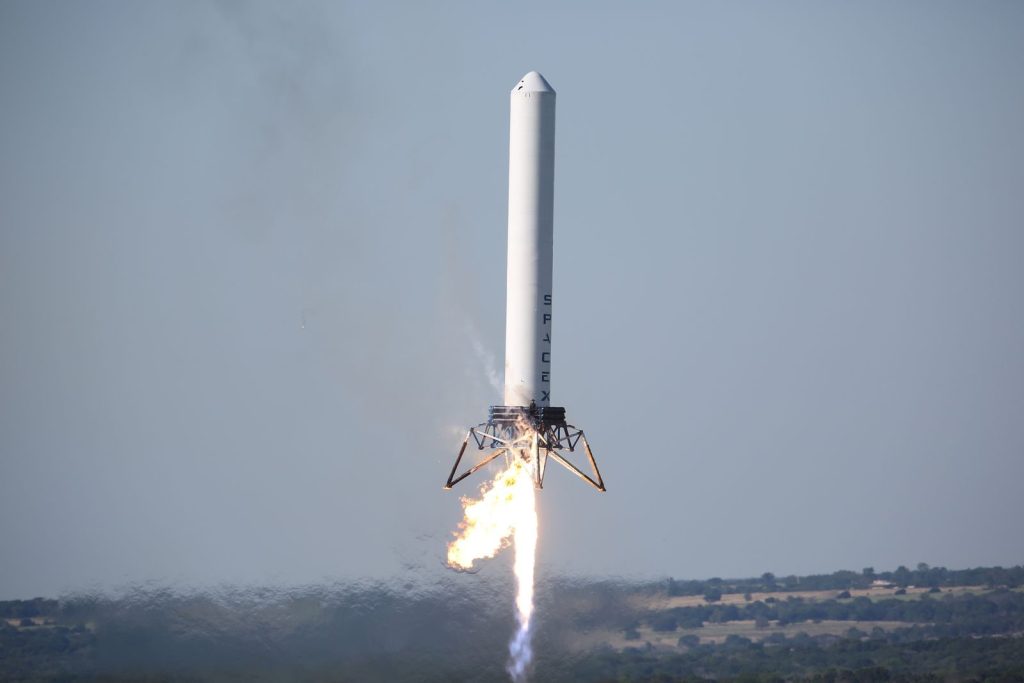
The Martian atmosphere is incredibly thin and offers very little resistance to slow the ship down. According to aerodynamic flight models, the spacecraft must use vertical retro-propulsion to settle gently on the sand. The execution is flawless. This landing method ensures that pioneers can build bases without needing long concrete runways. But growing food in the cold, toxic soil is another major obstacle.
Farming Inside Automated Domes
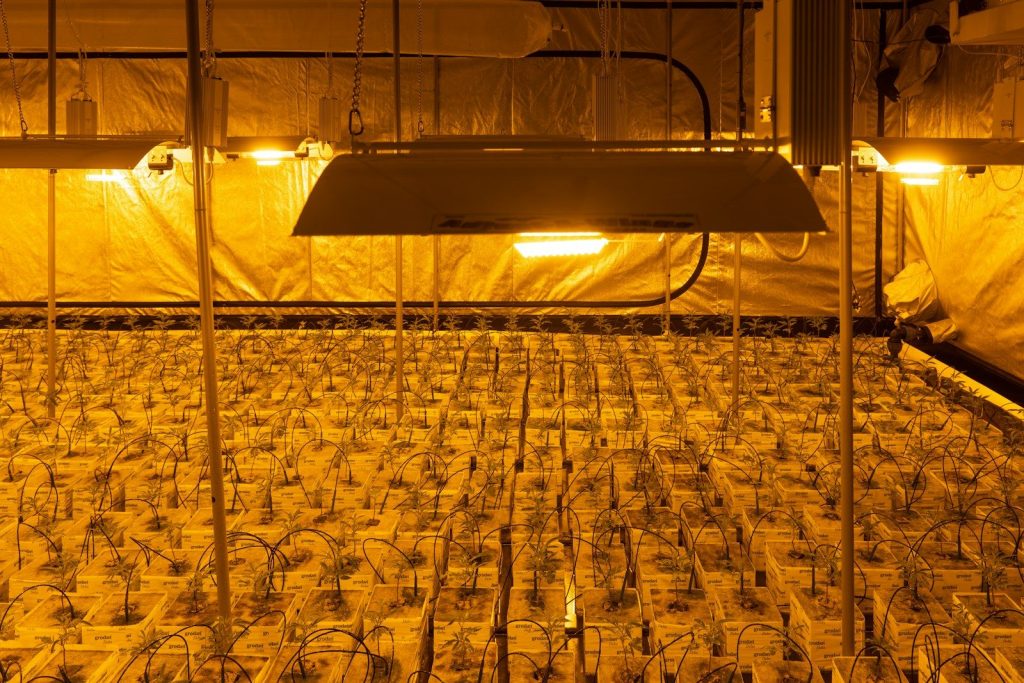
Crops cannot grow easily in cold soil that lacks the organic nutrients of Earth. According to agricultural geologists, early farmers will cultivate vegetables inside automated closed-loop greenhouse systems. They are highly efficient. This smart setup will recycle water and nutrients to feed the growing population safely. But organizing this colony requires a highly advanced network.
Reaching Toward the Stars

Establishing a permanent presence on another world represents the greatest migration in human history. According to astrobiologists, establishing a backup home ensures the long-term survival of our collective knowledge. The future has arrived. This article is for informational purposes only.
Featured Image: Photo by Ocean Camera Space Corp. on Pexels
Leave a Reply