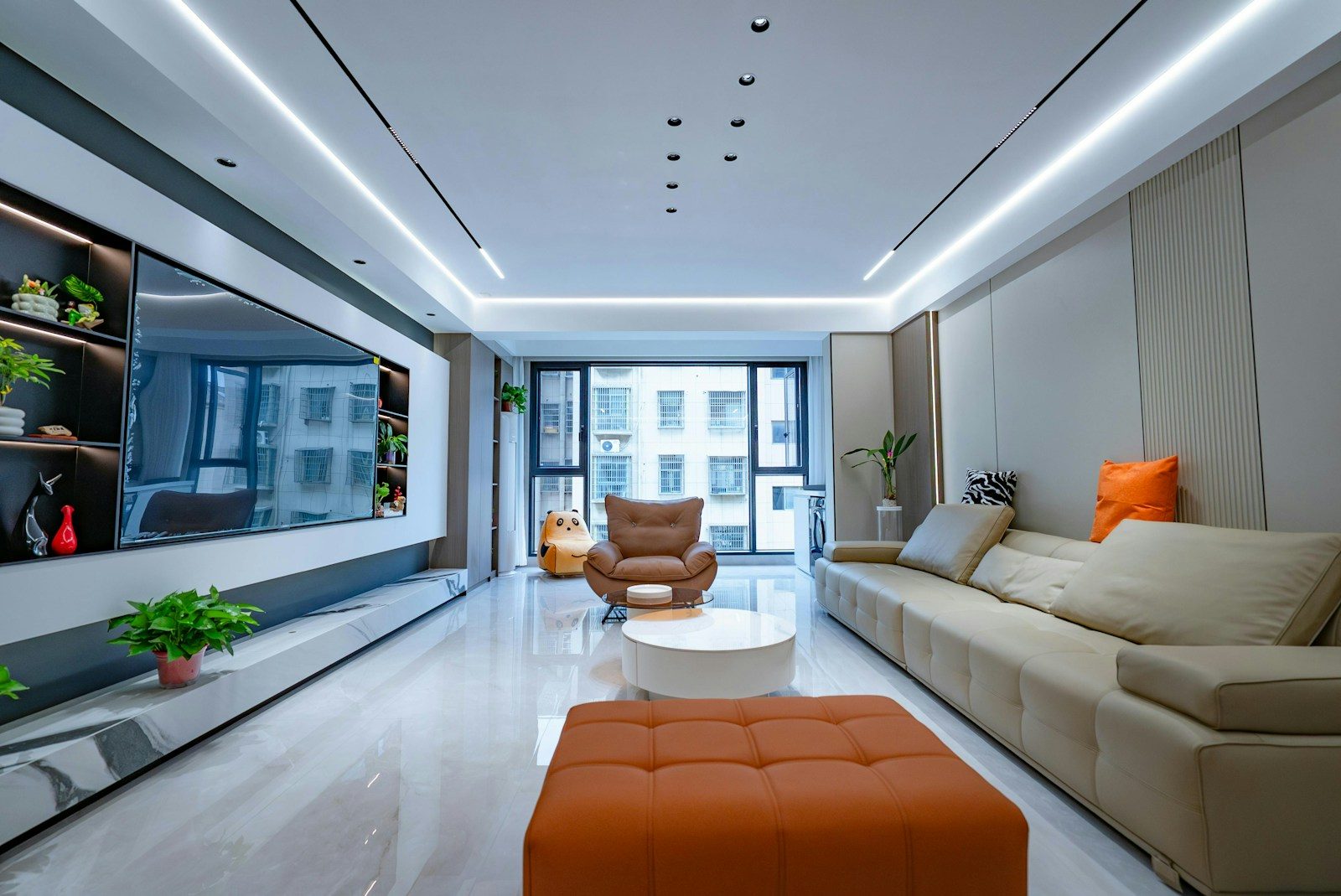
Most modern homeowners assume that LED light bulbs are the perfect replacement for old lighting options. We believe that low energy usage makes these blue-white lights superior in every single room.
But a surprising biological shift is bringing classic incandescent bulbs back into our homes. Their unique continuous color spectrum offers healthy benefits that modern bulbs simply cannot match.
The Blue Light Problem

Many standard LED bulbs emit intense peaks of blue light that can disrupt human biological rhythms. According to a study from Harvard University, exposure to this cool light late at night halts melatonin production. The body wakes up. This chemical block makes it difficult for families to fall asleep and rest deeply. But classic warm bulbs behave in a highly different way.
The Continuous Spectrum Glow
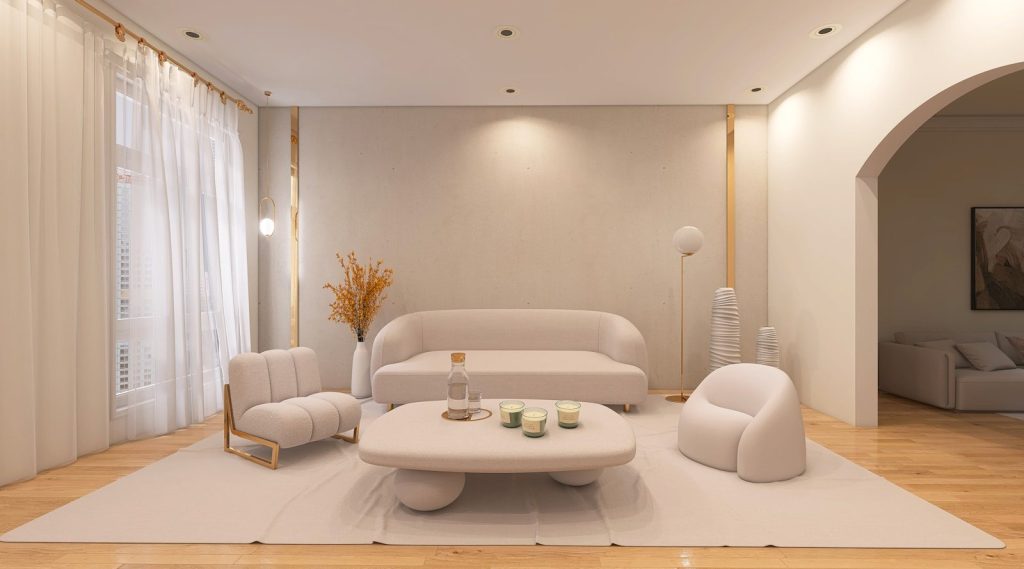
Classic incandescent bulbs generate light by heating a thin metal filament until it glows naturally. According to physics research updates, this thermal glow produces a continuous spectrum that mimics the setting sun. It is highly soothing. This natural light contains almost zero sharp blue peaks, making it incredibly gentle on human eyes. But finding these classic bulbs in modern stores remains a challenge.
The Return Of Specialty Filaments
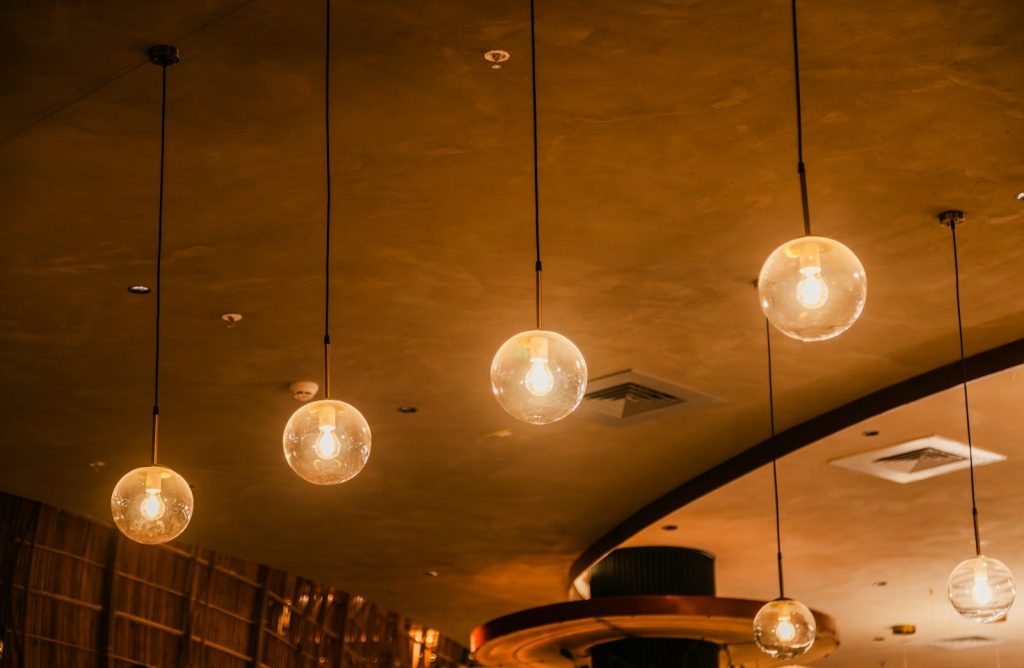
Manufacturing laws previously restricted the sale of standard inefficient light bulbs across the nation. According to retail market analysts, developers are bypassing these rules by designing specialized warm glass fixtures. The loophole is legal. These specialty bulbs are classified as decorative elements, allowing homeowners to purchase them easily. But this vintage revival is also changing how we design cozy rooms.
Designing Cozy Interior Spaces
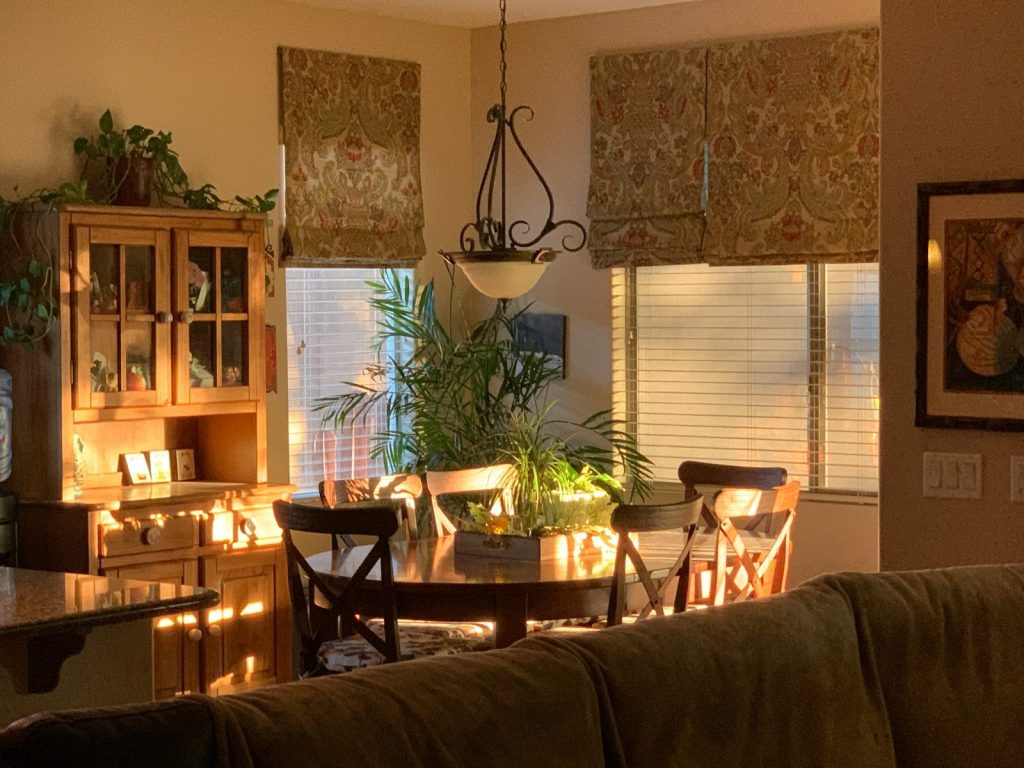
Interior designers are using warm filament bulbs to create relaxing atmospheres inside residential homes. According to lighting design guides, warm amber light can lower stress levels and reduce evening eye strain. The change is immediate. This cozy environment helps the brain prepare for sleep naturally after a busy day. But managing the energy use of these classic bulbs is a major concern.
Balancing Efficiency and Health

While filament bulbs consume slightly more electricity, their biological benefits can outweigh the minor costs. According to sleep health specialists, using warm bulbs strictly in bedrooms and living rooms is the ideal setup. It is remarkably simple. This targeted placement protects your sleep cycle while keeping your total energy bill low. But device developers are also working on a clever compromise.
Smart Spectrum Adjustments
Some technology firms are designing advanced LED bulbs that can mimic the warm glow of filaments. According to product testing logs, these smart systems adjust their color outputs automatically throughout the day. They are highly active. This digital shift helps families enjoy the efficiency of LEDs without the toxic blue spikes. But the ultimate success of these systems depends on consumer adoption.
Caring For Your Body

Choosing the right lighting in your home is a simple way to protect your long-term health. According to medical researchers, aligning your indoor environment with natural solar cycles preserves your physical well-being. Healthy choices matter. This article is for informational purposes only.
Leave a Reply