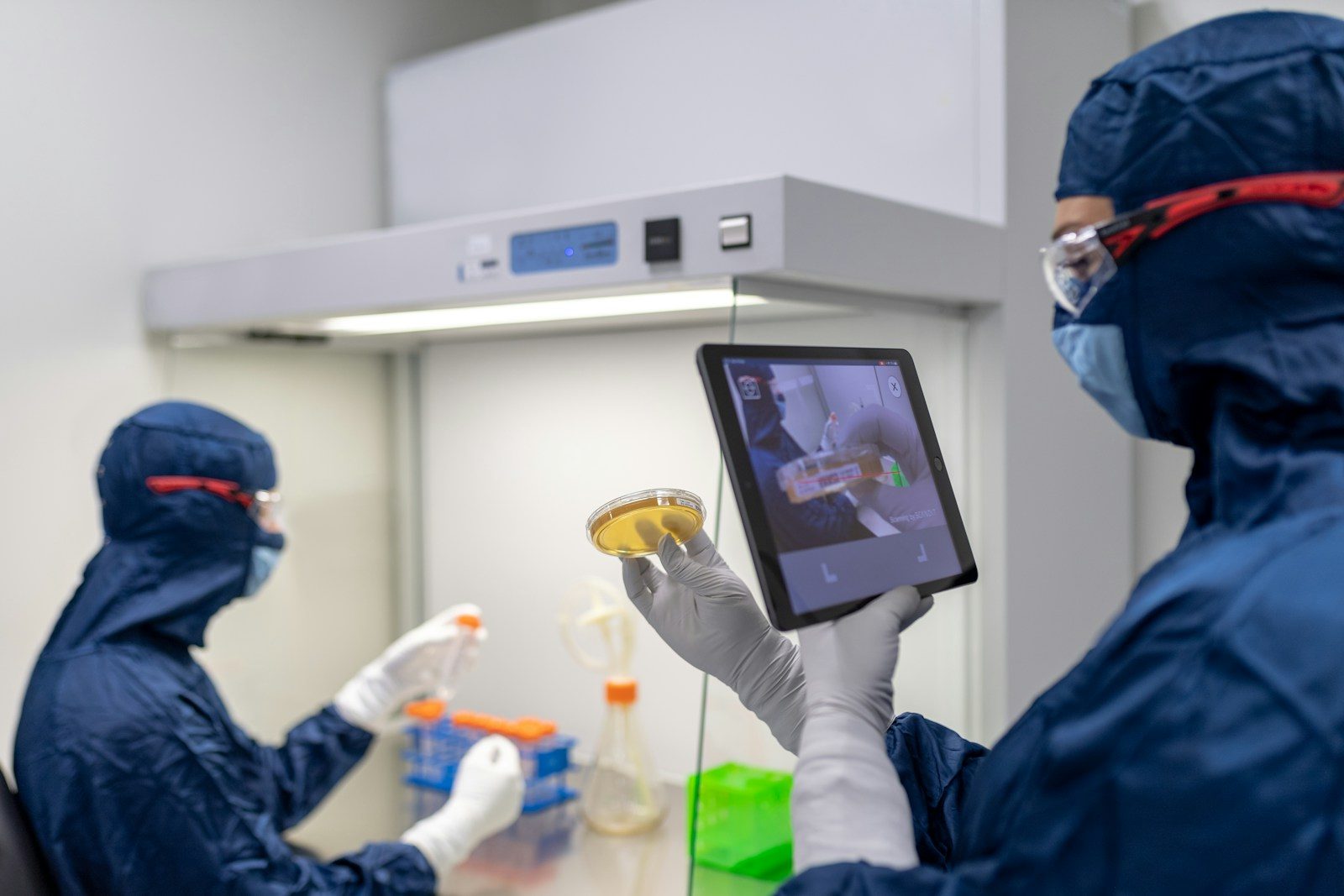
Most medical researchers assume that finding new drugs requires decades of slow laboratory testing. We believe that human chemists must manually check millions of compounds to discover safe treatments.
But a spectacular leap in artificial intelligence has completely shattered this old timeline. A custom neural network has successfully discovered a powerful new antibiotic.
The Growing Superbug Crisis
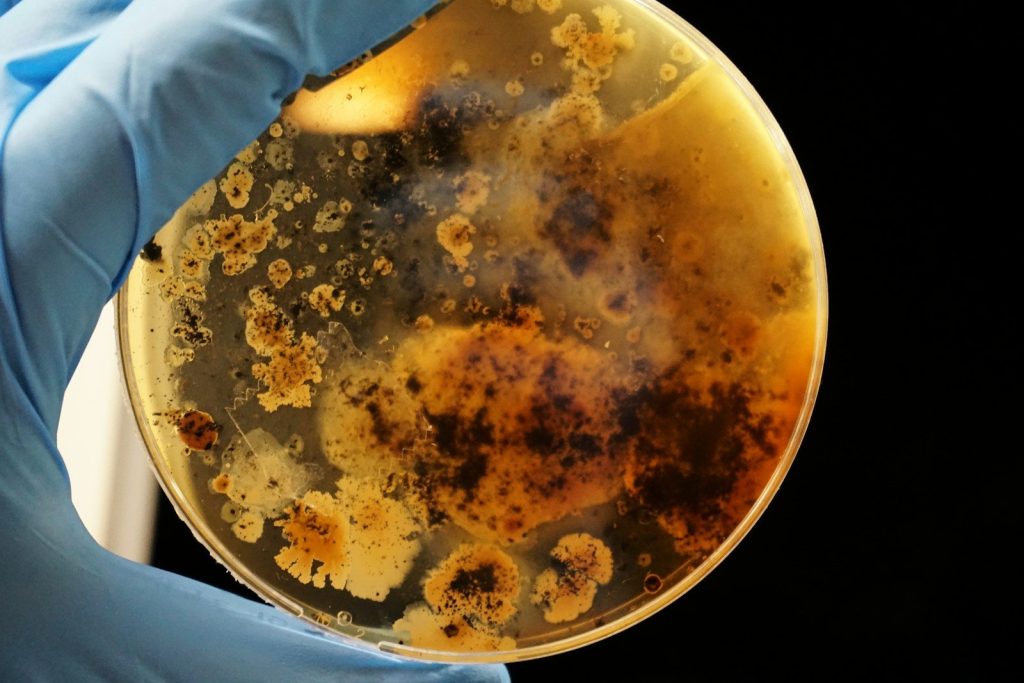
Many common bacteria are rapidly developing resistance to our existing medical treatments. According to reports from the World Health Organization, this genetic adaptation poses a severe threat to global public health. The danger is rising. Traditional research methods struggled to keep pace with these fast-evolving pathogens. But a fresh computational approach was about to change the entire search.
Training The Neural Network

Scientists designed a specialized deep learning model to scan vast libraries of chemical structures. According to a study published in Nature, researchers at the Massachusetts Institute of Technology trained the algorithm on thousands of known compounds. The math was complex. The system analyzed which atomic patterns were most effective at killing hostile bacteria. But this digital brain was about to discover an overlooked compound.
Spotting The Hidden Molecule

The artificial intelligence successfully identified a unique molecule that bypassed standard drug designs. According to the published research, this compound was completely different from any existing antibiotic in use today. It was highly effective. The software predicted the molecule could easily destroy drug-resistant strains. But verifying these digital predictions required launching direct physical tests.
Disrupting Hostile Cell Walls
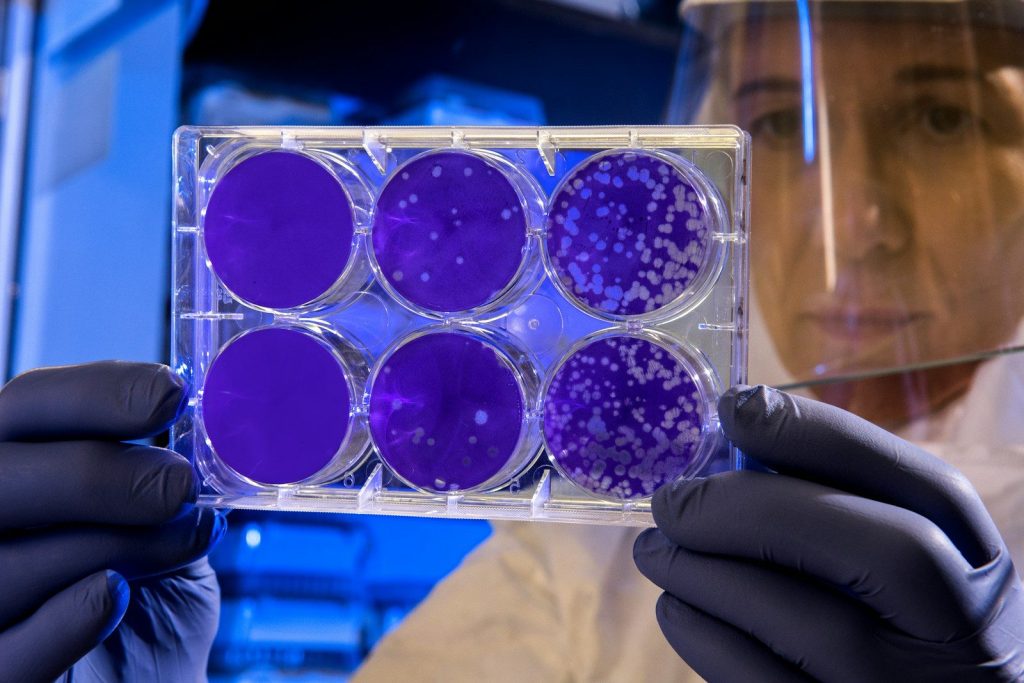
Laboratory testing proved that the newly discovered drug could easily penetrate bacterial defenses. According to microbiologists, the compound targets the cell walls of the bacteria in a highly unusual way. The attack was swift. This unique mechanism makes it incredibly difficult for the superbugs to develop resistance. But this medical breakthrough is already reshaping how we design future drugs.
Accelerating Drug Discovery

Traditional pharmaceutical development can take over ten years to bring a single drug to market. According to technology industry analysts, using smart algorithms can reduce this timeline to just a few weeks. The savings are massive. This efficiency allows researchers to respond instantly to emerging viral threats. But managing this automation requires maintaining strict human oversight.
The Vital Human Guide

While algorithms are incredibly fast, they cannot replace the safety validation of human scientists. According to clinical trial directors, expert medical teams must still verify each chemical output before patient testing. They are highly cautious. This collaborative approach keeps the drug development pipeline stable and safe. But the success of this project is opening up a bold new era.
Unlocking Next Generation Medicine

Mastering artificial intelligence in biology is the ultimate key to conquering complex global diseases. According to researchers, this milestone proves that smart software can solve our most critical health challenges. Innovation remains essential. This article is for informational purposes only and does not constitute scientific or professional advice.
Featured Image: Photo by Toon Lambrechts on Unsplash
Leave a Reply