
Most ocean explorers assume that the deepest marine trenches are completely barren wastelands. We believe that intense water pressures make survival impossible for complex animal life.
But a spectacular marine expedition has challenged this geological timeline. Researchers have captured footage of a bizarre creature swimming at extreme depths.
Descending Into The Trench
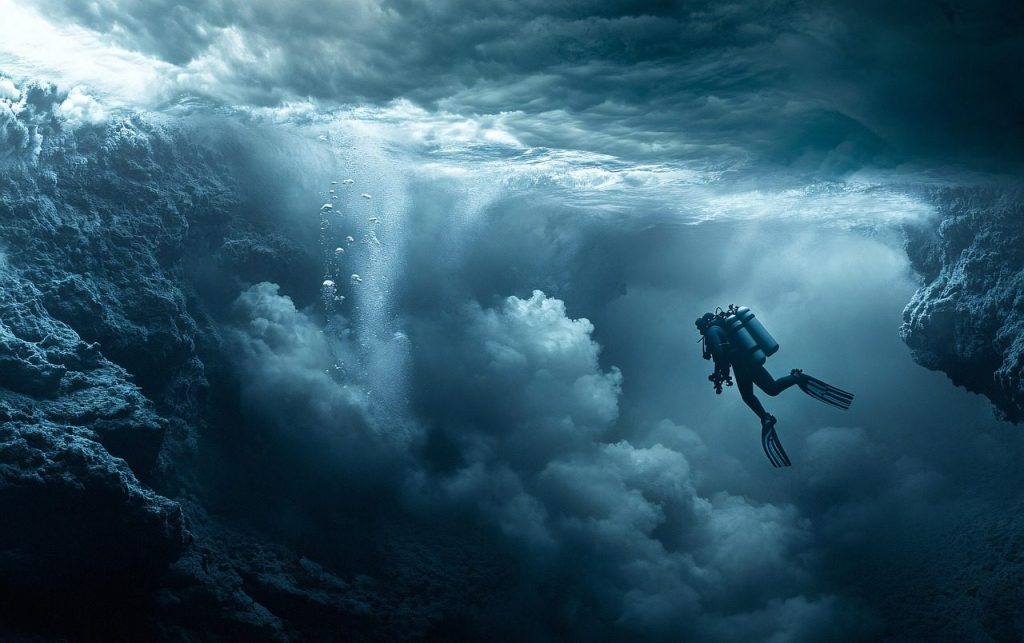
Exploring the deepest oceanic zones requires specialized equipment built to withstand crushing pressures. According to the Japan Agency for Marine-Earth Science and Technology, researchers deployed an unmanned camera system into the Izu-Ogasawara Trench. The dark was absolute. The vehicle descended thousands of meters beneath the surface to scan the seafloor. But their camera was about to capture a highly unexpected resident.
The Ghostly Snailfish Discovery
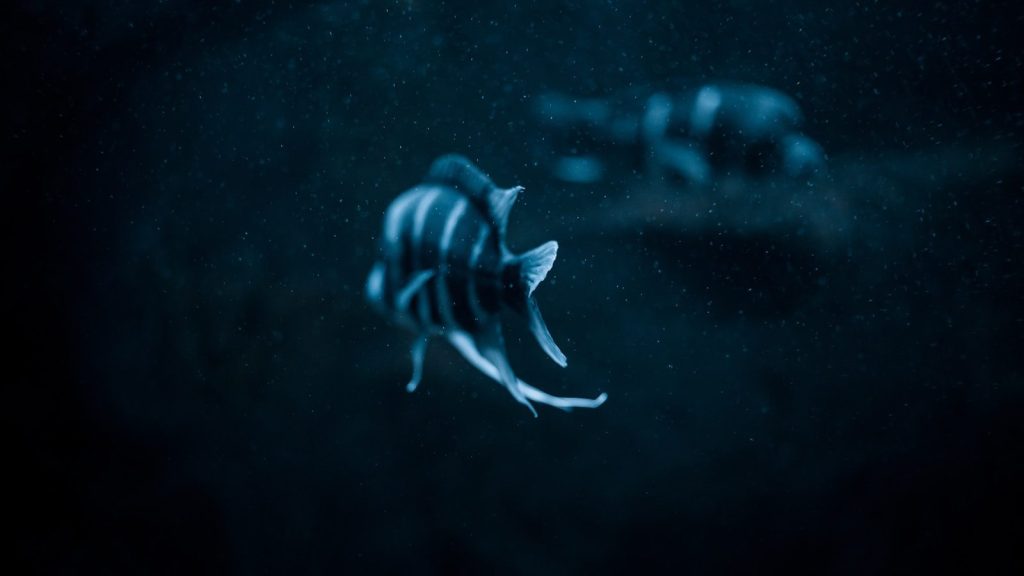
A pale fish drifted slowly into the bright light of the camera rig. According to marine biologists, the bizarre creature was a previously unmapped species of snailfish. It was remarkably delicate. Its gelatinous body allowed it to survive where other animals would be crushed instantly. But explaining how this fragile fish resists the extreme pressure remains a massive puzzle.
Resisting Crushing Water Pressures

Water pressure at these extreme depths is several hundred times greater than at the surface. According to oceanographic research papers, the fish possesses unique cellular membranes that remain flexible under intense pressure. The skin was soft. This structural adaptation keeps their organs functioning in the deep ocean. But this biological design holds an even stranger chemical secret.
Protecting Vital Proteins

Extreme depth can cause standard biological proteins to lose their shape and fail completely. According to biochemical reports, deep-sea creatures use a specialized organic compound to stabilize their internal cellular structures. This is a shield. The compound prevents the proteins from collapsing under the weight of the water. But tracking their diet in this barren zone revealed another mystery.
Feeding In Pure Darkness
No sunlight can reach these deep trenches to support standard marine plant growth. According to deep-sea surveys, the food web relies entirely on organic debris falling from the surface. The food was scarce. Tiny organisms feed on this falling debris, providing a vital source of energy for the predatory snailfish. But these creatures also possess highly specialized sensory networks.
Sensing Hidden Movements
Surviving in complete darkness requires finding prey without using standard visual cues. According to neurological studies, the deep-sea fish uses a complex system of fluid-filled pores to detect tiny vibrations in the water. They are highly alert. This sensory setup allows the hunter to locate prey moving through the mud. But the extreme limits of this deep habitat continue to challenge researchers.
Pushing Underwater Exploration

Reaching these deep trenches represents a major technological milestone for oceanography. According to mechanical engineering logs, designing camera systems that survive these environments requires advanced titanium casings. The engineering is complex. These deep missions are helping scientists map the absolute limits of terrestrial biology. But our understanding of these deep zones is still in its infancy.
Secrets Of Deep Trenches
The spectacular discovery off the coast of Japan proves that our oceans still hold boundless biological mysteries. According to researchers, studying these deep-sea survivors helps us understand how life might adapt to extreme conditions on other planets. The deep keeps secrets. This article is for informational purposes only.
Leave a Reply