
Most daily web users assume that the internet is populated entirely by real people chatting and sharing ideas. We believe that we are interacting with human minds when scrolling through social media.
But a staggering digital shift has quietly taken over the global network. Security specialists have revealed that automated bot programs now make up the absolute majority of web traffic.
The Invisible Majority
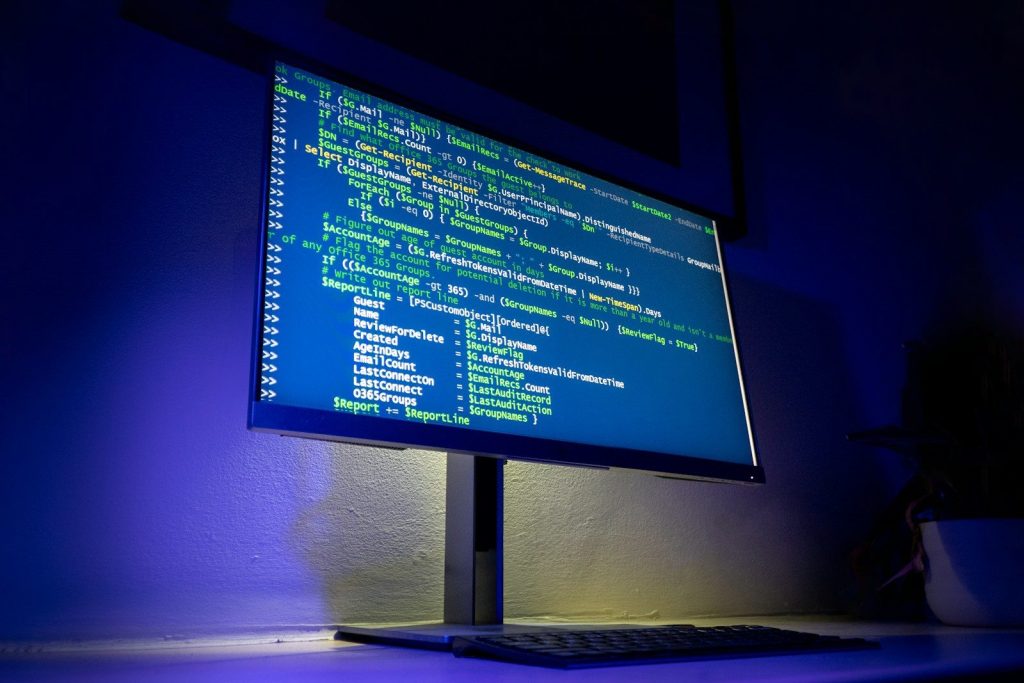
The digital world is experiencing a quiet takeover by automated software codes. According to reports from the cybersecurity firm Imperva, over fifty percent of all global internet traffic is generated by bot systems. They are completely invisible. This means that more than half of the web is run by automated tasks. But this digital crowd is divided into separate groups.
Friendly Helpful Bots

Many automated programs perform essential services that keep the modern internet running smoothly. According to software engineering audits, search engine crawlers and customer service bots help users find info and manage requests daily. They are highly efficient. These good bots ensure that digital systems coordinate traffic smoothly across the network. But a dark side is rising rapidly in the background.
The Malicious Invaders

A massive volume of web traffic belongs to hostile automated networks designed to extract personal data. According to digital security firms, bad bots launch constant cyber attacks and scrape private accounts for financial gain. They are highly aggressive. This malicious traffic places an immediate strain on secure corporate servers. But these invaders are also mimicking human behavior.
Copying Human Interactions

Advanced AI bots can now mimic the typing patterns and scrolling speed of real people. According to computer science researchers, these systems are designed to bypass standard security filters and capture assets. The software is clever. This adaptive behavior makes it incredibly difficult for networks to block the automatic scripts. But this silent traffic is draining physical energy grids.
Draining Power Resources
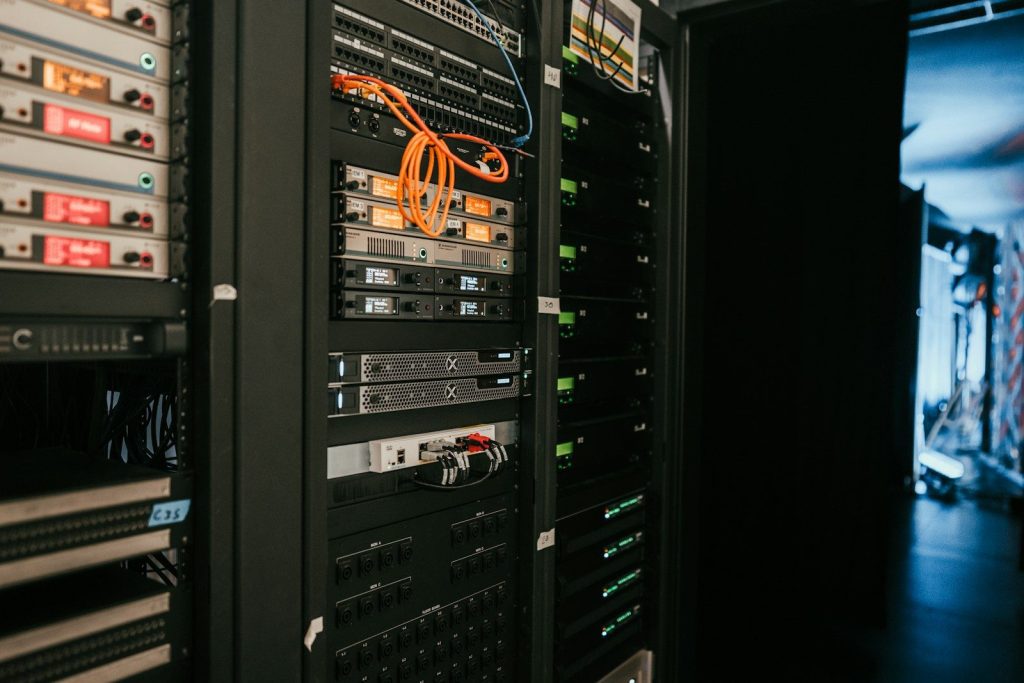
Running millions of constant bot scripts drains an incredible amount of raw electricity from server hubs. According to energy grid studies, data centers are consuming massive amounts of cooling water and power to run these automated programs. The load is massive. This energy crunch is raising utility costs for local communities downwind. But tech developers are building a defensive barrier.
Rebuilding Digital Defenses

Cybersecurity teams are deploying advanced pattern recognition tools to identify and halt malicious automated traffic. According to reports from the Department of Homeland Security, verifying authentic user activity is the absolute key to securing the future web. This is vital. This active defense keeps private networks stable against bot swarm attacks. But the ultimate future of the internet remains uncertain.
A Secured Digital Space

Balancing our reliance on helpful automated programs with robust cybersecurity is the great challenge of modern computing. According to technology historians, taking control of our networks ensures a safer connected space for all global users. Awareness remains our best shield. This article is for informational purposes only.
Featured Image: Photo by Markus Stickling on Unsplash
Leave a Reply