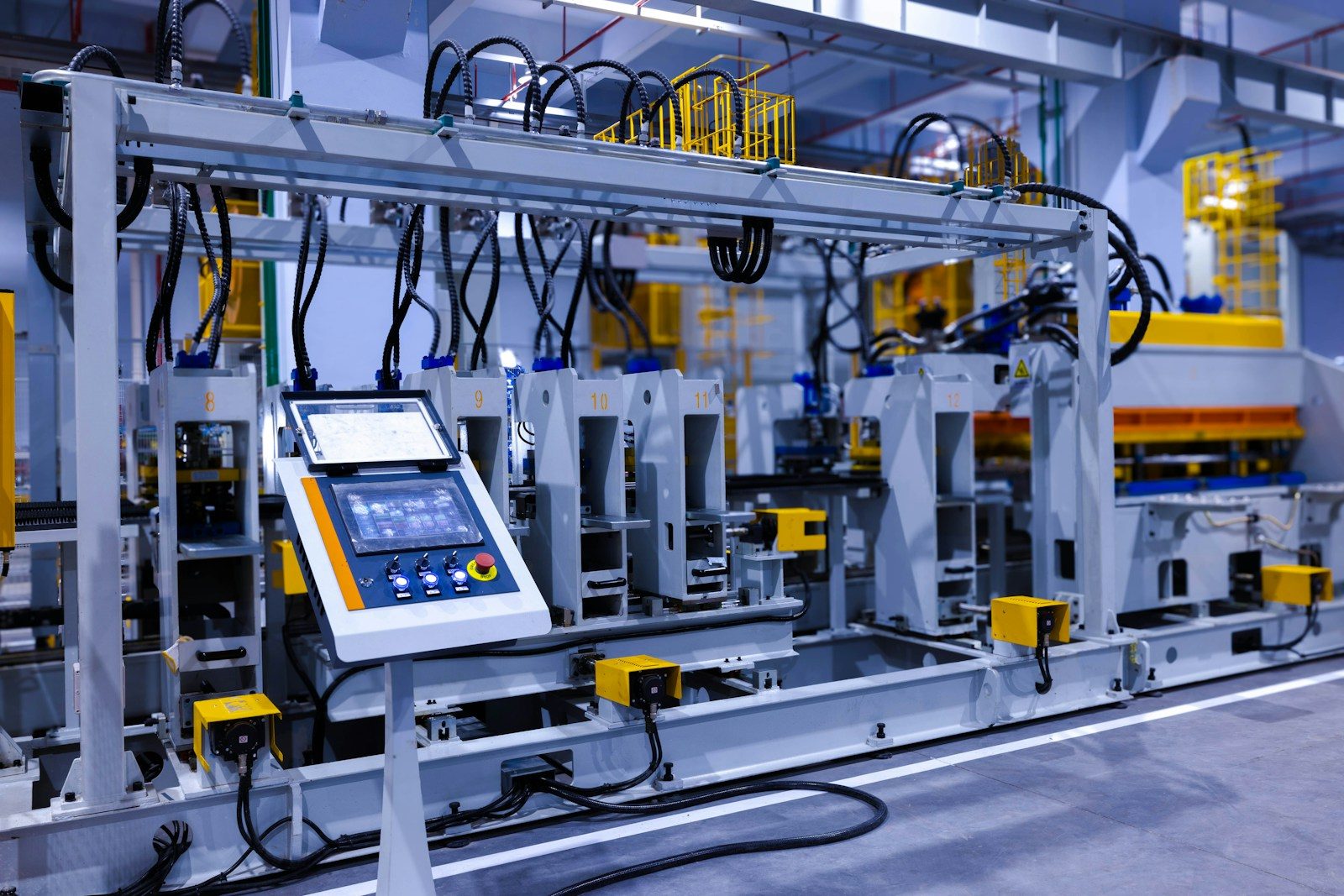
Most manufacturing engineers believe that building a car requires welding hundreds of small metal sheets together. We assume that traditional assembly lines are already built to their maximum efficiency limits.
But a giant heavy casting technique is completely changing how factories operate. This radical machine allows builders to stamp out large vehicle sections as a single solid piece.
Unveiling The Giga Press
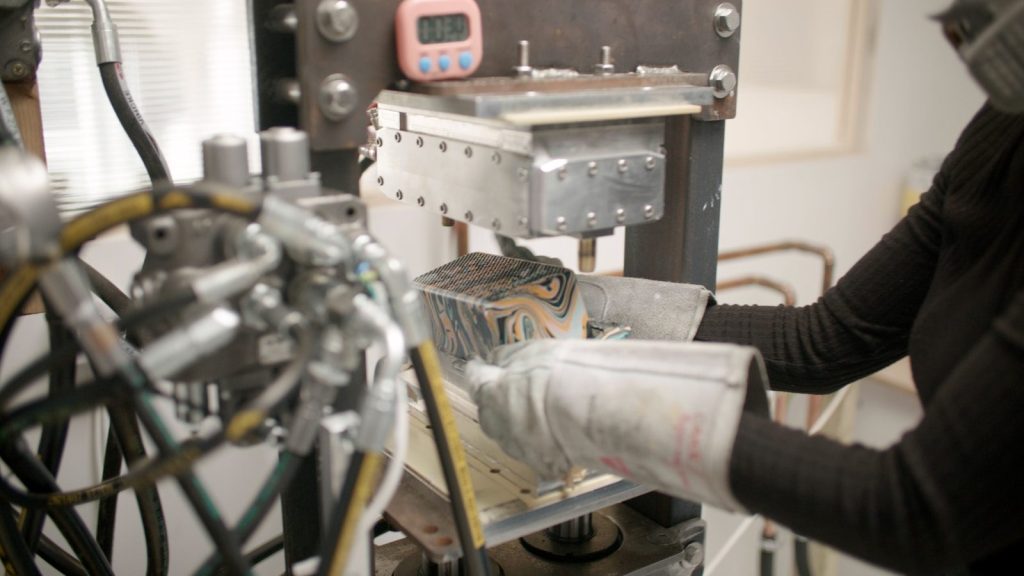
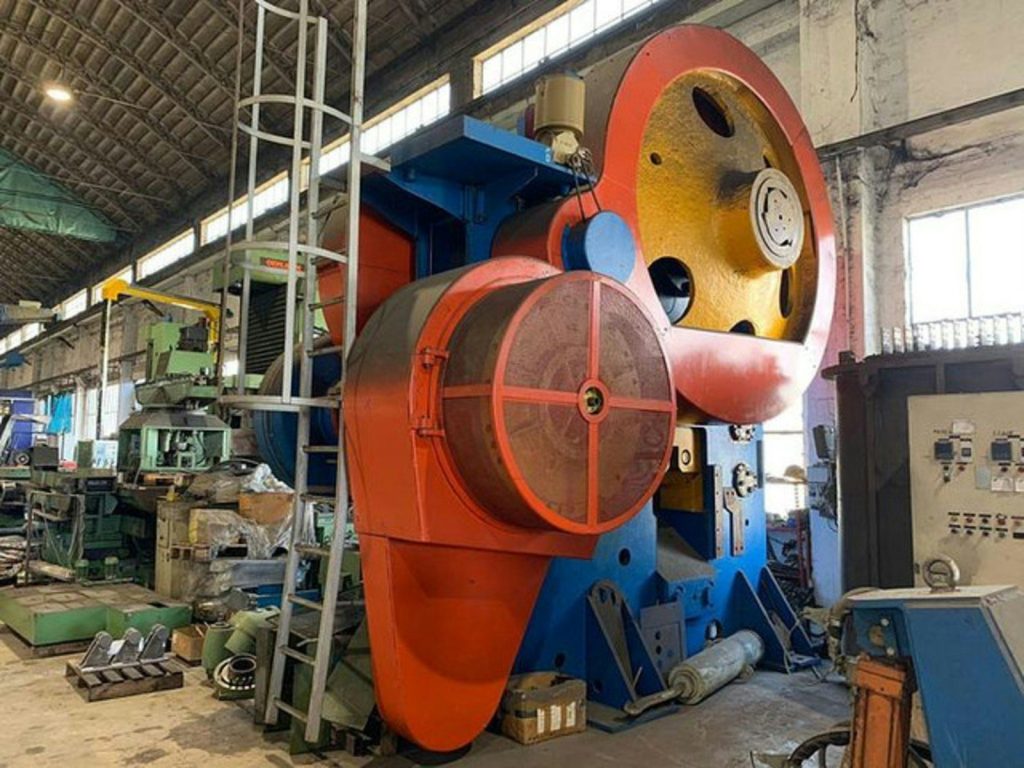
Traditional vehicle assembly relies on stamping and welding dozens of individual steel panels. According to reports from the Society of Automotive Engineers, this new process uses a massive high-pressure mold to cast large frames. The machine is colossal. This giant press forces molten aluminum into a mold with absolute precision in seconds. But managing this extreme pressure requires a specialized metal recipe.
Designing Advanced Aluminum Alloys
Standard cast metals can crack easily when subjected to high structural stress on the road. According to materials science research studies, engineers developed a custom aluminum alloy that cools rapidly. They succeeded. This specialized material eliminates the need for expensive heat-treating cycles after the metal leaves the mold. But speeding up production requires an entirely new factory layout.
Shrinking The Assembly Floor
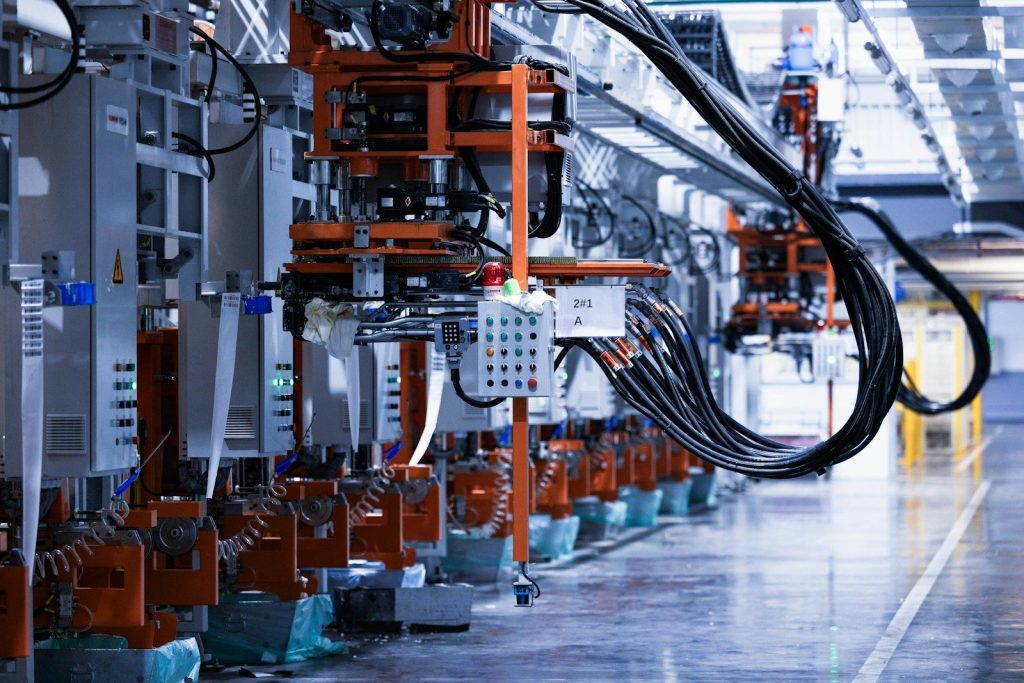
Welding thousands of small parts normally requires massive assembly halls filled with expensive robotic arms. According to factory efficiency audits, replacing these traditional robots with a single casting press reduces factory size significantly. Space is saved. This compact layout allows companies to build vehicles using a fraction of the floor space. But this structural shift also introduces a major safety question.
Meeting High Safety Standards

Critics worry that a single large cast part might not absorb crash impacts safely on the road. According to crash test data from the National Highway Traffic Safety Administration, these solid cast frames perform exceptionally well. They are tough. The integrated design distributes impact energy evenly around the passenger cabin to protect occupants. But repairing these solid metal structures presents a major financial challenge.
Resolving The Repair Dilemma
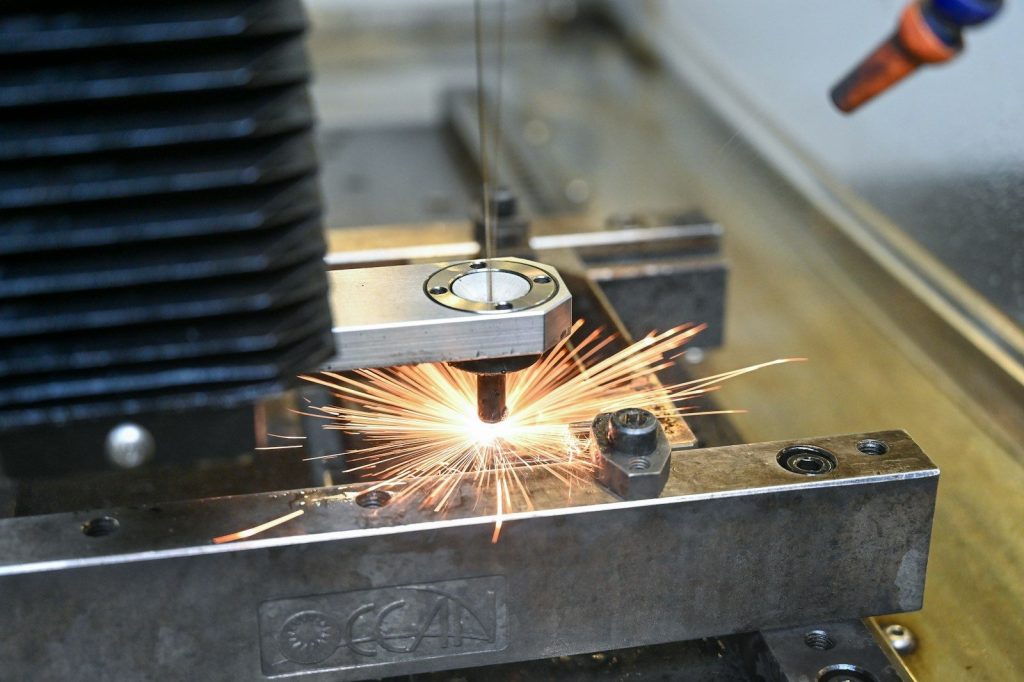
Shedding individual parts means that a minor fender bender could theoretically ruin an entire frame. According to automotive insurance reports, repair shops are developing specialized cutting and replacement methods to fix cast sections. The work is precise. Technicians can swap out damaged frame ends without needing to replace the whole vehicle structure. But this casting trend is already spreading to other manufacturers.
Driving Global Factory Change
Auto manufacturers around the world are currently racing to install their own giant casting presses. According to industry analyst reports, companies realize they must adopt this system to compete on price and speed. The race is on. This transition is forcing engineers to redesign vehicle platforms from the ground up for casting. But the ultimate success of this technology depends on moving toward complete automation.
Restructuring Industrial Production

Transitioning to solid-cast manufacturing is quietly rewriting the rules of the industrial world. According to manufacturing historians, this production leap represents the biggest change to car assembly lines since the early days of mass production. The future of manufacturing is here. This article is for informational purposes only.
Featured Image: Photo by Homa Appliances on Unsplash
Leave a Reply