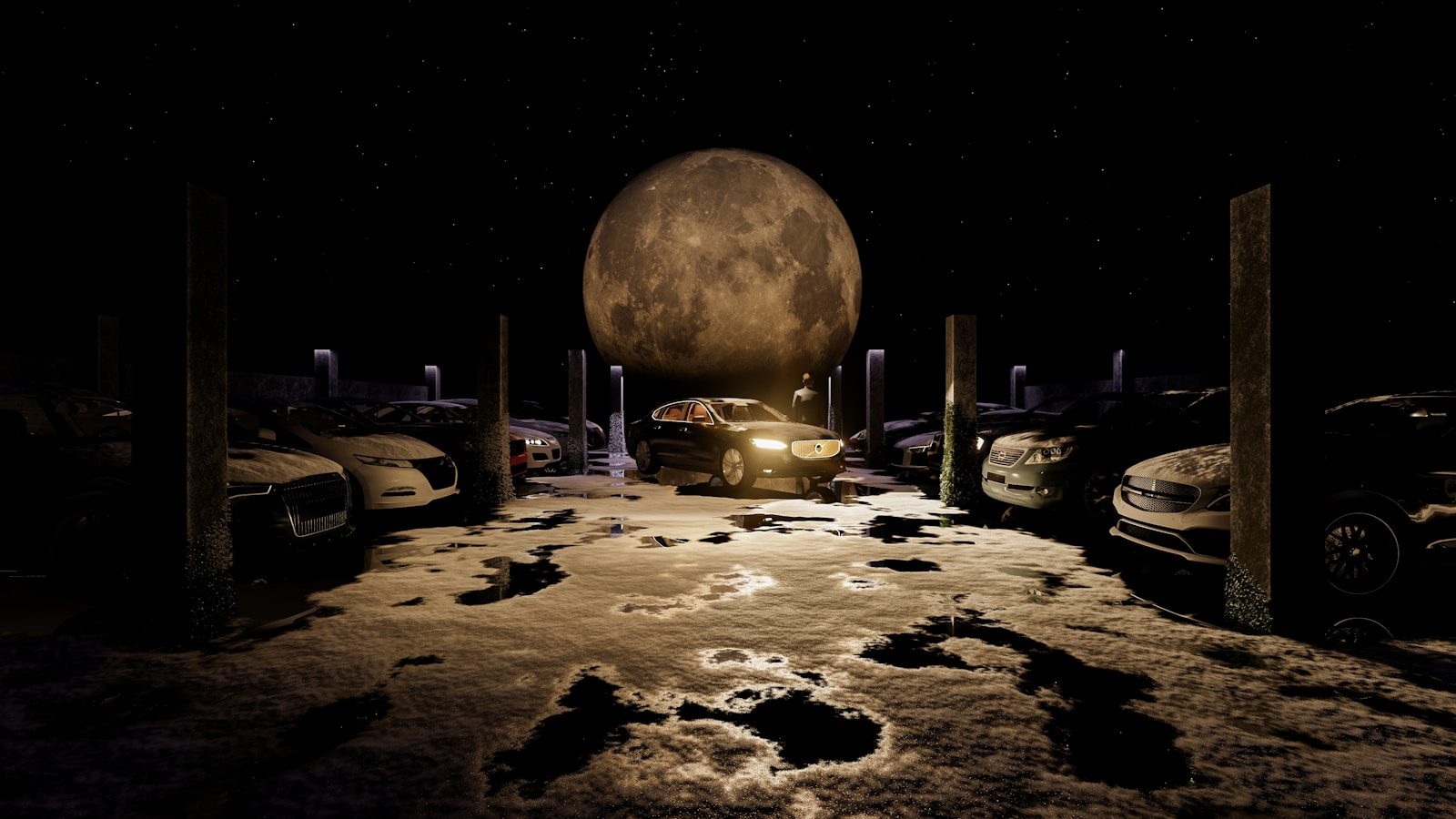
Most space lovers assume that living on the moon requires wearing heavy spacesuits forever. We believe that lunar bases will always remain simple metallic research tents.
But advanced architecture is completely changing this dusty picture. Engineers are designing cozy underground shelters that feel remarkably like home.
Surviving Extreme Solar Rays
Leaving the natural magnetic shield of our planet exposes explorers to constant cosmic radiation. According to NASA, early structures must be buried under thick layers of lunar soil to block these rays. The rocks are heavy. This heavy soil blanket will keep the living spaces safe and stable. But blocking radiation is only the first design puzzle.
Building Inside Volcanic Caves
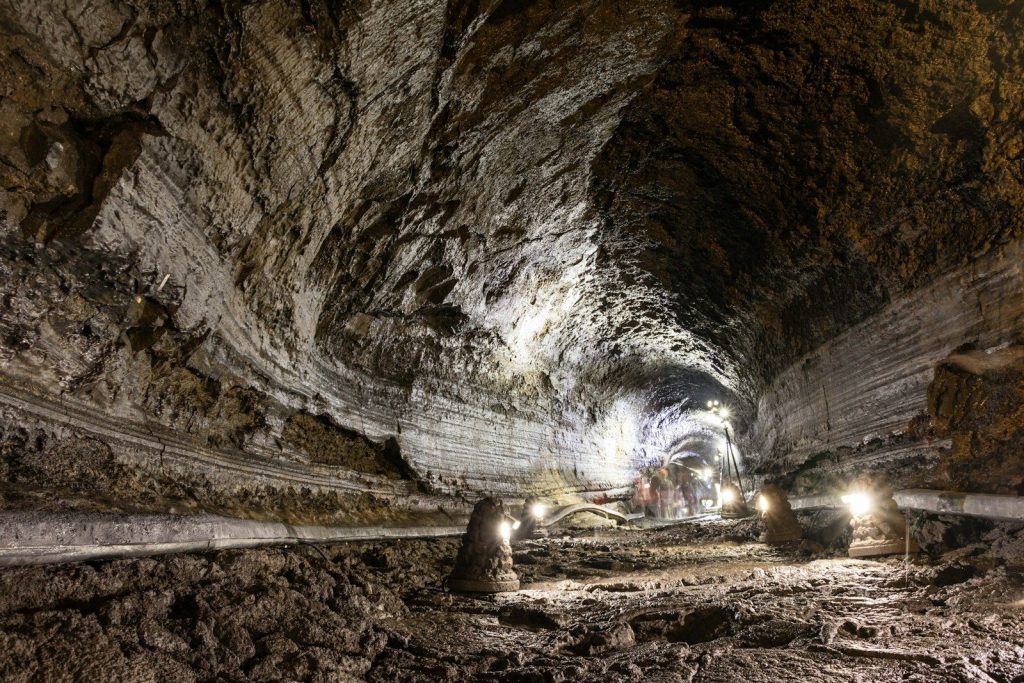
Instead of building directly on the surface, engineers want to locate bases underground. According to geological reports from the European Space Agency, massive ancient lava tubes run deep beneath the lunar crust. They are giant. These stone tunnels offer a stable climate that does not shift during intense day and night cycles. But sealing these natural caves requires a highly specialized material.
Spraying Liquid Polymer Seals
Lava rock is naturally porous and would easily let breathable air escape into the vacuum. According to a study by materials scientists, construction crews will spray thin protective polymers onto the stone walls to create a tight seal. This is critical. The specialized coating will trap valuable oxygen inside the living quarters. But keeping the air fresh requires a continuous recycling system.
Creating Endless Clean Water
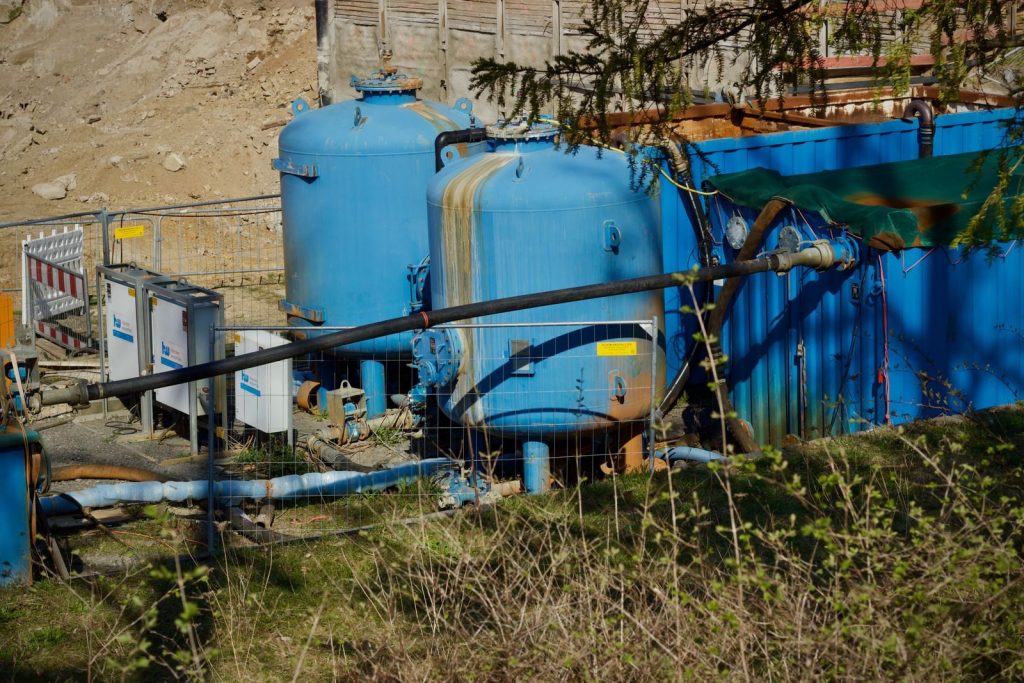
A permanent base cannot survive without a constant supply of clean drinking water. According to reports from lunar hydration studies, automated systems will extract frozen ice directly from polar craters. They are freezing. This ice will be melted and filtered through closed-loop systems to run the colony. But generating enough electricity to power these water factories is another challenge.
Gathering Winter Solar Power
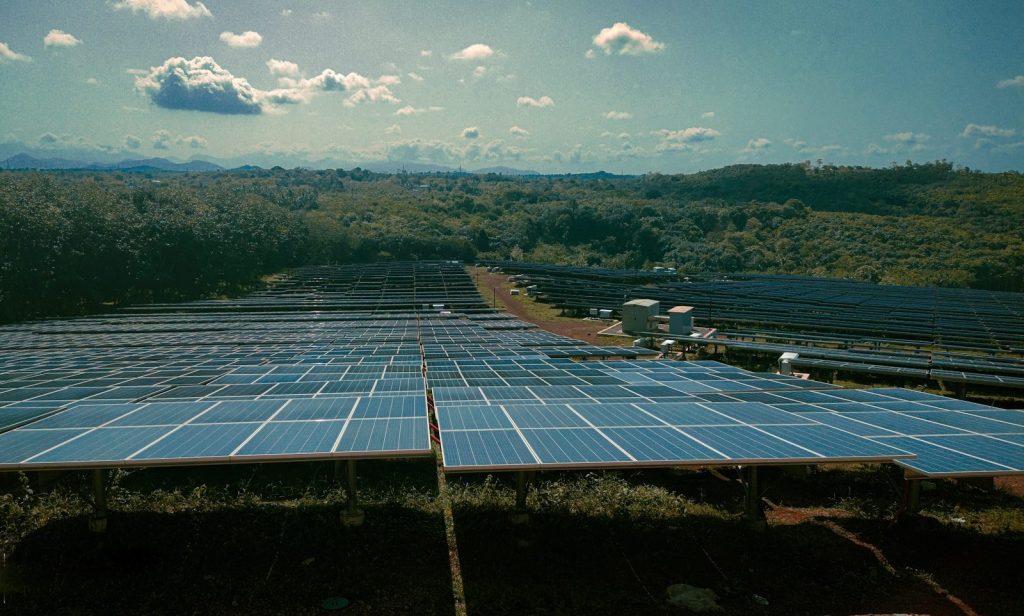
The lunar night brings two weeks of absolute darkness and freezing temperatures. According to reports from solar energy developers, bases will use giant vertical mirrors placed on crater rims to capture constant sunlight. The mirrors are smart. These solar tracking systems will guide clean energy down to the dark underground habitats. But storing this harvested power requires a highly unique battery grid.
Projecting Natural Green Spaces
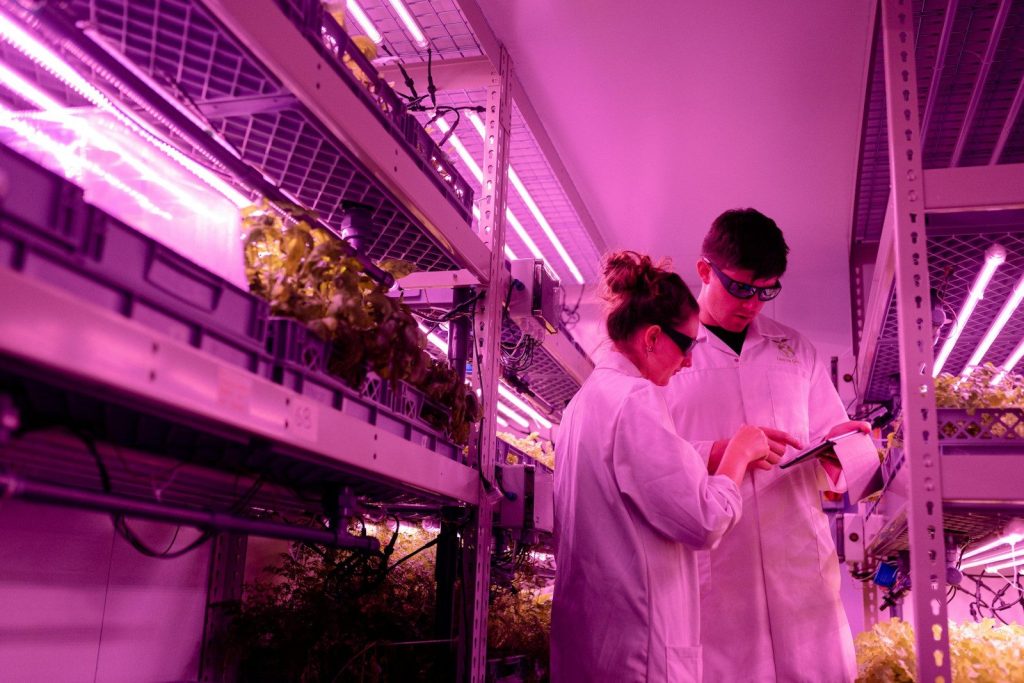
Living in stone tunnels can make astronauts feel disconnected from the natural world. According to psychological studies from Harvard University, installing bright vertical farms and simulated windows reduces isolation. Plants are vital. This green vegetation will boost oxygen levels and provide fresh food for the crew. But the ultimate success of these bases depends on robotic help.
Stepping Into Lunar Cities
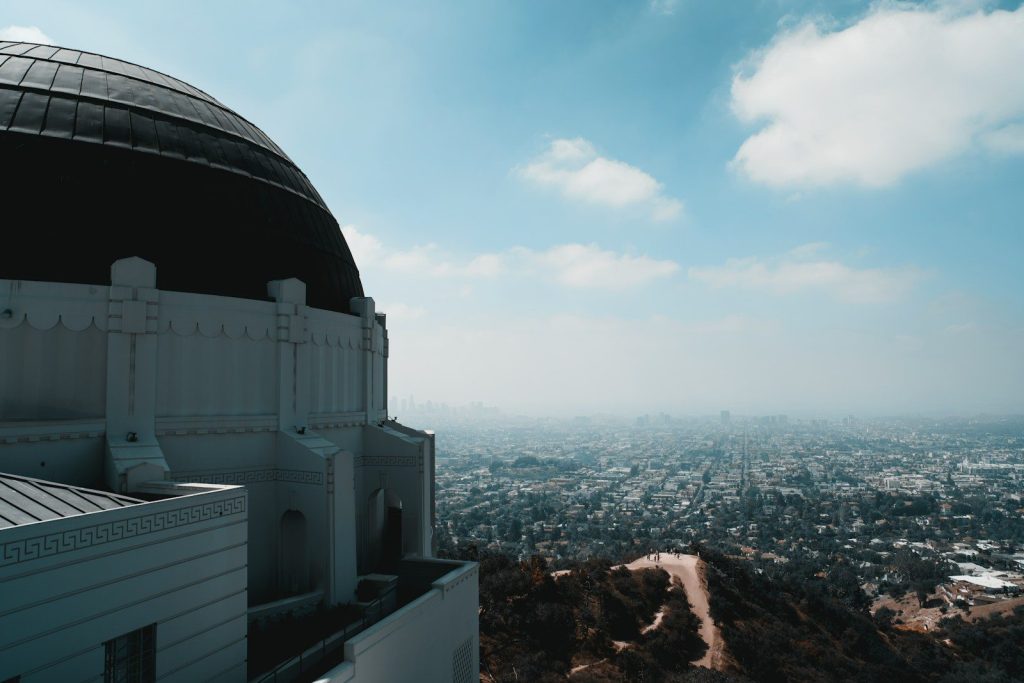
Autonomous robotic helpers will handle the heavy lifting of building the outer shields. According to reports from mission planners, these smart machines will prepare the tunnels before the first human crews arrive. The future is waiting. This article is for informational purposes only and does not constitute professional aerospace advice.
Leave a Reply