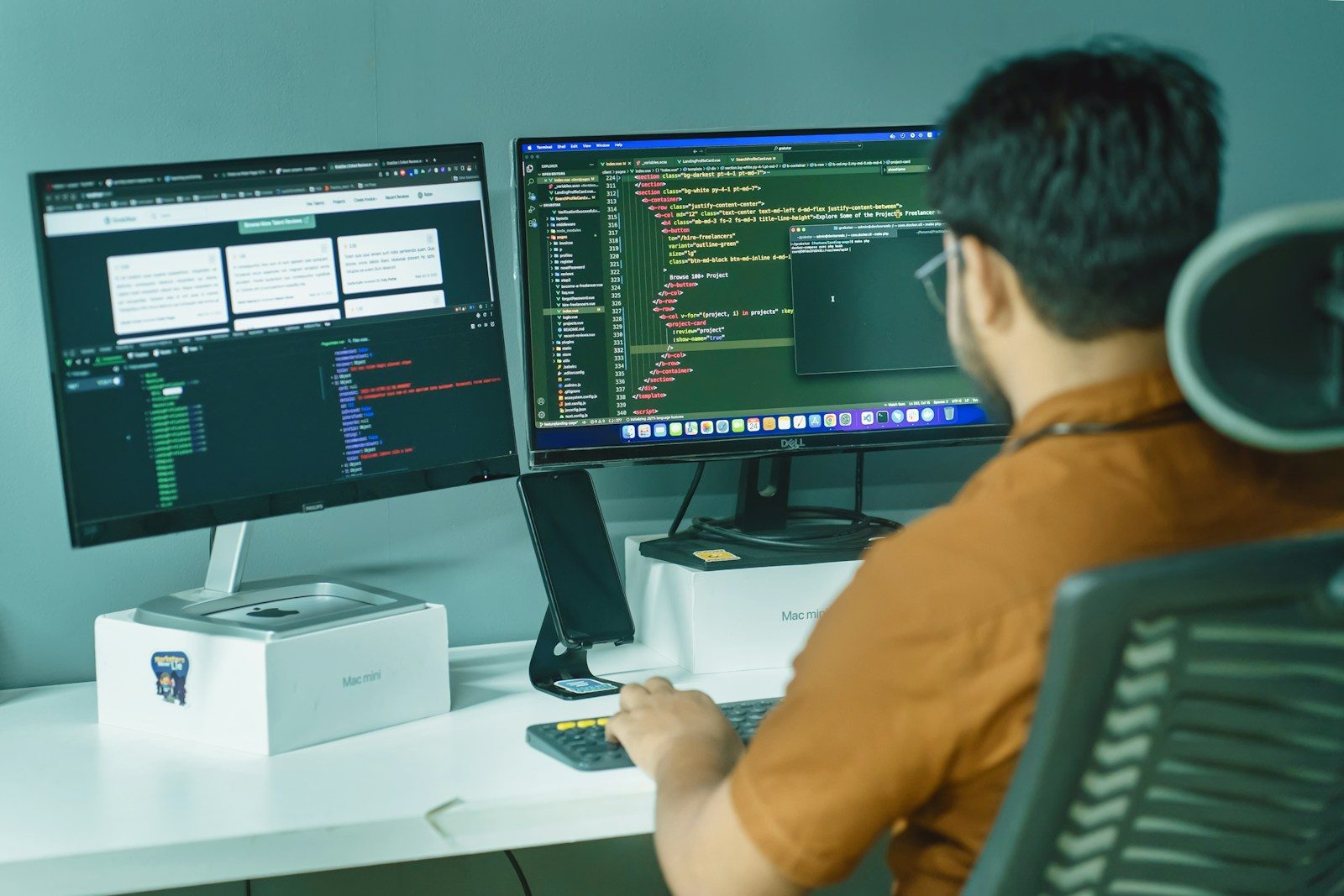
Most workers assume that artificial intelligence is coming to replace their careers entirely. We believe that smart algorithms will automate every creative and manual task in the global economy.
But advanced systems are actually creating a massive demand for human supervisors. The future of work relies on a highly collaborative pairing of human talent with automated tools.
The Rise Of AI Assistants
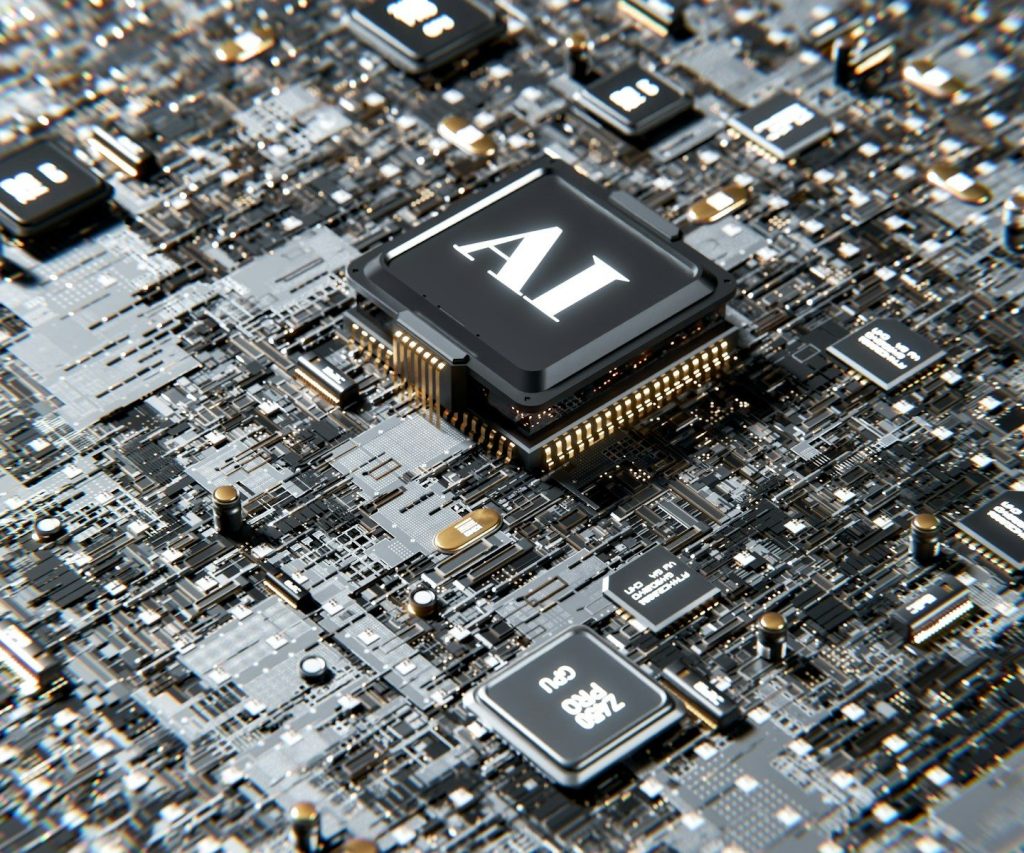
Smart programs are transforming how modern businesses organize their daily digital tasks. According to labor economics studies, algorithms can process data, draft emails, and schedule meetings in a matter of seconds. The speed is impressive. This efficiency allows professionals to focus on creative tasks rather than repetitive chores. But identifying which jobs require a real human supervisor is a massive struggle.
Managing Digital System Outputs
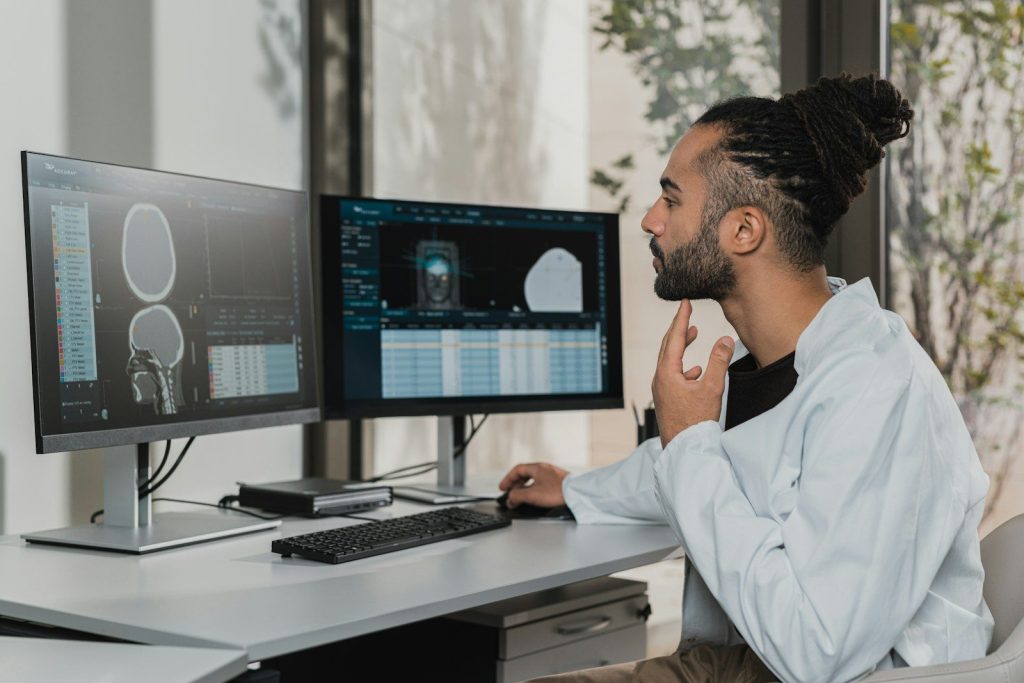
While algorithms can generate massive amounts of text, they frequently make errors without human guidance. According to reports from technology industry analysts, expert human editors are essential to monitor and correct these automated reports. They are highly skilled. Humans must continue to guide the machines to prevent system errors. But the first safe sector is directly linked to our health.
Empathy In Medical Care
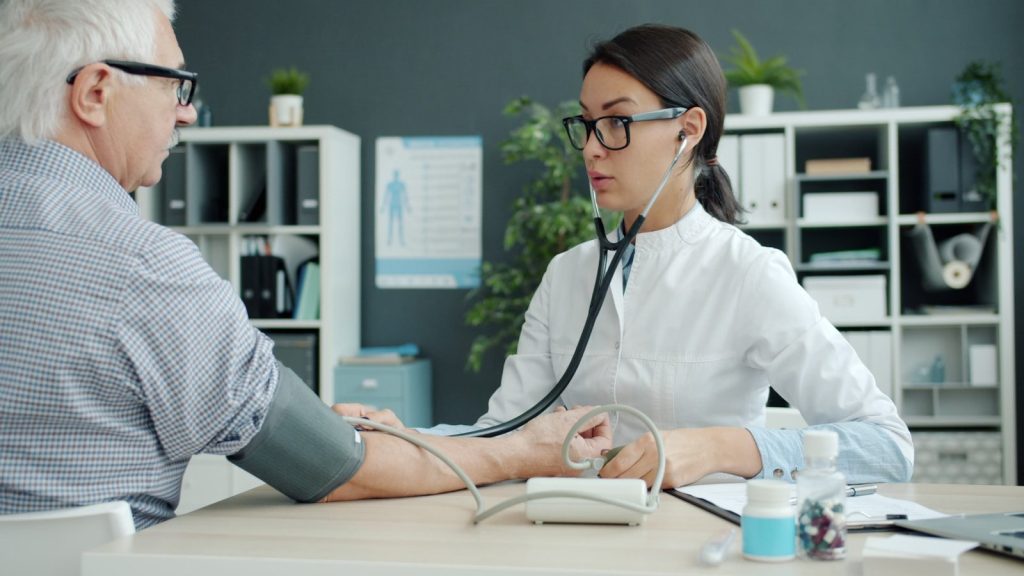
Caring for the human body requires a deep level of compassion and physical skill that software entirely lacks. According to reports from healthcare research, clinical medicine and senior care remain highly secure from automated takeover. Compassion is vital. Patients naturally demand real human comfort when facing health crises. But a secondary safe path is driving the development of these systems.
Designing Complex Software Systems
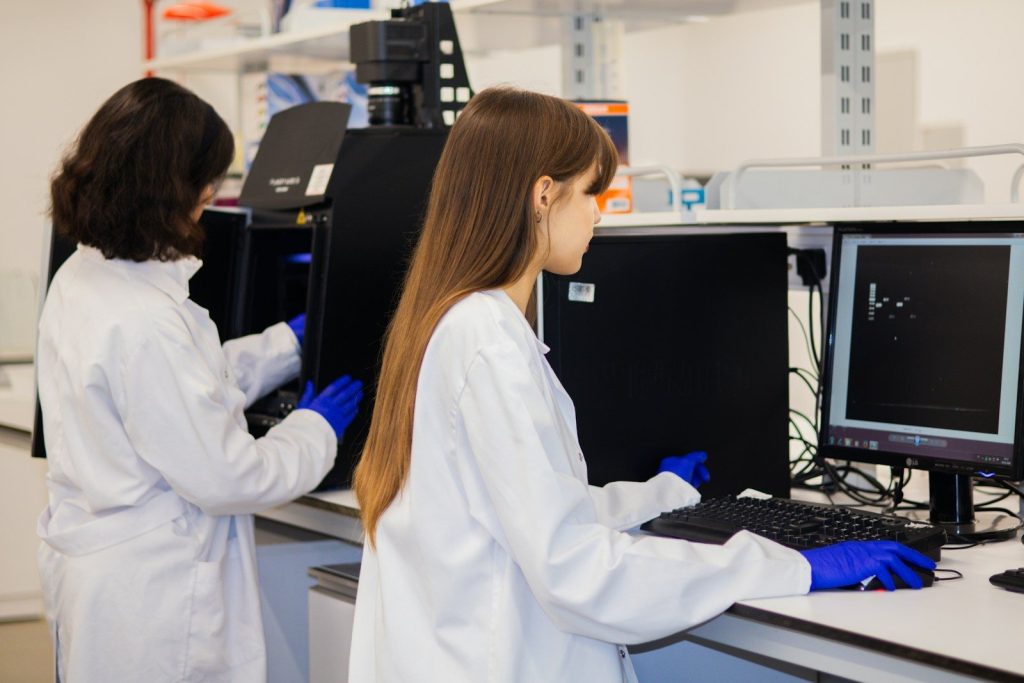
While artificial intelligence can write basic code, designing highly advanced computer networks still requires human creators. According to software engineering reports, human developers are essential to write the initial logic and safety protocols. The code is complex. This creative planning cannot be replicated by a machine that only copies existing patterns. But maintaining our physical infrastructure requires another set of skills.
Upgrading The Energy Grid
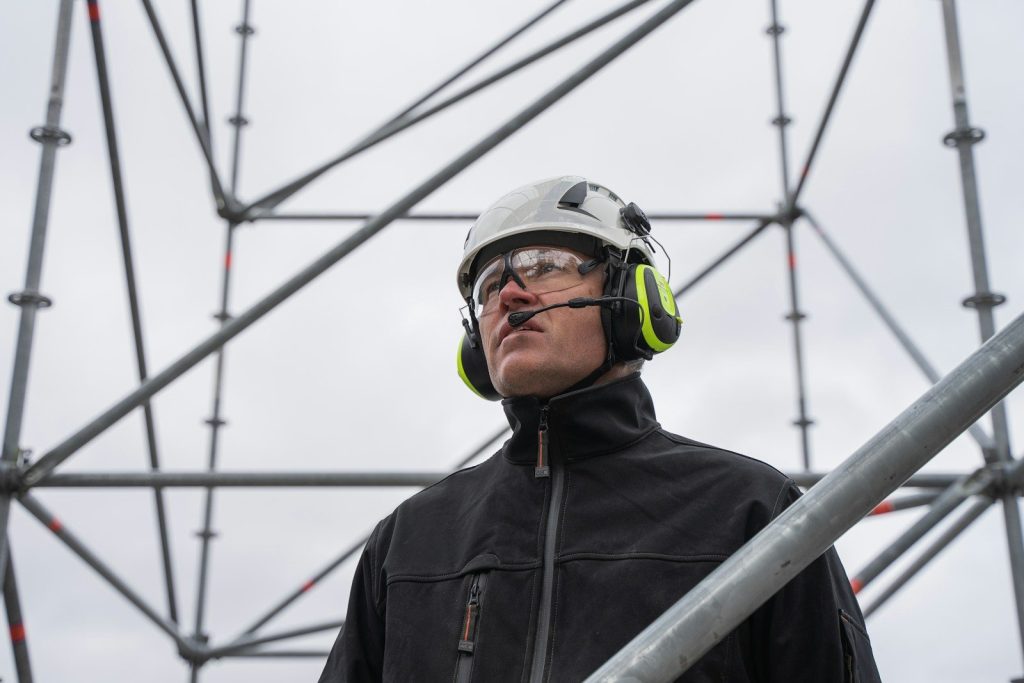
The global transition toward clean power requires massive physical upgrades to our electrical systems. According to energy sector reports, engineers and technicians working on renewable grids are highly safe from automation. The work is physical. Climbing wind turbines and maintaining high-voltage power lines are tasks that software simply cannot execute. But adapting to this shift requires a major change in education.
Training For Cognitive Flexibility
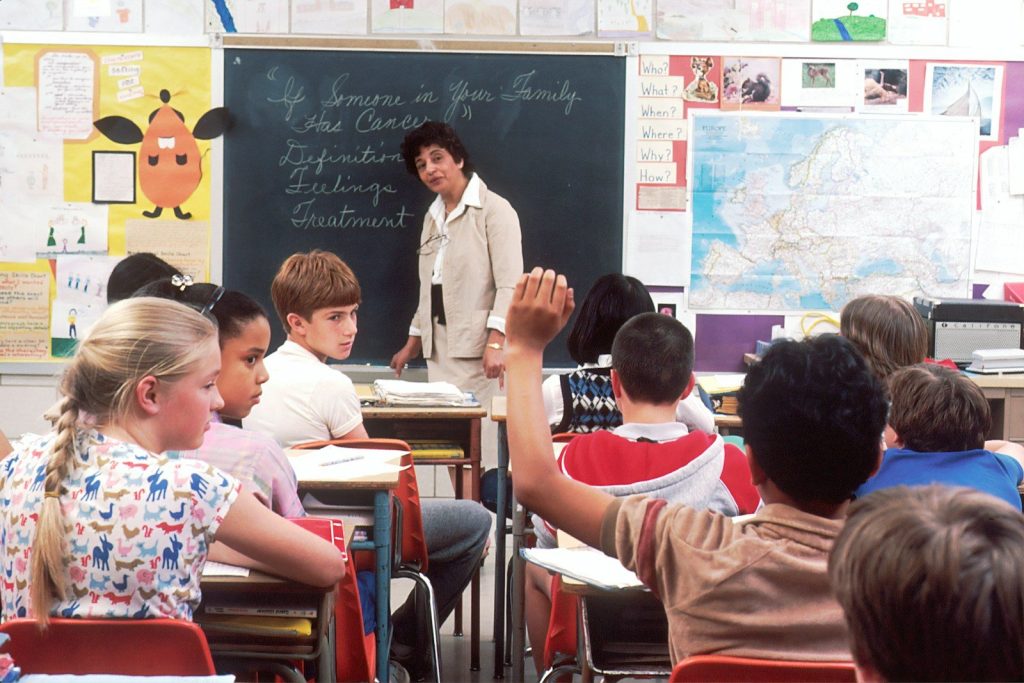
Traditional schools must stop teaching students to memorize facts and start focusing on creative problem solving. According to reports from educational specialists, teaching cognitive flexibility will prepare the next generation for a changing job market. Adaptability is key. Workers who can quickly master fresh digital tools will remain highly valuable to employers. But the ultimate success of this transition depends on our awareness.
Building A Collaborative Workforce
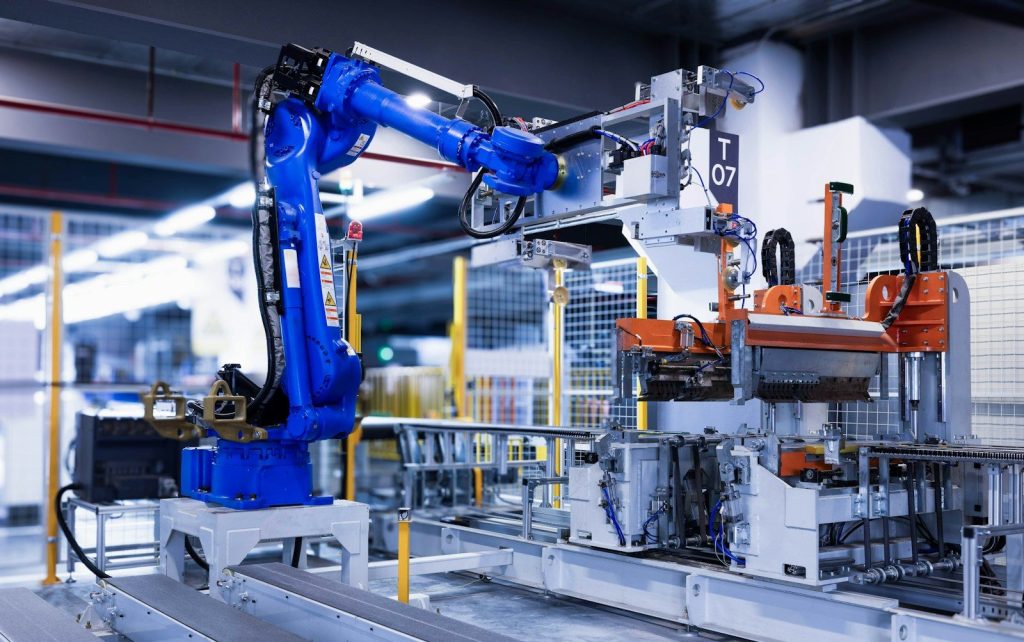
Instead of competing with machines, next-generation professionals will learn to use them to amplify their output. According to reports from workplace studies, employees who can integrate automated tools into their daily workflow are highly productive. The results are clear. This partnership will allow humans to build more complex and beautiful things. But we must still protect our cognitive privacy.
Securing Our Human Potential

Taking control of how we deploy smart tools ensures that our economy remains focused on human wellbeing. According to reports from researchers, technology must serve as a shield to help us solve the most difficult global challenges. We are still learning. This article is for informational purposes only.
Featured Image: Photo by Ofspace LLC on Unsplash
Leave a Reply