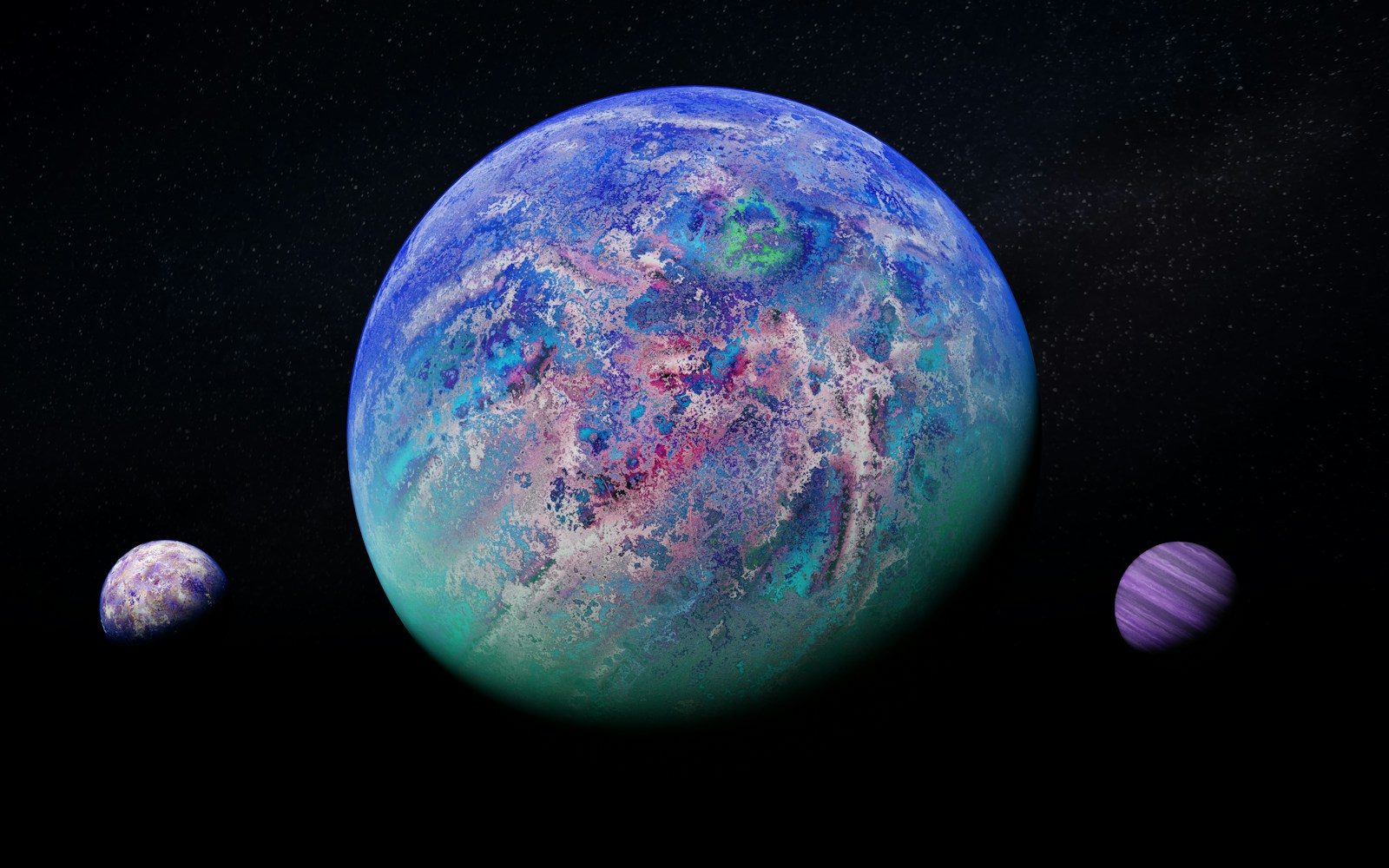
Most people believe that searching for alien life requires waiting for extraterrestrial radio signals to arrive on Earth. We assume that finding biology on distant worlds is impossible with our current technology.
But a powerful new space telescope is actively scanning the atmospheres of exoplanets for signs of life. Its highly sensitive instruments may have already detected the first clues of alien activity.
Reading Gas Barcodes

Astronomers no longer rely on simple visual observations to study distant rocky worlds. According to NASA, specialized space telescopes analyze the starlight passing through a planet’s outer atmosphere. This is brilliant. The gas layers absorb specific wavelengths of light to create a unique molecular barcode. But reading this cosmic signature is only the first step in the search.
Spotting Dimethyl Sulfide Gas

Certain volatile gases are highly reactive and disappear quickly without a constant organic source. According to research from the University of Cambridge, detecting a gas called dimethyl sulfide is a major clue. It is highly unique. On Earth, this specific compound is only produced by tiny marine organisms inside our oceans. But confirming this finding requires ruling out all natural causes.
Sifting Non-Organic Chemistry

Mainstream scientists remain highly cautious about claiming definitive proof of extraterrestrial life. According to planetary geologists, extreme volcanic outgassing can sometimes mimic organic chemical signatures under high pressures. The math is complex. Researchers must run thousands of computer simulations to rule out every possible natural cause. But the target world holds other highly promising features.
Exploring Temperate Sea Worlds

The target exoplanet orbits its host star directly within the comfortable habitable zone. According to reports from the European Space Agency, the planet’s surface is likely covered by a massive liquid water ocean. The climate is stable. Having a stable ocean provides the perfect environment for complex organic chemistry to develop. But tracking these distant worlds requires extreme precision.
The Starshade Shield Solution
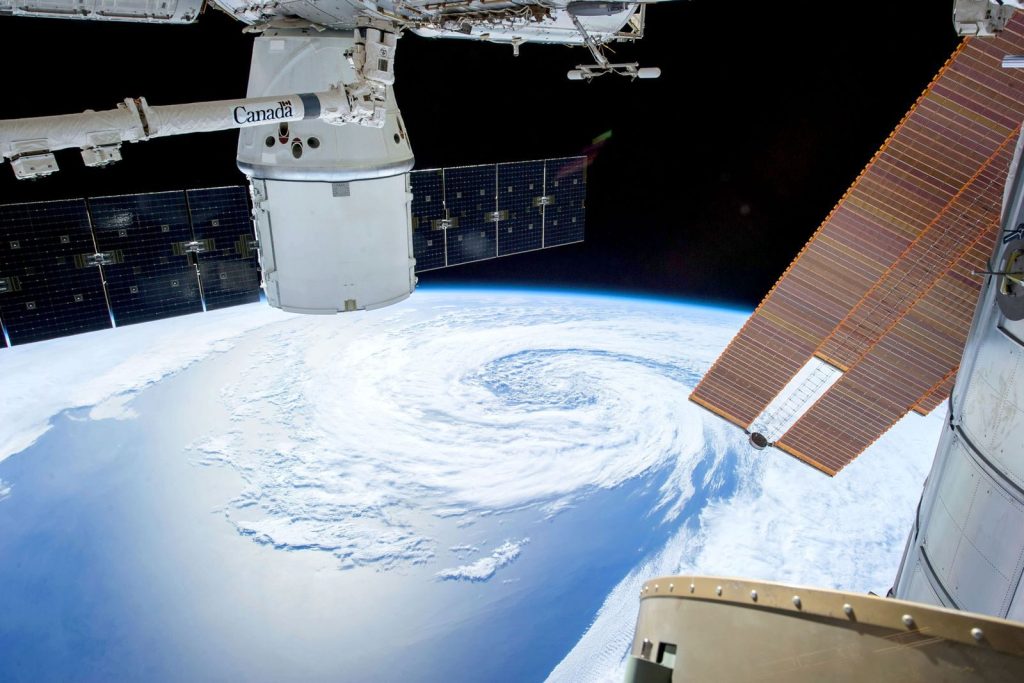
Capturing clean light samples from a distant exoplanet requires blocking the overwhelming glare of its host star. According to optical engineering reports, scientists are designing giant flower-shaped shields to fly ahead of the telescope. The shadow is perfect. This starshade allows the sensitive camera to isolate the planet’s true colors and surface details. But launching these missions requires international cooperation.
Organizing The Global Search

Space agencies are forming a massive international coalition to deploy the next generation of orbital telescopes. According to mission planners, combining data from multiple space observatories is the fastest way to confirm biological signatures. They are highly determined. This public effort will share raw cosmic findings directly with universities across the globe. But the search is already changing our place in the universe.
The End Of Solitude
Finding even a tiny sign of biological activity on another planet will permanently alter human history. According to astrobiologists, proving that life exists elsewhere confirms that biology is a universal force. Nature holds many surprises. This article is for informational purposes only.
Featured Image: Photo by BoliviaInteligente on Unsplash
Leave a Reply