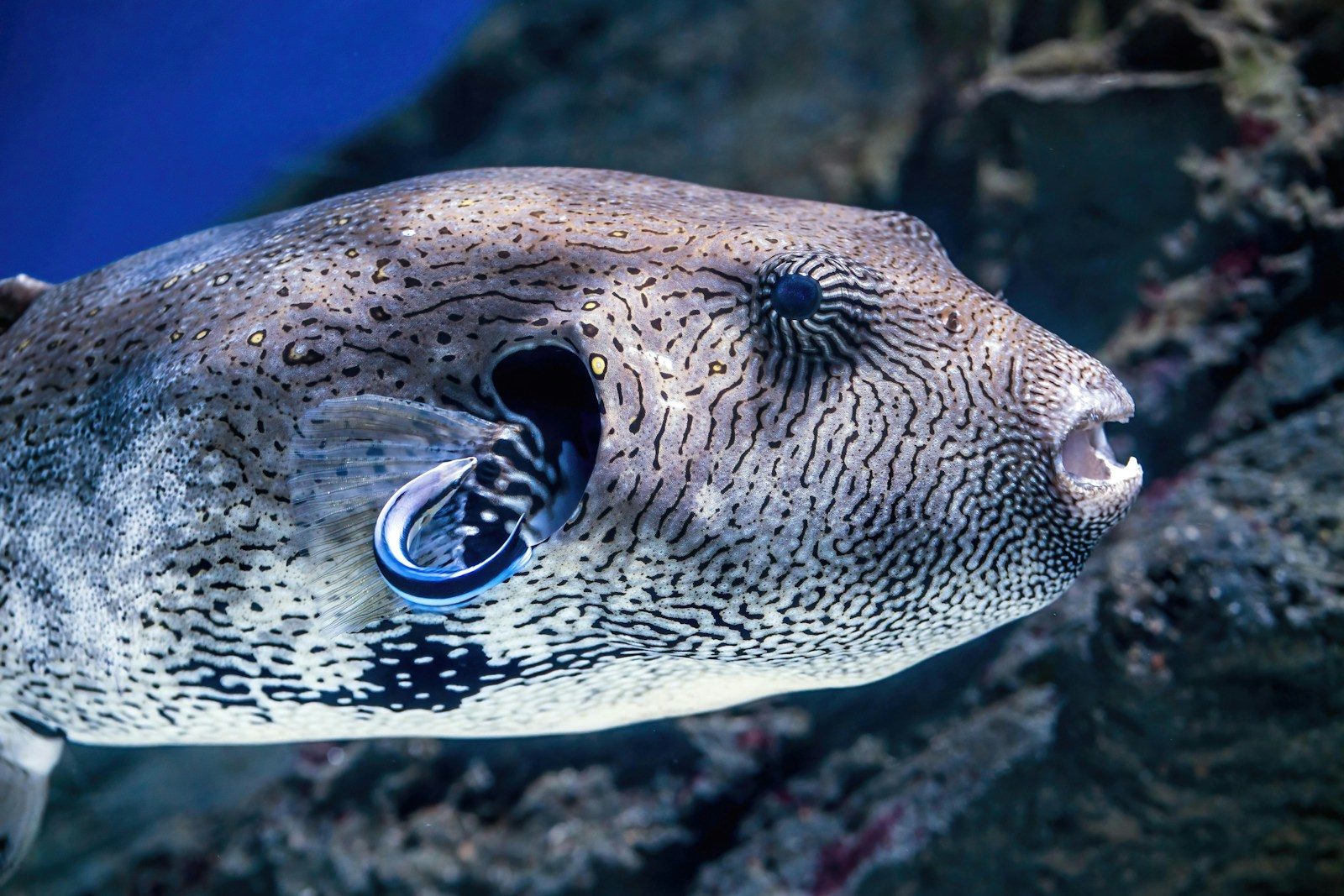
Most ocean lovers believe that the largest creatures in the sea are always mammals like whales. We assume that simple fish can never grow to truly colossal proportions.
But a spectacular marine discovery has completely shattered this record book. Scientists have located a massive bone-filled fish that dwarfs every other species in existence.
The Giant Sunfish Discovery
A colossal fish recently washed ashore on a remote beach in the Azores. According to marine biologists, this specimen was identified as a giant bump-head sunfish. It was enormous. The heavy creature weighed over six thousand pounds when weighed by local port cranes. But this massive weight represents a brand new milestone for modern biology.
Shattering Old Weight Records
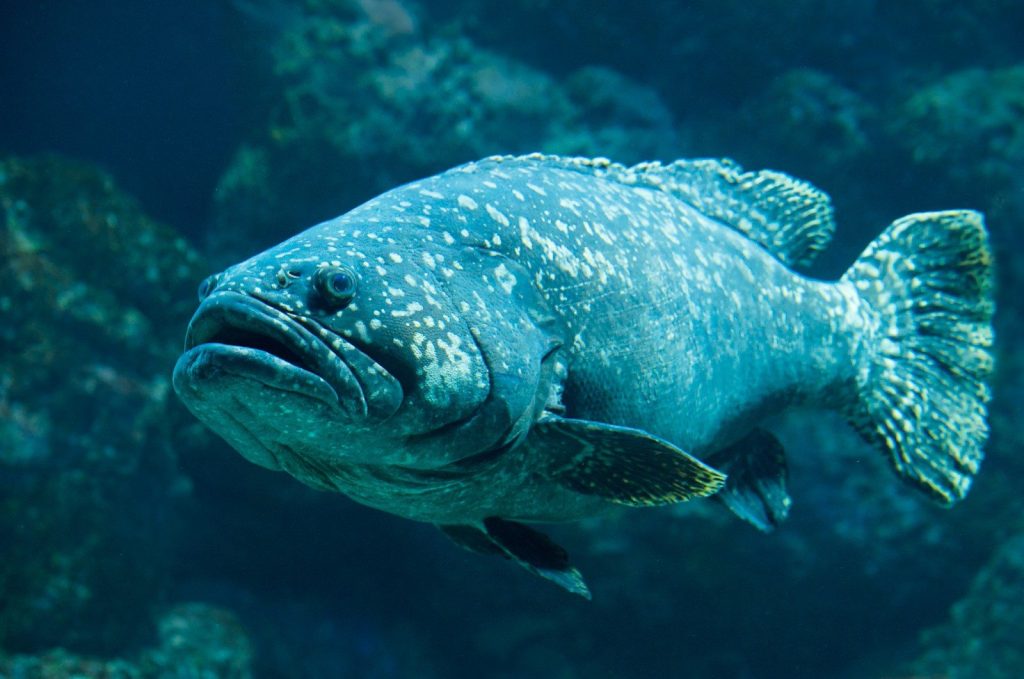
This incredible find easily broke the previous record for the heaviest bony fish ever weighed. According to the Guinness World Records, the previous champion was a similar sunfish found in Japan. The gap was massive. This new specimen was hundreds of pounds heavier than any other recorded bony fish. But explaining how these creatures grow so large requires looking at their unique biology.
Feasting On Simple Jellyfish
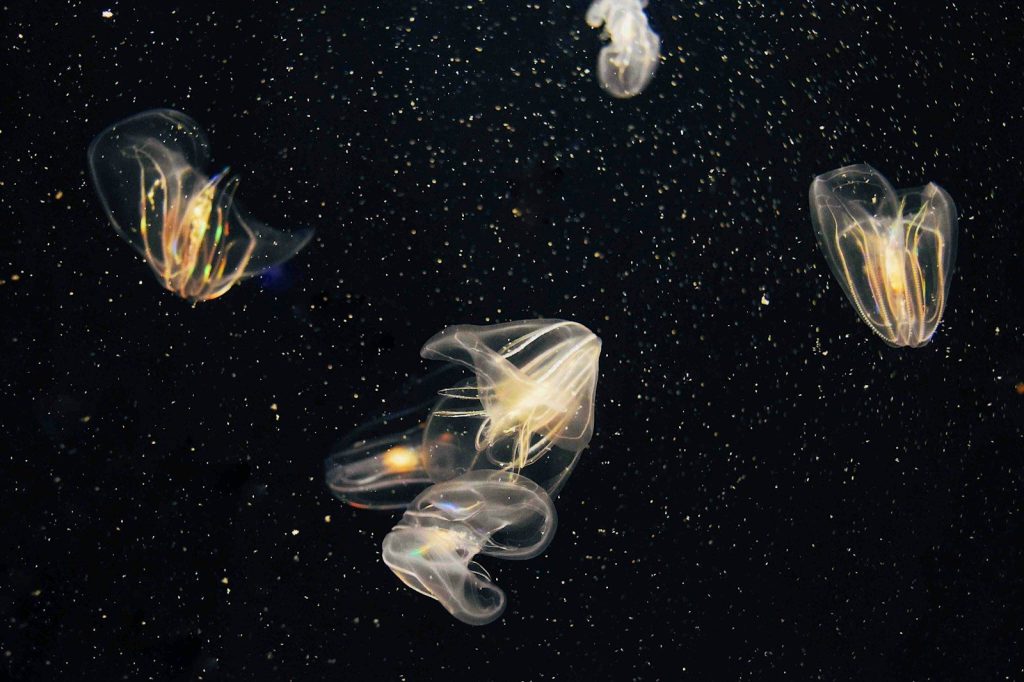
Unlike heavy sharks, these gentle giants feed almost entirely on low-calorie jellyfish. According to marine biology studies, they must consume thousands of pounds of gelatinous prey daily to survive. The diet is constant. This low-energy food source makes their rapid growth rates incredibly surprising to researchers. But their unique body shape is also built for extreme ocean depths.
Shaped Like A Giant Disc

These massive fish lack a traditional tail fin and look like a giant floating disc. According to structural geologists studying marine shapes, their flat design is ideal for vertical movements. They glide effortlessly. They can dive thousands of feet down to hunt in the freezing dark. But returning to the surface is vital for their survival.
Basking In The Sun

After diving into the deep dark, these giants spend hours floating flat on the ocean surface. According to satellite tracking logs, this behavior is a clever way to reheat their massive bodies. They are solar-powered. This sunbathing also attracts helpful birds that clean parasites off their skin. But this surface behavior makes them highly vulnerable to human boats.
Colliding With Fast Vessels
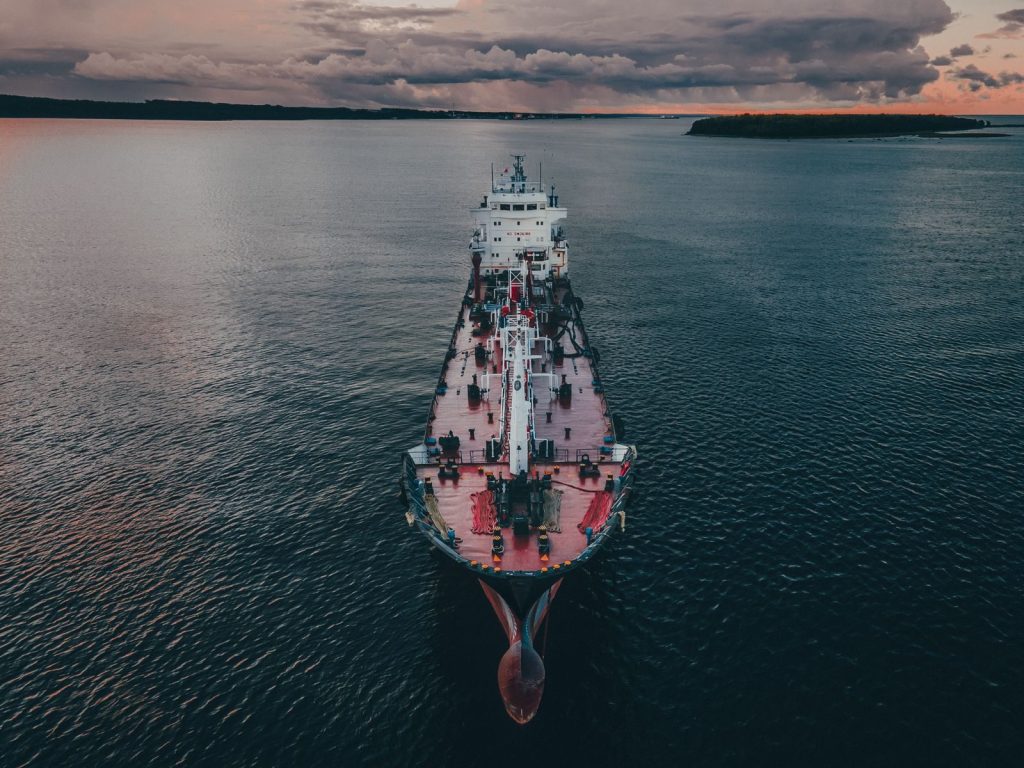
Floating silently on the surface makes the massive fish a primary target for boat strikes. According to marine safety reports, collisions with commercial vessels can easily injure these slow-moving giants. The danger is great. Many specimens are found with deep propeller scars across their thick skin. But scientists are searching for new ways to track their movements.
Preserving Deep Sea Giants
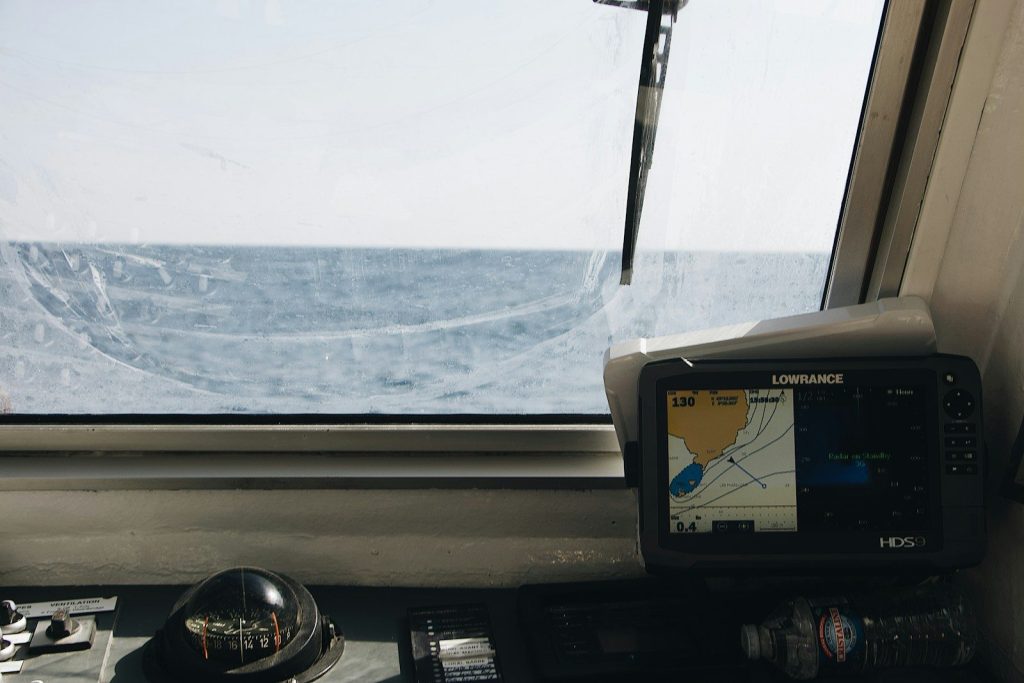
The discovery of these record-breaking fish reminds us how little we know about our oceans. According to marine conservationists, protecting these gentle giants is vital to maintaining the health of open water ecosystems. We must watch over them. This article is for informational purposes only.
Featured Image: Photo by David Clode on Unsplash
Leave a Reply