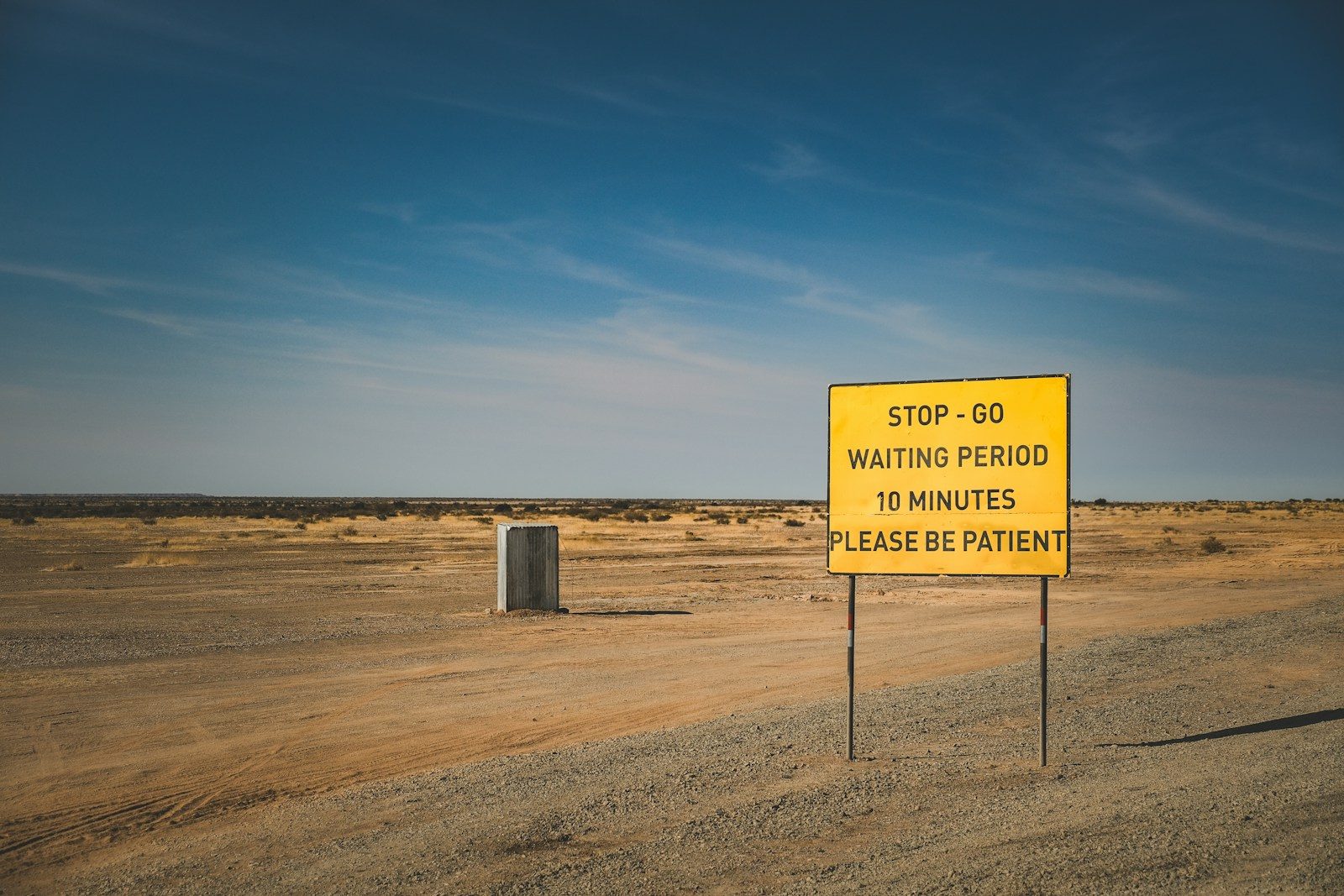
Most travelers assume that anyone can explore any corner of our planet with a passport. We believe that modern transportation has made every remote valley accessible to tourists.
But several mysterious locations across the globe are completely closed to all human contact. These forbidden zones are guarded by strict laws to protect dangerous secrets.
The Dangerous Island Poison
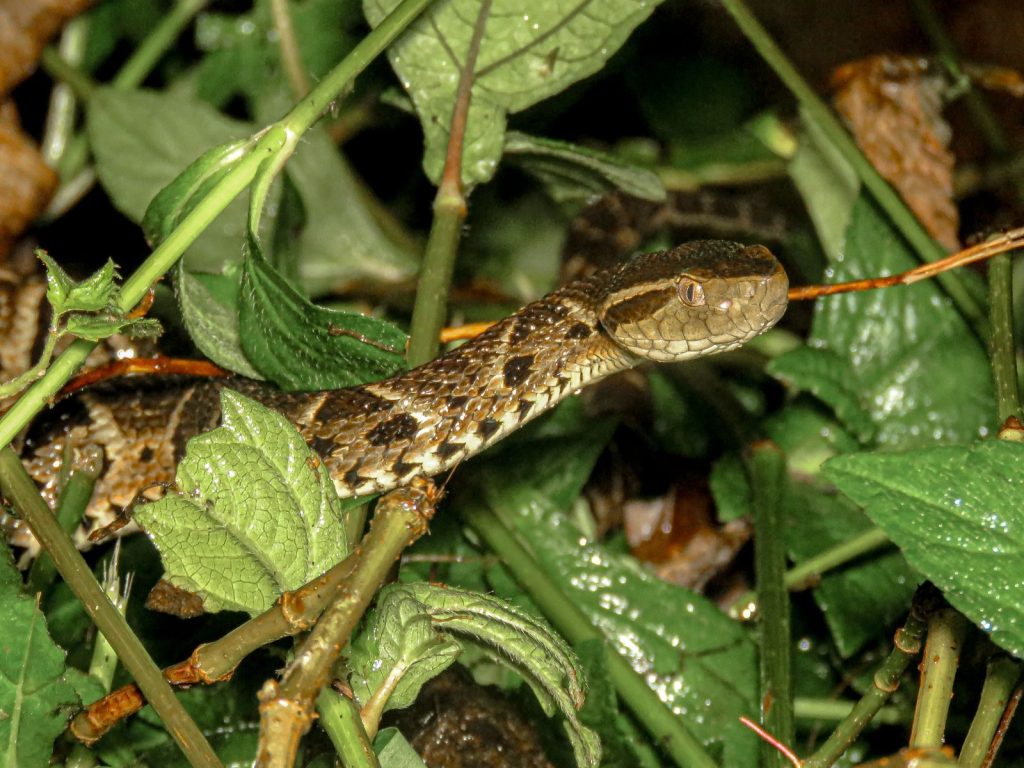
A remote island off the coast of Brazil is home to thousands of lethal golden lancehead vipers. According to reports from the Brazilian Navy, civilians are strictly forbidden from setting foot on the beach. It is highly deadly. This strict quarantine protects researchers and keeps the fragile serpent population undisturbed. But another forbidden island has been isolated to protect human life.
Protecting The Isolated Tribe
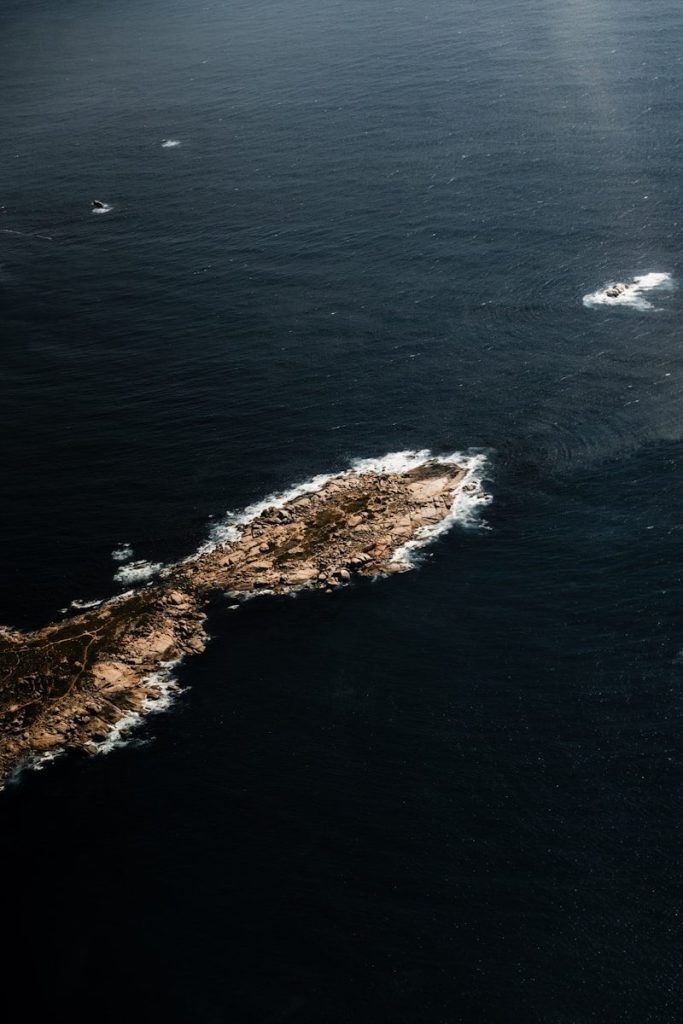
A tiny island in the Indian Ocean holds one of the last uncontacted human societies. According to reports from the Indian Government, the local sentinelese population actively rejects all outside visitors. They are highly protective. Approaching within five miles of the shore is illegal to prevent the spread of deadly modern diseases. But some forbidden places are hidden deep underground.
The Secret Sacred Caves
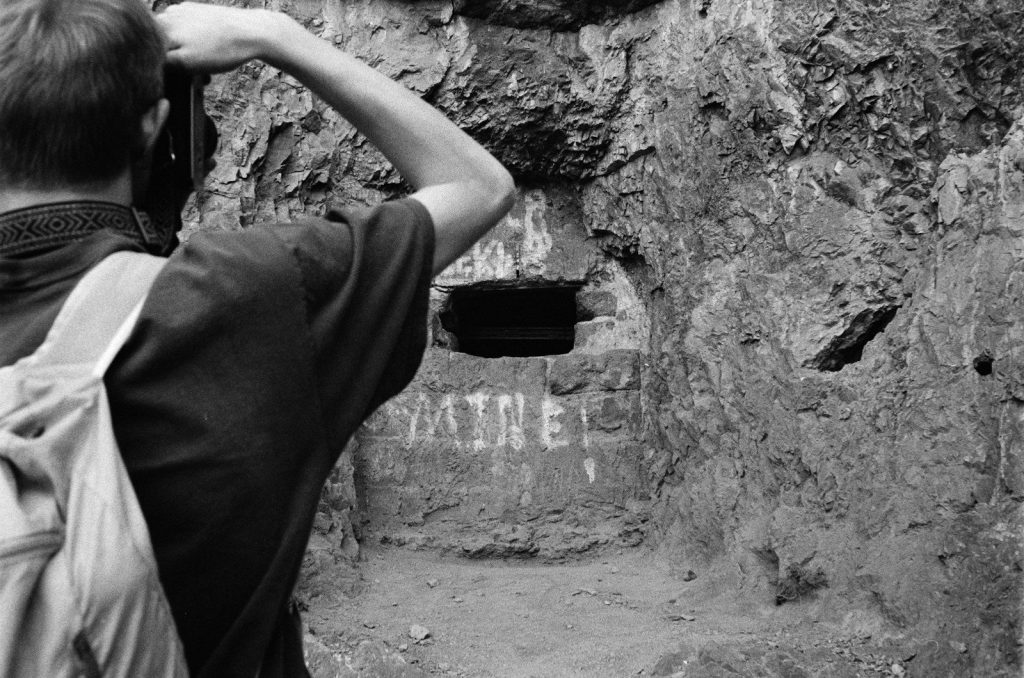
A spectacular cave system in France contains some of the oldest prehistoric art in existence today. According to the French Ministry of Culture, the ancient paintings were being slowly destroyed by human breath. The dampness was toxic. Officials sealed the cavern permanently to preserve the delicate charcoal drawings for future generations. But some closed zones are owned by powerful governments.
The Vault Of Secrets
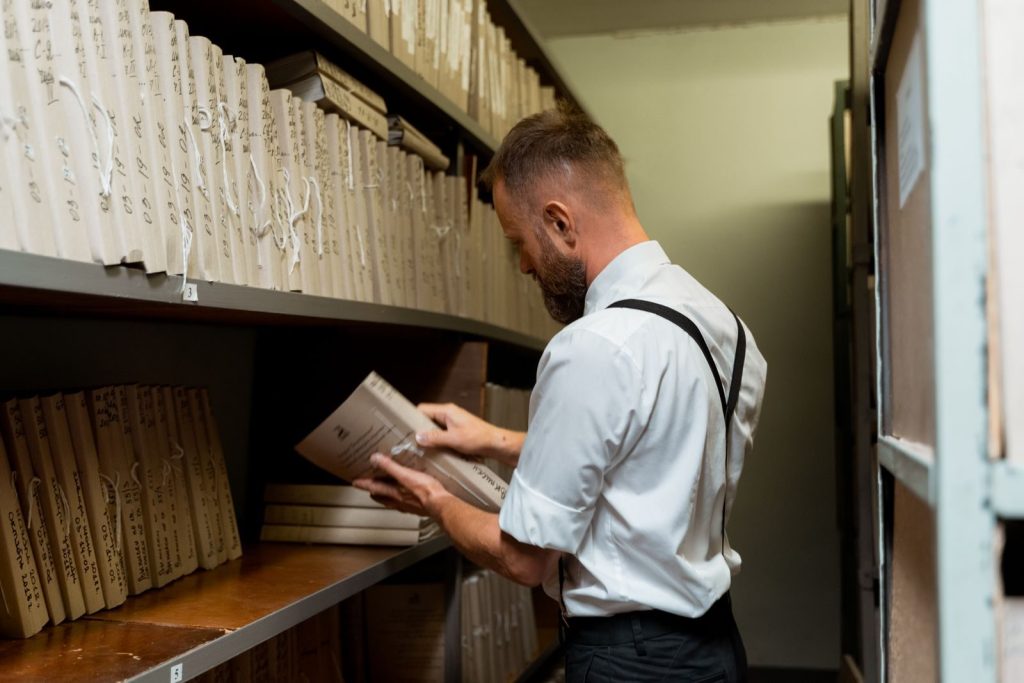
A heavily guarded archive room inside the Vatican holds centuries of private letters and historical records. According to classical historians, only a select group of qualified scholars can access these deep shelves. The security is tight. These historic documents could contain secrets that would alter our understanding of major world events. But some forbidden sites are dangerous due to technology.
The Radioactive Wasteland Zone
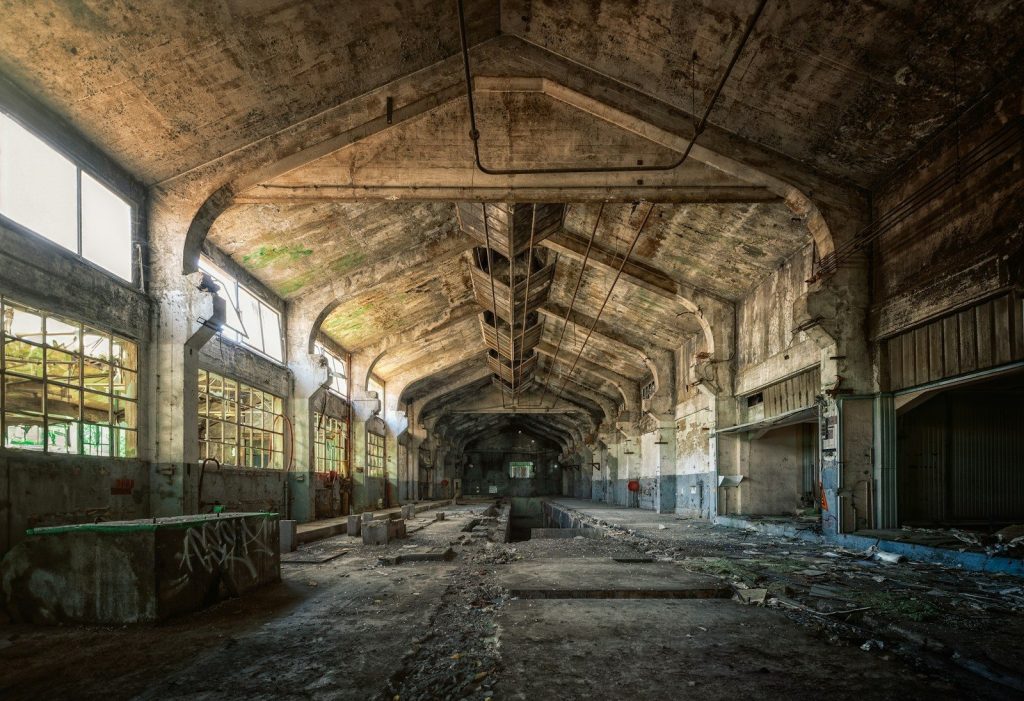
A massive abandoned region surrounding a failed nuclear reactor remains highly toxic to living things. According to geological survey reports, soil radiation levels in the exclusion zone will remain dangerous for centuries. The air is heavy. While nature has slowly reclaimed the empty buildings, human settlement is completely outlawed. But a highly unusual vault was constructed in a frozen northern wasteland for a very different purpose.
The Frozen Seed Vault
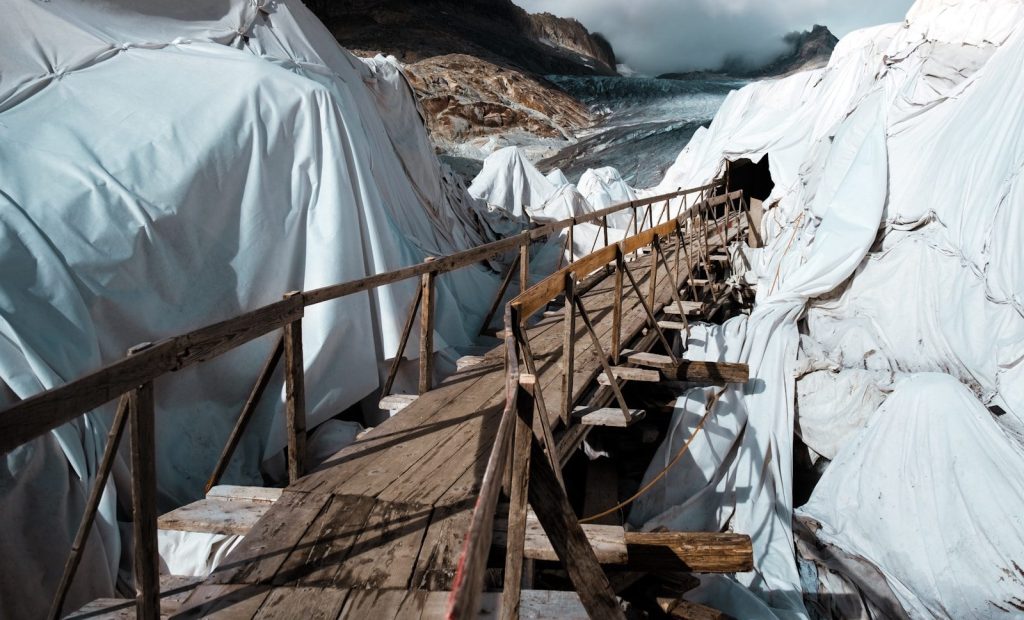
Deep inside an icy mountain on a remote Arctic island lies a secure underground repository. According to reports from the Crop Trust, this facility houses millions of crop seed samples from across the globe. It is a backup. This vault is built to survive natural disasters and nuclear wars to safeguard our food supply. But understanding why these places are sealed reveals a major pattern.
Guarding Our Shared Future
These forbidden global zones prove that keeping some places secret is vital for survival. According to environmental geologists, restricting human access preserves the delicate balance of history and nature. We must respect borders. This article is for informational purposes only.
Featured Image: Photo by Francesco Ungaro on Unsplash
Leave a Reply