Most history lovers assume that ancient Egyptians raised their massive monuments using only simple wooden rollers. We believe that thousands of slaves dragged heavy stones up steep dirt slopes using raw muscle.
But a spectacular discovery inside a deep limestone shaft has challenged this narrative. Researchers have identified a highly advanced hydraulic network that acted like an elevator.
The Deep Limestone Chasm
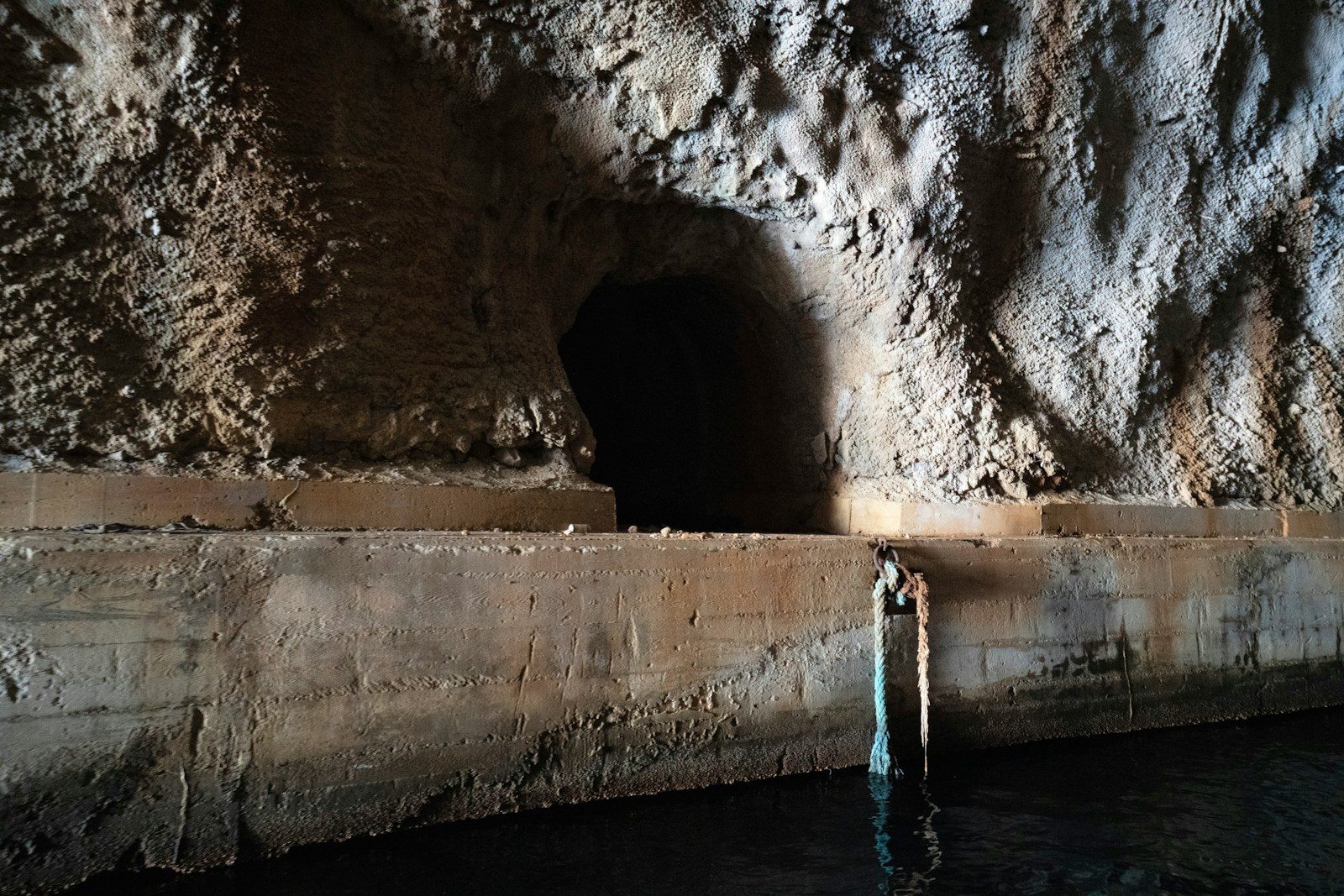
Excavators working near the oldest pyramid structures made the discovery of a lifetime. According to reports from the Land Decompression Institute, a vertical shaft drops straight down through the solid rock floor. The drop is terrifying. This narrow passage descended over thirty feet into the pitch-black earth. But this deep hole was hiding a highly surprising mechanical purpose.
Floating The Heavy Stones
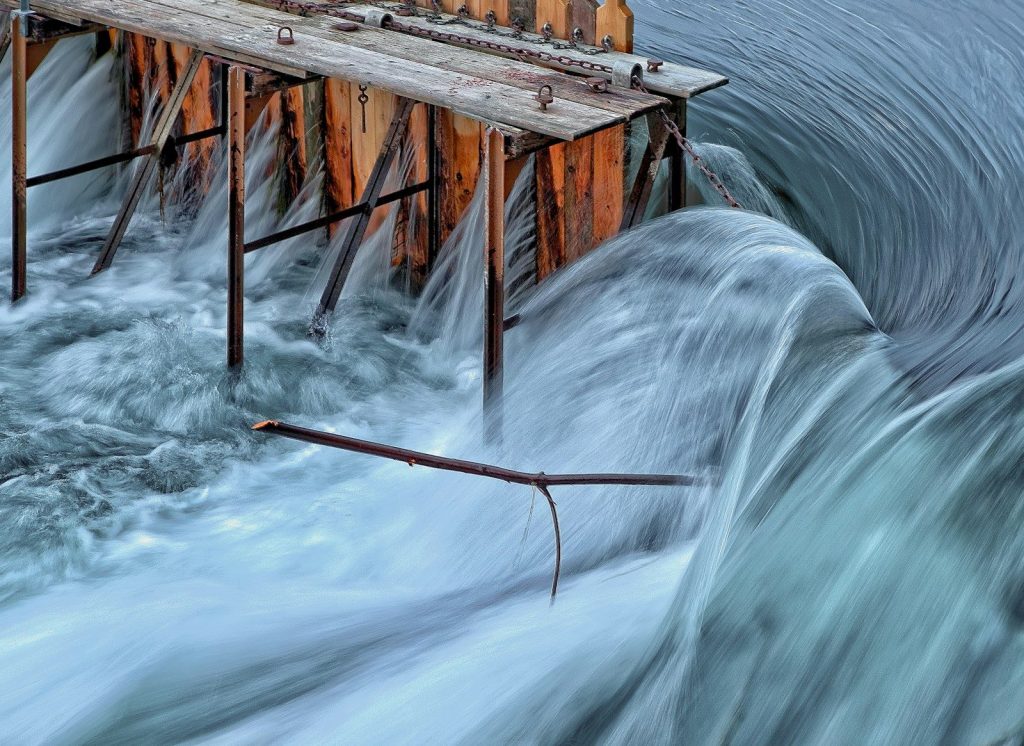
Engineers suggest that the ancient builders used water pressure to lift massive materials upward. According to hydraulic modeling software, filling the central shaft with water would float a heavy wooden raft. The lift was effortless. This simple mechanism allowed workers to elevate giant granite blocks without dragging them up steep ramps. But controlling this water flow required a very specific design.
The Sliding Stone Valves
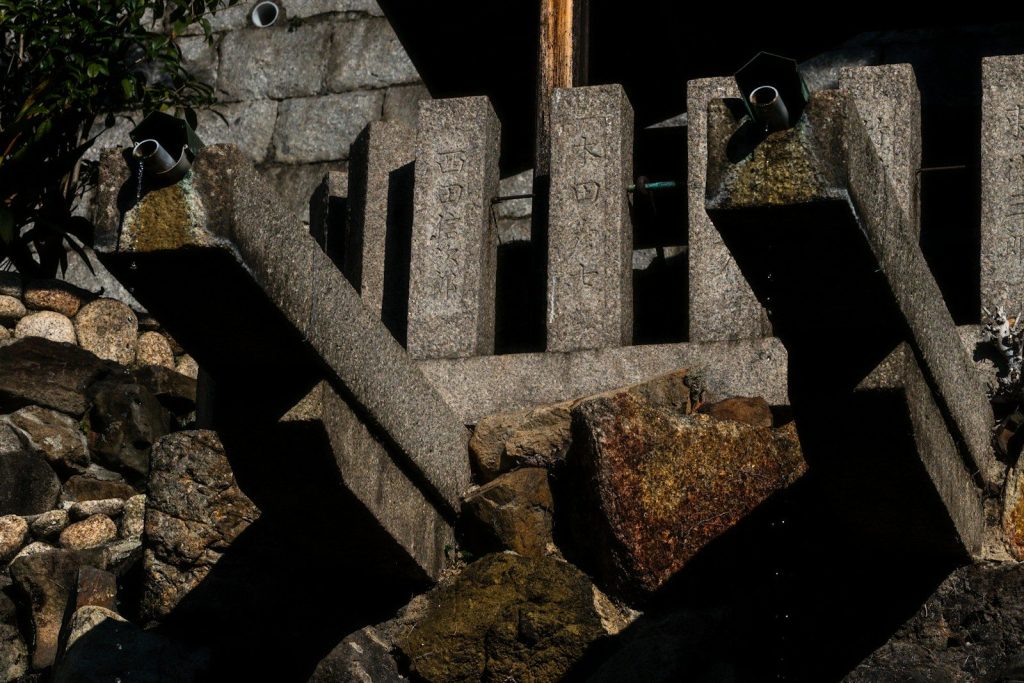
A close inspection of the underground channels revealed several large stone blocks that operated as sliding gates. According to structural analysts, workers could raise or lower these gates to regulate the water pressure. The seal was tight. This precise pressure control is what kept the hydraulic elevator moving in a highly predictable manner. But finding the ultimate source of this water network required satellite scans.
Mapping Ancient Riverbeds

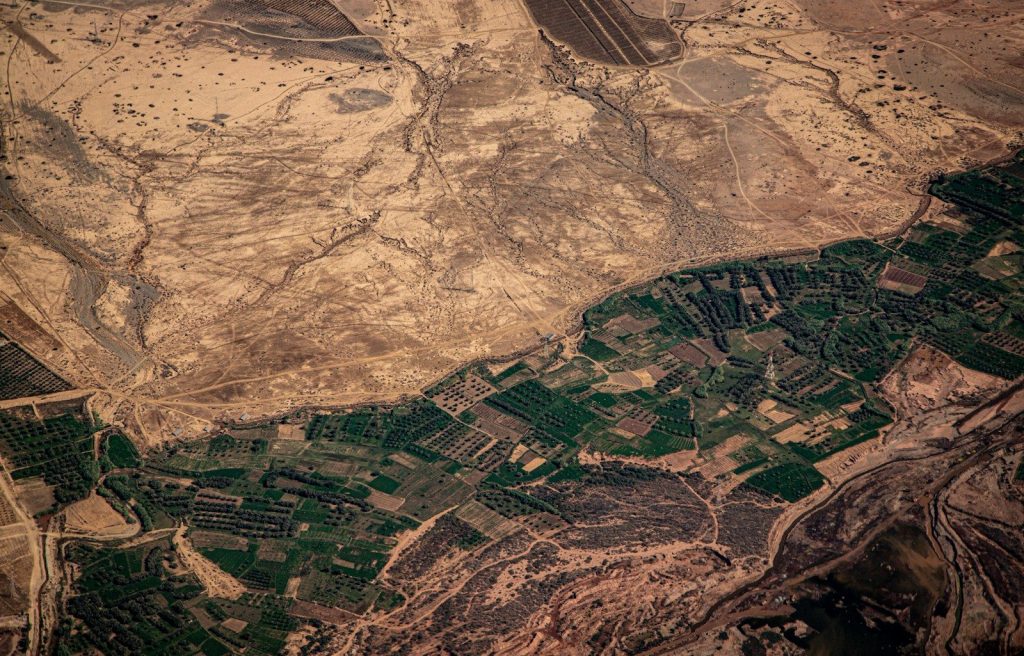
Modern radar imagery helped researchers map the prehistoric water flows across the dry desert. According to NASA geologists, a massive ancient river system once flowed directly through the region thousands of years ago. The landscape was green. This abundant water source provided the constant flow required to run the heavy hydraulic elevators. But some traditional historians still reject this complex mechanical view.
The Great Academic Divide
Mainstream academics argue that there is no written record of hydraulic machinery in ancient texts. According to traditional archaeologists, the Egyptians relied strictly on massive labor forces and simple wooden sleds. They are highly cautious. They believe that introducing complex water elevators overcomplicates what was achieved through sheer human strength. But the physical presence of the underground channels still puzzles researchers.
Massive Overflow Settling Pools

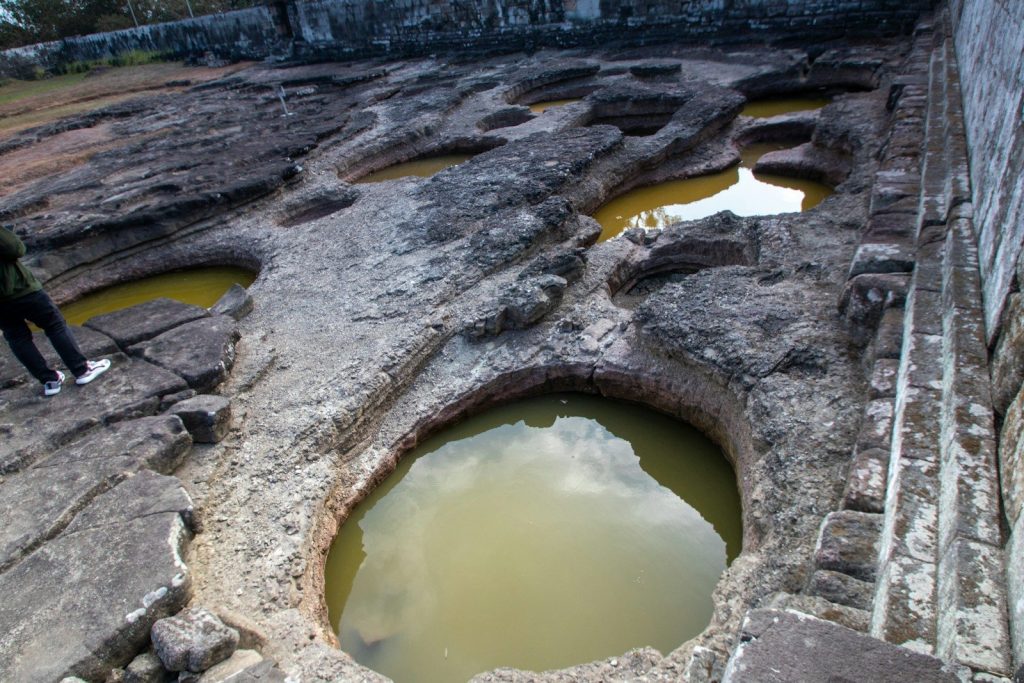
A series of deep basins surrounding the ancient monuments functioned as settling pools for the water system. According to a study published in PLOS One, these reservoirs collected sand and sediment before they could clog the valves. They were massive. This advanced filtration system kept the entire hydraulic network running smoothly during construction. But the ultimate legacy of these stone channels continues to puzzle engineers.
Unlocking Subsurface Engineering
The hydraulic elevator theory proves that ancient builders possessed a master grasp of physics and fluid mechanics. According to researchers, studying these forgotten stone relics helps us appreciate the true scale of early human intelligence. Nature always surprises us. This article is for informational purposes only.
Featured Image: Photo by Datingjungle on Unsplash
Leave a Reply