Most archaeology fans believe that centuries of heavy digging have mapped every single structure in Egypt. We assume that modern scanners have already revealed all the major tombs and hidden chambers.
But a spectacular geophysical sweep has uncovered a massive underground void beneath the sand. This colossal subterranean structure has stunned researchers and completely upended our maps of the area.
Sweeping Beneath The Dust

Looking inside the solid earth requires advanced technology that bypasses traditional shovels. According to reports from the ScanPyramids Project, researchers used cosmic ray particles called muons to scan the ground. They are highly penetrating. These particles pass easily through stone but get absorbed by dense materials. But reading these particle maps revealed a highly unexpected gap.
The Massive Density Gap
The cosmic ray sensors recorded a highly unusual empty space deep beneath the Giza plateau. According to geophysical analysts, the newly mapped void is over thirty meters long. It was truly colossal. This large structural gap does not align with any known natural rock formations in the area. But confirming the existence of this room required running secondary radar scans.
Verifying With Deep Radar
Scientists used ground-penetrating radar to scan the precise coordinates of the density gap. According to reports from Nagoya University, the radar echoes confirmed a massive hollow chamber. The results were clear. This secondary test proved that the void was an intentional architectural feature rather than a natural cave. But determining who built this underground giant is a massive challenge.
The Royal Tomb Connection
The colossal void sits directly adjacent to the ancient resting places of elite Egyptian families. According to classical historians, this specific coordinate was reserved for the most powerful officials of the Old Kingdom. The status was clear. Placing such a massive underground structure in this sacred area proves its extreme cultural importance. But some geologists suggest a highly practical function for the room.
Shifting The Structural Weight
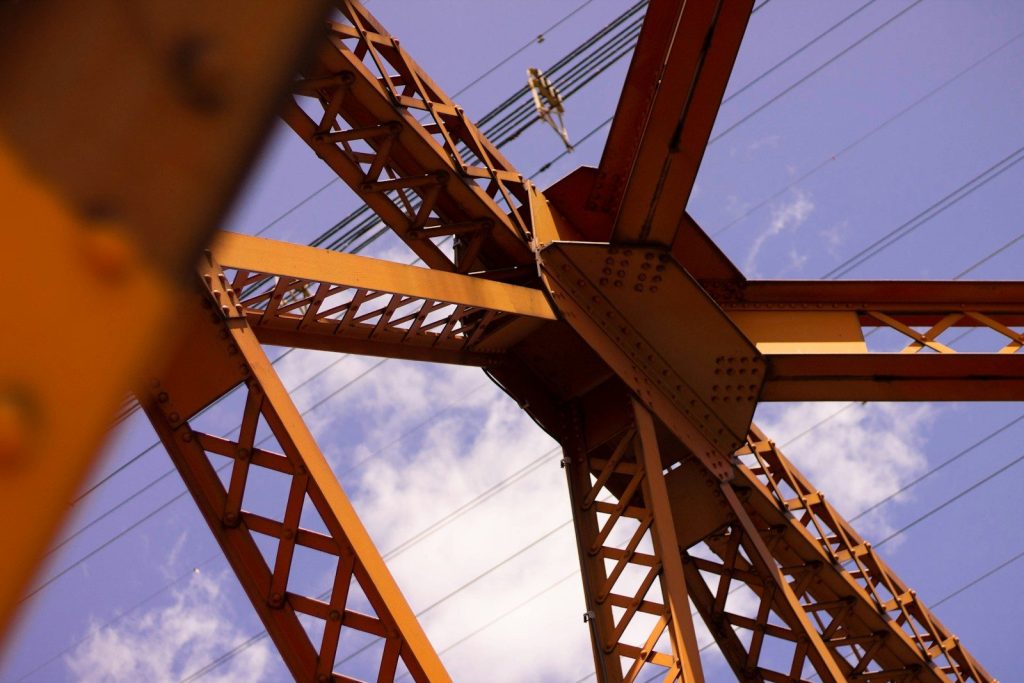
The empty chamber may have been designed to protect the surrounding tombs from collapsing. According to architectural surveys, the vaulted design of the void helps distribute the immense weight of the stone. The engineering is brilliant. This clever setup took pressure off the main passageways located directly below. But finding what lies inside this secret vault is the next step.
Prepping The Micro Cameras
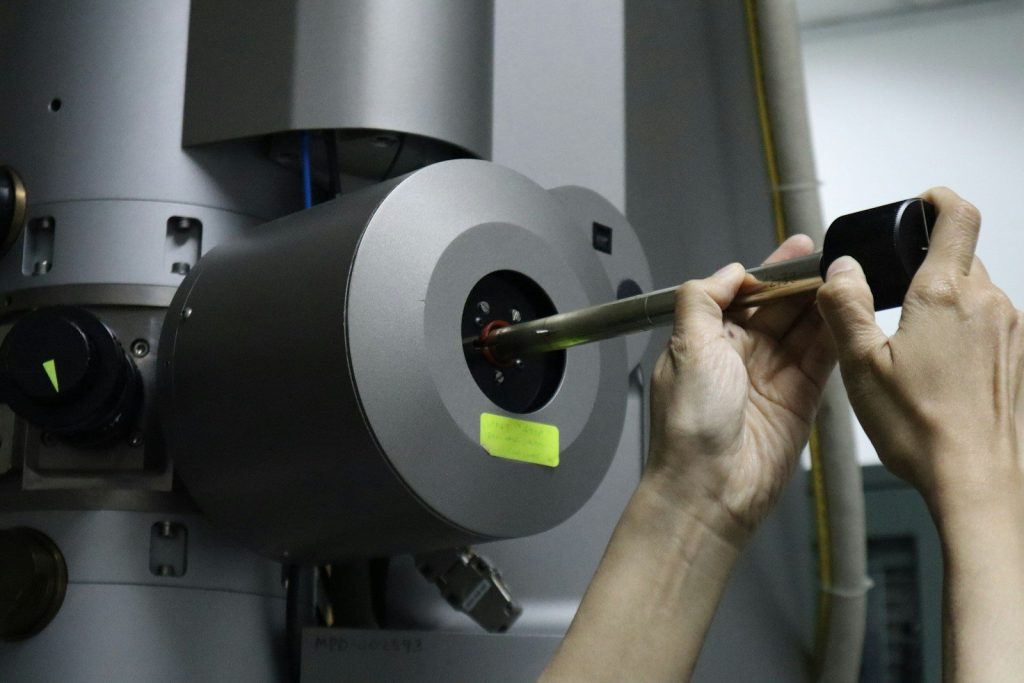
Researchers are currently designing tiny robotic probes to slide through the narrow stone joints safely. According to excavation logs, these small devices will capture high-resolution video without disturbing the delicate site. The excitement is building. This silent exploration could soon reveal untouched historic treasures or the final resting place of early kings. But the team must proceed with extreme care.
Reclaiming Our Forgotten Past
This spectacular radar discovery proves that technology can locate lost history hidden beneath our feet. According to archaeologists, mapping these massive ruins helps us reconstruct the true development of early monumental architecture. The desert keeps secrets. This article is for informational purposes only.
Featured Image: Photo by Karsten Winegeart on Unsplash
Leave a Reply