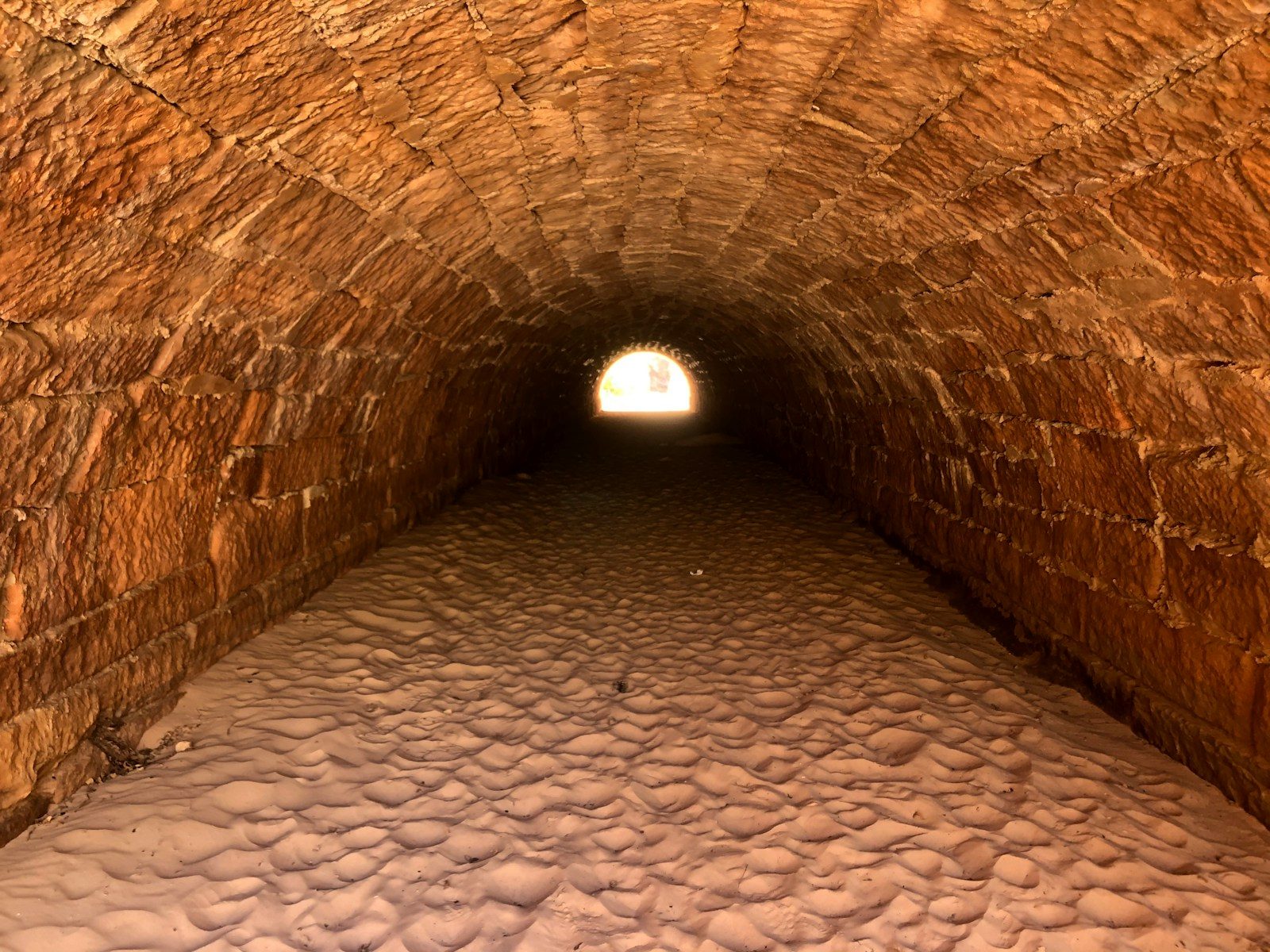
Most space enthusiasts assume that future human colonies on Mars will live inside beautiful glass domes on the surface. We believe that settlers will build their daily lives under the pink Martian sky.
But extreme solar radiation and violent dust storms make surface living completely deadly. A radical tunnel boring project is quietly preparing a safe subterranean world for the first pioneers.
The Toxic Surface Reality
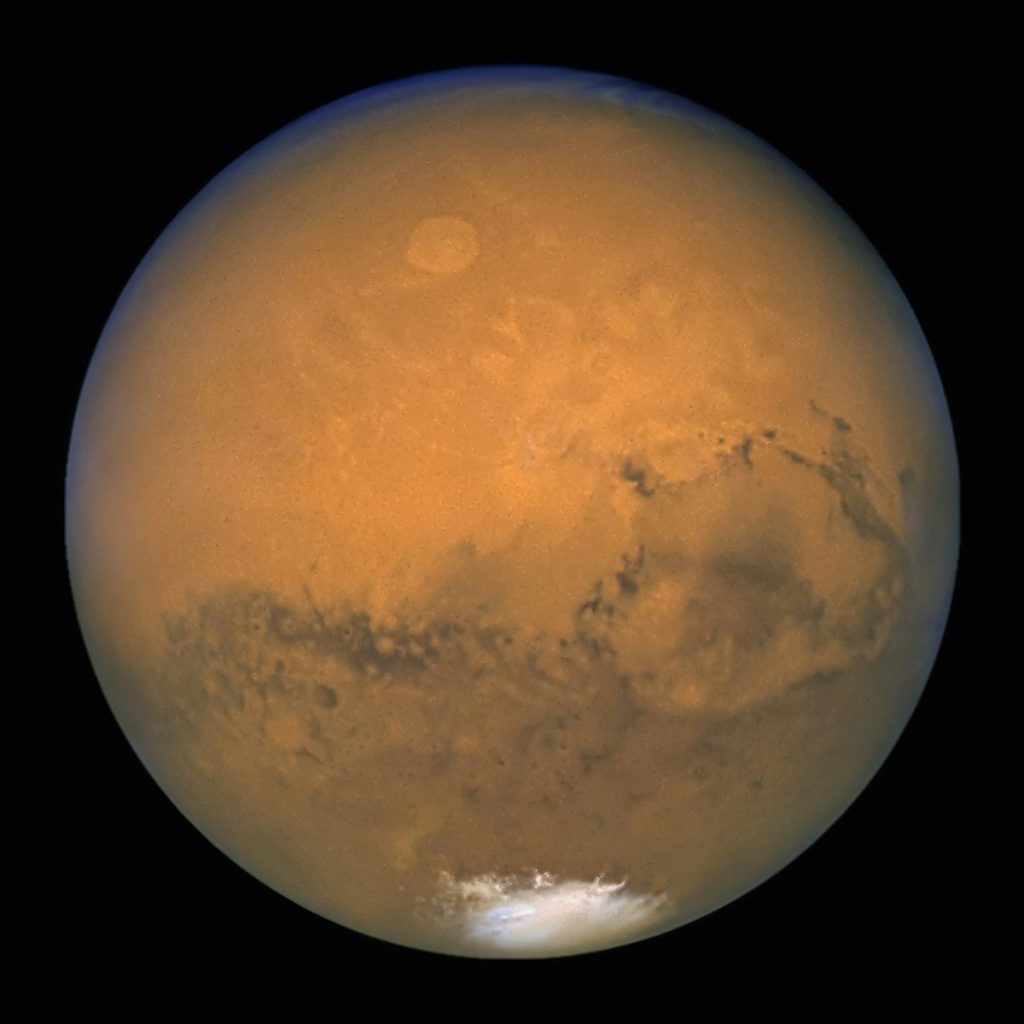
The barren landscape of Mars is constantly blasted by dangerous space rays and micro-meteorites. According to planetary geologists, the lack of a thick atmosphere leaves the surface highly hostile to human biology. The threat is constant. Surviving on the red planet requires finding a thick physical shield to protect colonists. But the easiest way to build this shield is by digging deep into the rock.
Deploying Giant Drilling Rigs
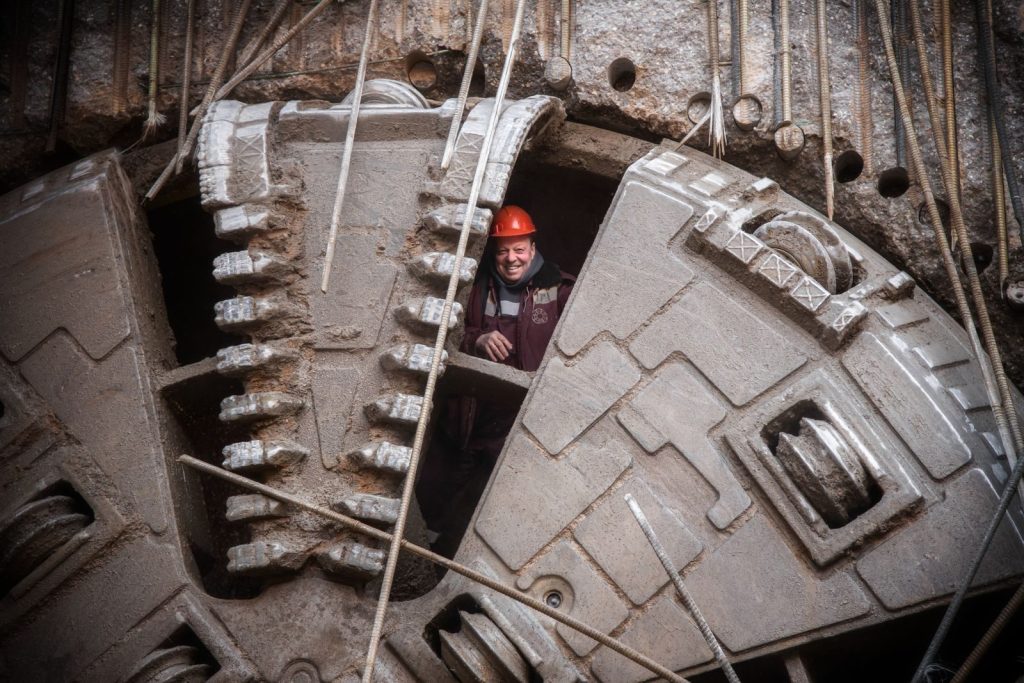
Standard drilling machines are far too heavy and require too much power to operate on other worlds. According to reports from the Boring Company, engineers are designing lightweight electric tunnel boring machines specifically for space transport. They are highly compact. These automated rigs can carve stable underground pathways through solid volcanic basalt. But powering these subterranean diggers requires a highly stable energy setup.
Harvesting Under Deep Cave
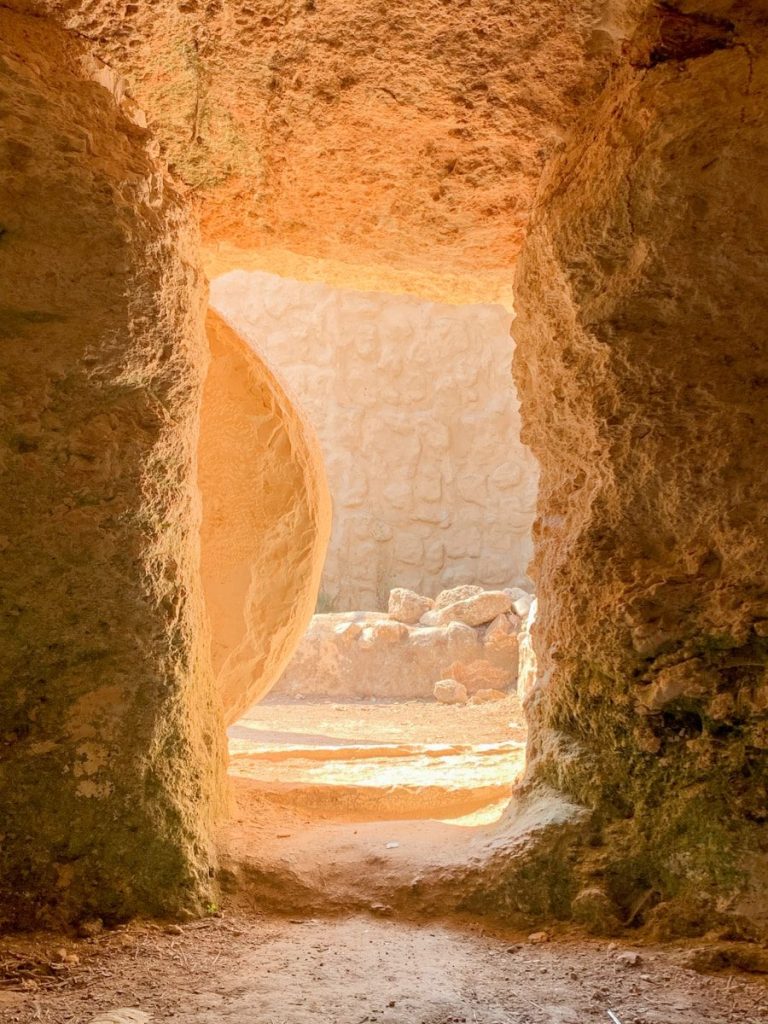
Digging tunnels creates a natural shield of dense stone that blocks cosmic rays completely. According to structural safety models, burying habitats under thirty feet of Martian soil offers absolute radiation protection. The defense is passive. This stone barrier ensures that astronauts can live and sleep safely without wearing heavy suits. But managing the internal air pressure requires a highly unique seal.
Creating Hermetic Pressure Seals
Lacking atmospheric pressure means that any underground cave must be sealed tightly to hold breathable air. According to aerospace engineering logs, workers will coat the carved tunnel walls with specialized liquid polymers. The seal is tight. This synthetic layer prevents essential oxygen from leaking out through microscopic rock cracks. But connecting these underground chambers requires building a smart transport network.
High Speed Transit Tubes
Moving between separate living sectors on Mars requires fast transit that avoids the freezing surface conditions. According to lunar base planners, automated electric capsules will glide through the sealed tunnels at high speeds. The rides are silent. This underground transit loop protects passengers from sudden surface dust storms and extreme temperature shifts. But these tunnels could also unlock hidden planetary resources.
Tapping Subsurface Water Ice
Carving deep into the Martian crust allows drilling teams to locate massive deposits of frozen water. According to geological survey reports, these underground ice layers can be melted and filtered for drinking. The resource is vital. This water can also be split chemically to generate fresh oxygen and rocket fuel. But proving this subterranean technology requires running trials on Earth first.
Building For Subterranean Life
Mastering the art of tunnel digging on Earth is preparing humanity to construct stable habitats on other worlds. According to space researchers, the future of colonization will depend on our ability to live comfortably underground. Nature demands deep respect. This article is for informational purposes only.
Featured Image: Photo by Tyler Mower on Unsplash
Leave a Reply