Most portable device owners assume that batteries will always require frequent recharging from a wall outlet. We believe that chemical decay forces all power packs to eventually die.
But a revolutionary nuclear battery design is challenging this permanent energy limit. These microscopic diamond devices harvest power from decaying radioactive waste to run for thousands of years.
Inside The Carbon Core
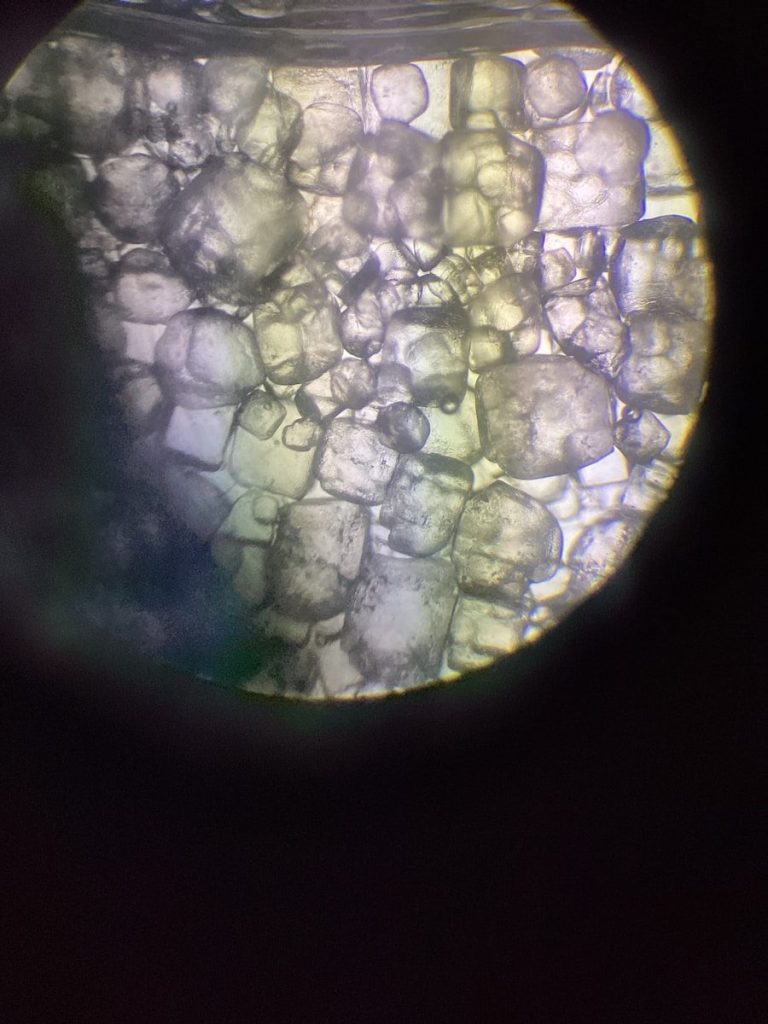
Standard lithium batteries rely on chemical reactions that slowly degrade over a few years. According to materials science reports, beta-voltaic batteries use radioactive isotopes locked inside synthetic diamonds to generate constant energy. They are extremely stable. This unique atomic setup directly converts nuclear decay particles into a steady stream of electricity. But harvesting this radiation safely requires an incredibly strong crystalline shield.
The Indestructible Diamond Shield
Diamonds are the hardest known natural material on Earth and offer absolute physical protection. According to nuclear safety journals, the outer synthetic diamond structure blocks all harmful radiation from escaping. The protection is passive. This ensures the battery remains completely safe for human contact while operating in daily electronics. But creating these synthetic energy blocks requires sourcing nuclear waste.
Recycling Leftover Reactor Waste
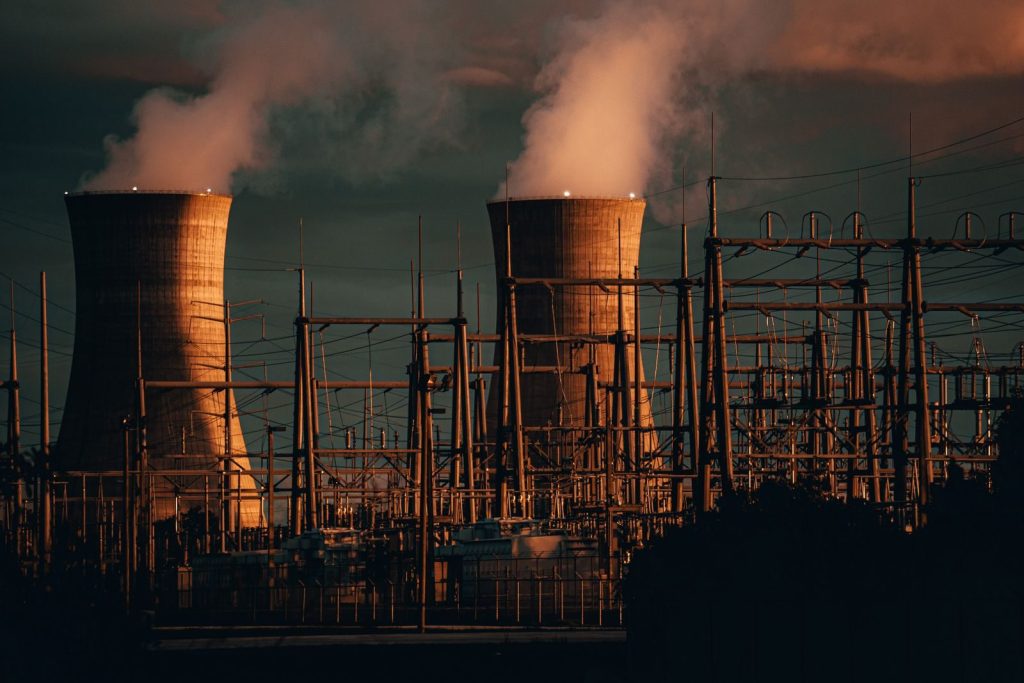
Our raw fuel for these long-lasting batteries comes directly from old nuclear power generators. According to public utility files, designers harvest radioactive carbon isotopes from the waste graphite blocks of retired reactors. The source is abundant. This recycling process turns a dangerous environmental hazard into a highly valuable energy source. But generating enough current to power large devices remains a major hurdle.
The Micro Watt Current Limit
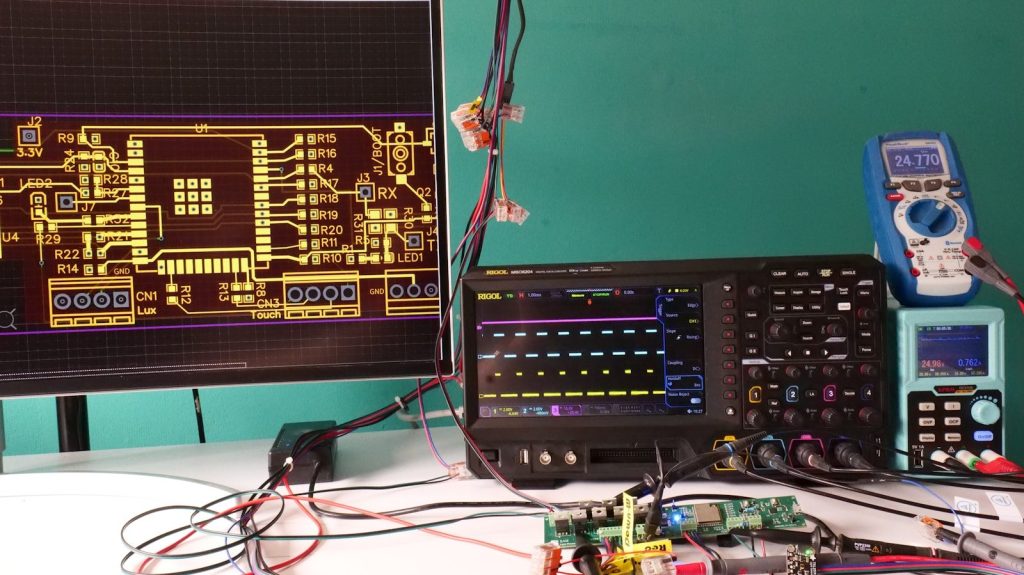
Decaying carbon isotopes release energy slowly to ensure the battery lasts for several centuries. According to electronics engineering studies, this slow decay produces a highly constant but very low electrical current. The flow is tiny. This micro-power limit means a single diamond cell cannot run a heavy smartphone on its own. But engineers are developing a clever way to stack these cells.
Stacking Cells In Series
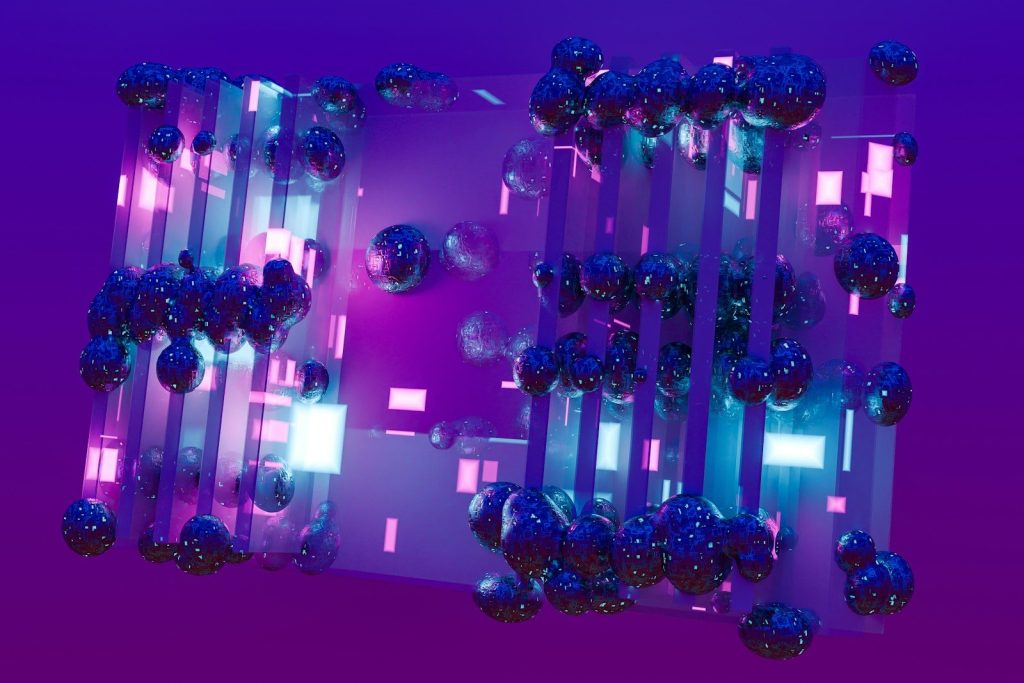
Combining thousands of microscopic diamond layers allows developers to multiply the total voltage output. According to battery design reports, these stacked arrays can be paired with small capacitors to store energy. The power accumulates. This setup can release sudden bursts of high current whenever the device requires extra power. But this constant charging cycle raises unique questions for electric vehicles.
Powering Future Space Probes

Deep space missions traveling far from the sun cannot rely on standard solar panels. According to aerospace engineering logs, diamond batteries are ideal for running delicate navigation computers on interstellar probes. They never freeze. This reliable power source ensures the vehicle remains functional during centuries of travel through the absolute dark. But some automotive developers are looking at this tech for cars.
The Infinite Car Battery
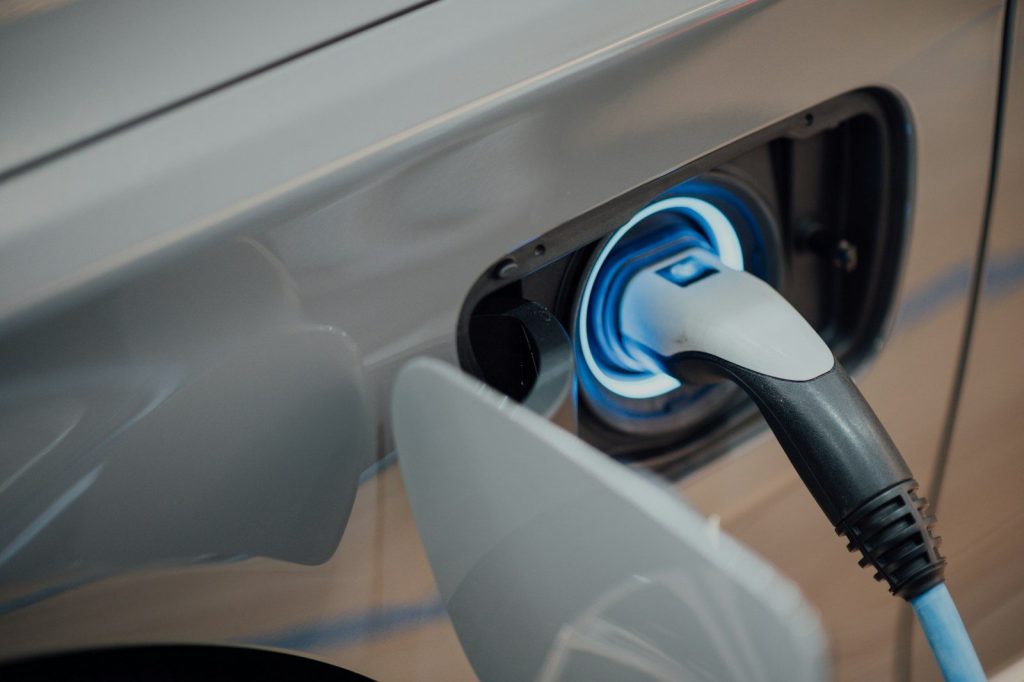
Using nuclear batteries in consumer vehicles could theoretically eliminate the need for charging stations entirely. According to automotive industry analysts, these diamond packs could trickle-charge a car’s main battery continuously while parked. The charging is constant. This hybrid setup would ensure the vehicle always has range without ever needing to plug into the grid. But proving this technology is safe for daily driving requires rigorous testing.
A Century Of Safe Power

Mastering beta-voltaic energy is the ultimate key to unlocking maintenance-free personal electronics and transport. According to clean energy researchers, nuclear batteries will eventually redefine our relationship with electricity. The future is bright. This transition will allow humanity to operate devices for generations without draining natural resources. This article is for informational purposes only.
Featured Image: Photo by Towfiqu barbhuiya on Pexels
Leave a Reply