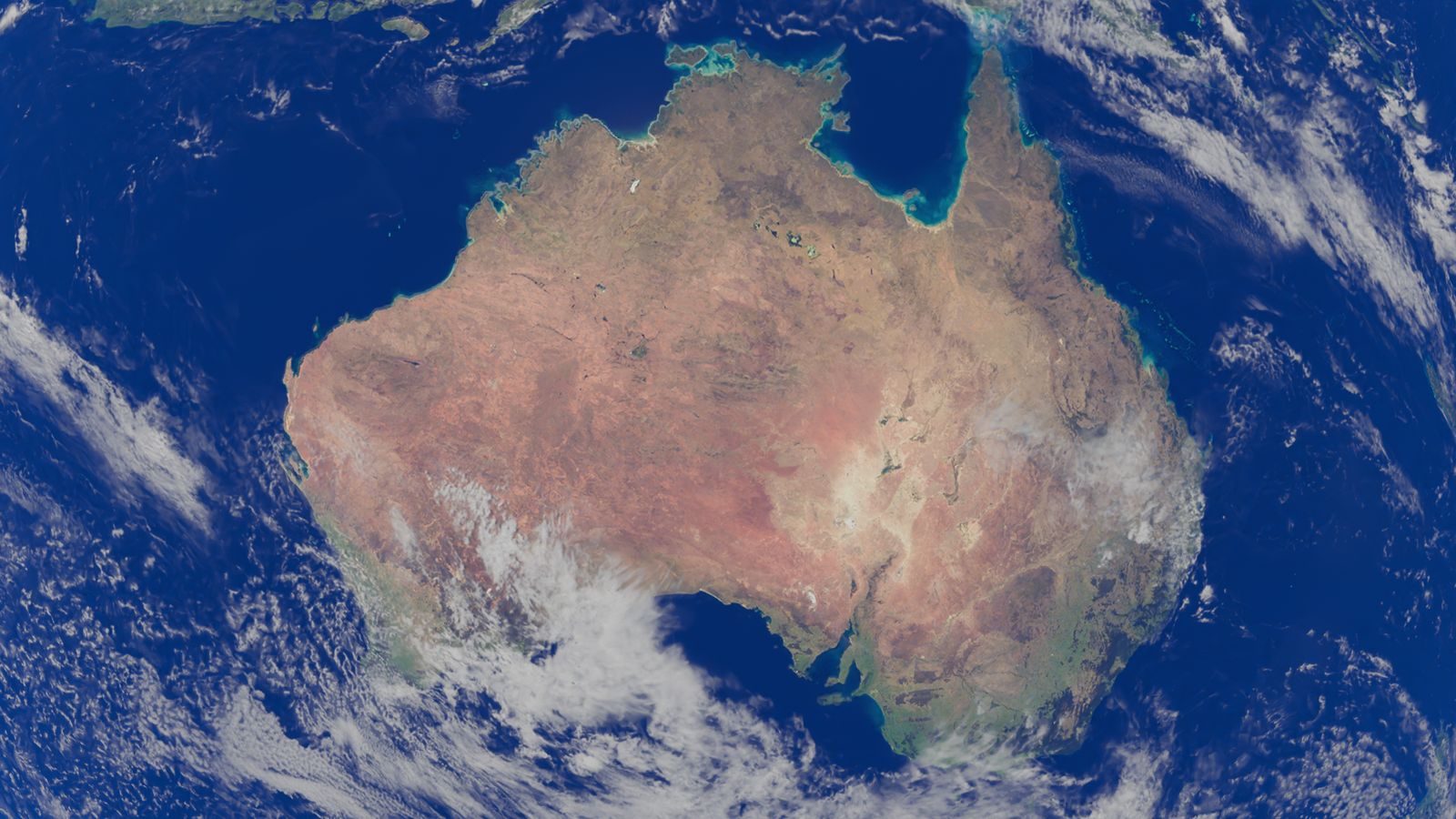
Most people assume that the continents and oceans we see today are permanent features of our planet. We believe that Earth’s geography remains stable and unchanging over human lifetimes.
But powerful forces deep beneath the crust are quietly reshaping the entire world at an accelerating rate. These planetary movements will soon make our current maps completely unrecognizable.
Splitting Giant Landmasses Apart
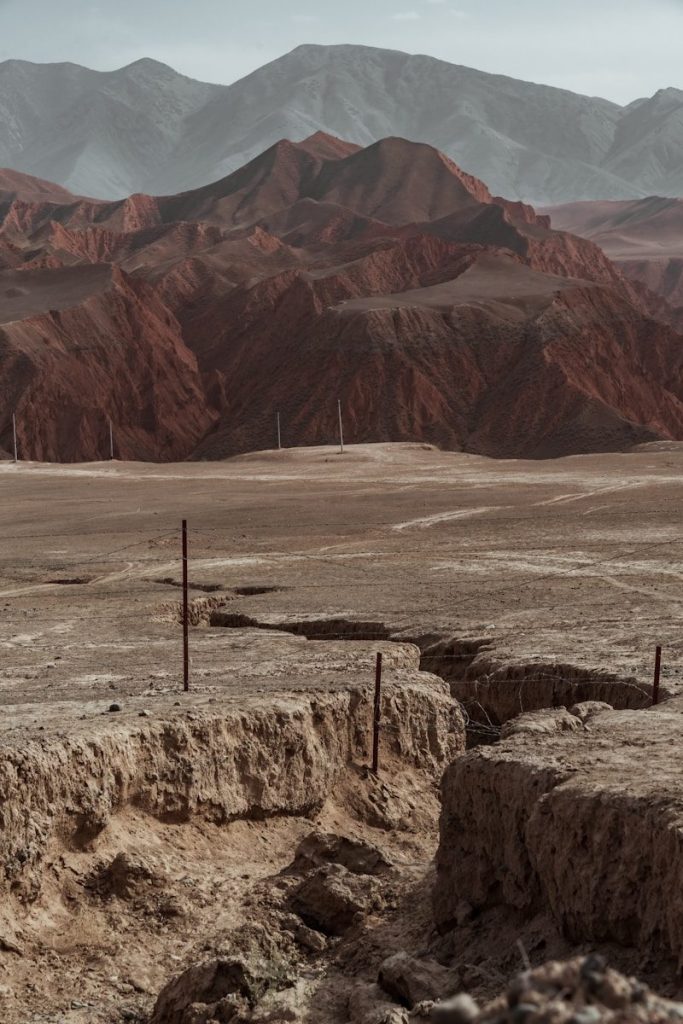
A massive tectonic tear is slowly ripping the eastern continent of Africa into two separate landmasses. According to reports from the Geological Society of London, a giant fissure stretching for thousands of miles is widening by a few millimeters every year. The ground is opening. This active rift will eventually allow a brand new ocean basin to flood the valley. But this dramatic split is also creating massive changes along the coastlines.
Ocean Basins Flooding Valleys

As the tectonic rift deepens, water from the Red Sea will eventually rush in to fill the new depression. According to oceanographic models, this process will create a vast island out of the Horn of Africa. Geography is shifting rapidly. This new maritime passage will completely redraw global trading routes and alter local climates. But the coastlines of other continents are facing an equally dramatic transformation.
Rising Waters Swallowing Shorelines
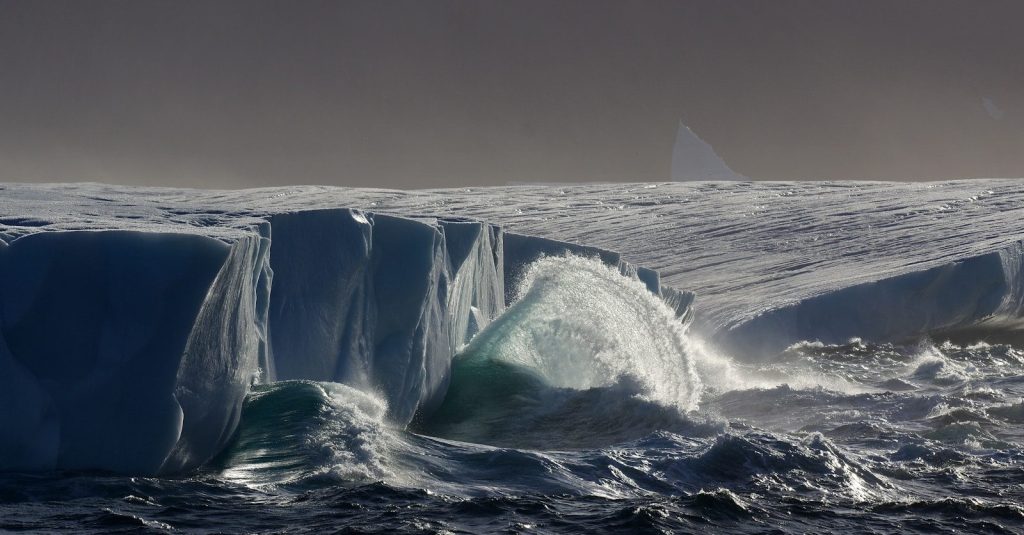
Shifting thermal patterns are causing polar ice sheets to melt and raise global sea levels. According to reports from the Intergovernmental Panel on Climate Change, major coastal cities could be completely submerged within the next century. The threat is real. Millions of people will be forced to migrate inland as the oceans claim valuable coastal plains. But these water movements are also shifting the weight of the entire planet.
Land Bouncing Upward Slowly
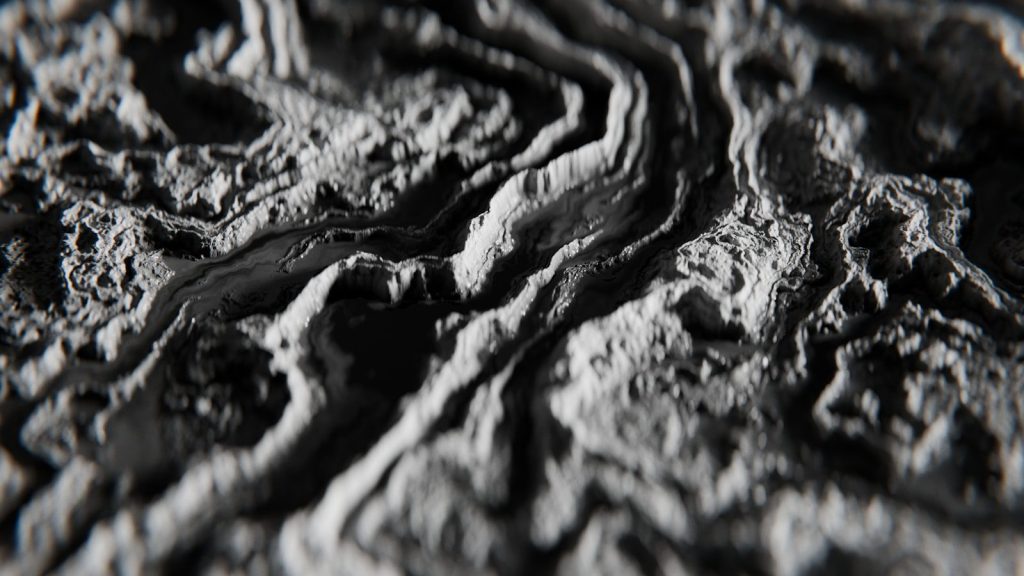
The melting of massive glaciers is relieving billions of tons of weight from the continental crust. According to geological surveys, landmasses in the northern hemisphere are bouncing upward as the heavy ice disappears. The Earth behaves dynamically. This crustal rebound can trigger unpredictable earthquakes and alter the paths of major river networks. But these surface changes are closely linked to movements deep inside the mantle.
Hot Magma Reforming Islands
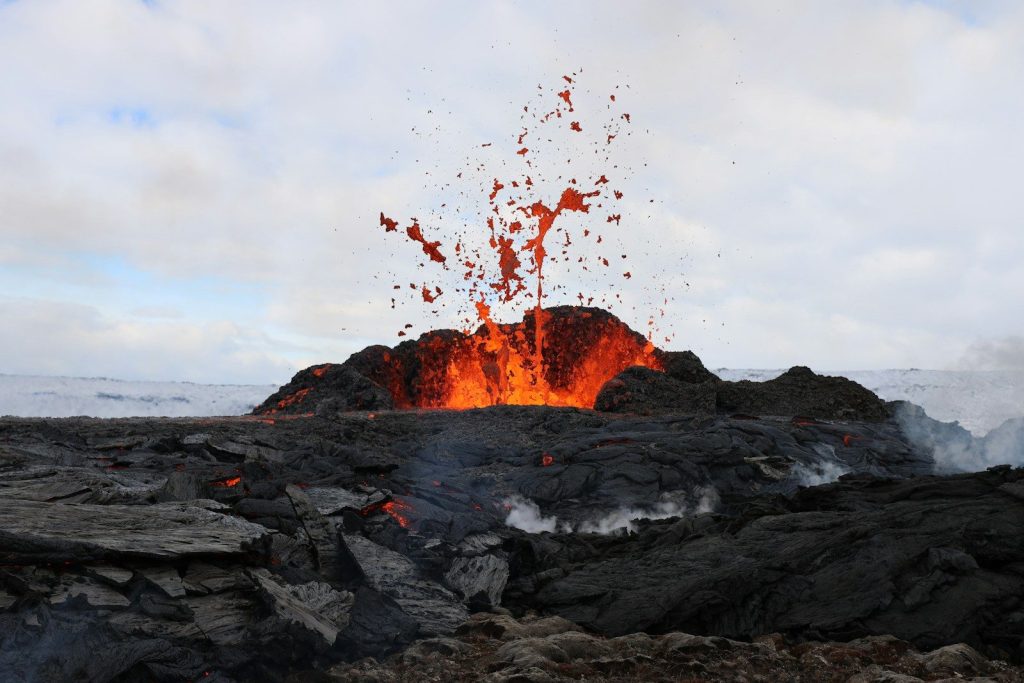
Deep volcanic plumes are constantly pushing hot magma upward to create brand new islands in the oceans. According to seismic research papers, underwater eruptions are building fresh landmasses in the Pacific and Atlantic basins. New ground is born. These volcanic additions prove that our planet is actively expanding its surface area. But this subterranean heat is also affecting the global magnetic shield.
Magnetic Poles Shifting Direction
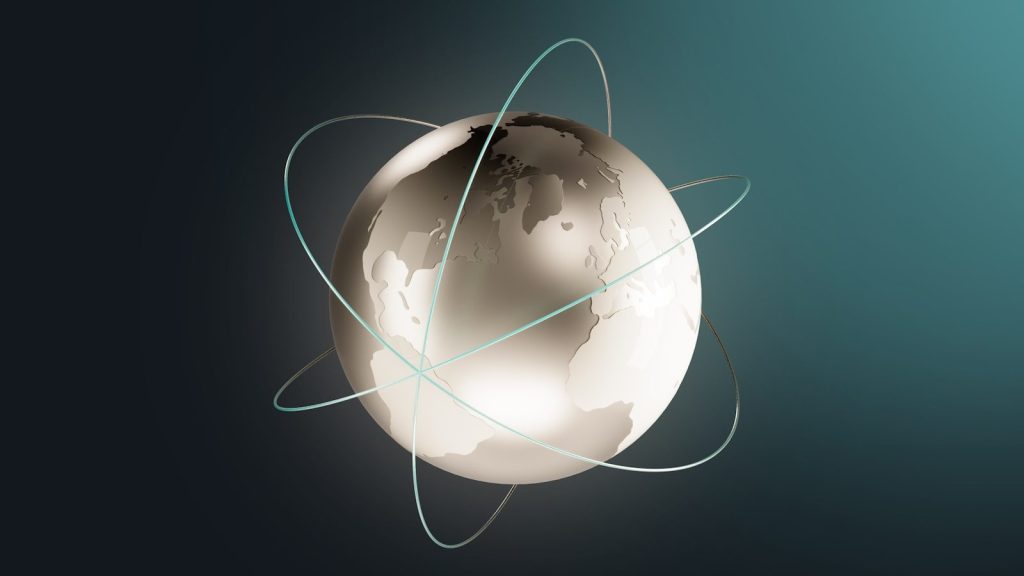
The liquid iron core of our planet is experiencing sudden and erratic movements. According to magnetic monitoring logs, the north magnetic pole is drifting toward Siberia at an unprecedented speed. The shield is active. This rapid movement could be a sign of an upcoming magnetic reversal that flips the planetary field entirely. But understanding these magnetic shifts requires looking at how they impact modern technology.
Disrupting Global Navigation Systems
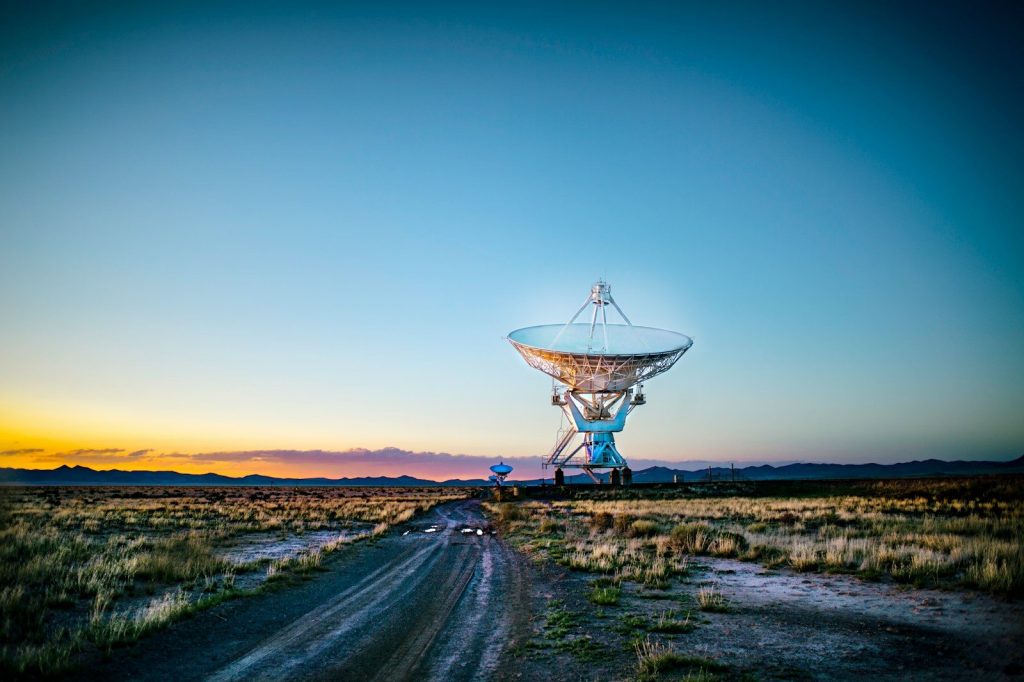
A weaker magnetic field allows more cosmic radiation to penetrate the upper atmosphere. According to aerospace engineering studies, this solar bombardment can easily disable communication satellites and disrupt national power grids. The stakes are high. Preparing for these space weather events has become a top priority for global defense agencies. But the ultimate survival of our species depends on how we adapt to this changing world.
Embracing Our Dynamic Planet

Earth has always been a highly active and evolving world that refuses to stand still. According to geophysicists, studying these massive tectonic and atmospheric shifts helps us prepare for the inevitable future of our environment. Change is permanent. This article is for informational purposes only.
Featured Image: Photo by Zelch Csaba on Pexels
Leave a Reply