
Nature lovers assume that species disappear slowly and in complete isolation from each other. We believe that the loss of one single animal has no real impact on larger ecosystems.
But a major ecological study has revealed a terrifying survival crisis. The rapid collapse of certain key species is quietly triggering a devastating extinction domino effect.
The Connected Web Of Life
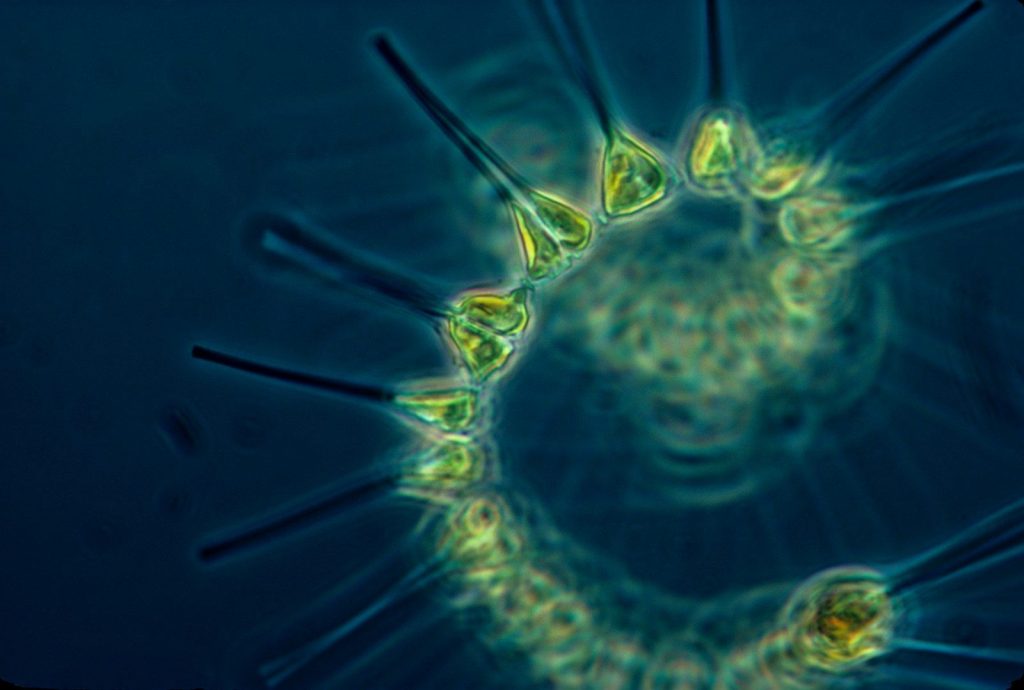
Every plant and animal on Earth plays a vital role in a complex food network. According to a study published in Science, losing one species weakens the entire environmental structure. They are perfectly matched. This cellular connection means that the decay of a single plant can cause distant animal populations to starve. But tracking this ecological decline requires looking closely at biodiversity databases.
One In Four Threatened
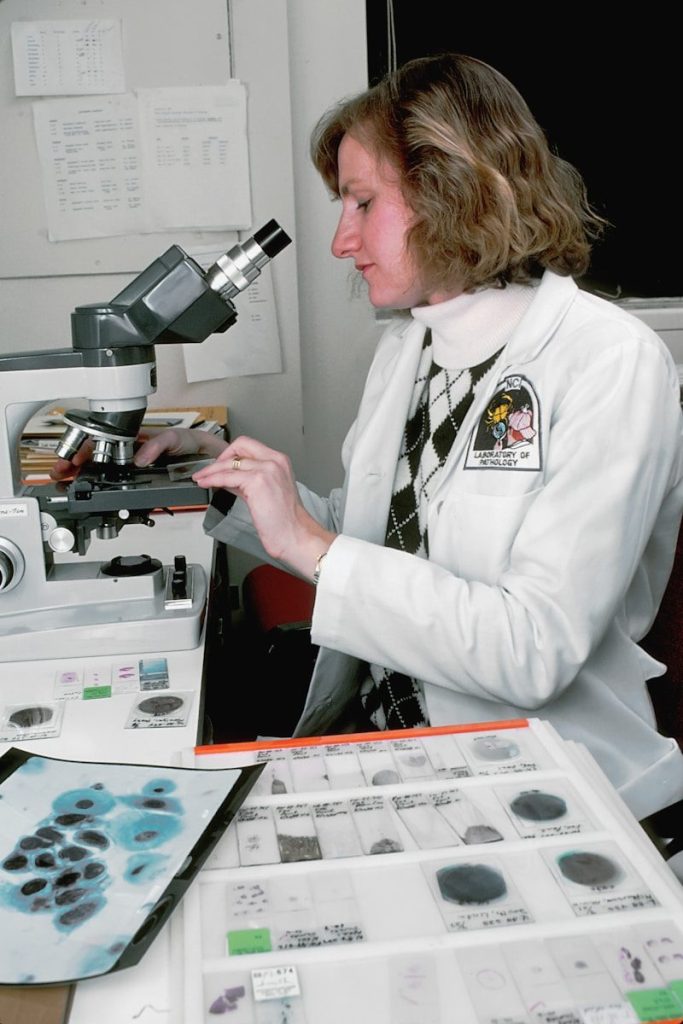
Scientists analyzing global species lists have mapped a highly alarming survival trend. According to reports from the International Union for Conservation of Nature, over one in four species faces a severe risk of extinction. The numbers are staggering. This rapid loss is occurring across all major habitats from deep oceans to dry forests. But the primary driver of this ecological collapse remains heavily human.
Vanishing Natural Habitats
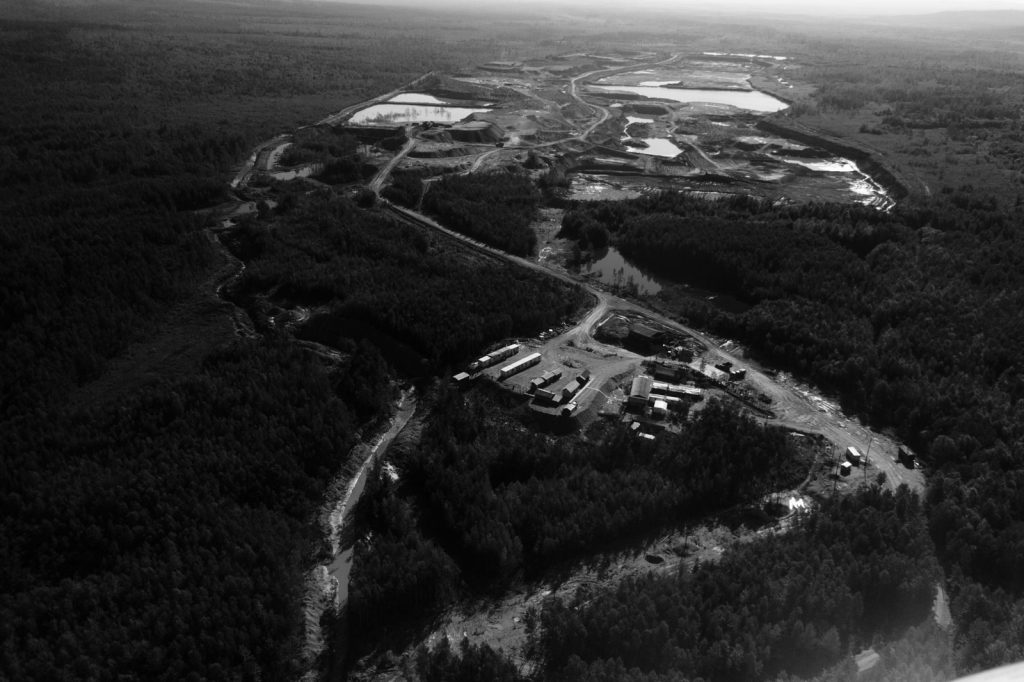
Human industries are quickly replacing wild forests with asphalt and heavy concrete. According to environmental scientists, removing trees prevents the land from cooling naturally at night and destroys nesting grounds. It is a relentless cycle. This artificial landscape leaves wild animals with almost no space to forage or breed safely. But climate change is quietly accelerating this habitat destruction from within.
Shifting Climate Zones
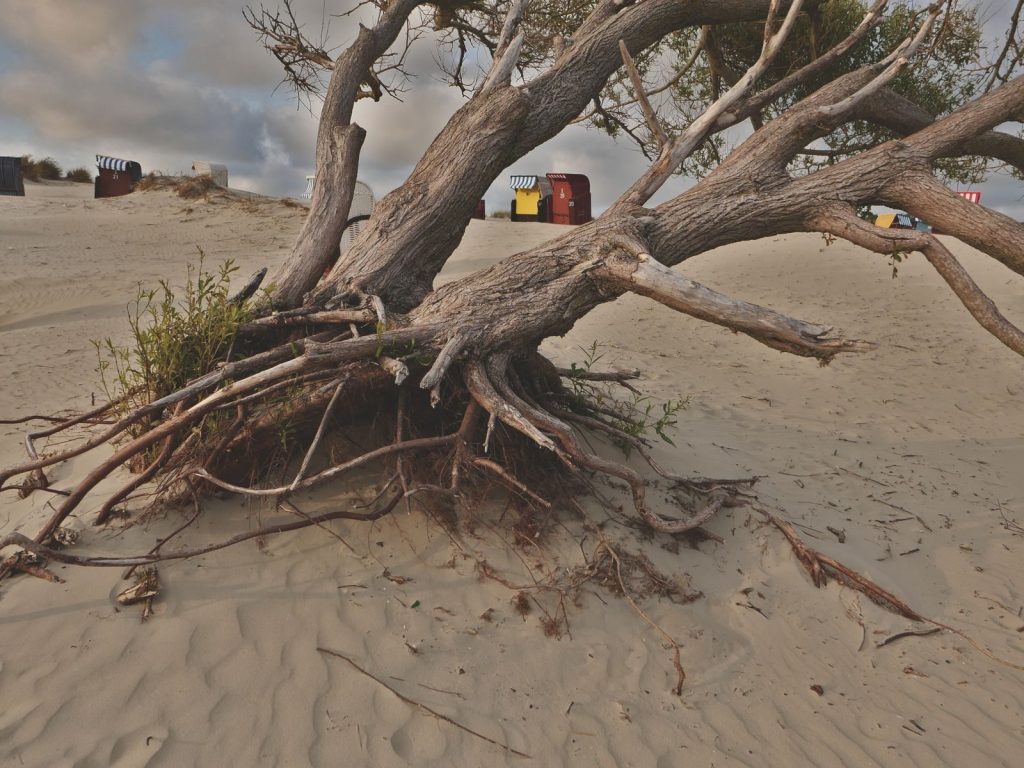
Extreme weather patterns are forcing animals to migrate to seek cooler environments. According to meteorological studies, rapid temperature shifts are drying up vital watering holes and altering seasonal plants. The pressure is immense. Many slow-moving species simply cannot adapt fast enough to survive these sudden regional transformations. But this mass movement is triggering violent clashes over resources.
Losing The Pollinators
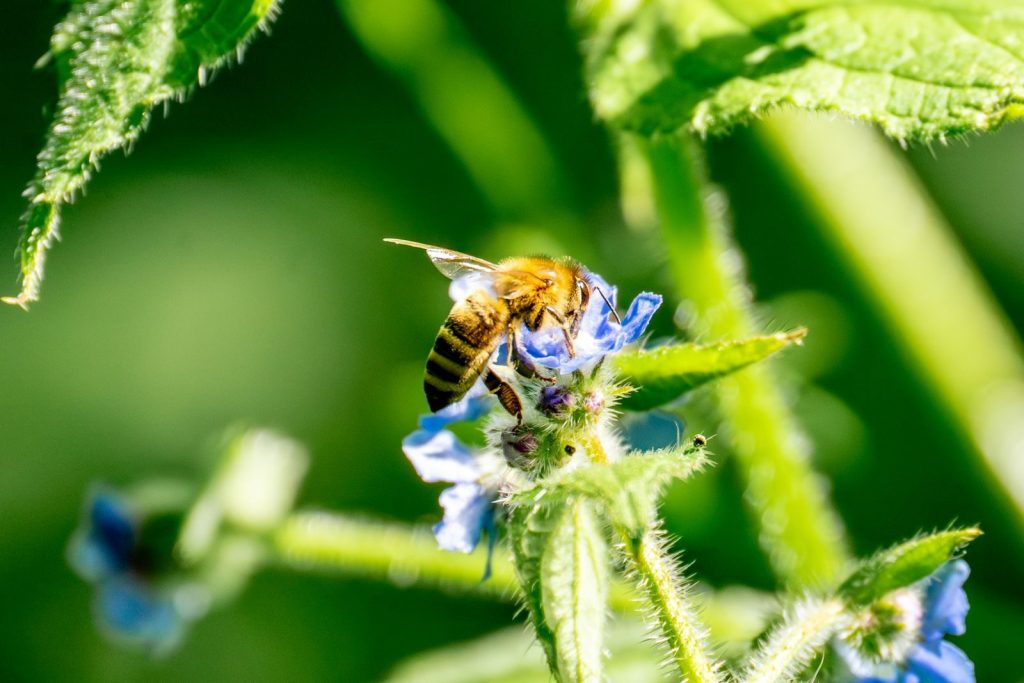
The rapid decline of insect populations poses a severe threat to global agricultural systems. According to agricultural geologists, helper creatures like bees are vanishing due to toxic chemical sprays. They are vital. Without these tiny pollinators, wild plants cannot reproduce, and food crops will eventually fail to grow. But the collapse of these insects is also affecting larger predators.
The Predator Prey Imbalance
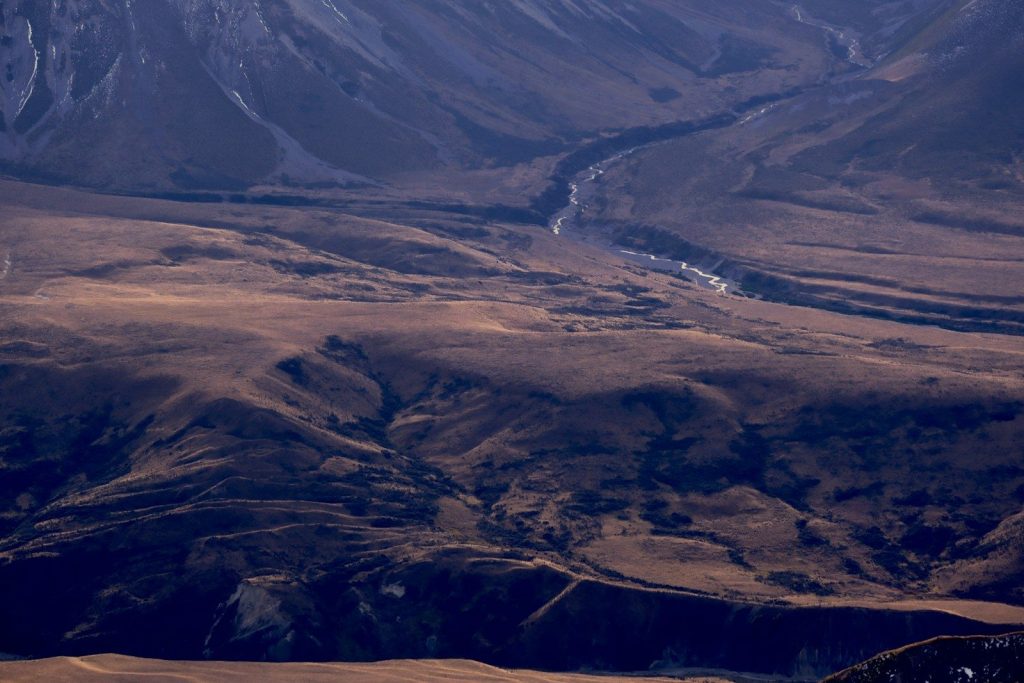
Removing top predators from an ecosystem triggers a rapid rise in herbivore populations. According to wildlife biology reports, having too many plant-eaters quickly strips the landscape of all green vegetation. The balance is broken. This total defoliation leaves the soil vulnerable to intense erosion during heavy seasonal rains. But scientists are searching for new ways to protect these fragile connections.
Protecting Our Biodiversity
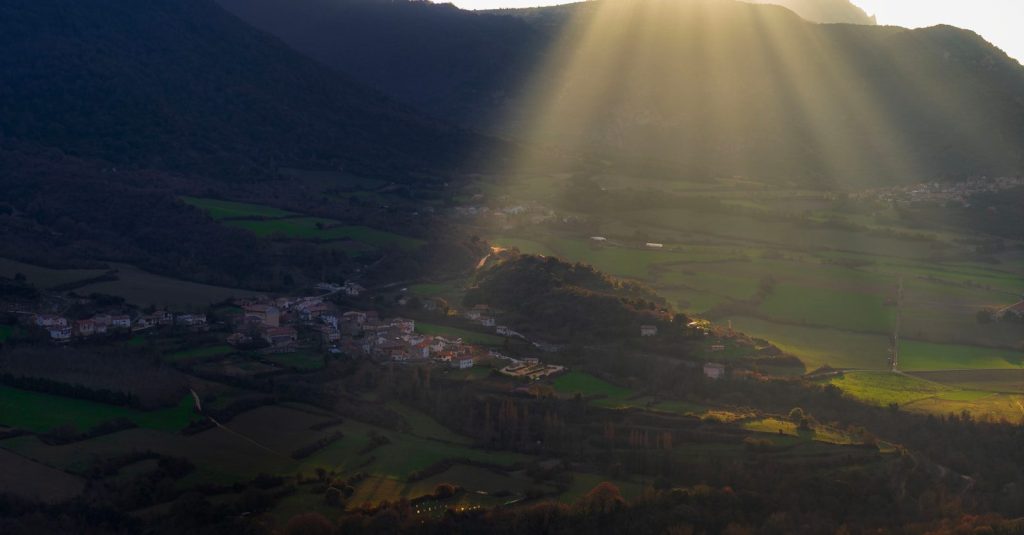
Restoring natural habitats is the easiest way to prevent a total ecological collapse. According to conservation researchers, protecting delicate environments preserves the complex web of life. Nature demands respect. This article is for informational purposes only.
Featured Image: Photo by Julia Kadel on Unsplash
Leave a Reply