
Most internet users believe that sending a message to a chatbot is a completely clean and instant act. We assume that digital tools operate without leaving any physical footprint on local environments.
But the computing engines behind modern AI require a staggering amount of electrical energy. This massive consumption is pushing aging public utility systems to the absolute brink of collapse.
Massive Concrete Server Warehouses

Processing complex software algorithms requires millions of high-powered microchips running continuously. According to reports from the International Energy Agency, these industrial computing centers are expanding across the globe at an alarming rate. They are electricity hogs. Each new facility draws immense loads that threaten the stability of local communities. But the energy drain is only one part of the problem.
The Coal Plant Delay
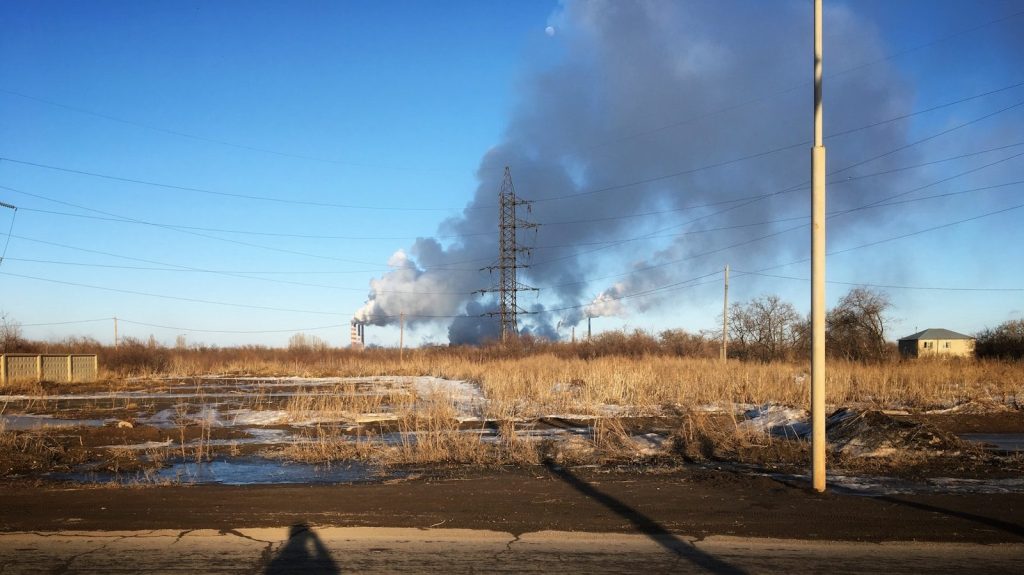
The sudden rush to power new server farms is forcing utility companies to change their transition plans. According to energy sector studies, operators are actively delaying the retirement of highly polluting coal facilities. Climate progress is stalling. This reliance on old fossil fuels is driving carbon emission rates up rather than down. But these computing complexes also have a massive thirst for water.
Evaporative Water Cooling Scarcity
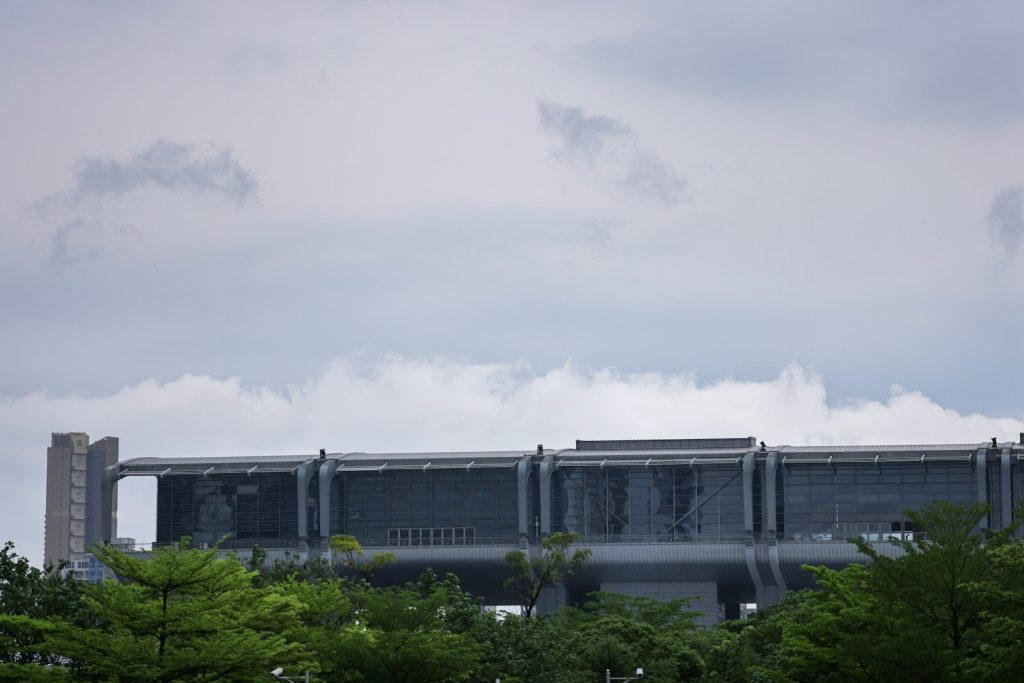
Thousands of heavy processor units generate extreme heat that must be managed to prevent systemic meltdown. According to local utility audits, many facilities evaporate hundreds of thousands of gallons of clean water every day. The loss is permanent. This continuous draw drains essential underground aquifers that local agriculture systems desperately need. But citizens are no longer staying quiet about the issue.
Organized Neighborhood Protests

Angry residents are joining forces to block new technology parks from being built near residential areas. According to local policy reports, communities are demanding strict municipal reviews and immediate environmental transparency. They are highly vocal. Residents fear that public water access and daily electricity bills will fluctuate wildly. But technology developers are trying to design less destructive systems.
Swapping To Closed Air Loops
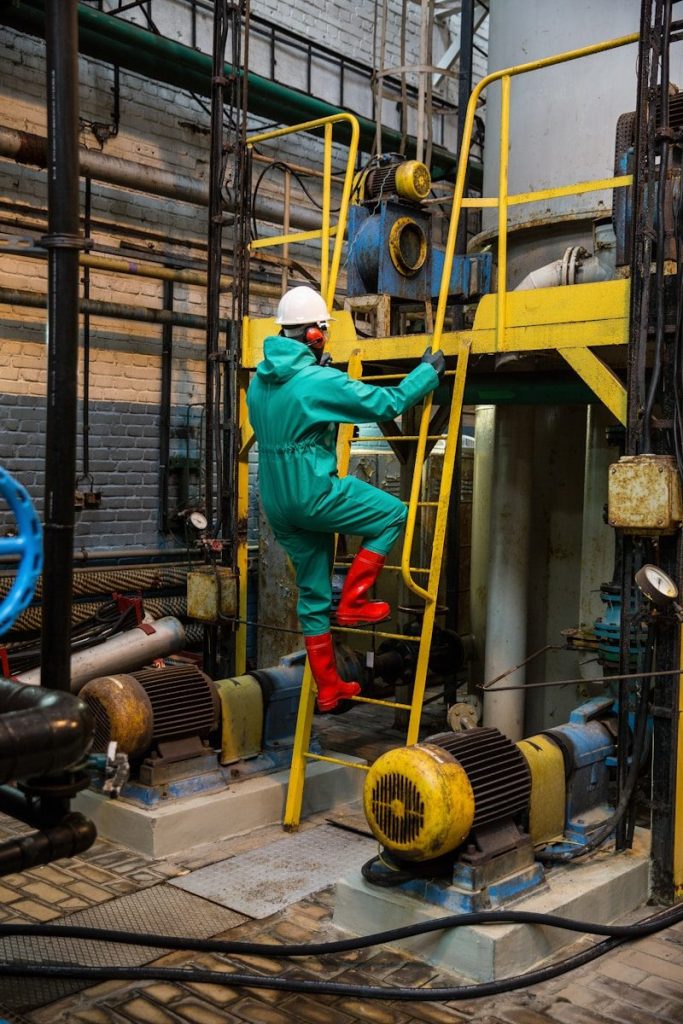
Industrial designers are testing closed-loop cooling setups that do not rely on evaporating local water. According to official science manuals, these systems recycle heat through sealed radiators to eliminate consumption entirely. They are incredibly expensive. The extreme setup price means only the largest corporate operators can afford to use them. But the search for massive constant power is shifting toward nuclear energy.
Reaching For Nuclear Power
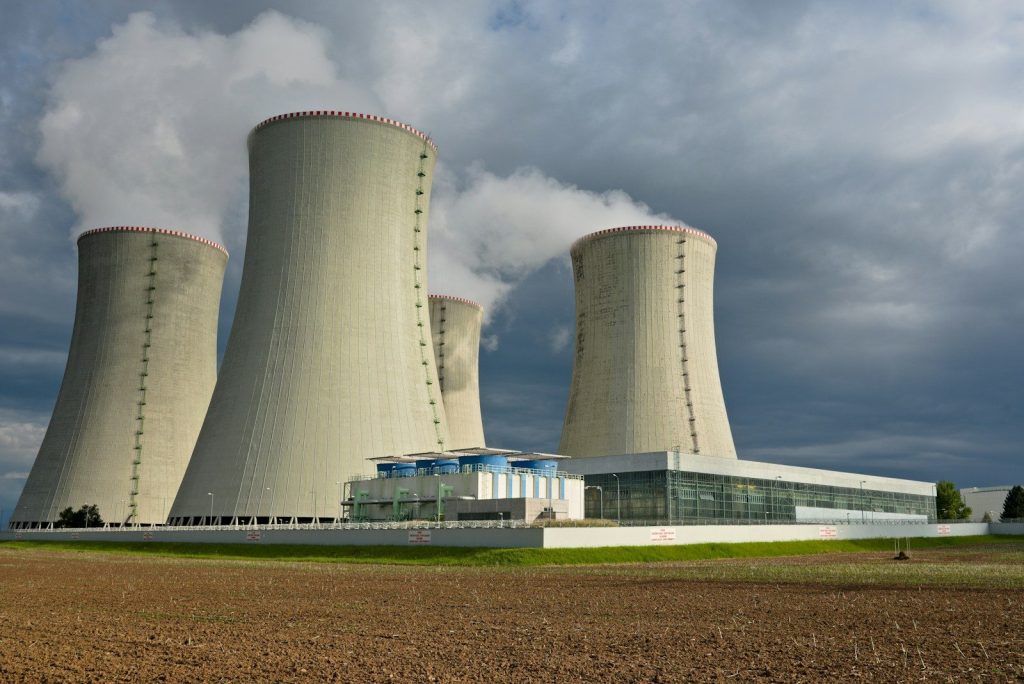
Technology conglomerates are signing historic power purchase agreements directly with old atomic generation stations. According to utility market updates, these tech firms require a steady stream of carbon-free baseload electricity. The demand is unprecedented. This movement toward nuclear energy has completely changed the economics of municipal power grids. But this rapid atomic transition brings its own set of critical safety concerns.
The Digital Infrastructure Balance

Maintaining modern computational growth without destroying local resources will require a total design overhaul. According to infrastructure engineers, the future of computer networks depends on creating hyper-efficient chips and highly localized green energy. Balance is key. This article is for informational purposes only.
Featured Image: Photo by Aleksandar Savic on Unsplash
Leave a Reply