Most history lovers assume that ancient cities are only found by hacking through thick jungle growth. We believe that forgotten ruins remain hidden under layers of soil and leaves.
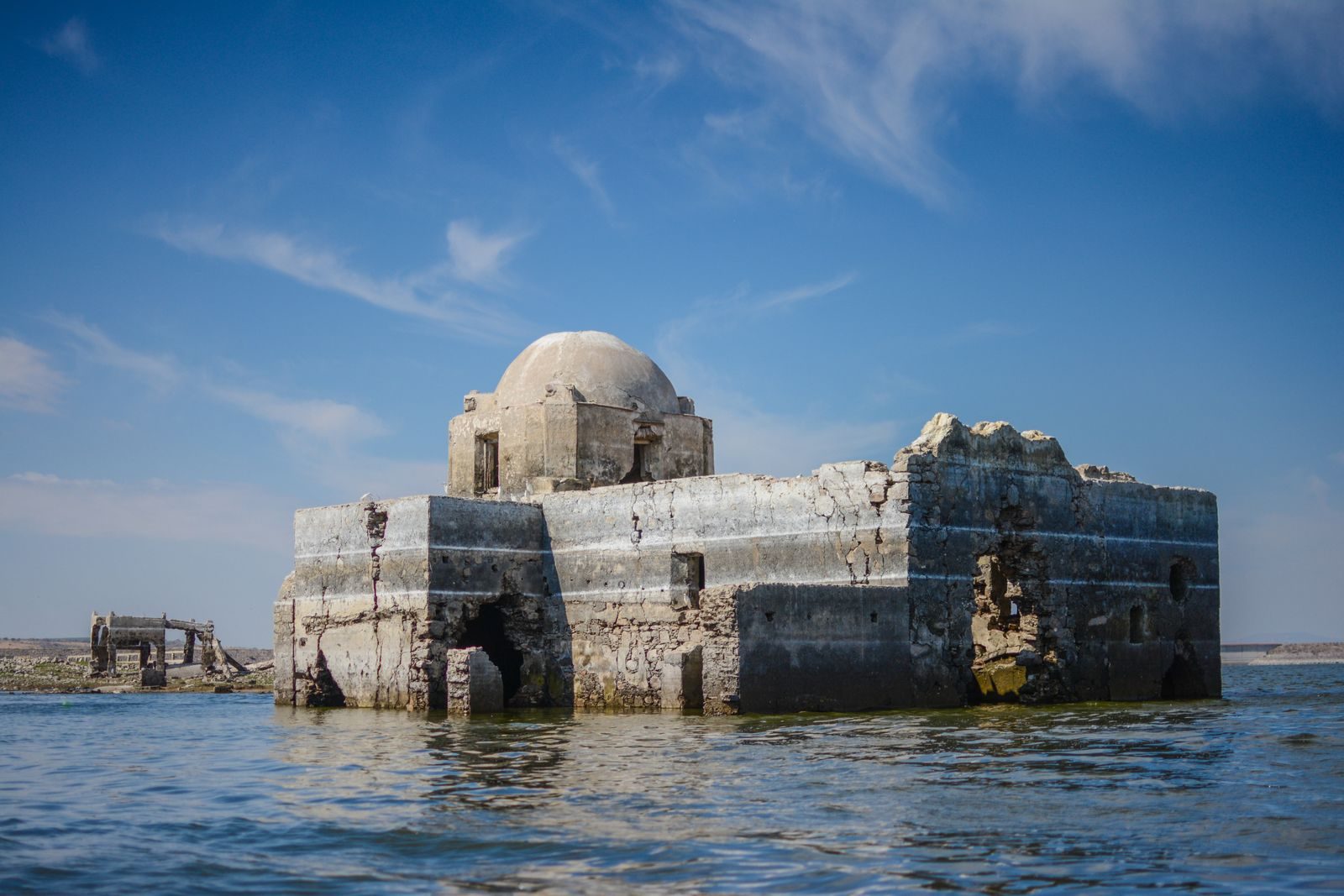
But a spectacular underwater discovery in Guatemala has challenged this archaeological expectation. An entire Maya settlement lies perfectly preserved beneath the waters of a volcanic lake.
The Volcanic Water Grave
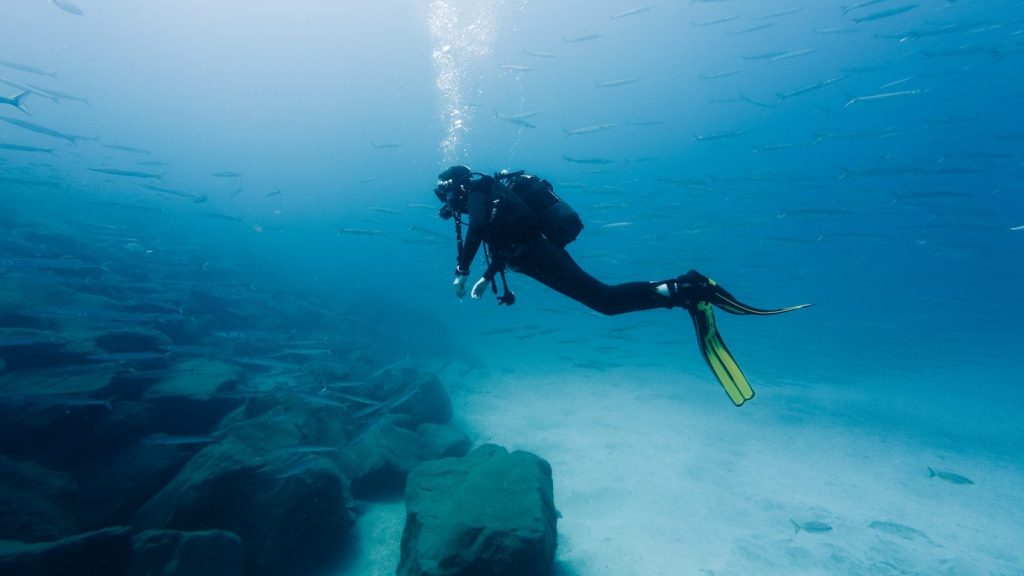
A beautiful high-altitude lake in Central America was once the center of a thriving community. According to reports from the Guatemalan Ministry of Culture, archaeologists discovered stone structures resting deep under the surface. The water is cold. Divers mapping the area found stone plazas, ceremonial temples, and residential homes. But identifying why this grand city sank requires looking back at natural disasters.
Shifting Volcanic Lands
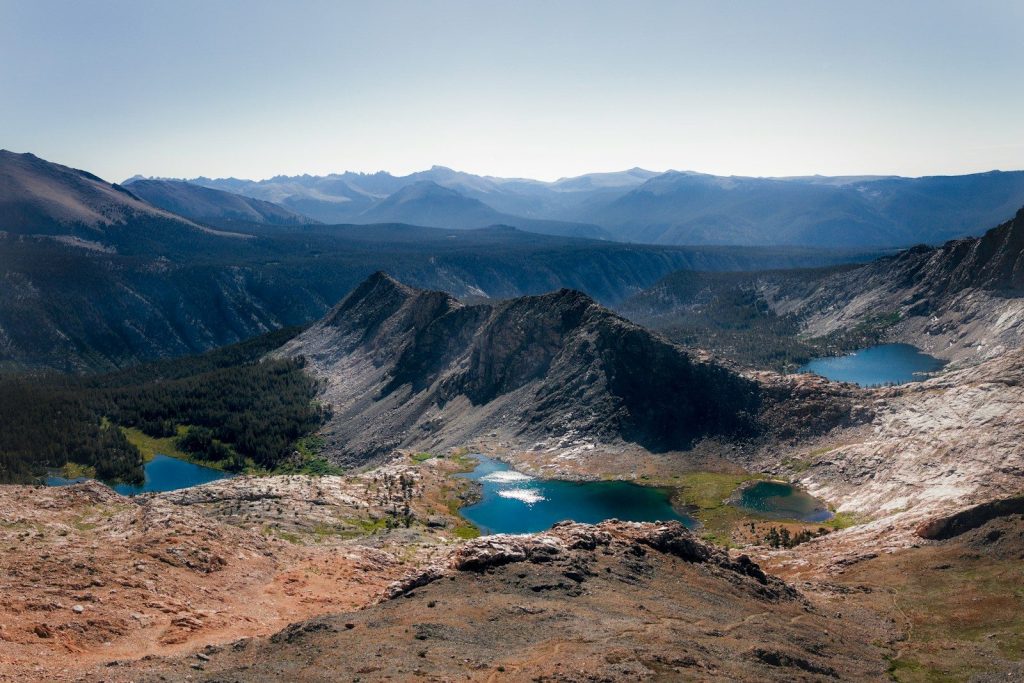
The ancient city was built on a small island in the middle of Lake Atitlan. According to geophysical research, the surrounding volcanic land underwent a sudden tectonic shift over two thousand years ago. The ground shook. This seismic movement caused the island to slowly sink below the rising water levels. But the residents left behind a massive amount of historical wealth.
Pristine Stone Monuments
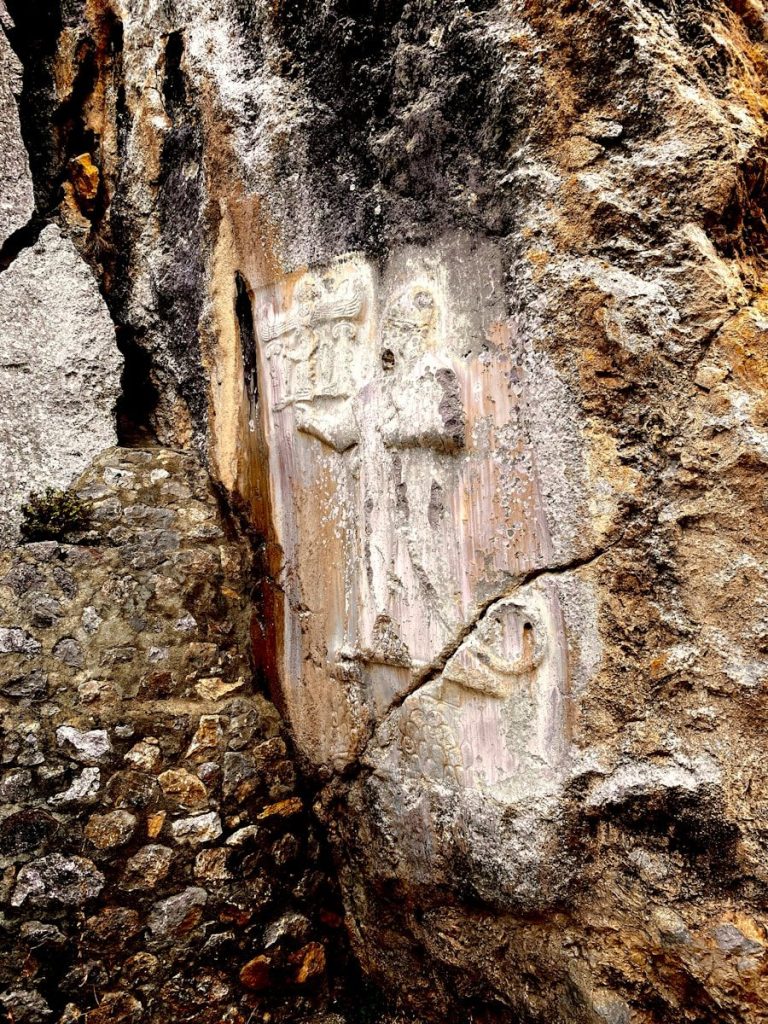
Exploring the underwater site revealed a stunning collection of carved stone monuments. According to lead archaeologist Helena Barba Meinecke, divers recovered ceremonial altars and detailed stelae containing ancient glyphs. The art is beautiful. These stone carvings remained protected from human looters by the deep water cover. But decoding these messages requires looking at the spiritual role of the lake.
A Sacred Water Portal
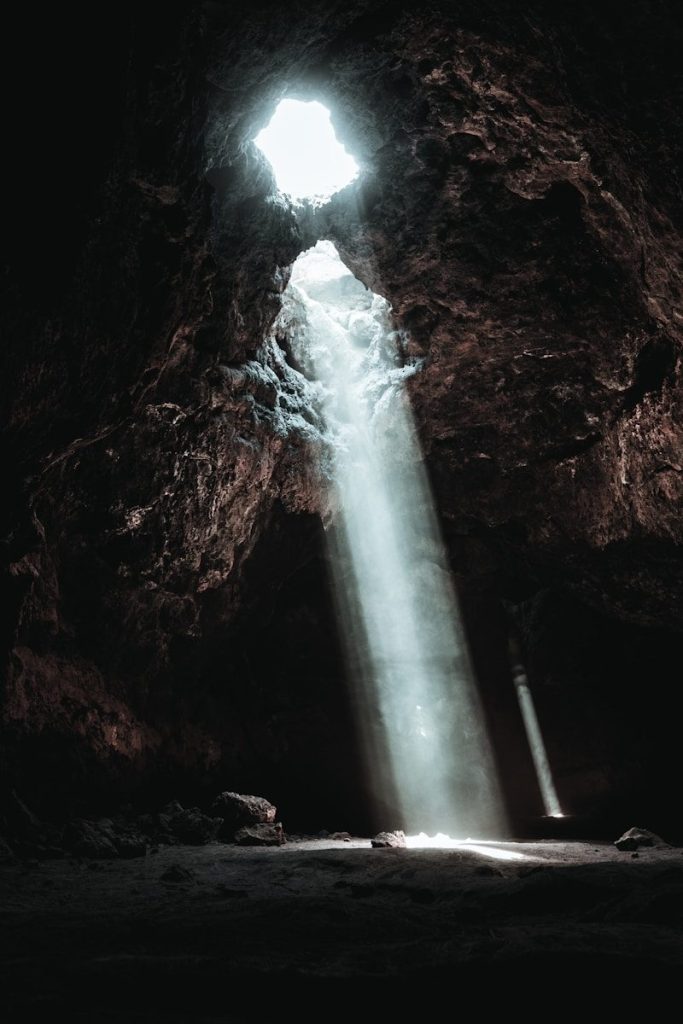
The ancient Maya viewed deep waters as a direct gateway to the supernatural underworld. According to classical historians, the island city of Samabaj was a major pilgrimage site for religious rituals. It was a holy place. Families traveled across the water to make offerings of pottery and precious jade to the gods. But the sudden sinking of this sanctuary shocked the entire civilization.
Preserved By The Deep
The lack of oxygen in the deep water prevented organic materials from decaying normally. According to marine archaeologists, wooden structures and household items were found resting in the mud layers. The preservation is perfect. These artifacts offer a rare look at the daily lives of regular families during the late Preclassic era. But launching a full excavation poses an extreme physical challenge.
Mapping With Laser Radar
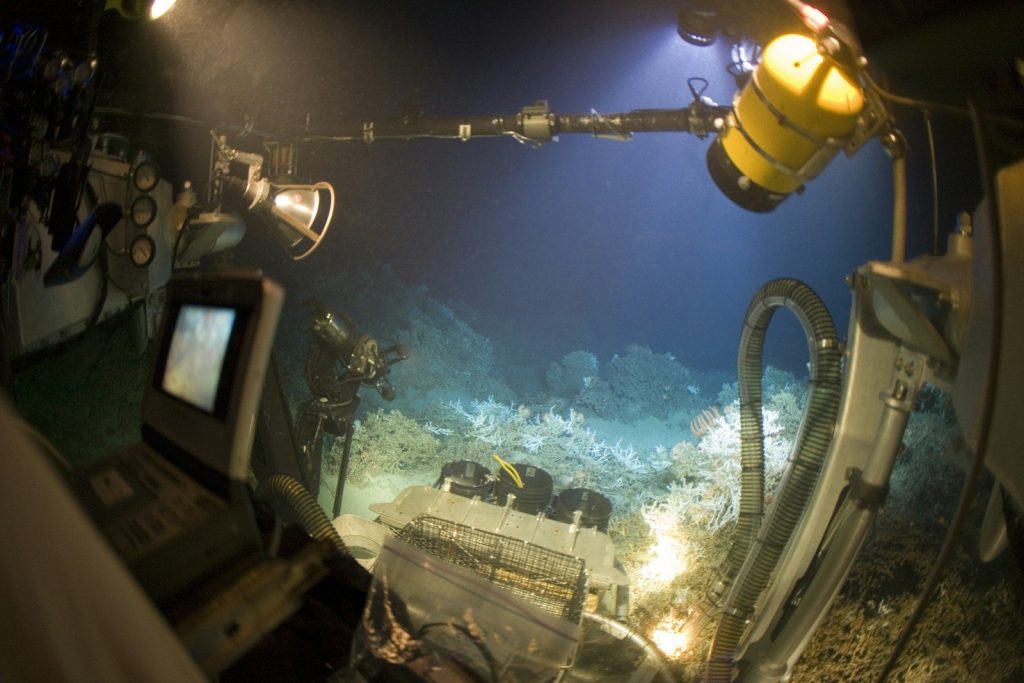
Divers are using advanced underwater sonar technology to map the entire submerged grid safely. According to project directors, digital scans allow researchers to reconstruct the city’s architecture without disturbing the delicate ruins. It is highly detailed. This computer model shows how temples and plazas were carefully aligned with cosmic movements. But these virtual maps are revealing some highly unexpected structures nearby.
Unlocking Sunken History
This submerged Maya metropolis is helping historians rewrite the early development of Mesoamerican cities. According to historical researchers, mapping Samabaj proves that early societies were highly adapted to dynamic volcanic environments. Nature always surprises us. This article is for informational purposes only.
Leave a Reply