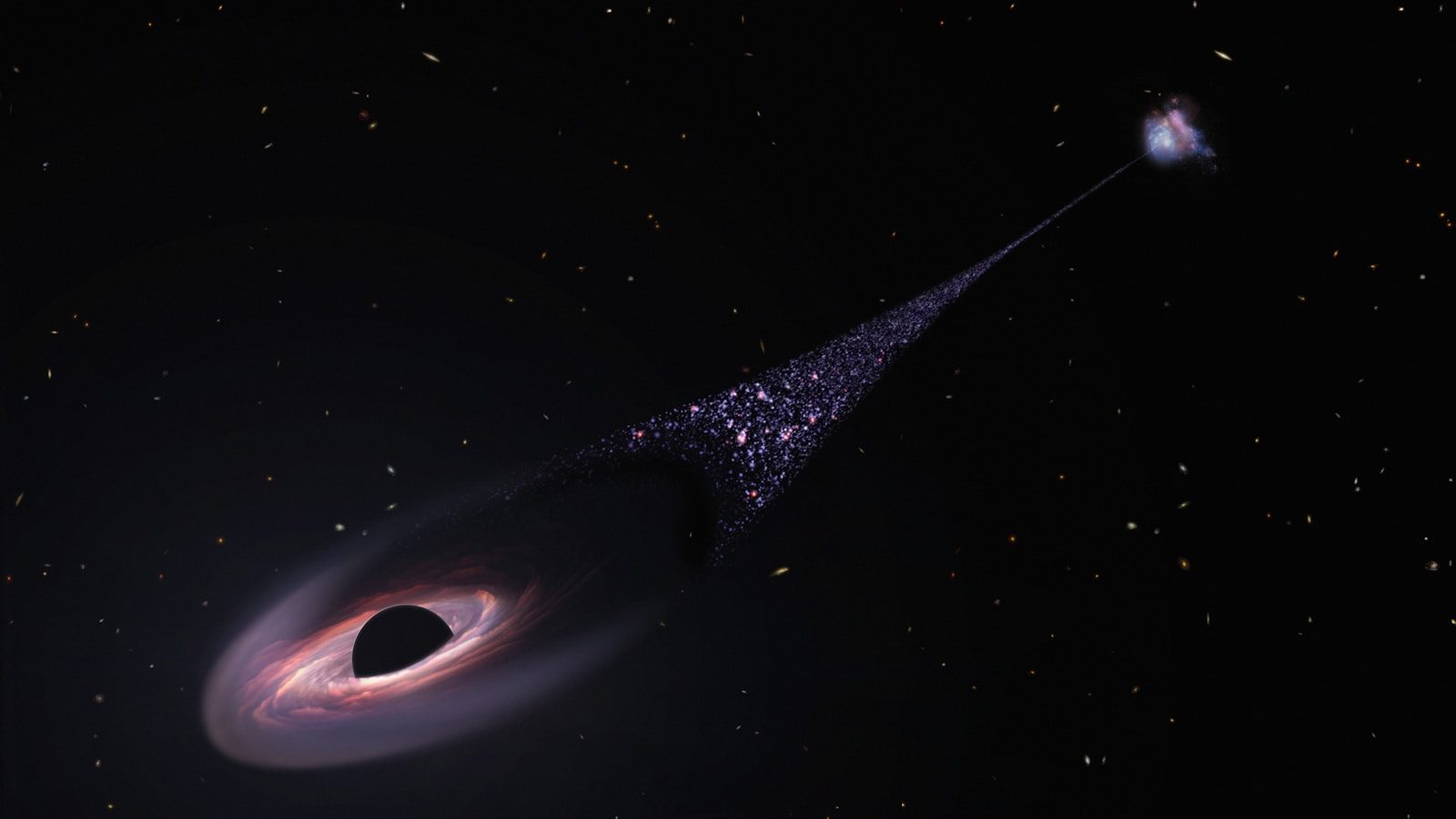
Most stargazers believe that objects entering our solar system behave like predictable icy rocks. We assume that comets only release water vapor when they get close to the heat of the sun.
But a bizarre interstellar traveler named ATLAS is completely breaking these cosmic rules. Its strange chemical emissions are forcing top astronomers to reconsider everything we know about space objects.
Sifting Deep Space
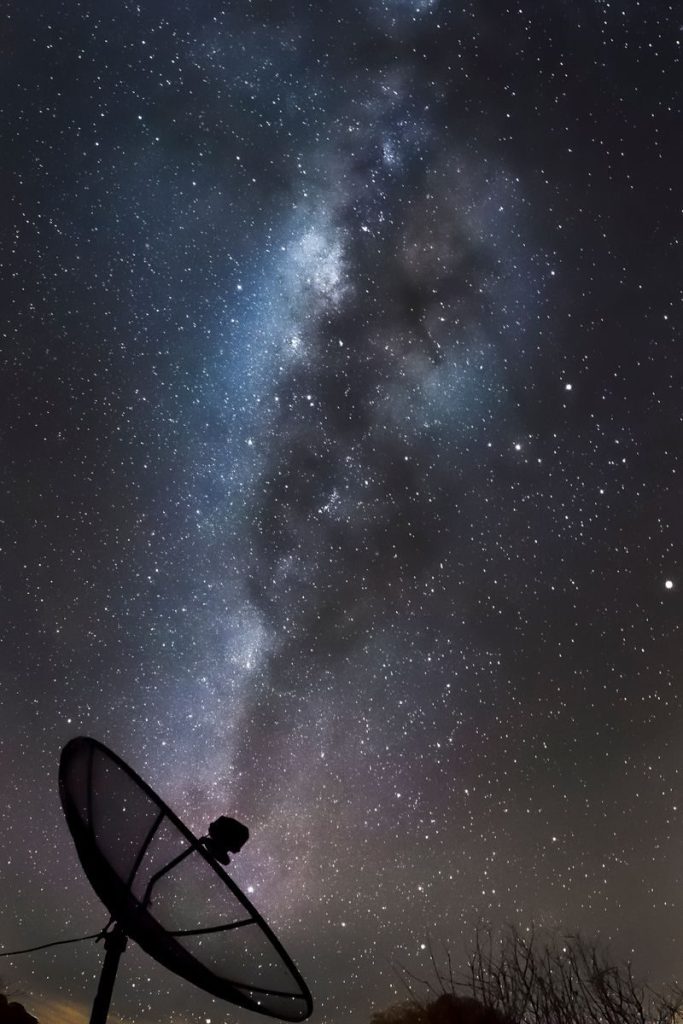
The fast-moving object was first detected by a telescope network in Chile. According to NASA, the fast-moving traveler emerged from the direction of Sagittarius in July of 2025. It was traveling at over one hundred thousand miles per hour. This speed was highly unusual. Because it was moving so fast, scientists quickly realized it was an interstellar visitor. But its trajectory was about to trigger an intense debate.
Baffling Water Spills
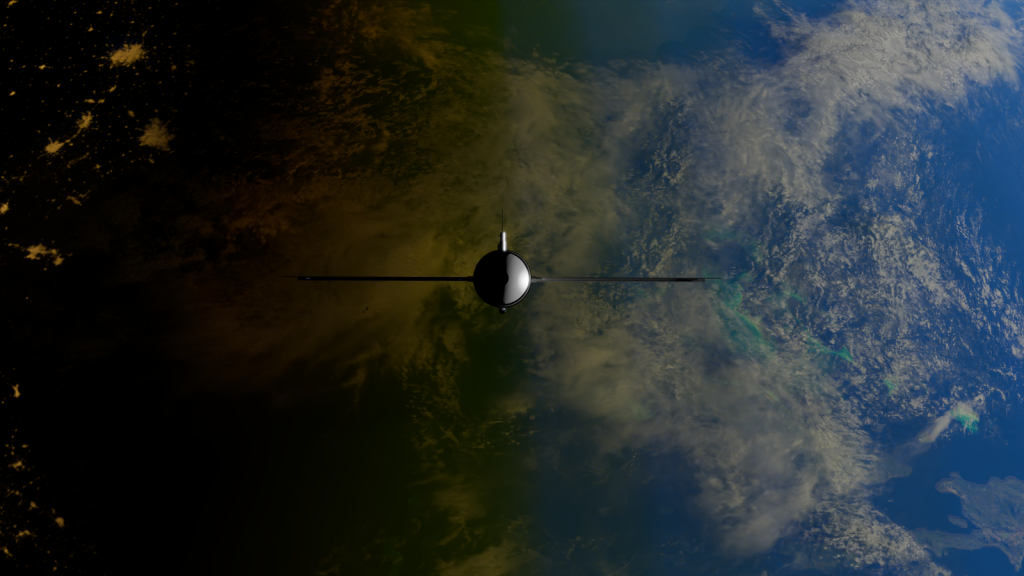
Most comets remain frozen solid until they get close to the sun’s warm rays. According to reports from the Neil Gehrels Swift Observatory, the visitor began spraying massive amounts of water vapor while still deep in the freezing outer solar system. It was deeply frozen. This early outgassing of water is extremely difficult to explain with standard thermal models. But this chemical mystery was only the beginning.
The Carbon Trap

Analyzing the gases released by the traveler revealed more chemical anomalies. According to the European Space Agency, the object has an incredibly high ratio of carbon dioxide to water ice. This mix is unique. No other comet in our local planetary system shows such a strange composition. But discovering how this frozen body managed to retain so much water led to a chilling question.
Signs Of Technology
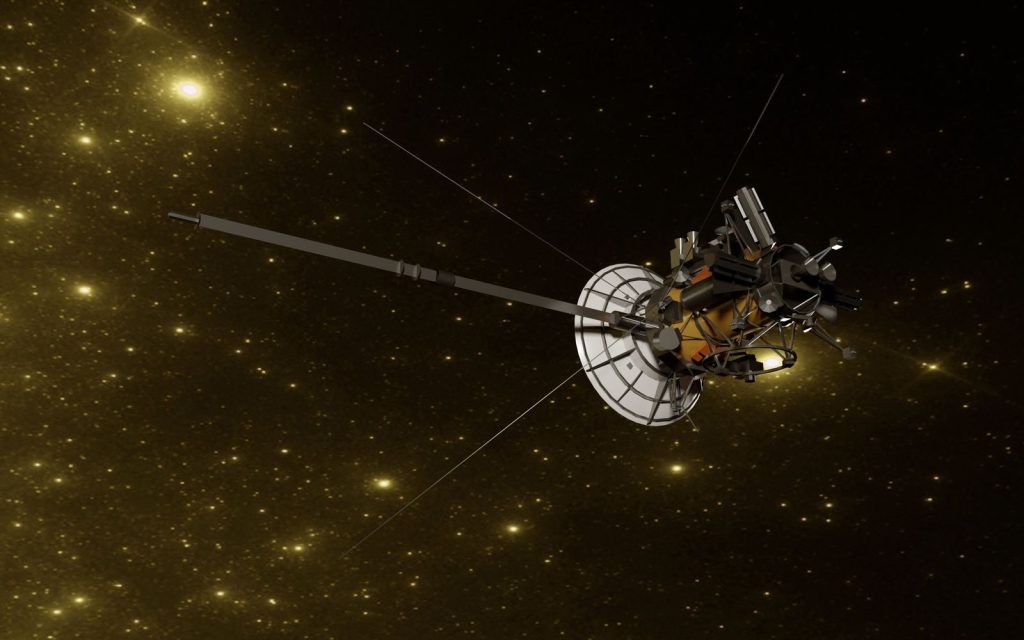
Some theoretical astrophysicists began to question if the traveler was a natural object. According to reports from Harvard University, researcher Avi Loeb argued that its high speed and steep path could match an active interstellar probe. The proposal was radical. He suggested the object might be a technological artifact from another solar system. But verifying this bold claim required looking closely at its path.
Close Orbital Passes

The object’s path through our solar system seemed almost planned. According to the Harvard research team, the traveler made unusually close flybys of Venus, Mars, and Jupiter. They were close. This alignment could theoretically help a probe collect valuable planetary data while avoiding Earth detectors. But some mainstream astronomers argue that these close passes are simply natural coincidences.
The Dark Forest
The idea of active alien technology entering our space raises some serious security concerns. According to the research paper, the object could be a quiet explorer operating under a cosmic survival strategy. This strategy is silent. It suggests that advanced civilizations choose to hide in the cosmos to remain invisible to potential threats. But the traveler was about to perform another unexpected change.
Vanishing From Sight
Astronomers tracking the object noticed a sudden change as it began to leave the inner planets. According to observations from the James Webb Space Telescope, the visitor is fading away much faster than expected. It is slipping away. This rapid dimming makes it increasingly difficult for instruments to analyze its surface composition before it departs. But this stellar traveler has left us with one final lesson.
Unlocking Dark Spaces
The strange chemical signature of the visitor proves that other solar systems are built from unique ingredients. According to astrobiologists, studying these interstellar objects expands our search for biological life across the galaxy. We must keep watching. This article is for informational purposes only and does not constitute professional astronomical advice.
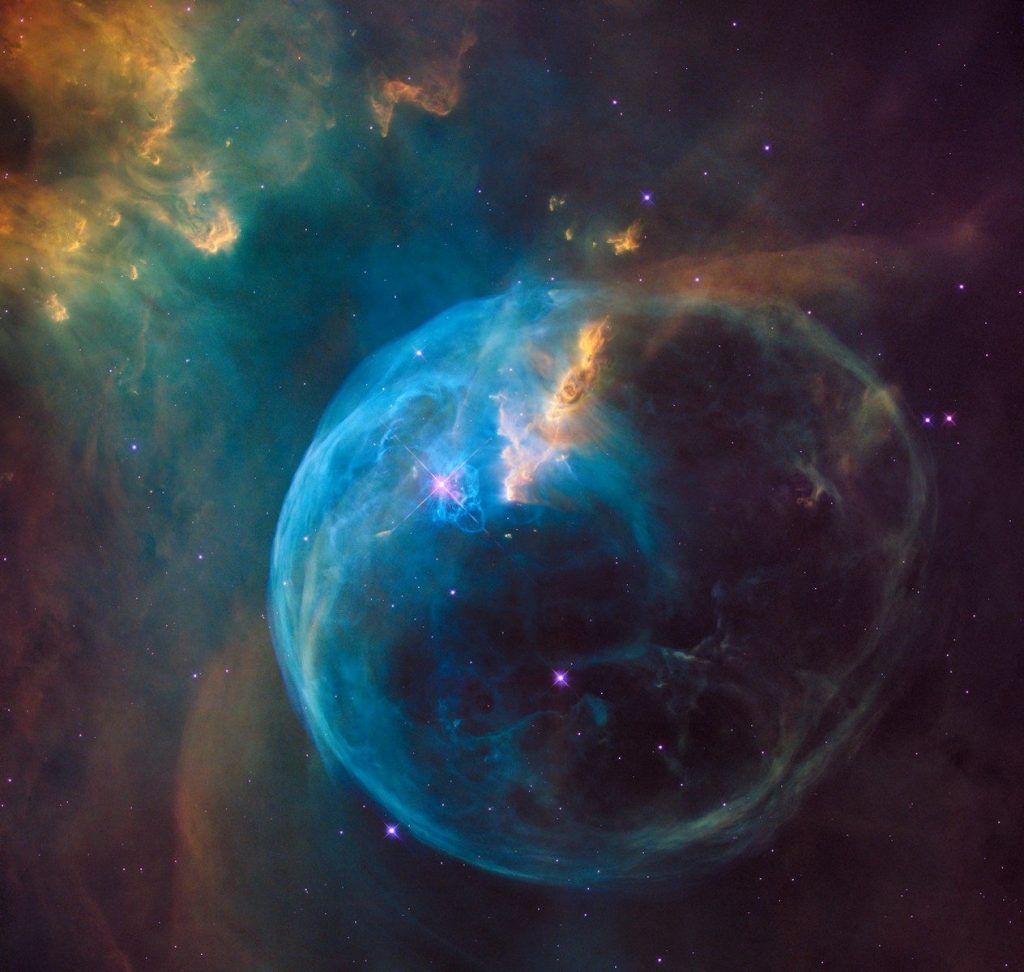
Featured Image: Photo by NASA Hubble Space Telescope on Unsplash
Leave a Reply