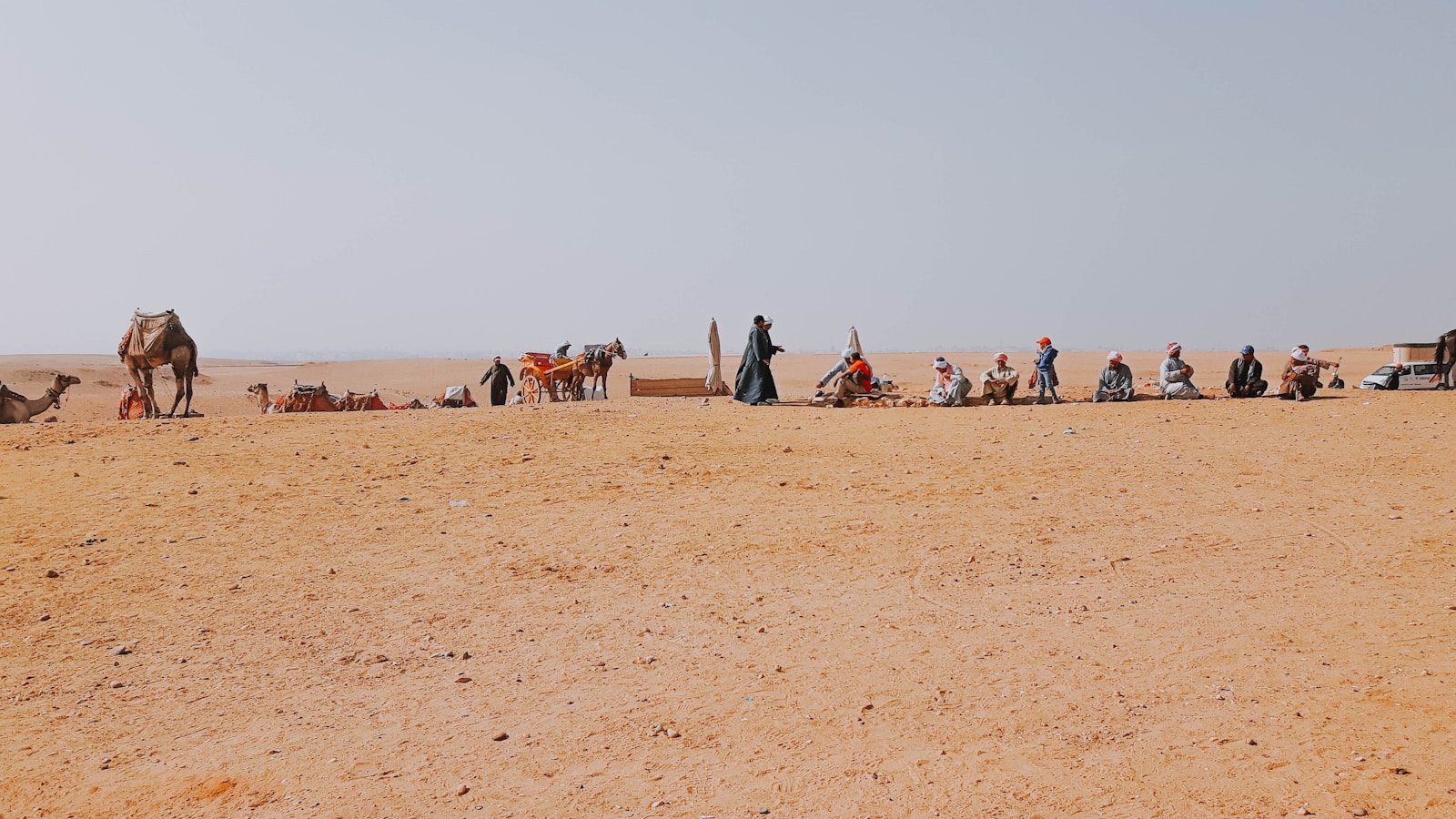
Most archaeology fans believe that Egypt has already yielded all its greatest secrets. We assume that centuries of heavy digging have left nothing major to find.
But a spectacular discovery of deep underground anomalies has stunned modern researchers. An elite scanning mission has captured a sprawling subterranean structure hidden beneath the sand.
Sifting Through Desert Dust
A team of explorers began mapping a quiet cemetery plot near the great Giza monuments. They did not expect to find anything major. According to a study by Higashi Nippon International University, scientists used advanced radar systems to scan beneath the soil surface. The results were stunning. The scans revealed a massive structural anomaly buried deep under the dunes. But this digital map was hiding a massive secret.
The L-Shaped Anomaly
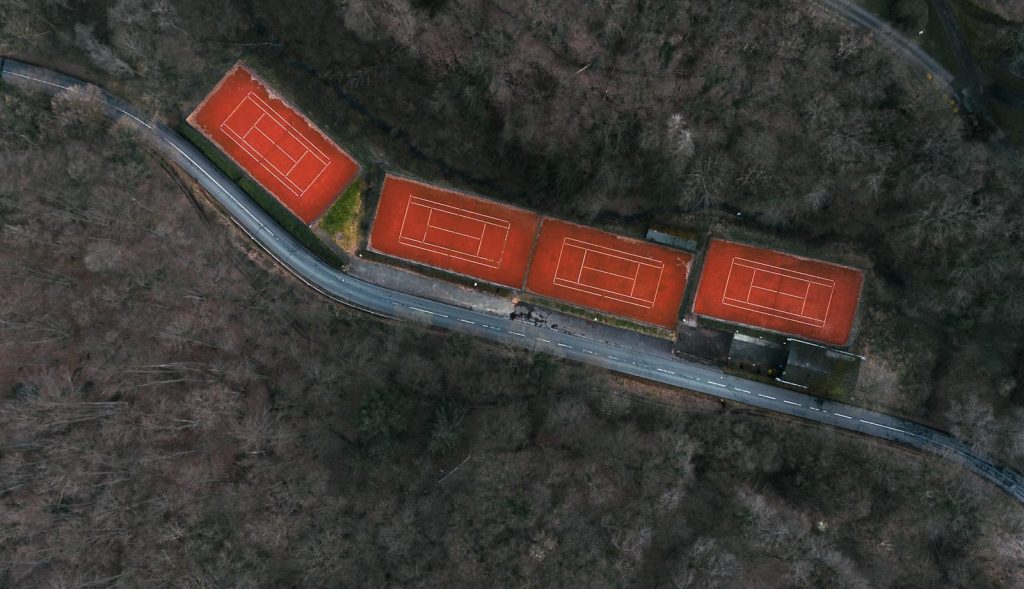
The radar scans showed a massive shape that did not match any natural rock pattern. According to geophysical analysts, the underground layout features a highly precise L-shaped structure stretching across the coordinates. It was truly colossal. This precise geometry suggests that human hands carefully planned and executed the build long ago. But the purpose of this underground giant was still a complete mystery.
Sinking Into Sand
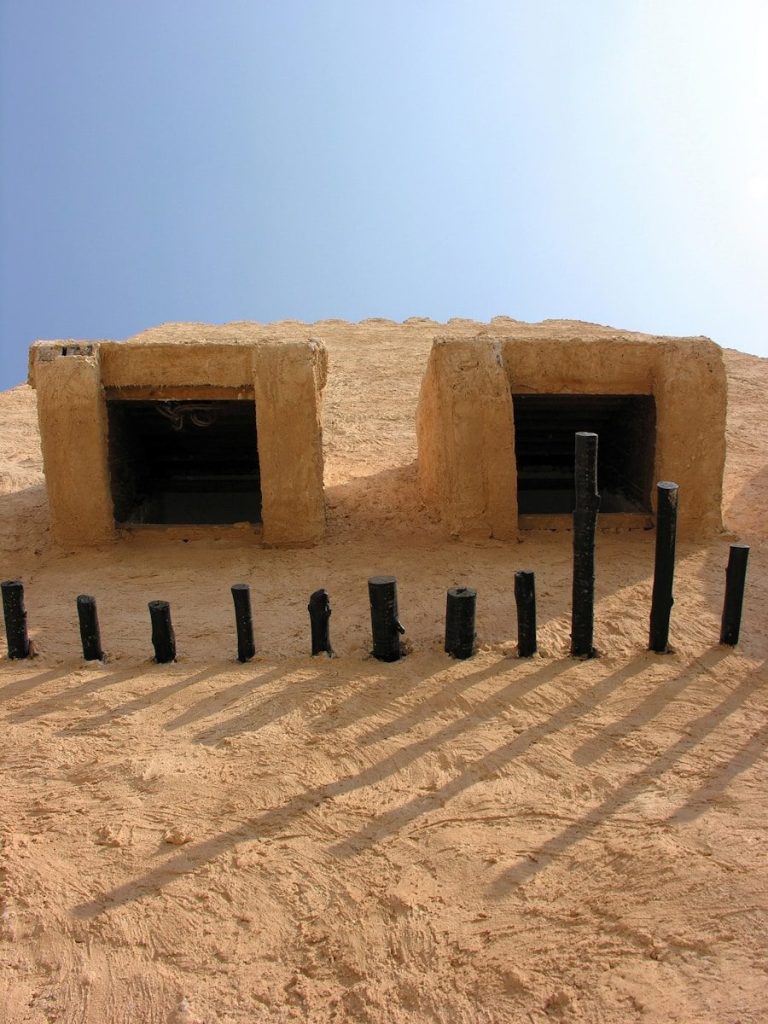
The colossal structure lies buried over six feet beneath the dry cemetery floor. According to the research reports, the anomaly was filled with dry sand after its construction. It was carefully sealed. This intentional sand filling suggests that the builders wanted to protect the inner chambers from any outside interference. But tracing what lay beneath this sand barrier required using deeper sensors.
The Deep Chambers
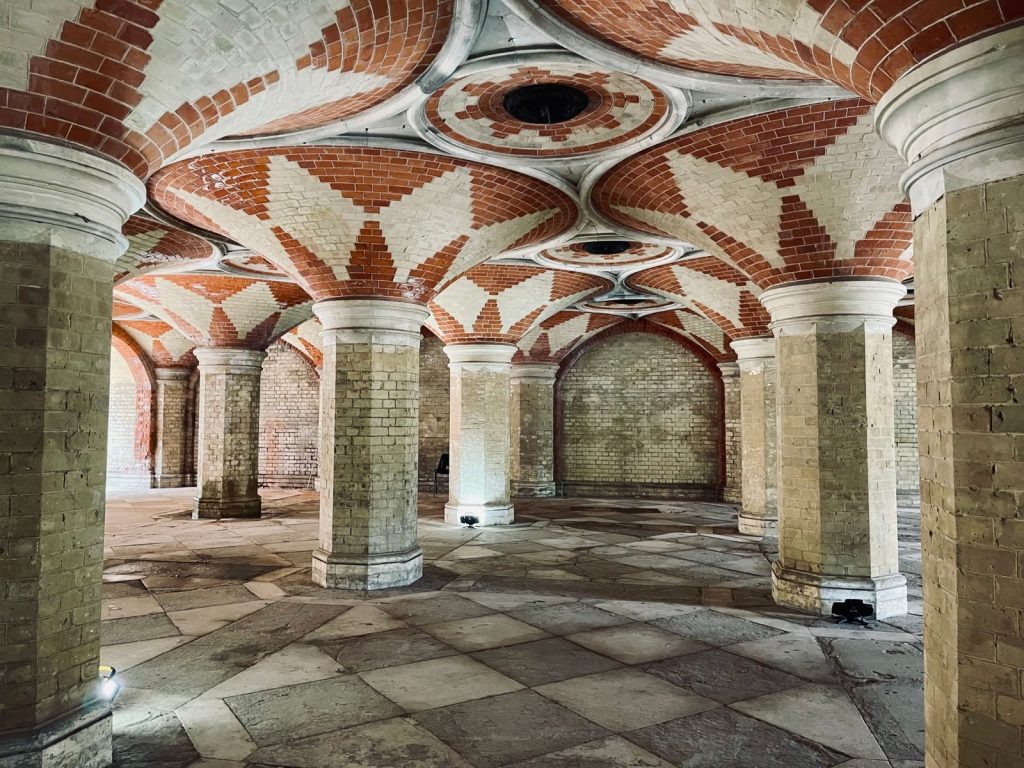
Geophysical teams used electrical resistivity scanners to map the layers directly beneath the L-shaped structure. According to the survey data, a series of deeper cavities sit directly under the main foundation. They are highly empty. These deep rooms could represent untouched tomb chambers or ancient storage vaults. But identifying who built these hidden chambers required studying the surrounding graves.
The Royal Neighbors
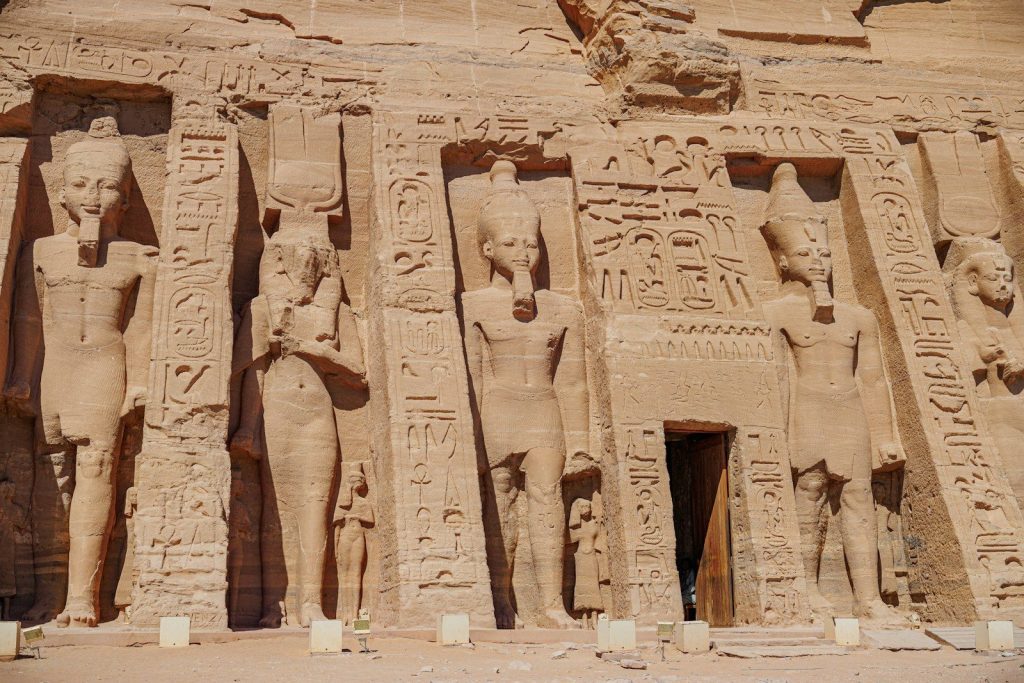
The mysterious structure sits directly adjacent to the ancient graves of elite Egyptian royal families. According to classical historians, this specific coordinate was reserved for the most powerful officials of the Old Kingdom. The status was clear. Placing such a massive monument in this sacred area proves its extreme cultural importance. But some geologists suggest a highly practical function for the structure.
A Grand Entrance Way
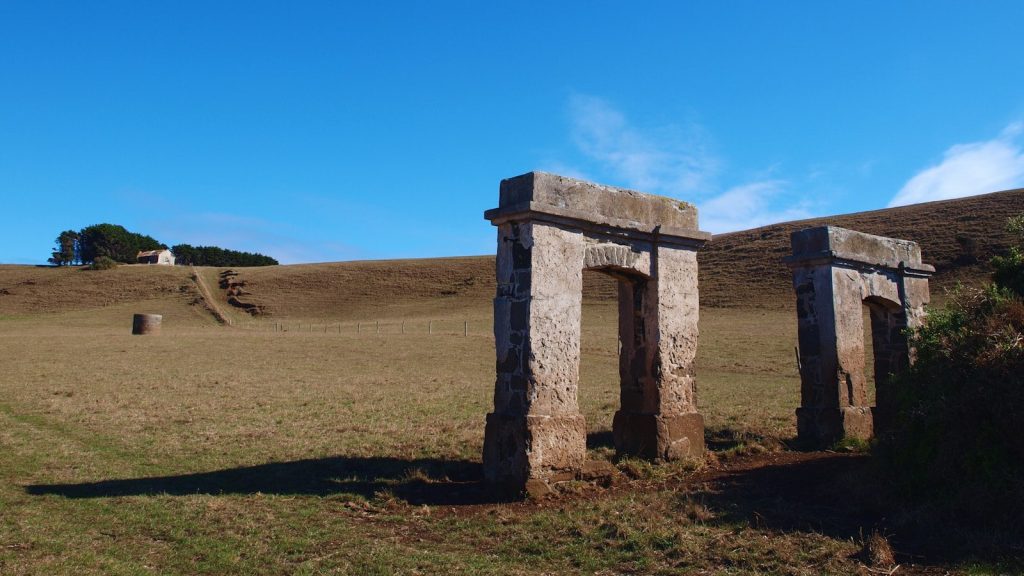
Some researchers believe the L-shaped anomaly served as a monumental entrance to the deeper tomb complex. According to architectural reconstructions, the structure functioned as a secure gateway that was eventually buried to deter grave robbers. The shield worked. This clever design successfully kept the lower chambers untouched for thousands of years. But launching a physical excavation is still a massive challenge.
Reclaiming Our Forgotten Past
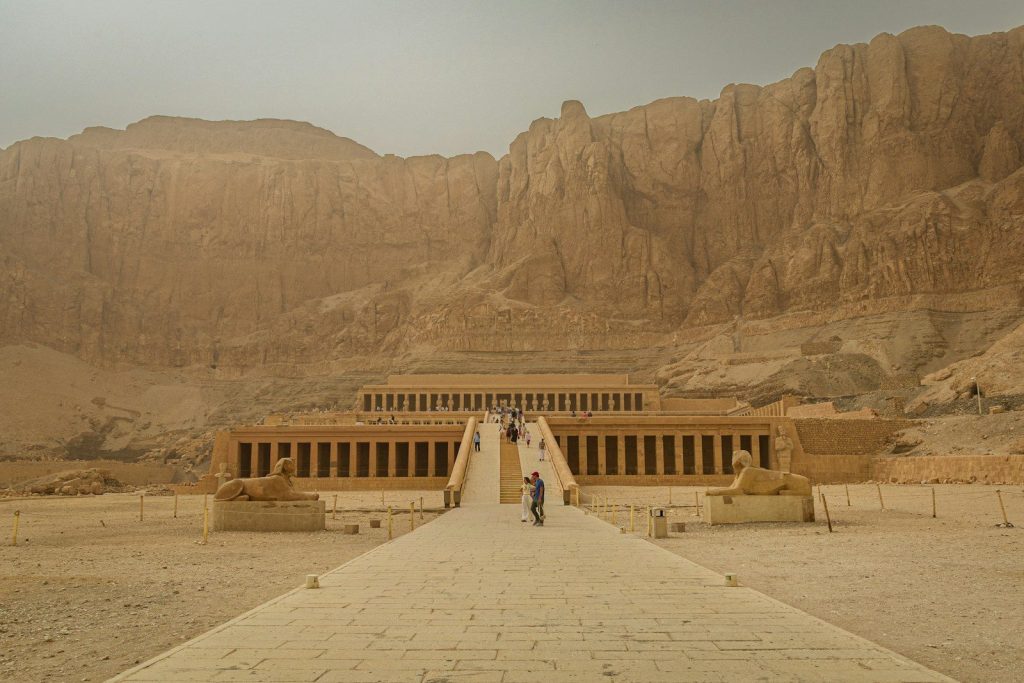
This spectacular radar discovery proves that technology can uncover lost worlds once thought to be permanently gone. According to archaeologists, mapping these hidden structures alters our understanding of how early dynastic societies organized their sacred spaces. The search continues. This article is for informational purposes only.
Featured Image: Photo by Mathias Reding on Unsplash
Leave a Reply