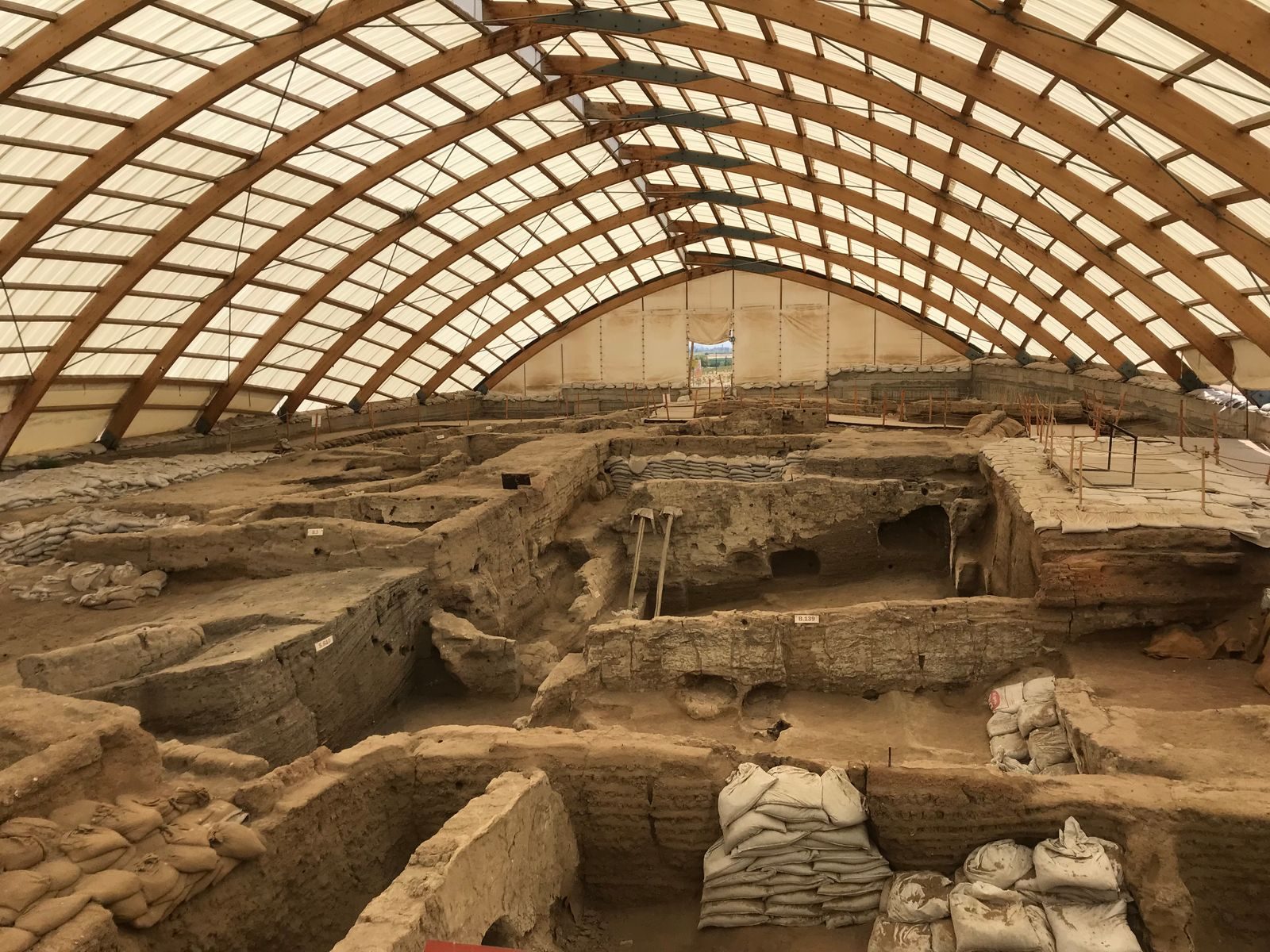
Most archaeology enthusiasts believe that ancient human settlements were always small and simple. We assume that massive public buildings only emerged after the rise of great empires.
But a jaw-dropping discovery in Europe is completely overturning this historical timeline. Scientists have uncovered a massive prehistoric building that defied the tools of its era.
Giants In The Past
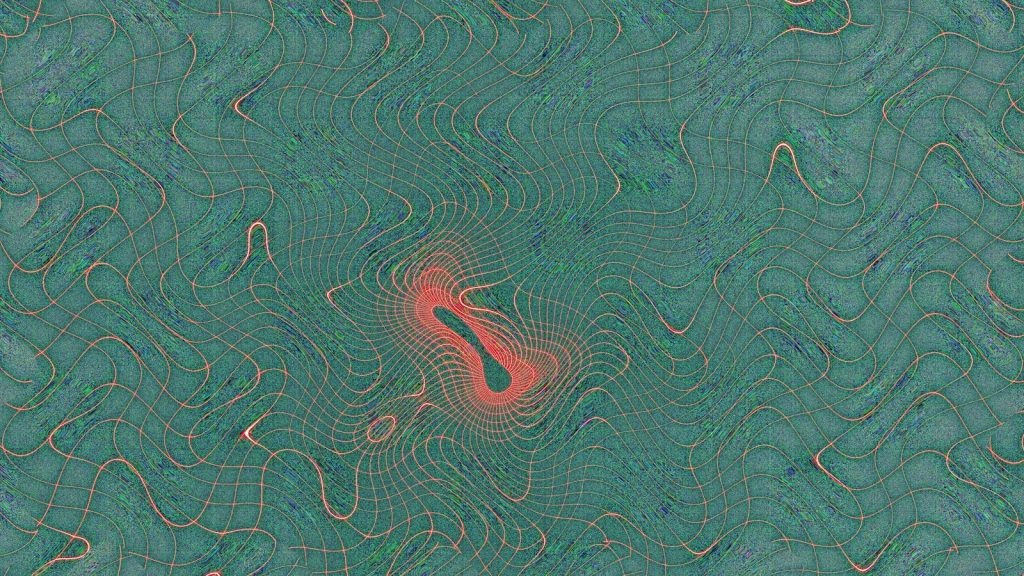
A routine land survey in Eastern Europe revealed a highly unusual pattern of anomalies beneath the soil. According to a study published in the Journal of Archaeological Science, the underground footprint belongs to a giant prehistoric megastructure. It was truly colossal. This massive building covered a wider area than several modern sports stadiums combined. But identifying who built this ancient giant proved to be a massive challenge.
Under The Ground
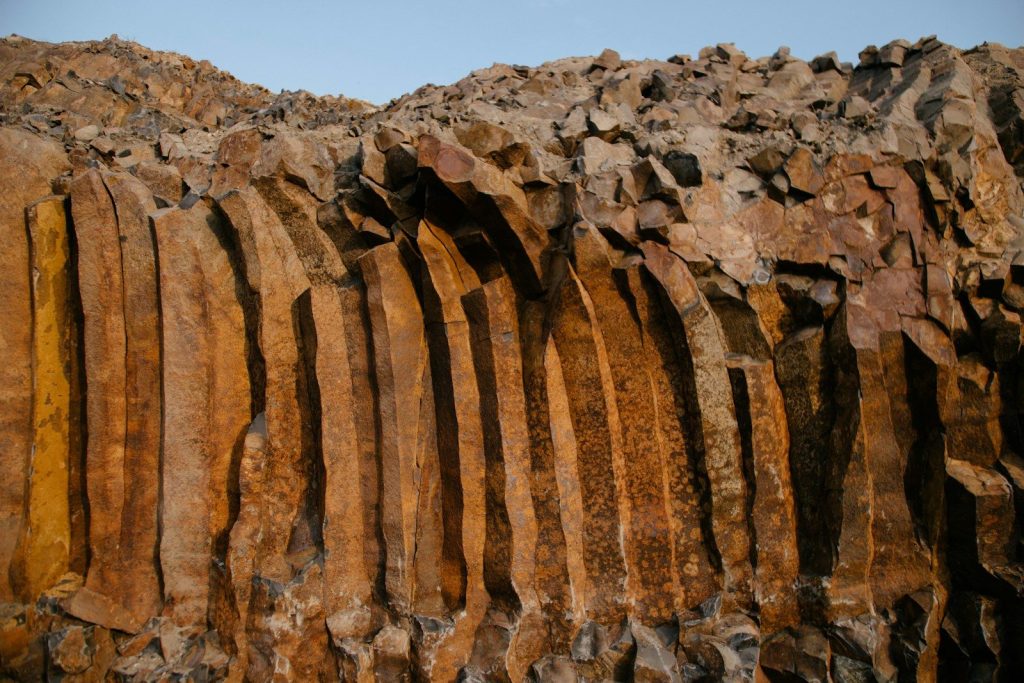
Geophysical scans revealed that the walls of the structure were built over six thousand years ago. According to research teams, this ancient timeline pre-dates the great pyramids of Egypt by more than a millennium. The dates are shocking. This extreme age means that Neolithic societies were organizing massive construction projects long before traditional cities existed. But the internal layout of the building was even more mysterious.
Empty Great Halls

Excavating the interior spaces revealed that the giant structure contained no signs of permanent residential use. According to reports from the Trypillia Museum, researchers found no hearths, animal bones, or daily household waste. The rooms were empty. This absolute lack of domestic artifacts suggests the building was not used as a living space. But this structural void holds an even deeper mystery.
Precision Clay Engineering
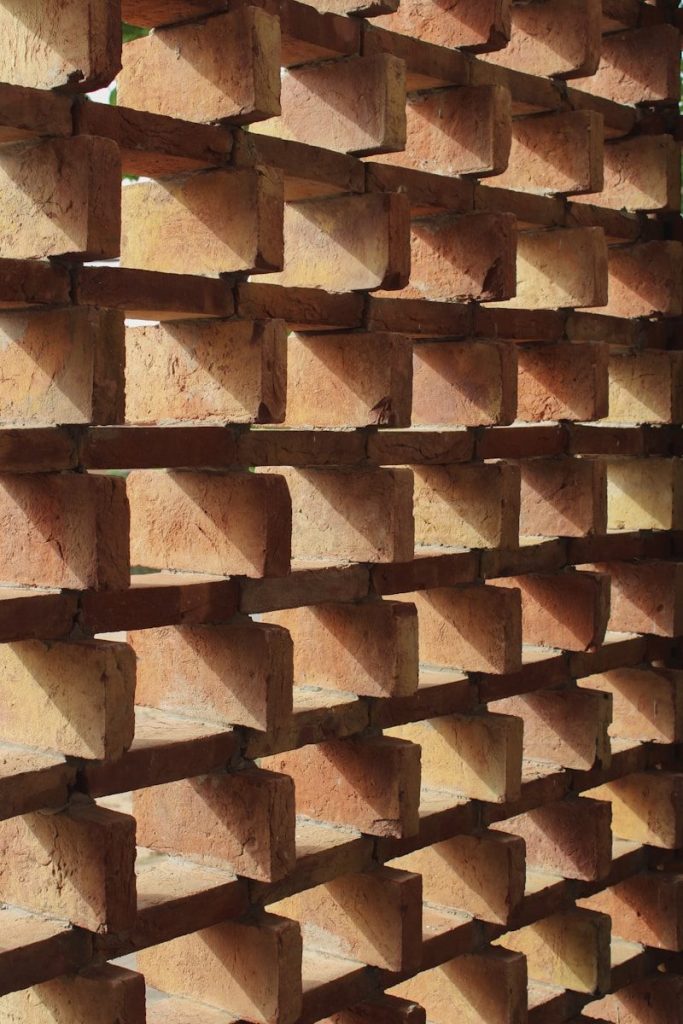
The walls of the megastructure were constructed using complex layers of clay and split wood. According to material scientists, the building had been subjected to intense, controlled fires that baked the clay solid. The design was intentional. This thermal processing protected the wood from rotting and ensured the structure would stand for generations. But generating enough heat to bake entire walls required a massive fuel source.
Sourcing The Fuel
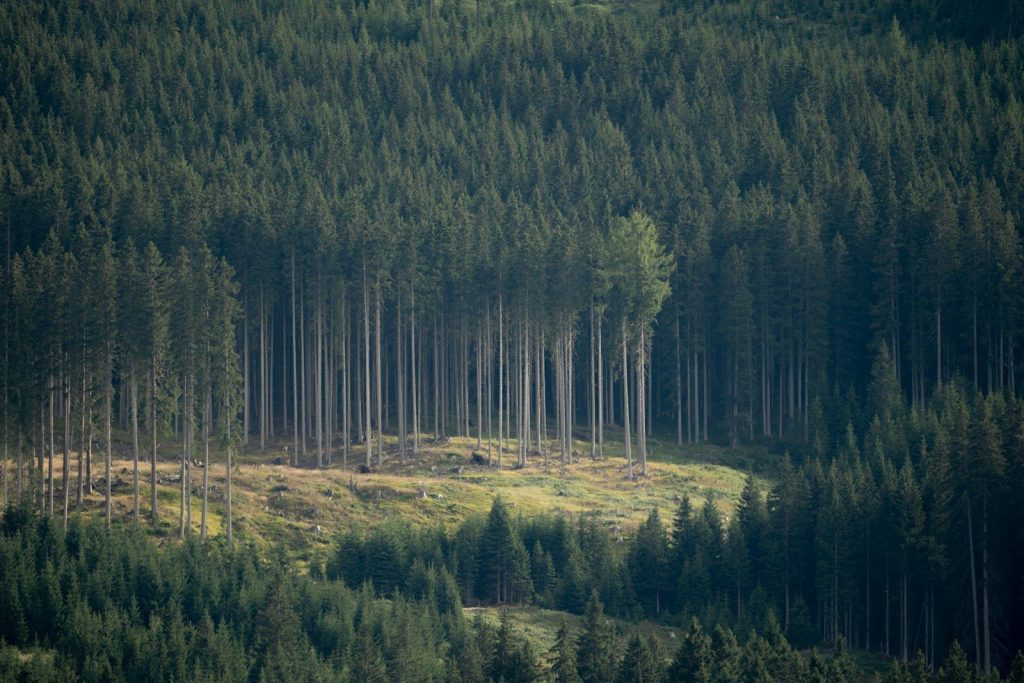
Forestry experts analyzed the surrounding soil to determine how much wood was required for the burn. According to environmental geologists, the builders must have cleared entire forests to fuel the massive fires. The scale was massive. This heavy ecological footprint proves that prehistoric communities possessed highly coordinated labor systems. But the reason they chose to burn their creation remains a puzzle.
The Ash Clue

Every corner of the building showed signs of a sudden, synchronized burning event. According to archaeological chemists, the fire was not an accident but a planned ritual destruction of the site. They burned it down. This bizarre practice of building giant halls only to incinerate them was common across the ancient region. But explaining this destructive ritual requires looking at ancient social structures.
Social Assembly Hubs

Some researchers believe the megastructures served as temporary gathering points for scattered pastoral clans. According to sociological models, these seasonal hubs allowed early tribes to trade resources and reinforce social bonds. Cooperation was vital. Burning the building marked the end of the gathering before the winter freeze. But the scale of these lost societies is still being mapped today.
Unlocking Early Engineering

This prehistoric megastructure proves that ancient societies were highly organized long before the rise of kings. According to researchers, studying these giant ruins helps us appreciate the true complexity of Neolithic engineering. Nature always surprises us. This article is for informational purposes only.
Leave a Reply