
Most people assume that artificial intelligence is a weightless digital tool. We believe that software runs cleanly without draining physical or financial systems on a massive scale.
But the rapid expansion of neural networks is creating an unprecedented global resource crisis. Automated algorithms are forcing world leaders to consider a highly controversial new tax.
The Invisible Power Drain
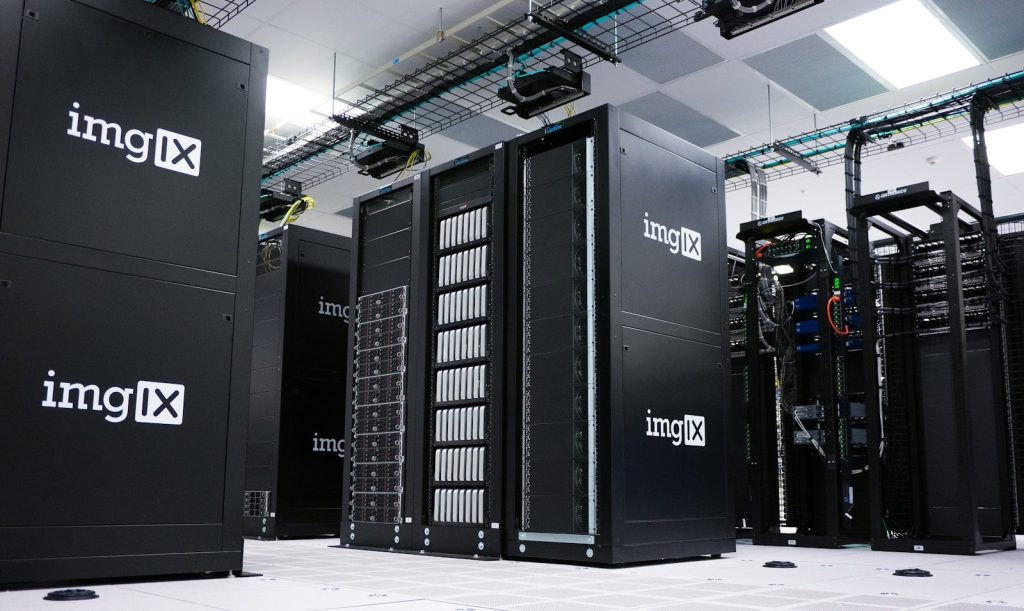
Running modern smart programs requires a staggering amount of electrical energy. According to the International Energy Agency, server hubs could soon consume as much power as entire nations. This is alarming. These digital systems are working around the clock to process billions of automated requests. But this extreme energy consumption is only the first part of a much larger planetary crisis.
Paying For Digital Footprints

Governments are struggling to balance rapid software growth with heavily strained public utility grids. According to economic analysts, building new transmission lines to support computing hubs requires billions in public funding. The public pays. This lopsided setup means regular citizens are subsidizing the massive operations of private technology conglomerates. But a radical financial proposal is gaining traction to solve this infrastructure funding gap.
The Automation Fee Concept

Economists suggest placing a direct tax on artificial intelligence processors to offset their massive social costs. According to reports from the International Monetary Fund, this targeted fee would help fund grid upgrades and retrain workers displaced by automation. It is controversial. Tech giants argue that such a penalty would completely halt technological progress. But the physical impact of these automated systems reaches far beyond simple utility lines.
Squeezing Water Supplies Dry

Cooling massive server chips requires diverting millions of gallons of fresh water every single day. According to environmental researchers, data centers are actively depleting local drinking reserves in fragile geographic basins. The rivers shrink. This heavy water drain is sparking fierce local protests across multiple states. But tech corporations are scrambling to deploy a highly advanced alternative cooling system.
Trading Coal For Code

The unexpected power surge is forcing older fossil fuel plants to delay their planned closures. According to energy grid studies, several states must burn more coal just to keep the local server warehouses running. The carbon rises. This backslide is actively undoing years of hard-won progress in the clean energy transition. But scientists are warning that the financial cost of this inaction will soon hit home.
Finding Creative Solutions

Designing sustainable computing models is quickly becoming the ultimate engineering challenge of our generation. According to tech hardware developers, placing a tax on raw carbon usage could encourage companies to design far more efficient processors. Innovation is vital. This regulatory push would ensure that digital expansion does not come at the direct expense of our environment. But implementing these strict rules requires a massive international agreement.
Balancing Progress And Planet

The rapid rise of artificial intelligence forces us to make hard choices about our physical resources. According to economic experts, smart regulations can protect both our environment and our financial systems. Balance is essential. This article is for informational purposes only.
Featured Image: Photo by Martin Sanchez on Unsplash
Leave a Reply