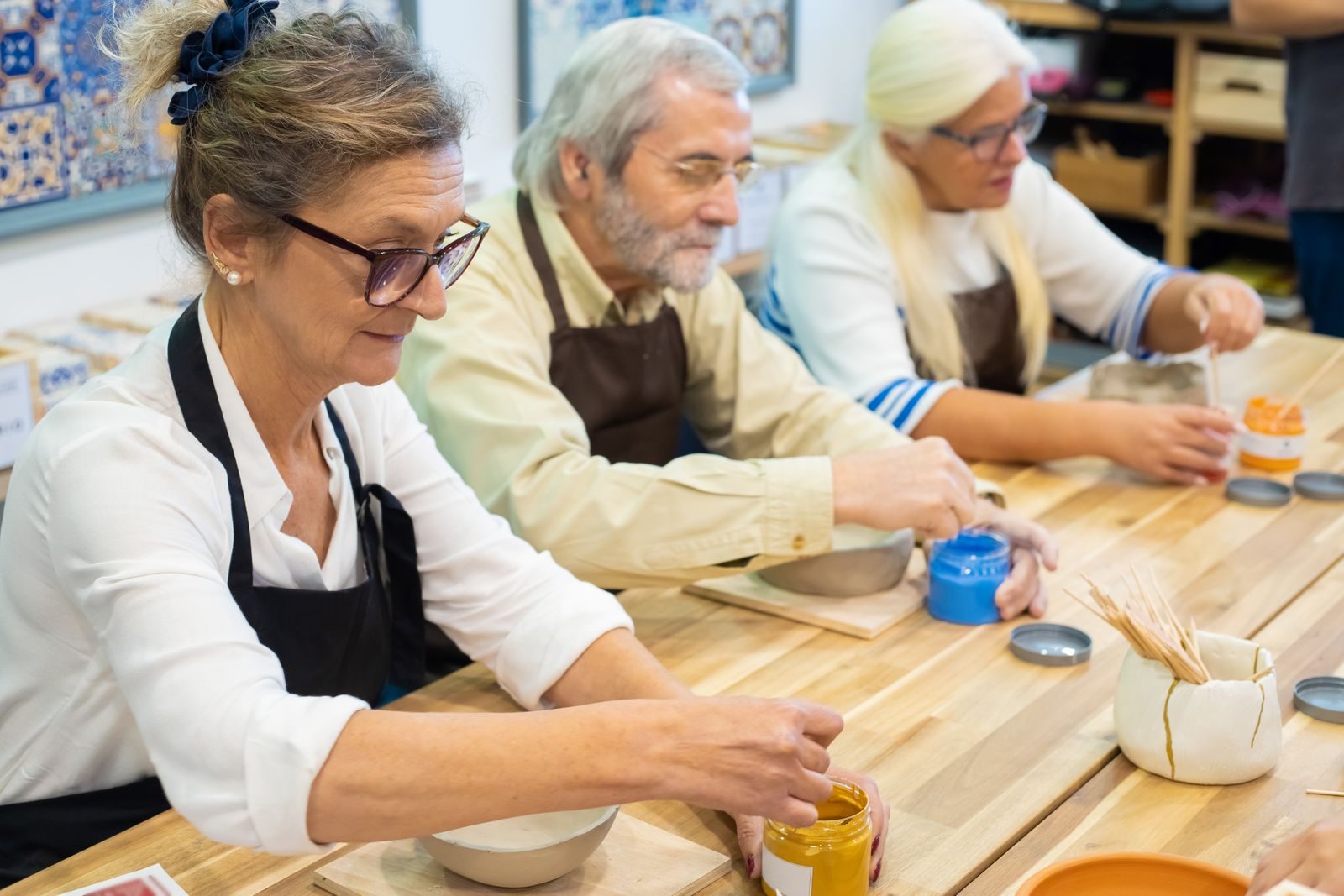
Most adults assume that brain decline is an inevitable part of growing older. We believe that aging minds simply lose their mental sharpness over time.
But a surprising creative activity is challenging this neurological rule. Scientists have discovered that learning this skill can actively build new mental pathways.
Inside The Brain Labs
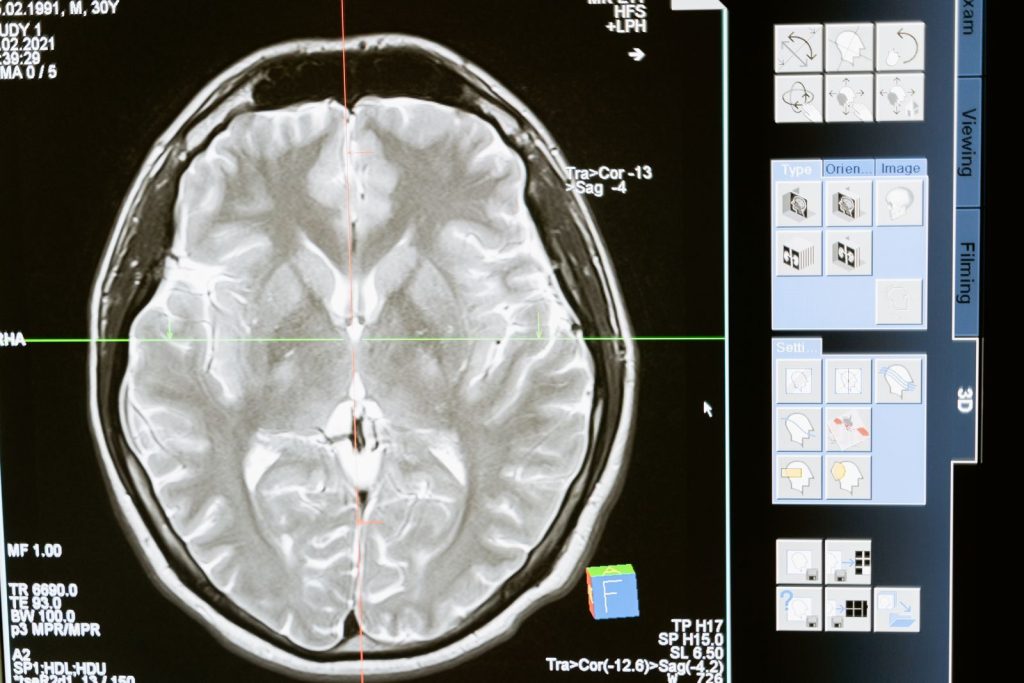
Researchers studying cognitive decline decided to look closely at how the mature brain adapts. According to a study by the Mayo Clinic, older adults who engage in creative crafts show a massive reduction in memory loss risk. The results were clear. This mental boost comes from forcing different regions of your head to communicate in fresh ways. But this neural spark is just the beginning.
Shifting Mental Pathways

Working with your hands triggers a unique process called neuroplasticity. According to neurological reports, complex manual activities force the brain to rewire its biological connections. It is highly active. This continuous wiring helps to shield delicate brain cells from typical age-related wear. But one specific artistic hobby seems to deliver the most powerful results.
The Pottery Revolution
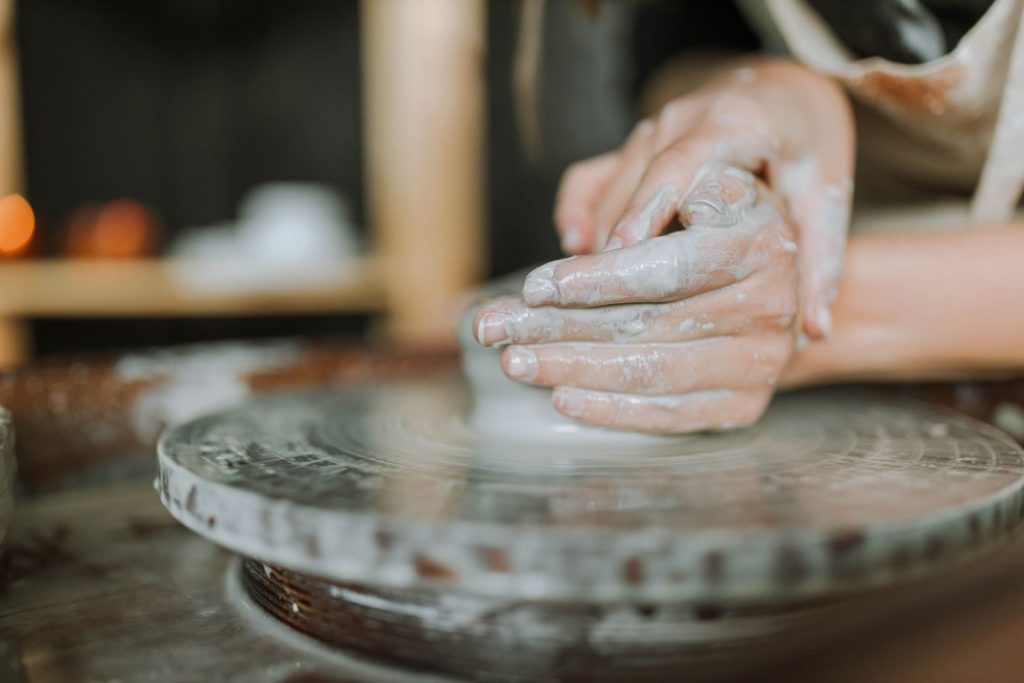
Learning to mold clay requires a highly complex combination of senses. According to sensory scientists, the dual focus on touch and visual planning stimulates deep emotional centers. It requires extreme focus. This deep engagement keeps your mind locked in the present moment while exercising spatial coordination. But this hands-on pottery process impacts your chemistry in another surprising way.
Fighting Chronic Stress
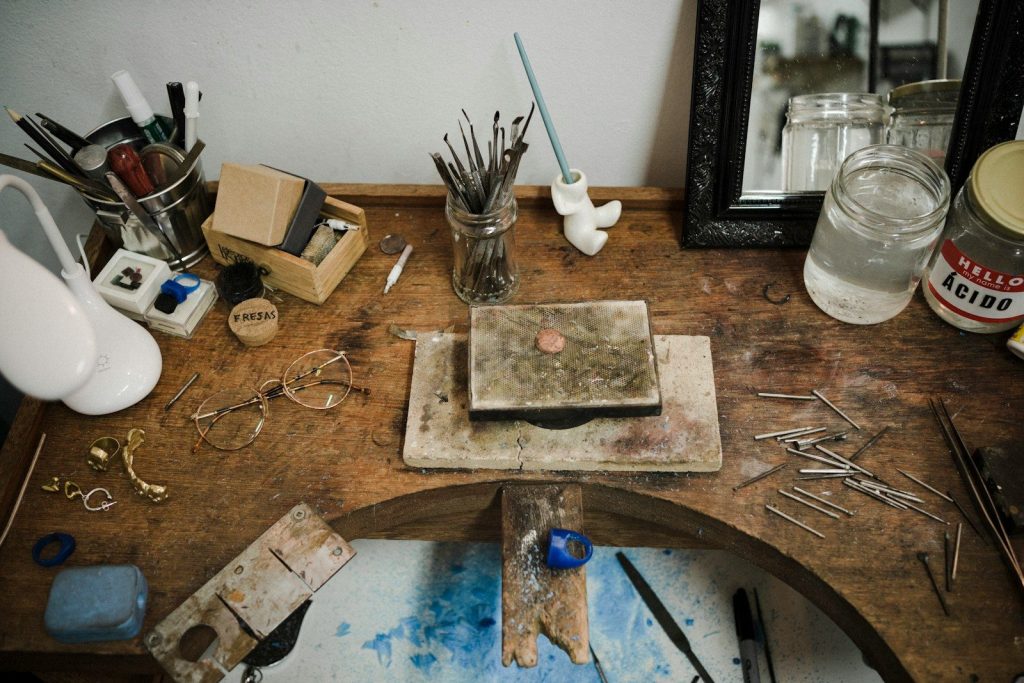
Repetitive physical motions can dramatically reduce the flow of toxic stress chemicals. According to health surveys, cortisol levels drop significantly when people are fully immersed in crafting. The relief is instant. Lowering these chemical markers is vital because long-term stress is known to damage memory centers. But this creative escape also changes how we process daily information.
Building Cognitive Reserve
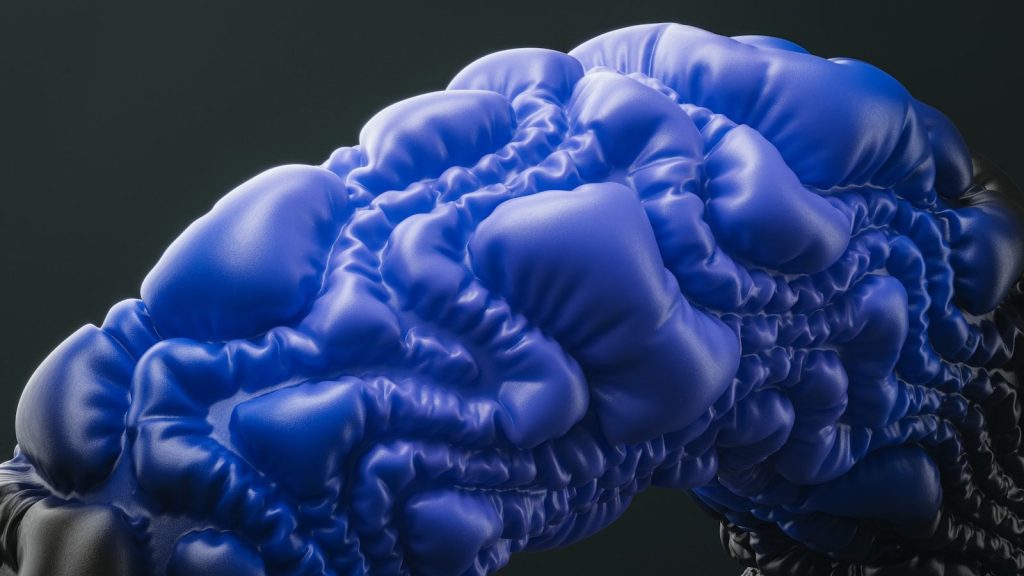
Encountering fresh challenges during art projects acts like a weight workout for your gray matter. According to cognitive experts, this mental heavy lifting builds a robust cognitive reserve. It serves as a backup. This secondary storage system helps your mind stay highly functional even when facing physical changes. But this creative mental shield does more than protect your personal memories.
Connecting With Others
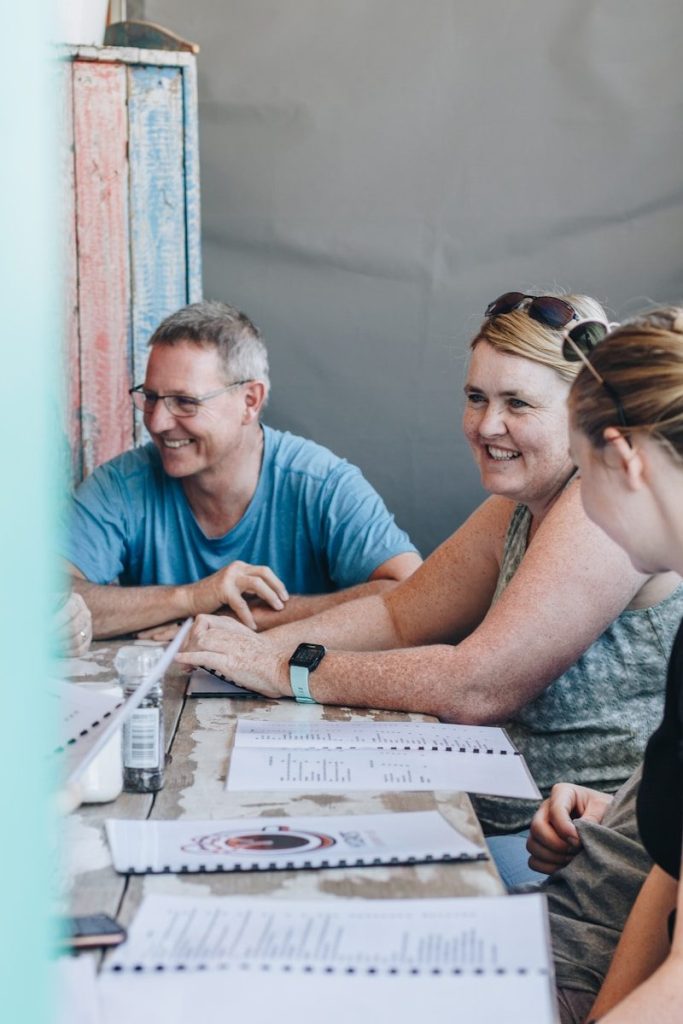
Participating in group craft classes introduces a vital element of social interaction. According to psychological research, sharing creative projects with peers combats the dangerous impacts of isolation. It feels deeply rewarding. This active social engagement works alongside the mental exercise to keep your thinking incredibly sharp. But the ultimate impact of this simple habit will surprise you.
Shaping Tomorrow Mind

Taking up a hands-on creative hobby is one of the most effective ways to preserve your mental independence. According to cognitive aging specialists, keeping your mind active with clay or paint preserves your lifestyle for years to come. Healthy habits shield biology. This article is for informational purposes only and does not constitute professional medical advice.
Featured Image: Photo by Kampus Production on Pexels
Leave a Reply