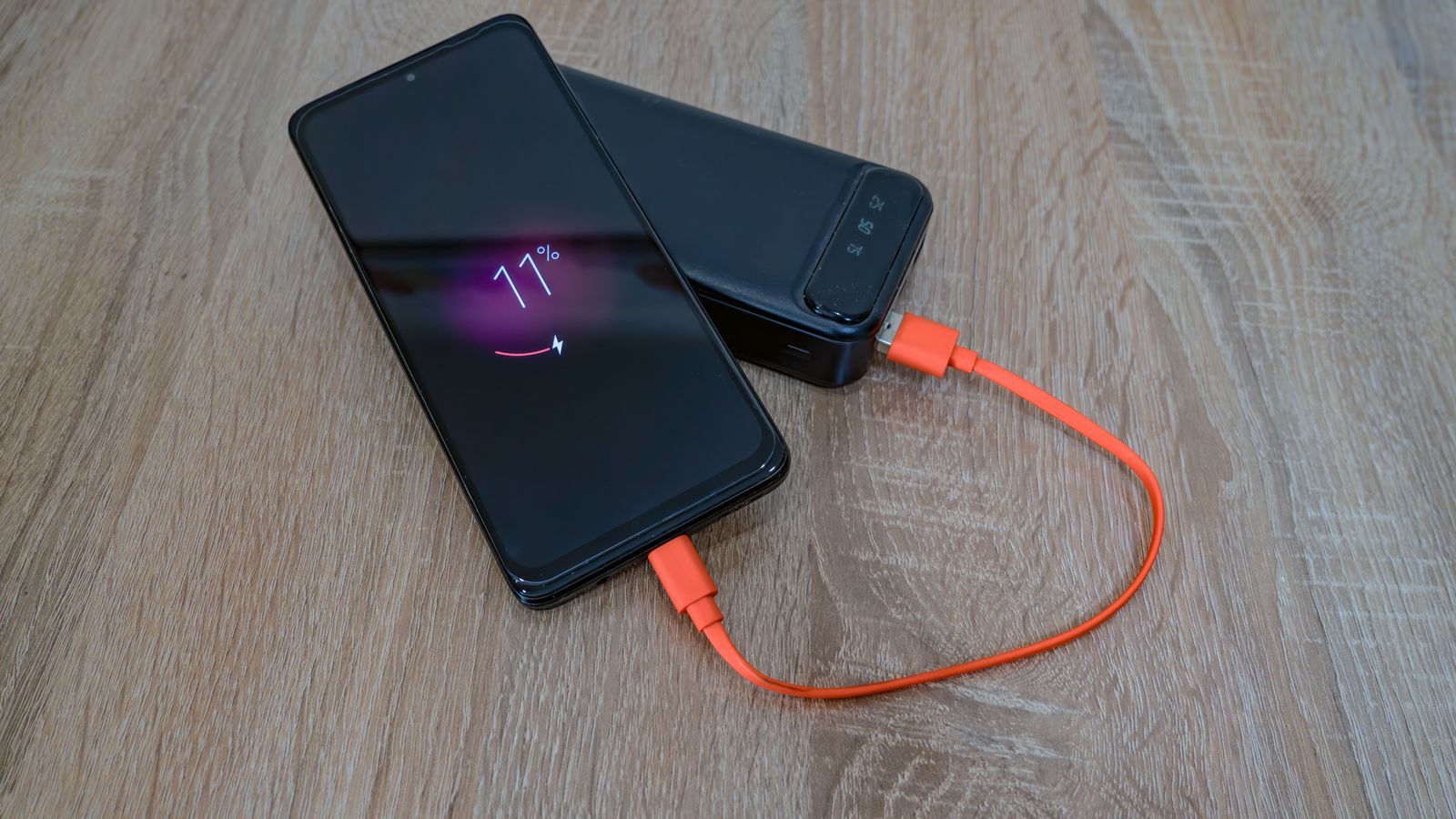
Most portable device owners assume that leaving a phone plugged in overnight is completely harmless. We believe modern chargers simply shut off the power once the battery is full.
But keeping your device connected to a power source for hours triggers a destructive chemical cycle. Materials science researchers have discovered that this simple habit slowly decays your hardware from within.
The Lithium Battery Grid

Modern phone batteries operate through the constant movement of lithium ions between internal chemical layers. According to electrochemists, these ions flow smoothly when the battery stays in a balanced state of charge. Balance is essential. Forcing the cell to hold a maximum voltage state for hours creates a high-pressure zone inside the hardware. But this internal chemical tension is only the start of the issue.
Microscopic Internal Cracking
Maintaining maximum voltage over long periods forces the lithium layers to expand and contract unevenly. According to materials science studies, this uneven physical movement causes microscopic cracks to form in the battery electrodes. The damage is permanent. These tiny cracks permanently trap active lithium ions and prevent them from storing energy in the future. But a secondary threat is quietly accelerating this destruction.
The Overnight Heat Loop
Once a phone reaches full charge, it begins a continuous cycle of miniature trickle charges. According to electronic safety reports, this constant intake of power generates localized pockets of heat inside the device. Heat destroys delicate electronics. This prolonged thermal exposure slowly degrades the protective chemical coating that keeps the battery stable. But smart operating systems are trying to fight this damage.
Smart Power Software
Device manufacturers are actively writing software to shield modern batteries from their owners. According to software logs from leading mobile developers, modern systems include smart features that delay charging overnight. The software is clever. The system tracks your morning alarms and holds the battery at eighty percent until right before you wake up. But this digital protection only works if you keep it enabled.
The Fast Charge Trap
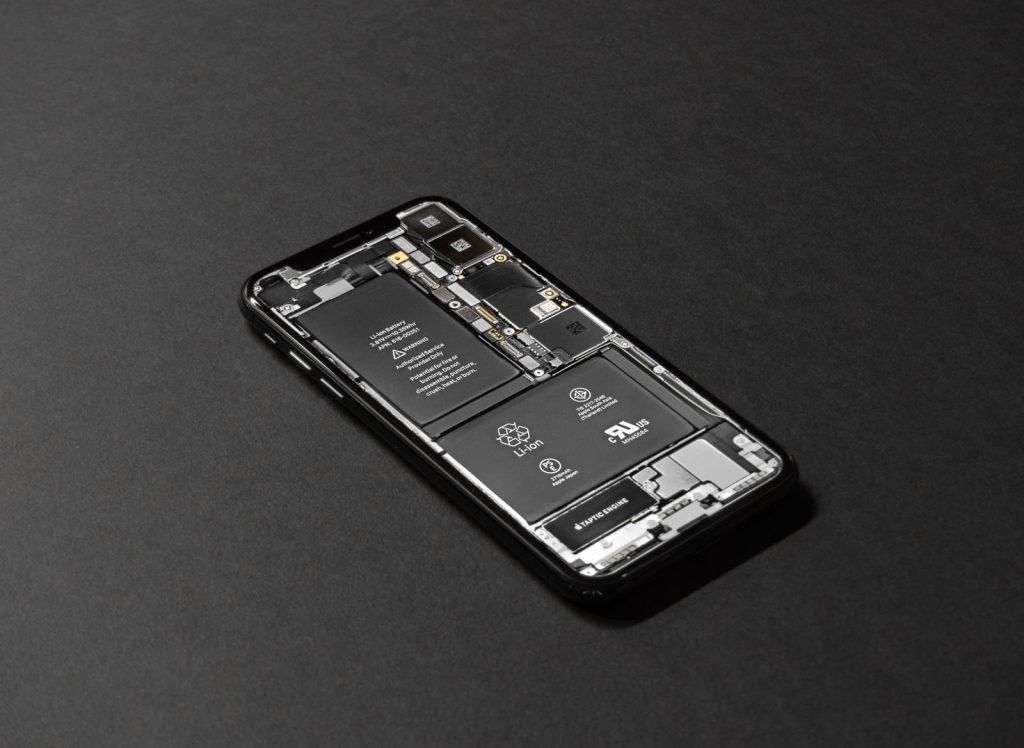
Pushing high amounts of electricity into a cell quickly creates a severe chemical trade-off. According to technical trials, high-wattage chargers force lithium ions to move too fast and create localized friction. Speed has consequences. This intense chemical friction can cause the battery to swell and damage other internal parts of your phone. But your immediate physical environment can also introduce a hidden danger.
Freezing Ambient Limits

Cold room temperatures pose a severe and hidden threat to your mobile battery health. According to hardware support guides, charging a cold lithium-ion cell can cause permanent physical plating on the internal electrodes. This ruins the chemistry. Leaving your device in a freezing car or drafty window can result in sudden capacity loss. But a few simple charging adjustments can keep your phone healthy for years.
Shifting Your Habits
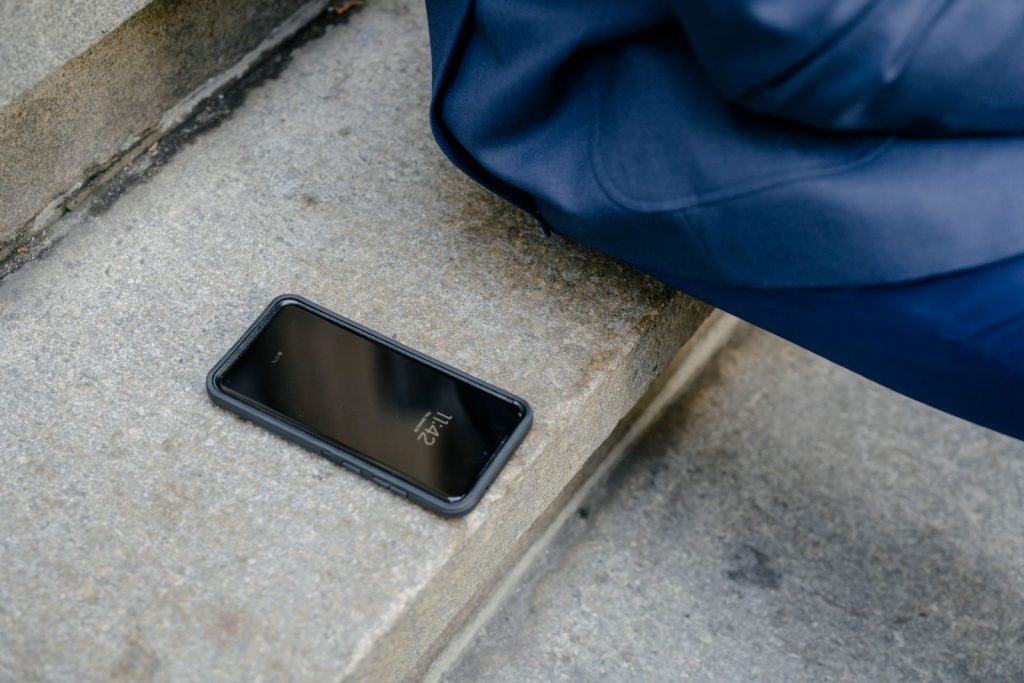
Changing how you handle your daily power needs is the easiest way to protect your hardware. According to consumer tech experts, keeping your battery level between twenty and eighty percent is the absolute sweet spot. It is remarkably simple. Avoiding extreme percentages reduces physical strain and keeps the internal grid healthy over the long term. But this simple habit change requires a bit of daily discipline.
Long-Term Device Care
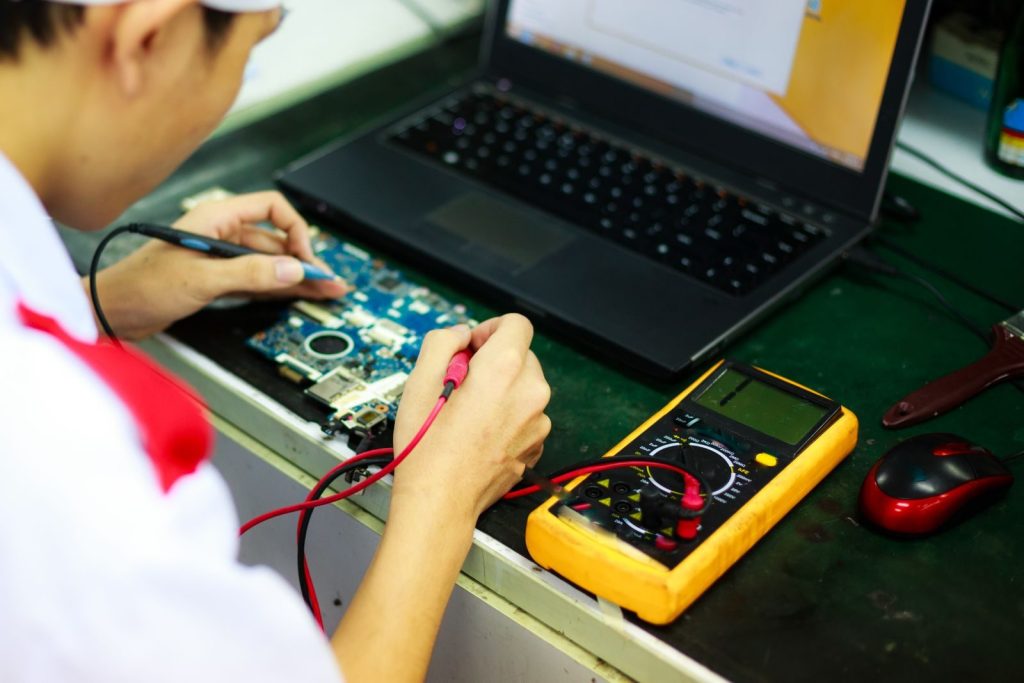
Making small adjustments to your charging schedule will keep your mobile devices running smoothly for years to come. According to electronics technicians, staying mindful of heat and voltage is the absolute key to maximizing battery life. Healthy habits preserve tech. This article is for informational purposes only.
Featured Image: Photo by Eleonora Vokueva on Pexels
Leave a Reply