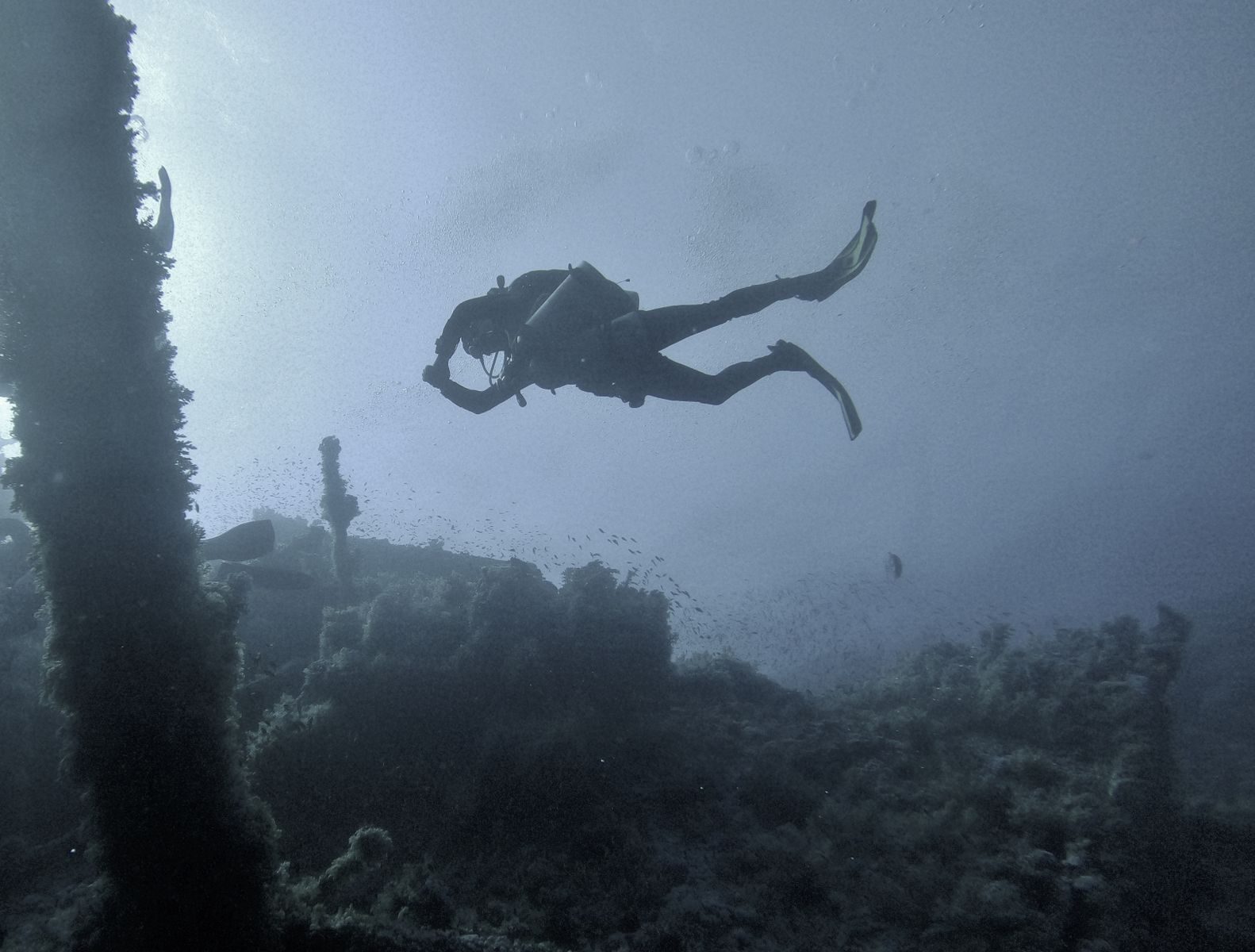
Most history lovers believe that human civilization emerged slowly after the last major Ice Age. We assume that early humans lived in primitive mud shelters before building great stone monuments.
But a series of massive underwater structures has challenged this historical timeline. Deep ocean ruins suggest that an advanced civilization existed long before traditional records began.
The Deep Sea Discovery
Marine geologists mapping the ocean floor made a shocking discovery off the coast of a remote island. According to reports from the National Institute of Oceanography, sonar scans revealed a massive grid of stone walls. The structures are colossal. The sheer scale and symmetry of the layout suggest highly advanced planning and engineering skills. But determining when these ruins were built required analyzing global sea levels.
Under The Melting Ice

The depth of the sunken ruins suggests they were built before the great glaciers melted. According to oceanographic research papers, this coastal shelf was last above water over twelve thousand years ago. The oceans rose. This timeline means the city was submerged long before the rise of ancient Egypt or Mesopotamia. But mainstream academics remain highly skeptical of these early dates.
The Academic Debate
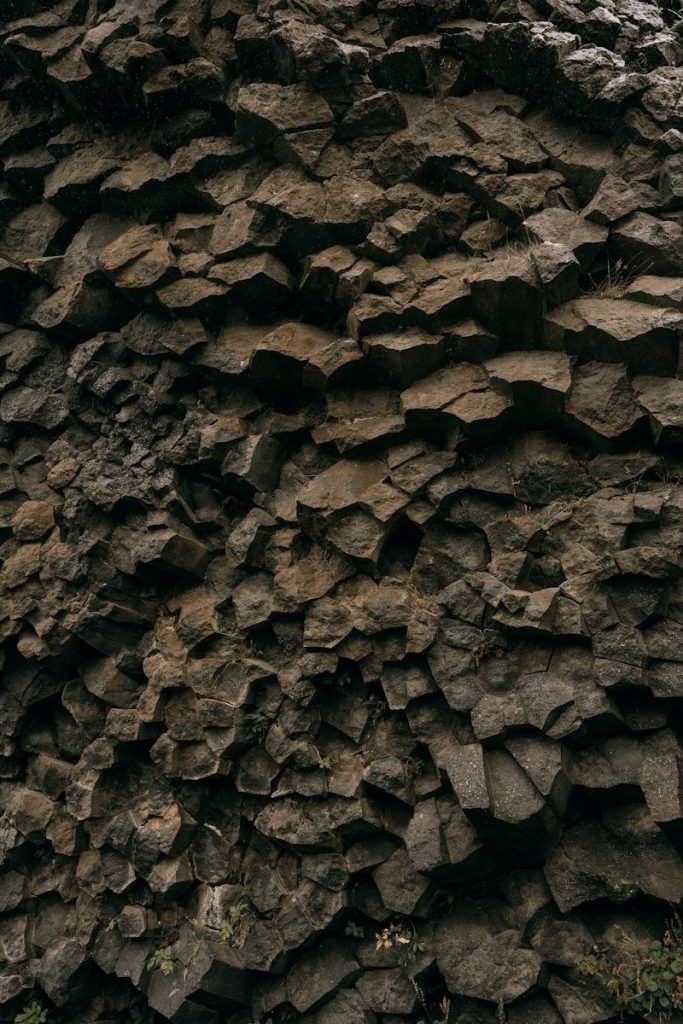
Many traditional historians argue that the underwater formations are simply natural rock fractures. According to geological reports, basalt rock can cool into precise geometric shapes that mimic human masonry. Nature is a master. Skeptics claim that ocean currents carved these massive blocks over millions of years. But independent researchers have found clear evidence of human craftsmanship on the stones.
The Carved Markings
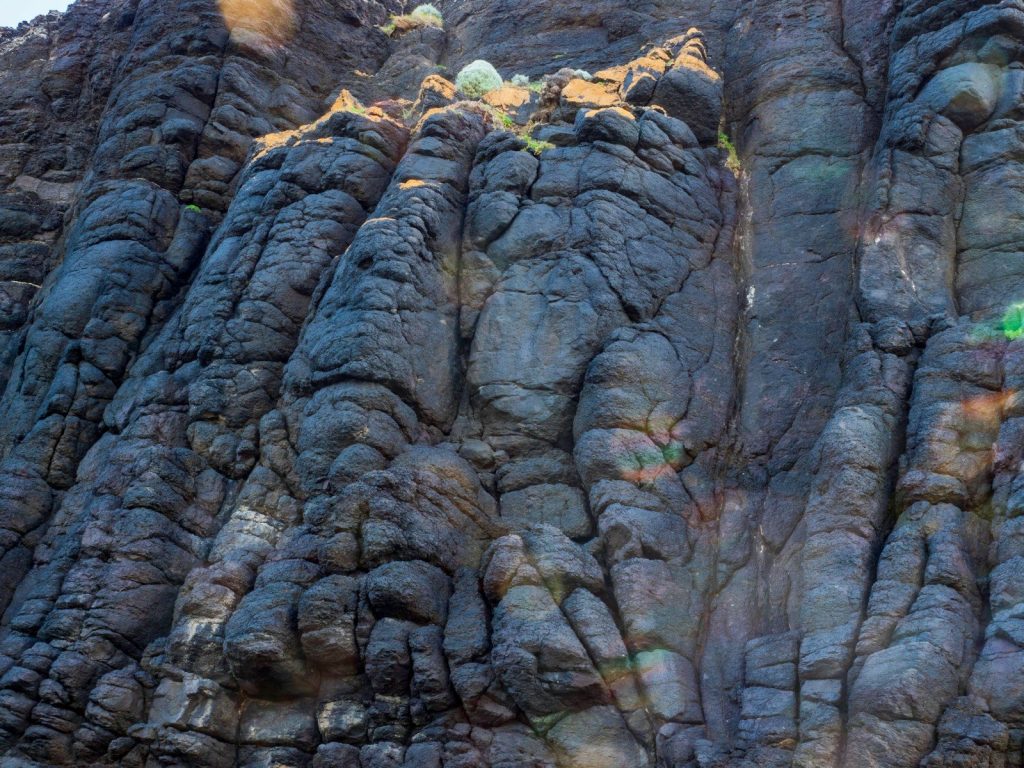
Divers exploring the sunken ruins found faint markings cut into the massive basalt blocks. According to archaeological micro-wear studies, the deep grooves show signs of intentional cutting with specialized metal tools. The cuts are clean. These detailed markings suggest the builders possessed highly sophisticated carving techniques. But identifying the language of these markings has proven to be incredibly difficult.
Unmapped Coastal Ports
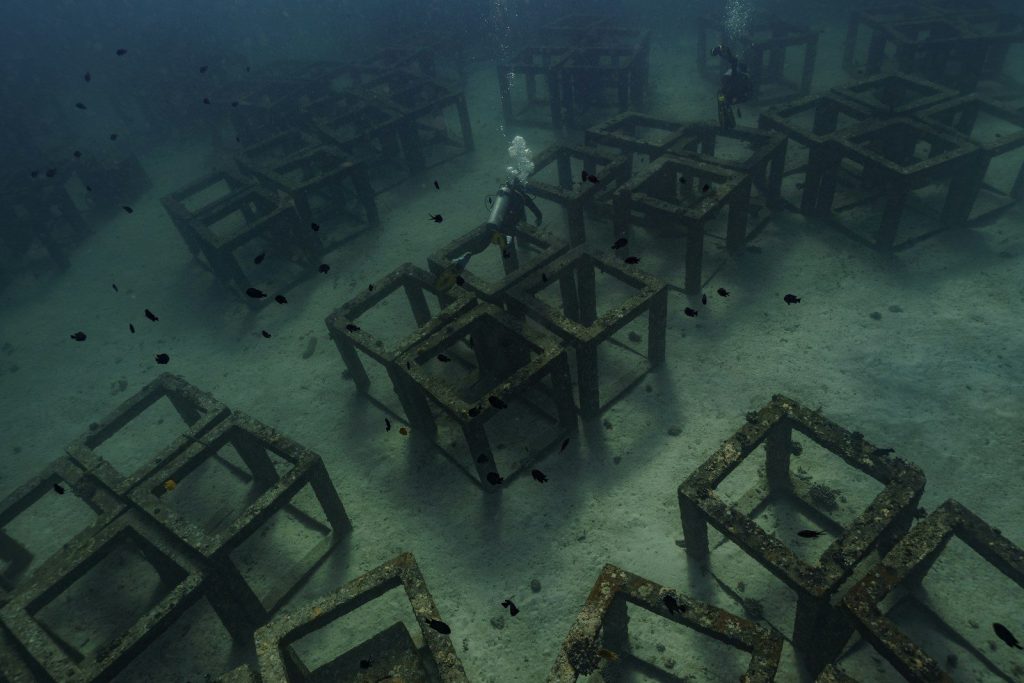
The layout of the ruins matches the design of a highly advanced maritime trading hub. According to coastal archaeology reports, the stone walls formed a secure harbor that could protect large wooden ships. The port was busy. This advanced maritime trade would explain how different ancient cultures shared similar architectural styles. But the source of this global technology remains completely unknown.
A Global Catastrophe
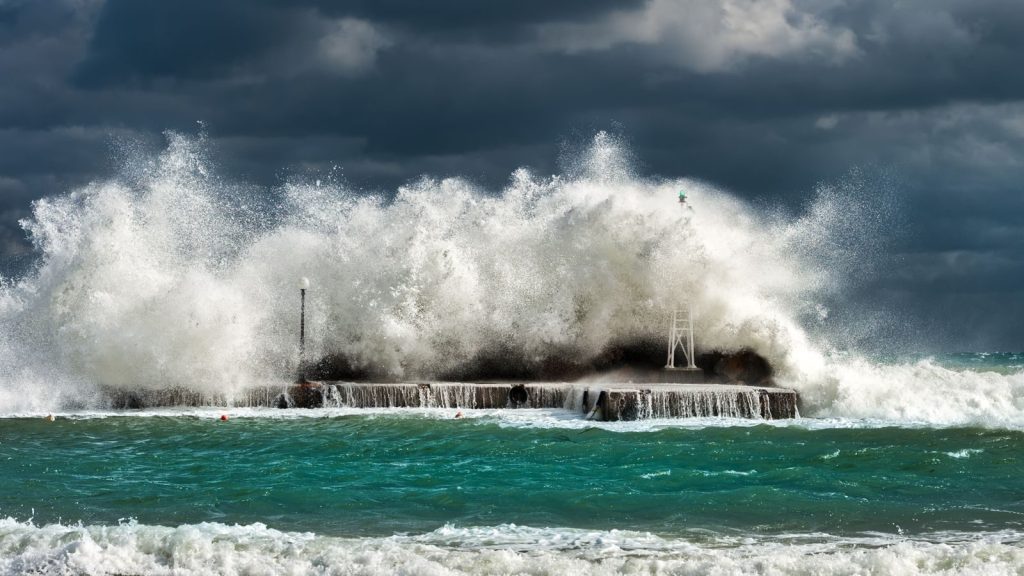
A sudden environmental disaster likely wiped this advanced civilization from the face of the Earth. According to climate historians, rapid melting at the end of the Ice Age triggered massive global tsunamis. The water rushed. These violent floods drowned the coastal cities and erased almost all traces of their existence. But modern technology is finally helping us map these lost coastal worlds.
Reclaiming Our History

These deep-sea ruins prove that advanced human societies existed far earlier than our textbooks state. According to marine geophysicists, mapping the continental shelves will eventually reveal the true origin story of human civilization. The oceans hold secrets. This article is for informational purposes only.
Featured Image: Photo by Alain Margreve on Pexels
Leave a Reply