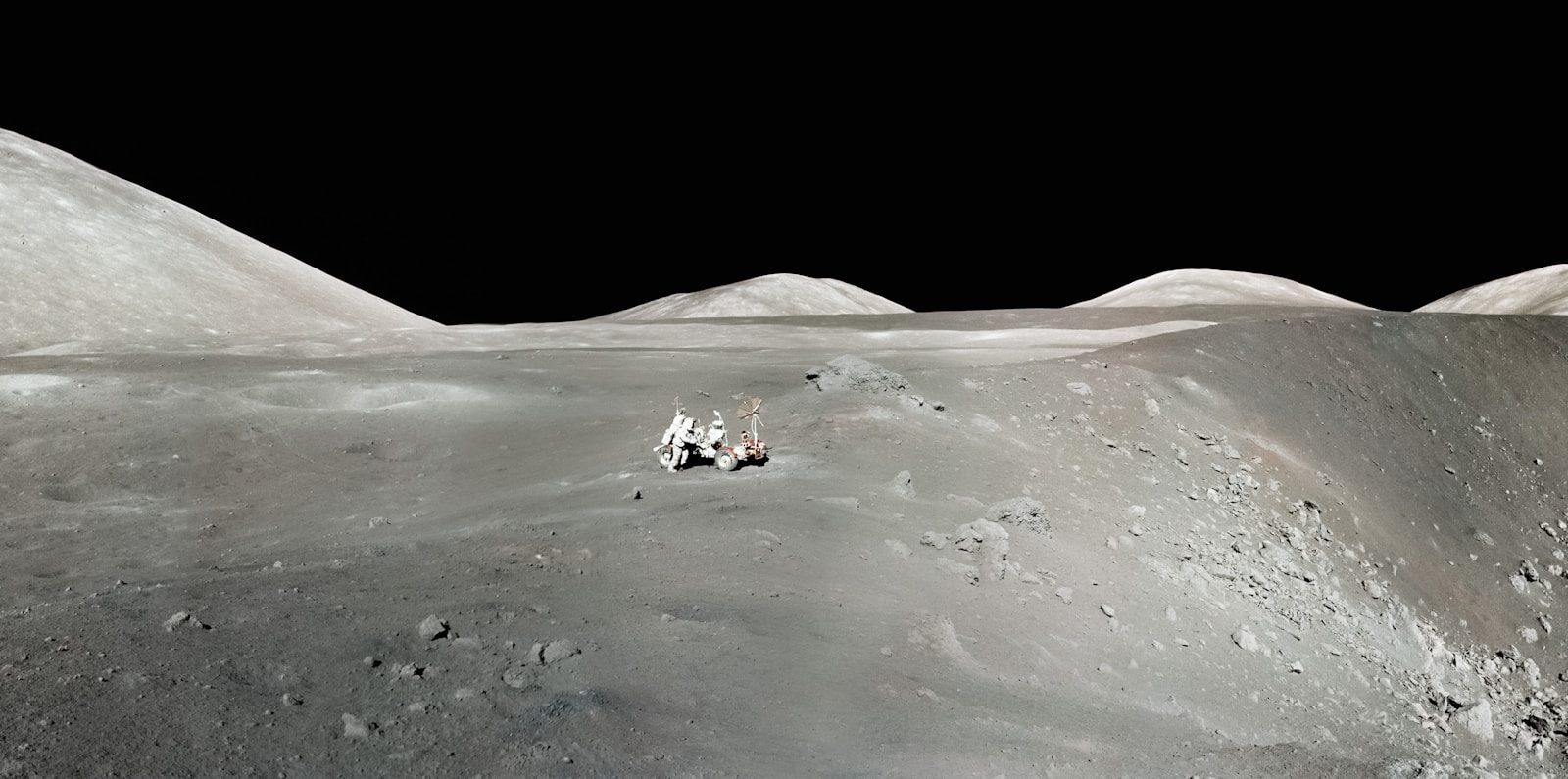
Most space lovers believe that the moon is a completely dry and thoroughly mapped desert. We assume that decades of satellite scans have revealed every secret on the lunar surface.
But a robotic lunar rover has discovered a highly unexpected substance. Its bizarre physical properties have triggered intense debates among global astronomy teams.
The Lunar Lander Mystery

A robotic explorer operating on the far side of the moon made the discovery during a routine soil survey. According to logs from the China National Space Administration, the rover detected an unusual substance inside a fresh impact crater. The team froze. The material looked highly reflective compared to the dry lunar dust. But identifying the composition of this mystery substance required closer analysis.
Analyzing The Strange Gel
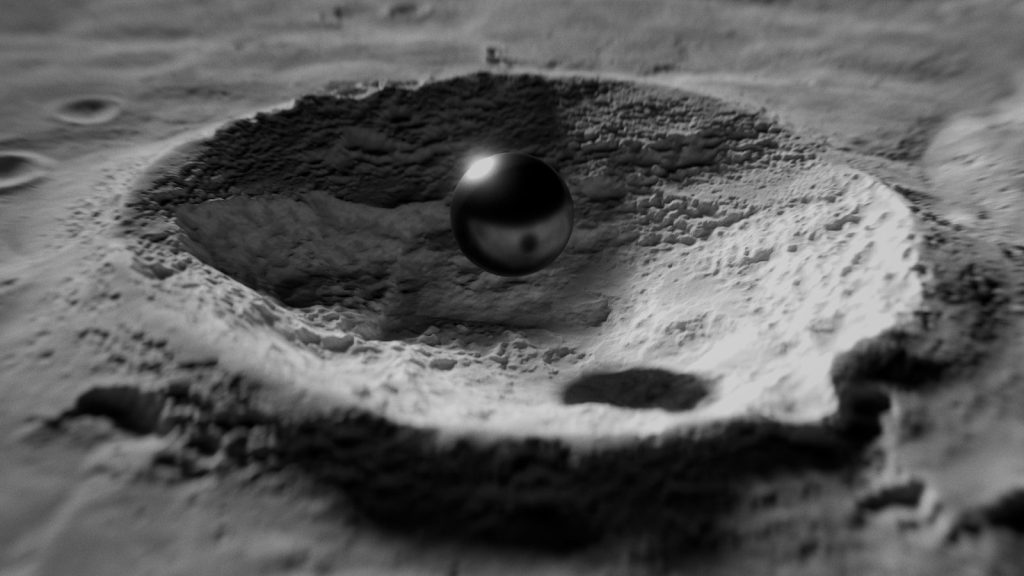
The lunar rover used specialized spectral sensors to analyze how light bounced off the mysterious substance. According to space agency researchers, the reading indicated a unique blend of silicate materials and rare compounds. It was glass. This glassy mixture did not match standard lunar rocks found in other regions. But scientists still needed to explain how this material formed in the absolute vacuum of space.
The Cosmic Impact Theory
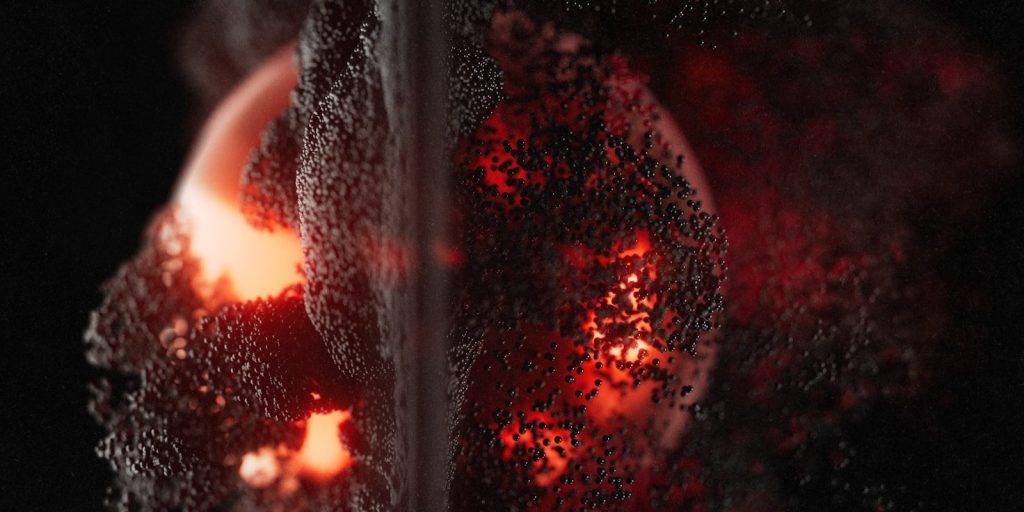
Astronomers believe the glassy gel was created during a violent asteroid strike millions of years ago. According to planetary geologists, the extreme heat of an impact can instantly melt the sandy lunar soil into dark glass. The ground melted. This sudden thermal burst creates unique volcanic compounds that are rarely seen on Earth. But some researchers suggest an alternative volcanic origin for the substance.
Trapped Volcanic Glass
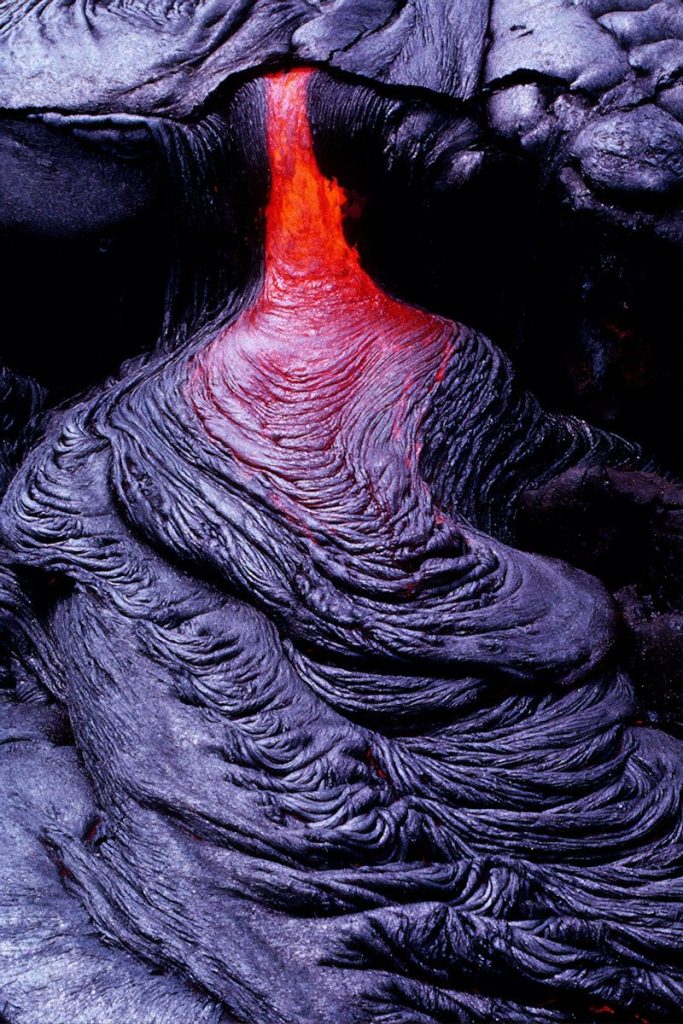
Some planetary scientists argue that the strange material could have erupted from deep within the moon. According to lunar research papers, ancient volcanic activity once shaped the early lunar landscape. The core burned. This geothermal energy could have pushed pockets of molten glass to the surface long ago. But proving this volcanic theory requires studying how the material is distributed.
Extreme Lunar Survival

The harsh environment of the moon can alter the chemical properties of surface materials over time. According to solar physicists, constant exposure to cosmic radiation and solar winds can darken the color of exposed glass. The soil shifts. This space weathering makes identifying the origin of lunar materials incredibly difficult for computer models. But another major space agency is preparing to investigate the anomaly.
Shifting Space Missions
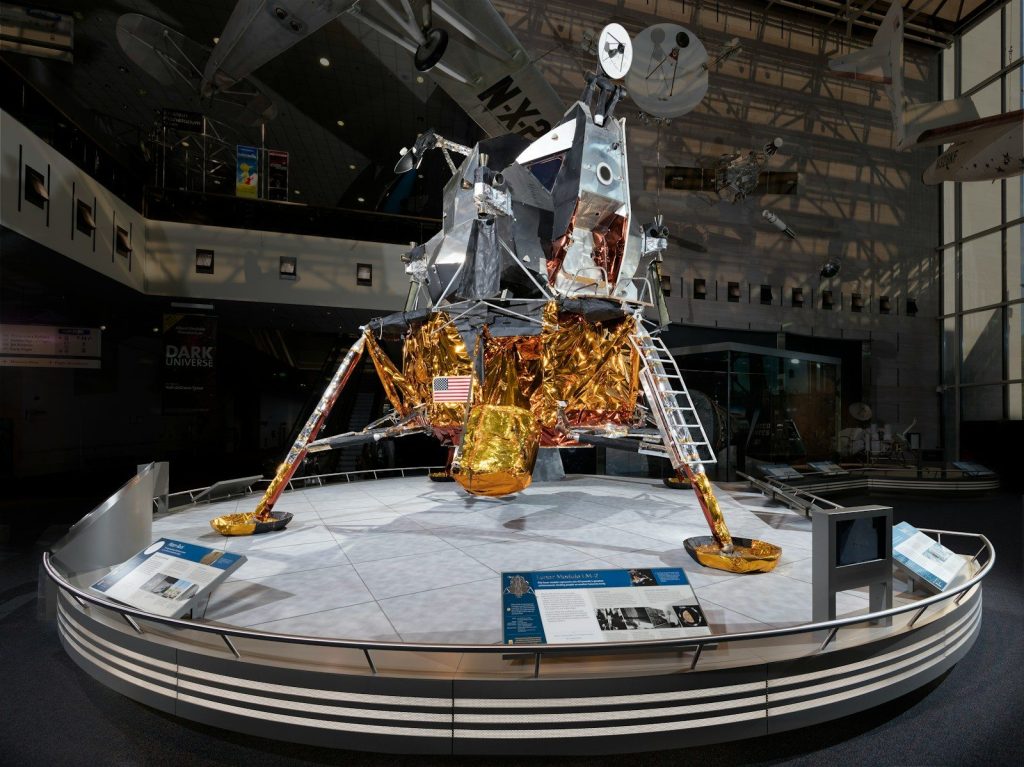
International space groups are now designing robotic probes specifically to collect samples of this glassy substance. According to NASA reports, future missions will attempt to bring lunar soil back to Earth for deep laboratory testing. The race is on. Studying these samples directly will reveal the history of cosmic impacts in our solar system. But the secrets of the moon remain highly guarded.
Unlocking Lunar Secrets
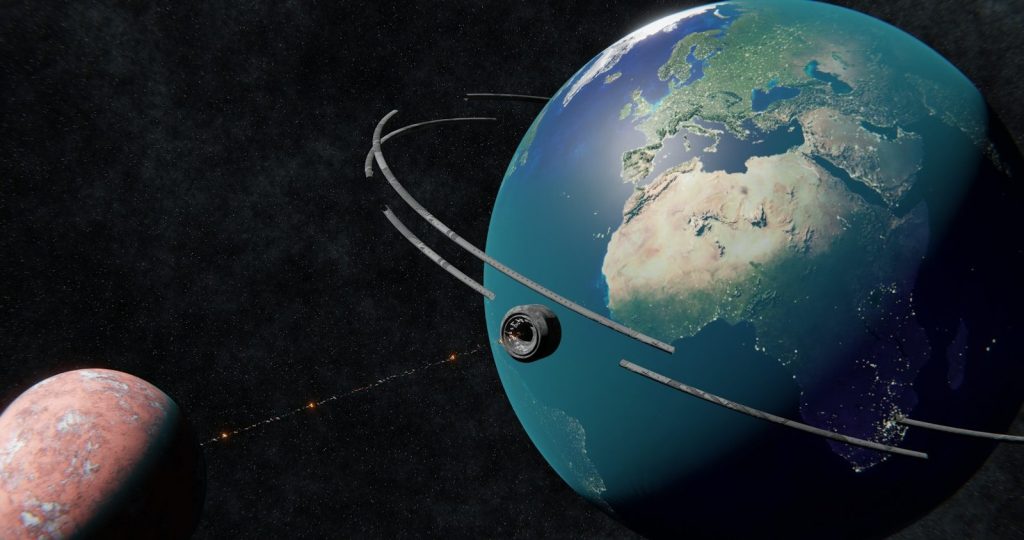
This unexpected discovery proves that our closest cosmic neighbor still holds profound scientific mysteries. According to astrophysicists, every moon mission reveals new details about how planets and satellites evolved. We are still learning. This article is for informational purposes only.
Featured Image: Photo by NASA Hubble Space Telescope on Unsplash
Leave a Reply