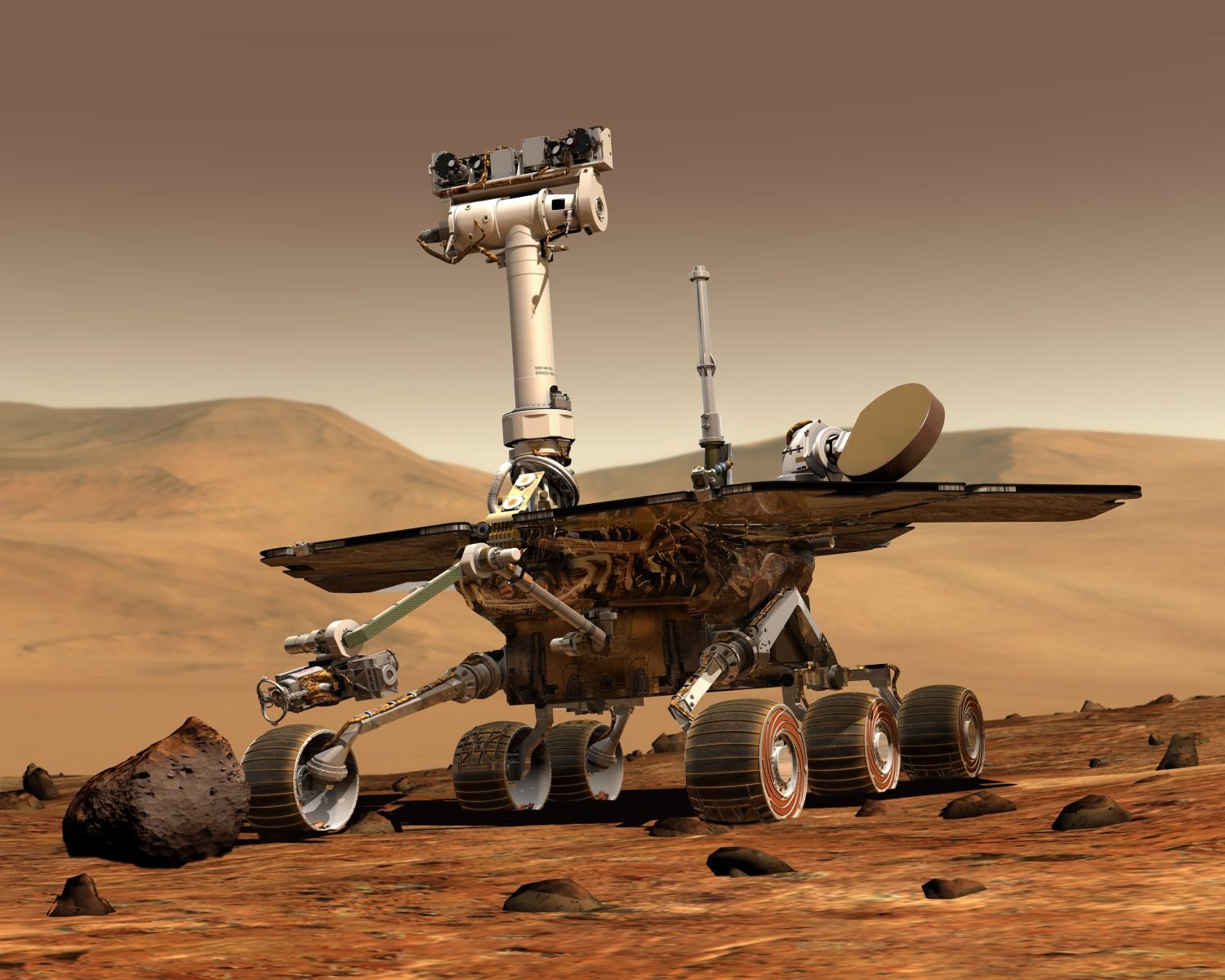
Most people assume that the search for alien life is an empty space fantasy. We believe that finding biological evidence on other planets will take centuries of high-tech exploration.
But a rugged NASA rover has just discovered organic molecules inside an ancient Martian lakebed. This incredible find is forcing biochemists to rewrite the history of our solar system.
Drilling In Gale Crater
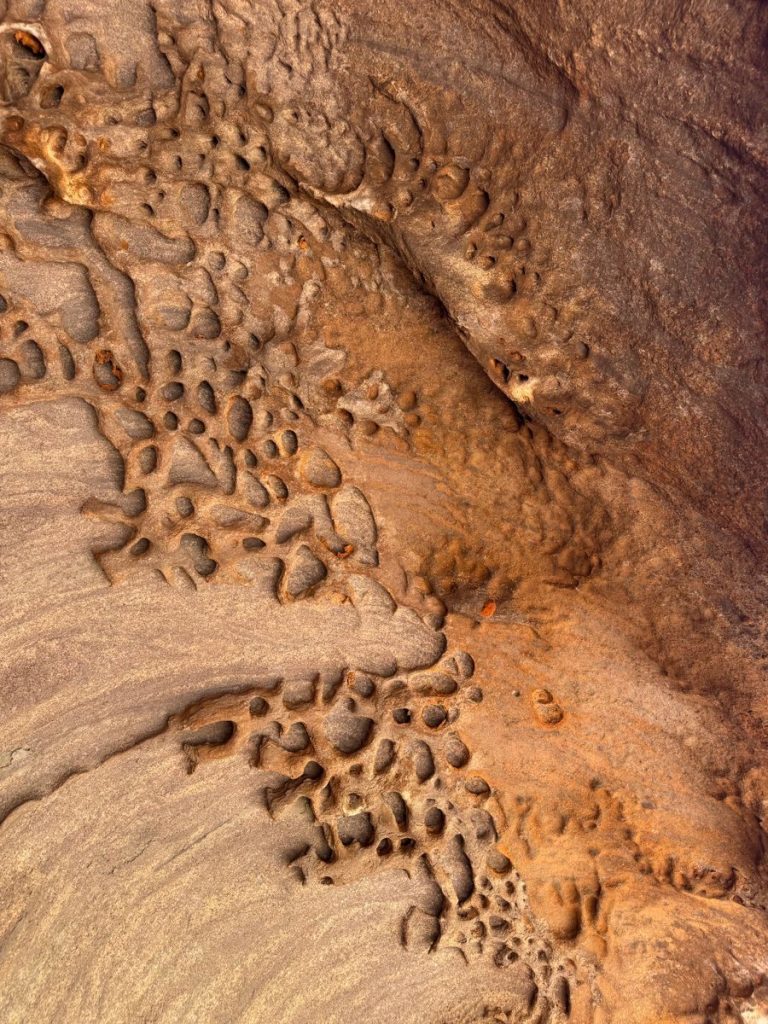
The Curiosity rover has been exploring a giant ancient impact zone for several years. It was not looking for aliens. But while drilling into a deep clay stone layer, its internal laboratory detected carbon-based molecules. This is critical. According to NASA scientists, these organic compounds are the essential building blocks of biological life. But this discovery is only the beginning of the puzzle.
The Clay Stone Protection
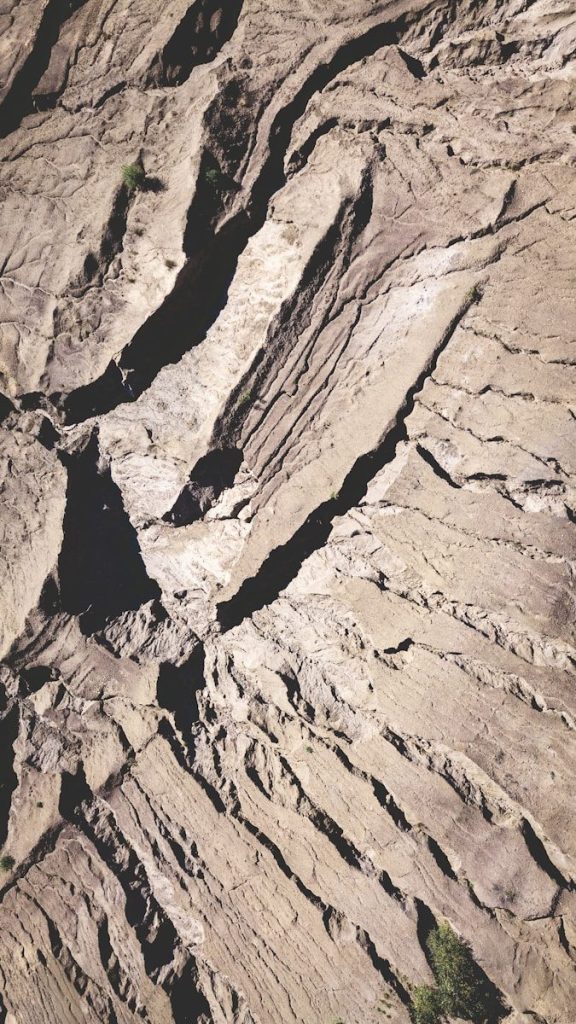
The organic molecules were found preserved deep inside three-billion-year-old mudstone layers. The mud was protective. According to reports from the Jet Propulsion Laboratory, this dense clay shielded the delicate chemical chains from harsh solar radiation. This means we are looking at perfectly preserved history. But scientists had to verify if these chemicals were actually biological.
Non-Biological Carbon Risks
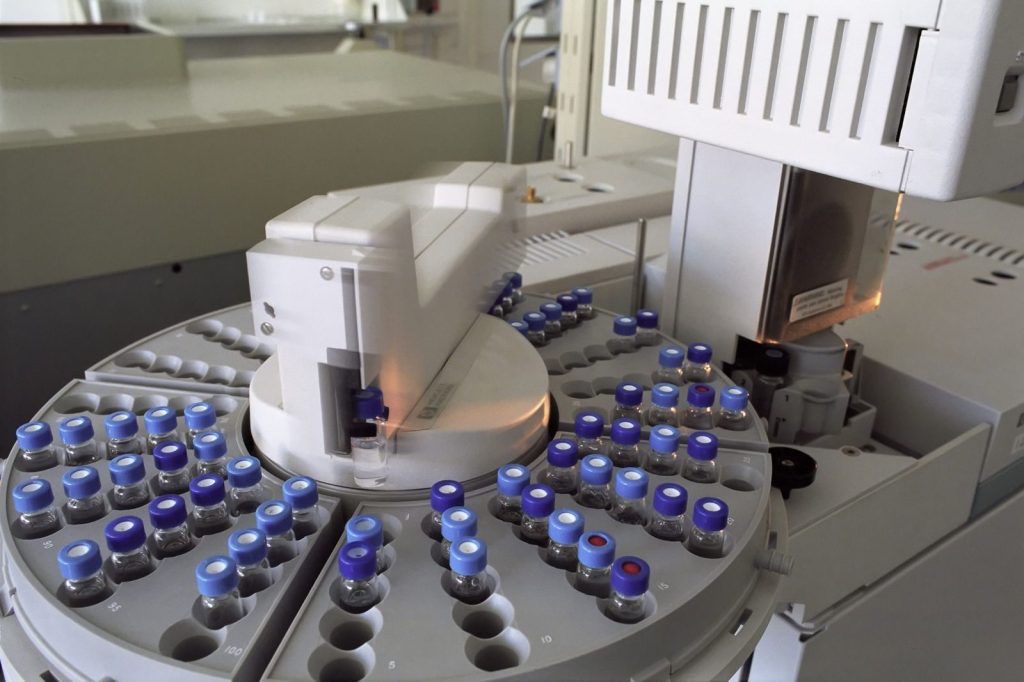
Organic molecules can sometimes form through simple chemical reactions that involve volcanic rock and water. No life is needed. According to a study in Science, researchers must carefully analyze the carbon isotopes to prove biological origin. The results of this analysis could change our science textbooks forever. But the rover soon detected another vital element nearby.
The Sulfur Chain Discovery
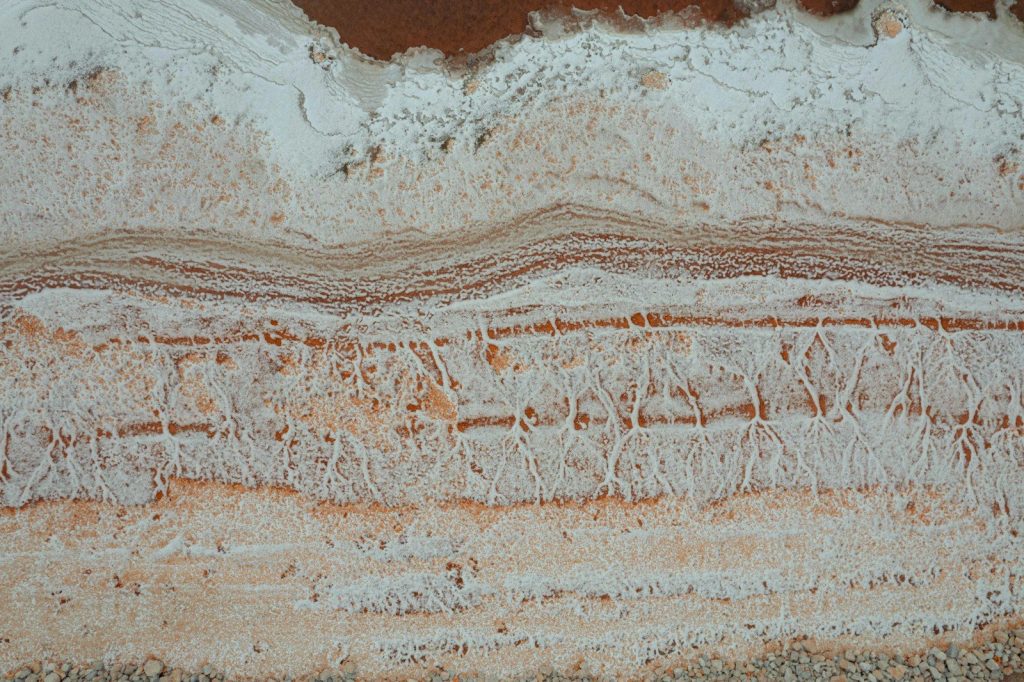
The rover’s drill also uncovered rich deposits of sulfur and oxygen compounds inside the clay. They were abundant. According to planetary biochemists, ancient microbes could have used these specific chemicals as a direct energy source. It suggests that Gale Crater once offered a highly habitable oasis. However, this ancient habitat faced a sudden and brutal transition.
How Mars Went Dry
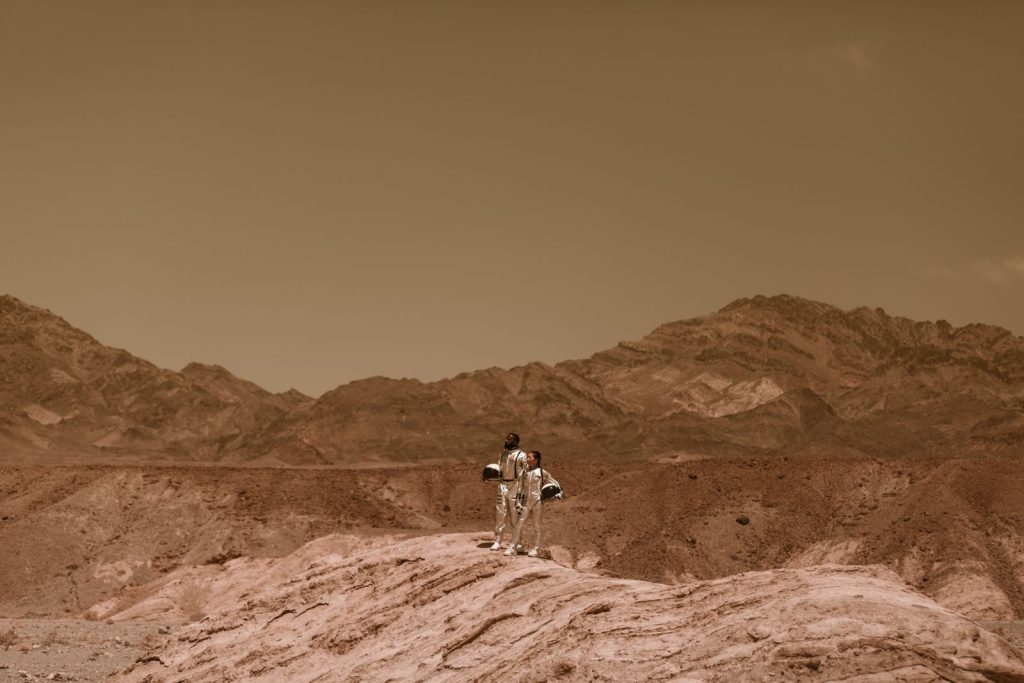
Millions of years ago, Mars lost its protective magnetic field, allowing solar winds to strip away its atmosphere. The water evaporated. According to reports from the Smithsonian Institution, this environmental shift slowly turned a blue world into a frozen desert. Any active surface life was forced to adapt or perish. But researchers believe some organisms may have escaped underground.
Searching Beneath the Dust
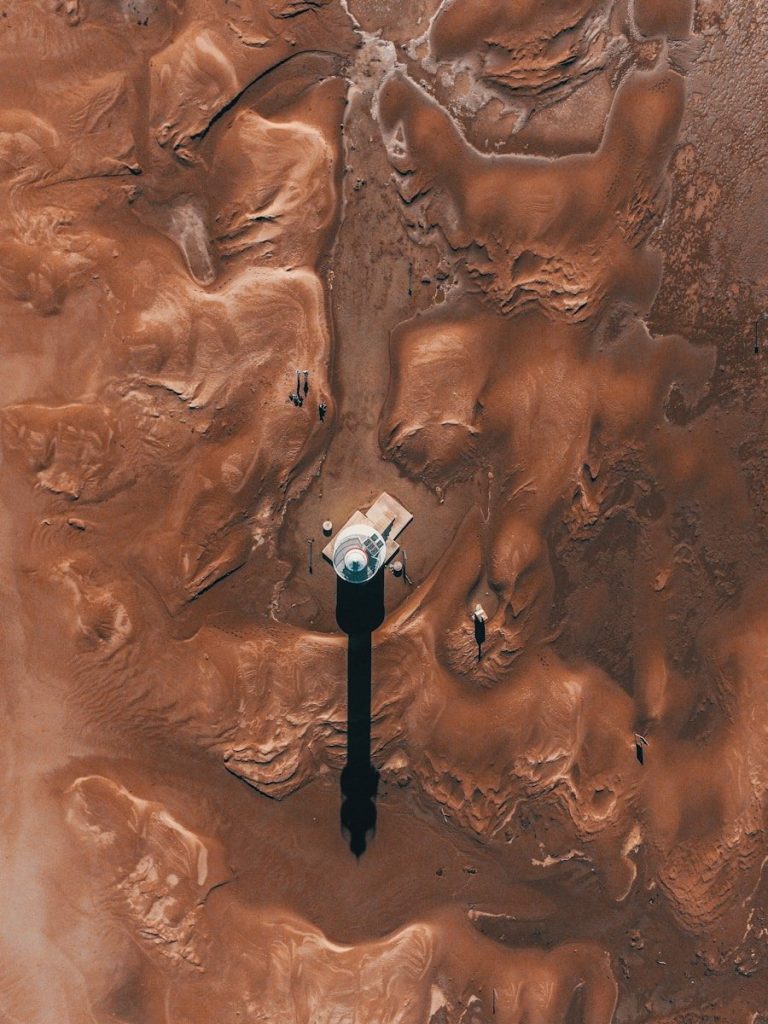
Future missions will carry specialized radar tools to search for liquid water deep below the red soil. The search is active. According to astrobiologists, subterranean aquifers offer the best chance of finding living alien microbes today. We might be closer to finding real extraterrestrial life than anyone ever imagined. But we must still protect these fragile worlds from Earth bacteria.
Protecting The Martian Wilderness
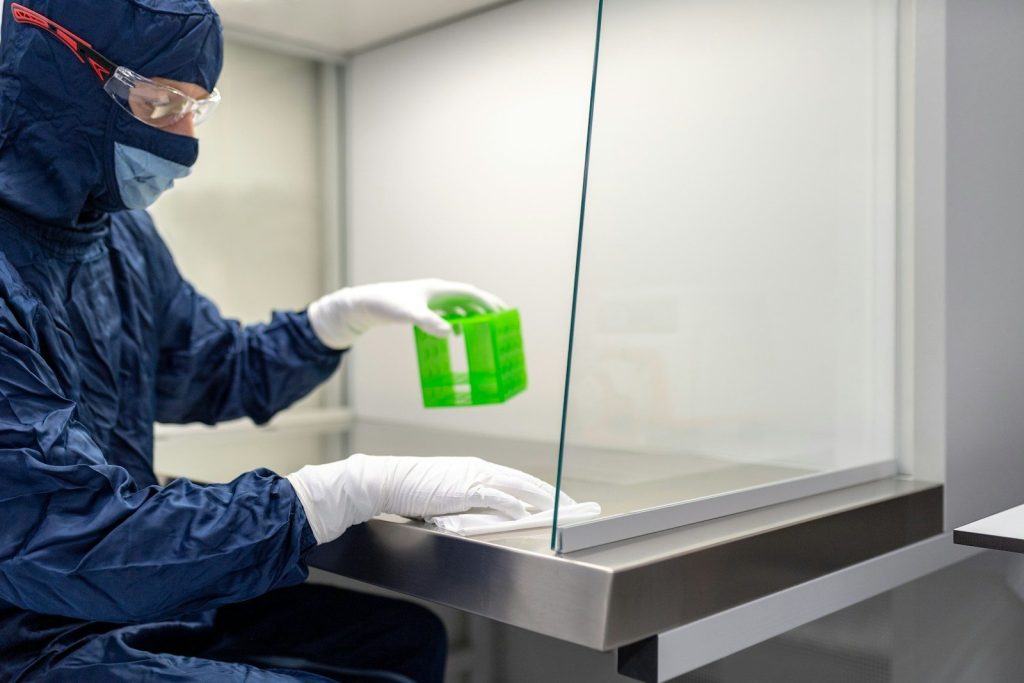
According to international space treaties, we must strictly sterilize our spacecraft to prevent contaminating other planets. We must protect alien life. This article is for informational purposes only and does not constitute scientific or professional advice. By respecting these distant environments, we can safely explore the wonders of our solar system without ruining them.
Leave a Reply