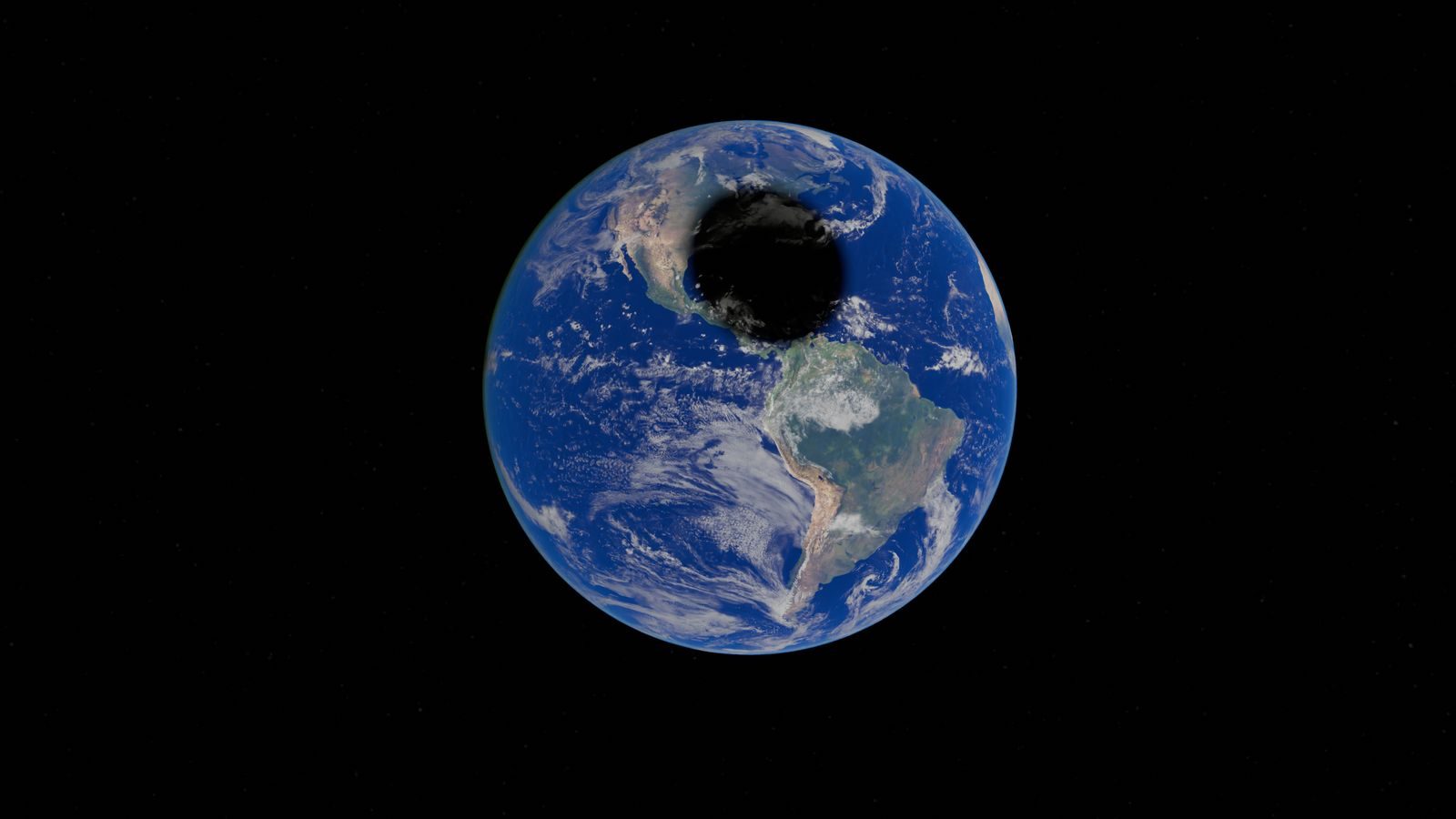
In April 2029, an asteroid named Apophis will pass closer to Earth than our own communication satellites.
This huge space rock, measuring over one thousand feet wide, was once feared to be on a collision course. While Earth is safe, the encounter will trigger a spectacular scientific event.
A rare cosmic close call
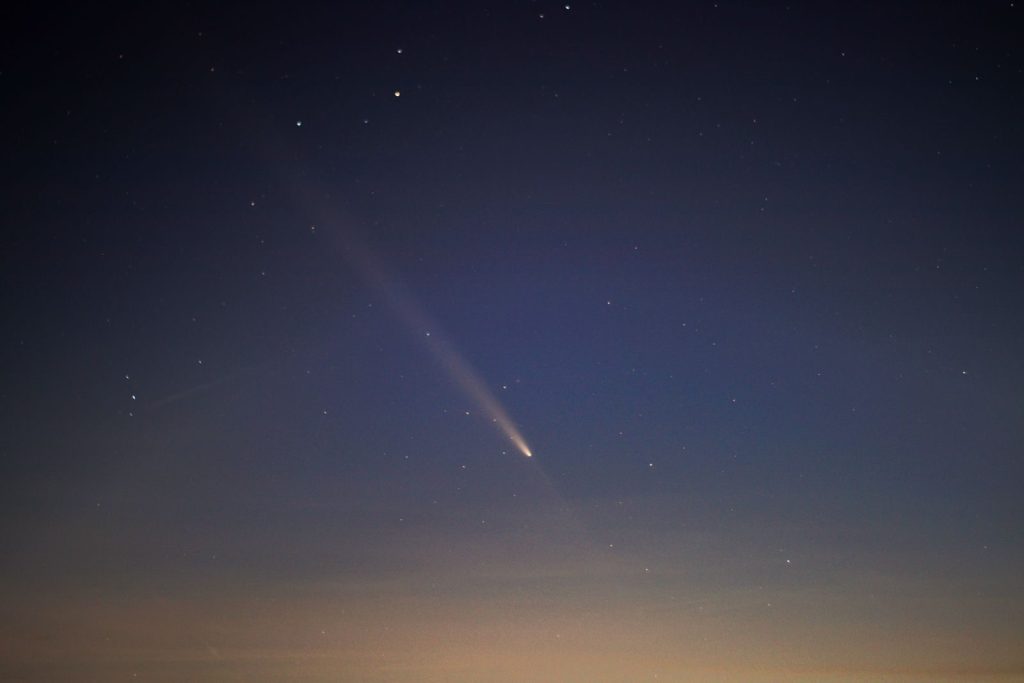
Asteroid Apophis will pass within twenty thousand miles of Earth. NASA states that an object this size comes this close once every few thousand years. It will be easily visible to the naked eye across Europe. Earth’s gravitational pull will warp the space rock forever.
Earth will shake the space rock
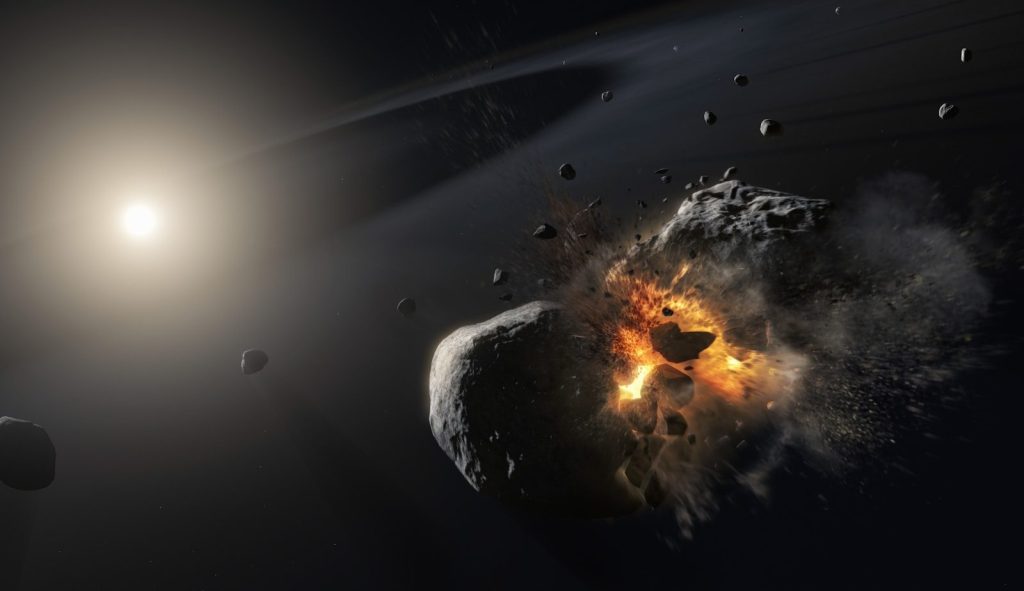
Apophis is a loose accumulation of rocks held together by gravity. As the object flies past, Earth’s intense gravitational pull will squeeze it. This force will likely trigger massive landslides on its surface. It will also alter the asteroid’s spin rate. Scientists are sending a spacecraft to watch this happen.
A recycled spacecraft on a new mission
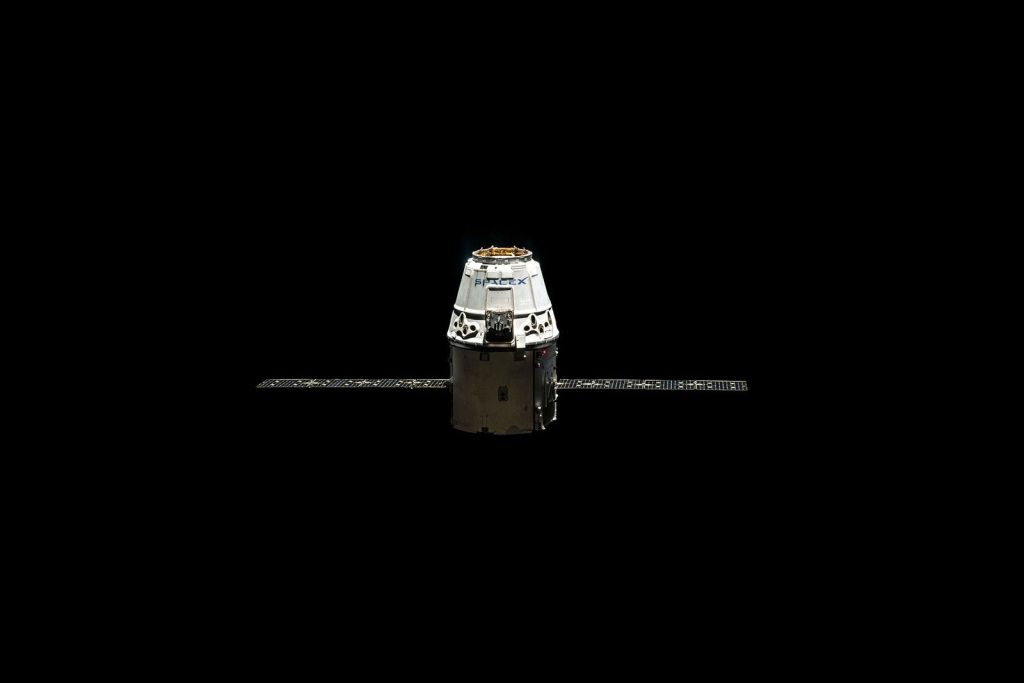
NASA is redirecting the OSIRIS-REx spacecraft to intercept Apophis. The probe previously collected samples from asteroid Bennu. It has been renamed OSIRIS-APEX for this new journey. It will arrive at Apophis just as the asteroid reaches its closest point. The spacecraft will perform a daring maneuver.
Blasting the asteroid with thrusters
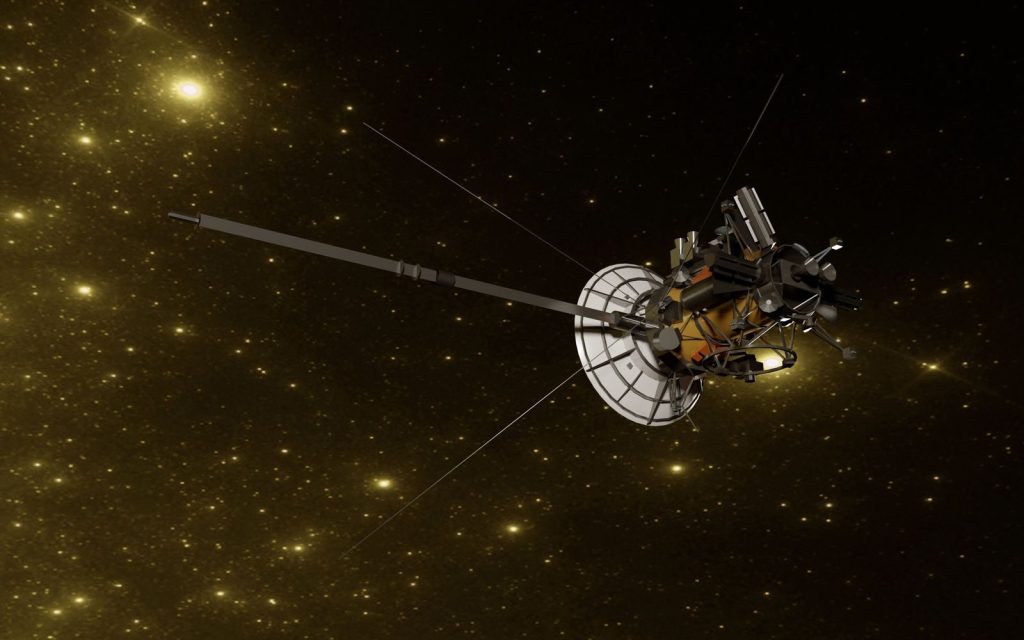
The spacecraft will orbit Apophis for eighteen months. It will map the surface and analyze its chemical composition. Near the end of the mission, the probe will fire its thrusters close to the surface. This will blow away loose dust to reveal what lies beneath. This data is critical for our planetary defense.
Preparing for future impact threats

Understanding the internal structure of asteroids helps us design deflection missions. If a dangerous rock ever threatens Earth, we need to know if it is solid or a loose rubble pile. A rubble pile requires a different deflection strategy. The upcoming 2029 flyby serves as a perfect dress rehearsal.
The threat is not entirely gone
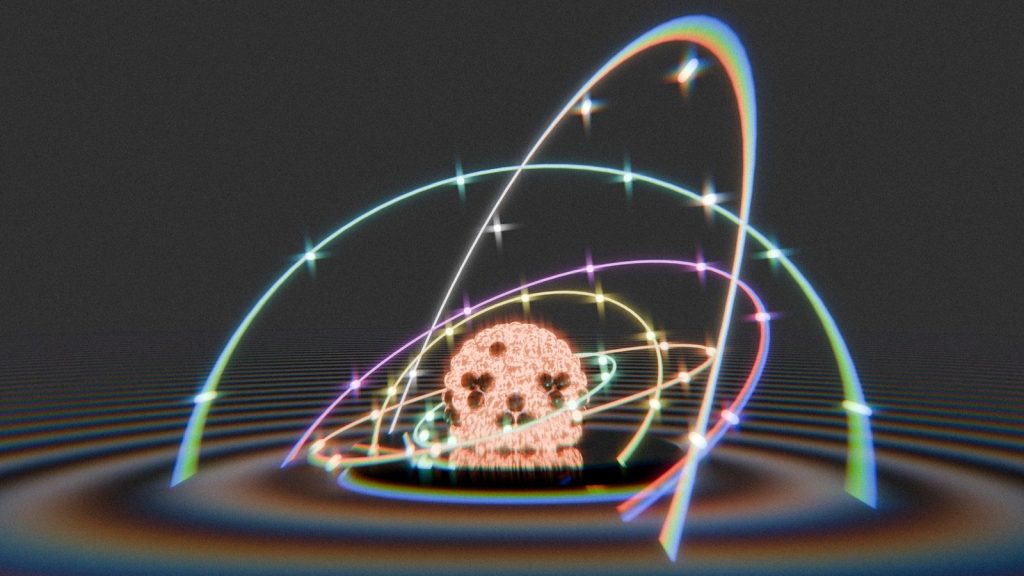
While NASA ruled out an impact in 2029, future encounters are still being analyzed. The gravitational tug of Earth will shift its orbit. Astronomers must recalculate its path for its next return in 2068. A tiny change could alter its future trajectory.
Watching from your backyard
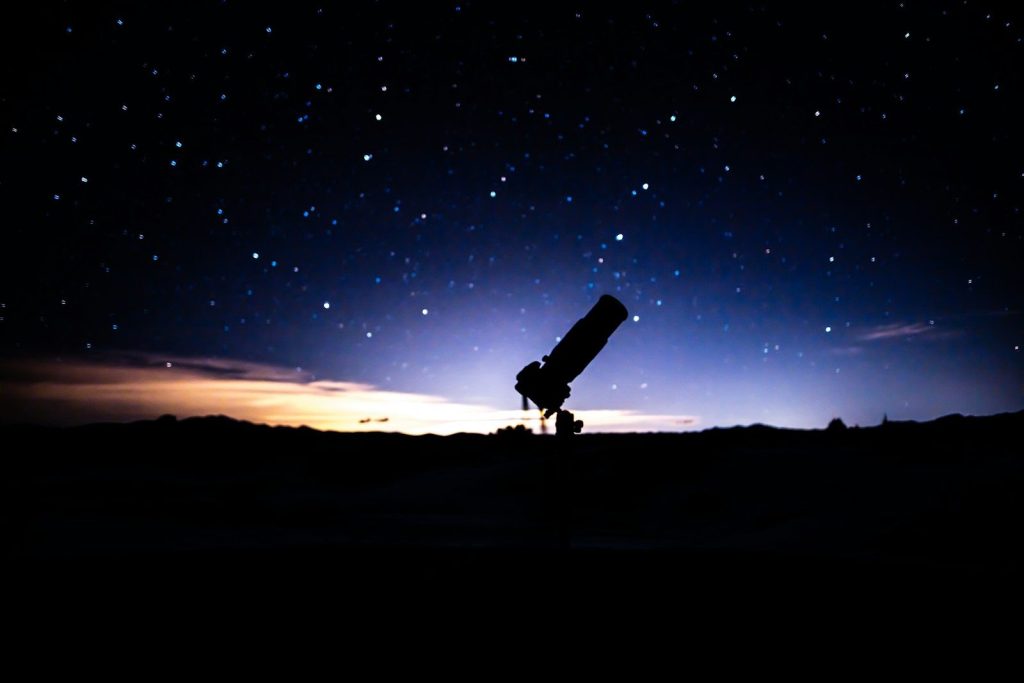
On April 13, 2029, millions of people will see Apophis. It will look like a bright star moving across the night sky. This is a rare moment when a space threat becomes a public spectacle. The event will inspire a new generation of scientists.
A milestone for space science

The encounter with Apophis will provide unprecedented data. We will watch a planetary body change in real-time under the influence of gravity. It is a reminder of our dynamic solar system and the technology we have built to understand it.
Featured Image: Photo by Zelch Csaba on Pexels
Leave a Reply