NASA just proved that humans can survive on Mars without bringing their own oxygen tanks. A small device tucked inside the Perseverance rover has been quietly making history. It is called MOXIE, and it does something that sounds like science fiction. This lunchbox-sized machine pulls in the thin, toxic carbon dioxide of the Martian atmosphere and turns it into pure, breathable oxygen. It works much like a mechanical tree, but in a world where nothing grows. This isn’t just a lab experiment anymore. It is a working technology that has been tested in different seasons and temperatures on the Red Planet.
The success of this mission means we are one step closer to building permanent bases on Mars. If we can make air there, we can also make rocket fuel for the trip back home. But the real surprise isn’t just that it works. It is how much oxygen this tiny machine can actually produce during a Martian storm. Wait until you see why the size of this device is about to change everything for future astronauts.
The Tiny Machine That Breathes Like a Tree
MOXIE is built to be tough. It uses a process called solid oxide electrolysis to heat the Martian air to 1,472 degrees Fahrenheit. This intense heat splits the carbon dioxide molecules apart. What stays behind is pure oxygen while the waste gases are puffed back out. It is a delicate dance of chemistry and engineering. NASA engineers were worried the dust might clog the system, but the results were better than expected. But how much air does one astronaut actually need to stay alive on a desert world?
Generating Oxygen for the First Human Colonies
In its latest tests, MOXIE produced enough oxygen to keep a small dog alive for several hours. This might not sound like much, but it is a massive breakthrough. For a full human crew, NASA plans to build a version of MOXIE that is 100 times larger. This “super-size” version would run continuously before humans even land. It would fill large tanks with liquid oxygen so the air is waiting when the first door opens. But there is a hidden danger in the Martian air that MOXIE still has to face.
Surviving the Toxic Dust of the Red Planet
Mars is famous for its global dust storms that can last for months. This fine powder is static-charged and sticks to everything. Scientists feared the dust would kill MOXIE’s ability to “inhale” the air. However, the machine’s filtering system proved to be a masterpiece of design. It managed to produce oxygen even when the sky turned dark with sand. This resilience proves that life is possible even in the harshest Martian weather. But wait, what if oxygen isn’t the only thing we can extract from the Martian soil?
Making Rocket Fuel from Thin Air
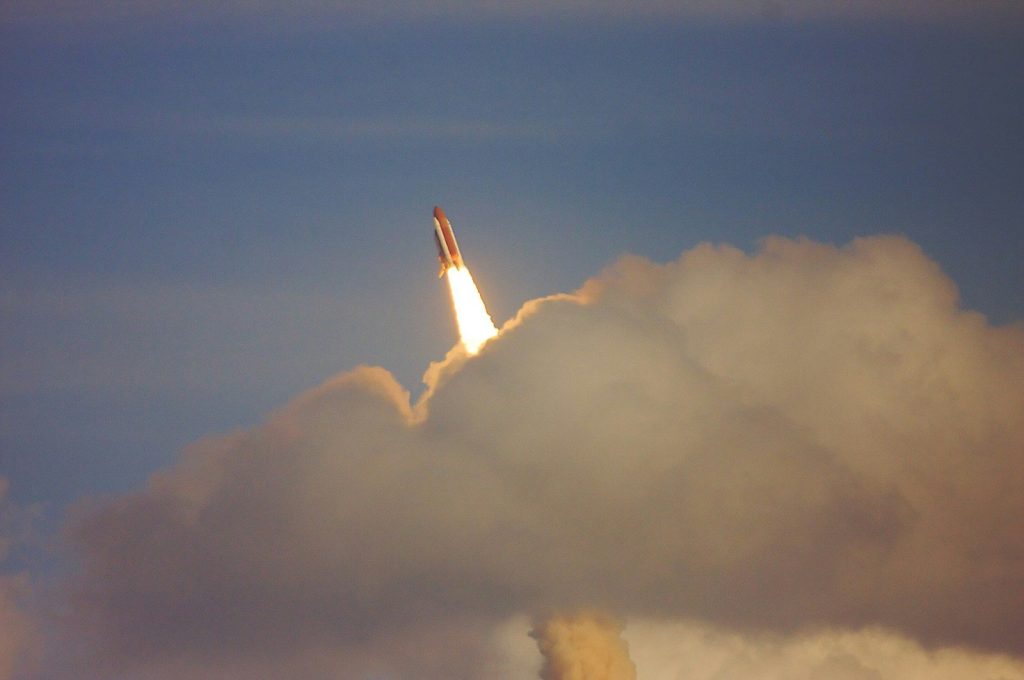
Oxygen is more than just air for breathing. It is also the main ingredient in rocket propellant. Currently, a return trip from Mars would require bringing tons of fuel from Earth, which is incredibly expensive. By using MOXIE’s technology, we can turn the Martian atmosphere into the very gas we need to fly back. This turns Mars into a literal gas station in space. It cuts the cost of a mission by billions of dollars. But humans need more than just fuel to survive; they need a place to hide from the radiation.
Natural Lava Tubes as Secret Martian Shelters

NASA is now looking at underground caves called lava tubes to house the MOXIE units and the crews. These tubes were formed by ancient volcanoes and offer perfect protection from solar radiation. By pumping oxygen directly into these natural bunkers, we could create massive living spaces without building a single wall. It is the ultimate “pre-built” home. However, keeping the air inside these caves is a whole different engineering nightmare. But wait until you see the new material that could seal these caves forever.
A Future Where We Don-t Need Spacesuits
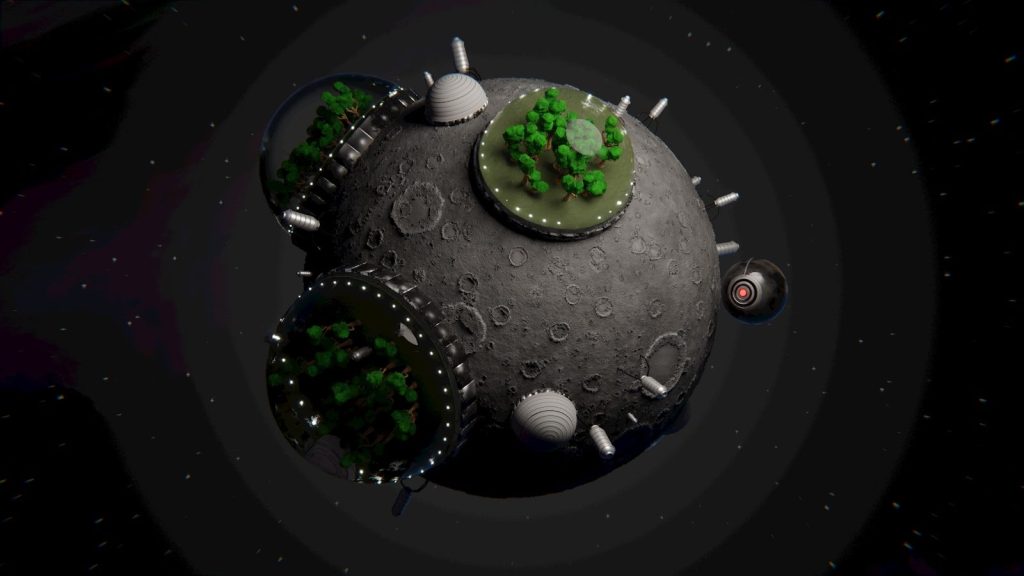
The dream of “terraforming” Mars starts with small steps. If we can scale up MOXIE technology, we could eventually fill large greenhouses with Martian-made air. Imagine walking through a forest on Mars without a heavy suit. Plants would take over the job of MOXIE, recycling the carbon dioxide and keeping the air fresh. We are transitioning from a mechanical solution to a biological one. But there is one more thing NASA hasn’t told the public about: the cost of these oxygen machines.
The Race to the First Martian Breath
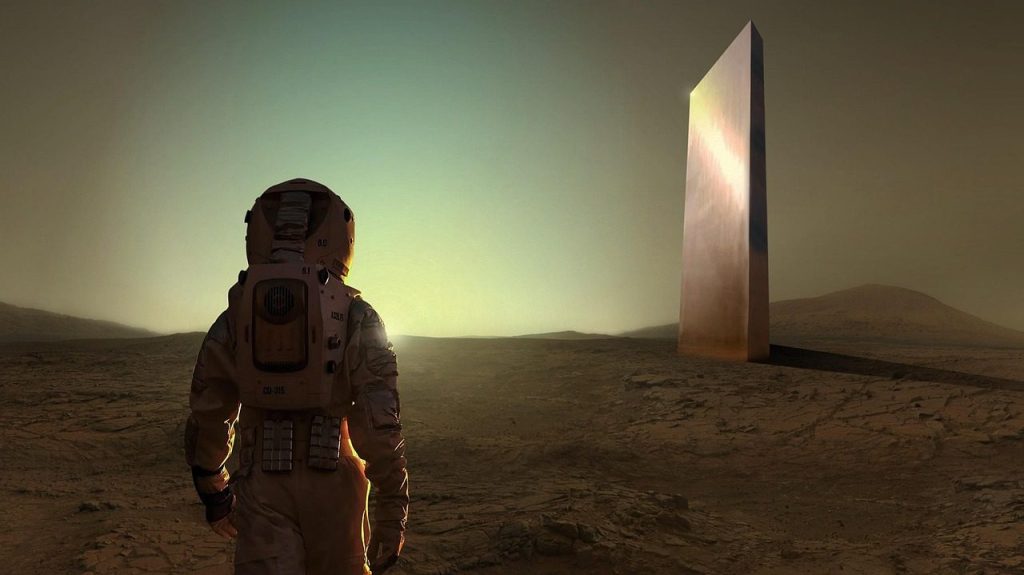
NASA isn’t the only one trying to master Martian air. Private companies like SpaceX are also developing their own oxygen-generation systems. This competition is speeding up the timeline for the first human landing. We could be breathing Martian air as early as the 2030s. The technology is ready, and the plan is in motion. It is no longer a question of “if” but “when” the first human takes a breath on another world. While NASA looks at the stars, another group of scientists is looking back at Earth to find thousands of hidden ancient secrets.
Leave a Reply