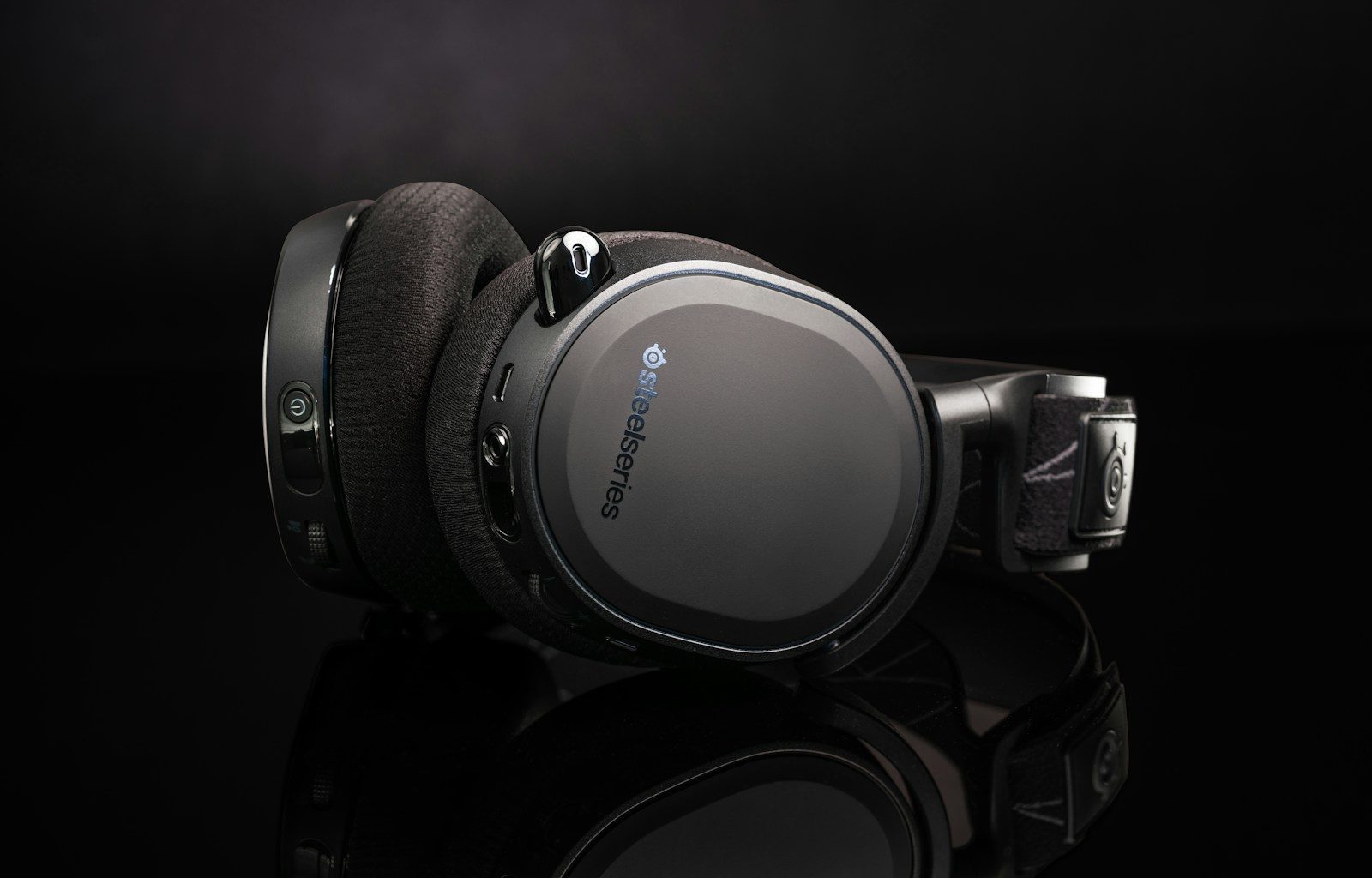
A gaming headset can look cool on a desk, but the real test starts after an hour of playing. Clear sound, a steady mic, a comfortable fit, and low delay matter more than flashy lights or a giant spec sheet. Recent headset guides from RTINGS, Tom’s Guide, GamesRadar, and Tom’s Hardware all point to the same idea: the best gaming headsets balance sound, comfort, microphone quality, platform support, battery life, and connection type instead of leaning on one big feature.
That is good news for buyers. You do not always need the most expensive model to have a better gaming setup. You just need to know which features affect daily play and which ones are mostly there for marketing.
Comfort for long sessions

Comfort should be near the top of the list. A headset can sound great, but if it squeezes your head or heats up your ears, you may stop using it fast.
Look at weight, ear cushion material, headband padding, and clamping force. Tom’s Guide also notes that comfort can matter even more than sound for many players, because gaming sessions often last a long time.
Clear sound beats loud sound
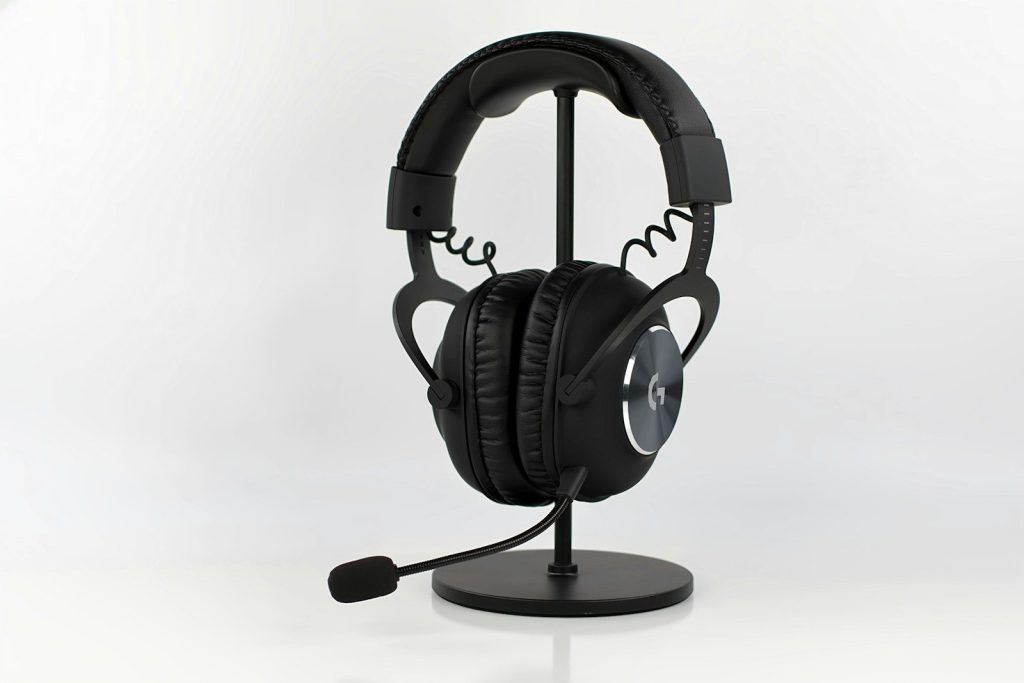
A good headset should make game audio easy to understand, not just loud. Footsteps, dialogue, music, and effects should feel balanced instead of muddy or harsh.
RTINGS notes that strong gaming headsets can reproduce voices and game effects clearly, which helps during busy scenes. That matters more than oversized drivers or big claims printed on the box.
Mic quality helps teamwork
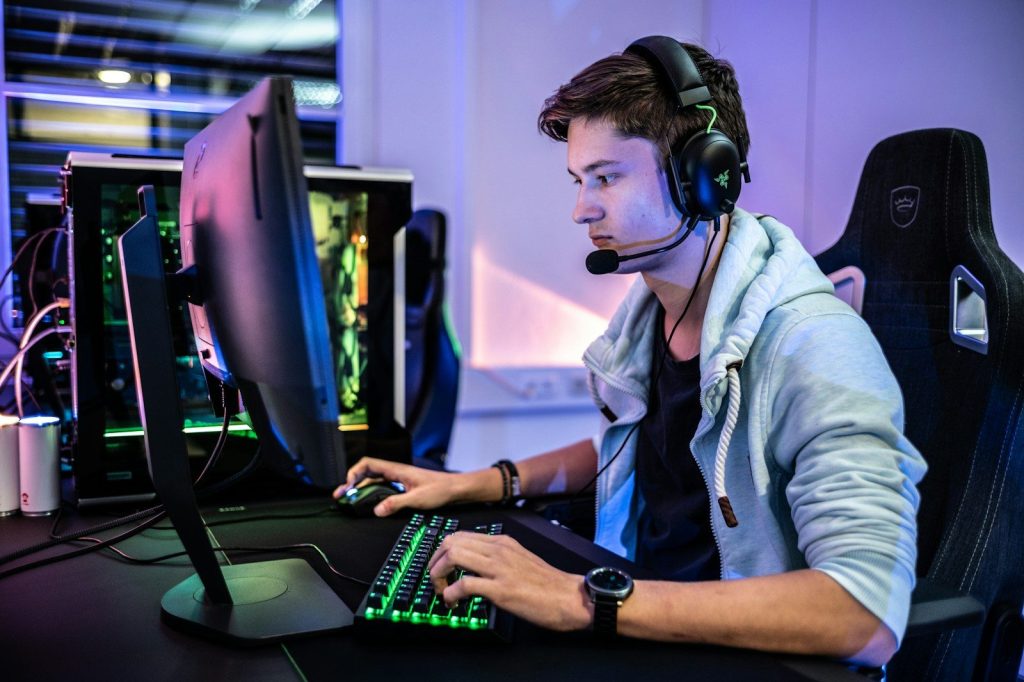
A clear microphone matters if you play online with friends or teammates. Your voice should sound easy to understand without picking up too much keyboard tapping or room sound.
A weak mic can make teamwork harder, even if the headset sounds good to you. Tom’s Hardware highlights mic quality as a key part of headset testing, especially for multiplayer use.
Low latency keeps sync
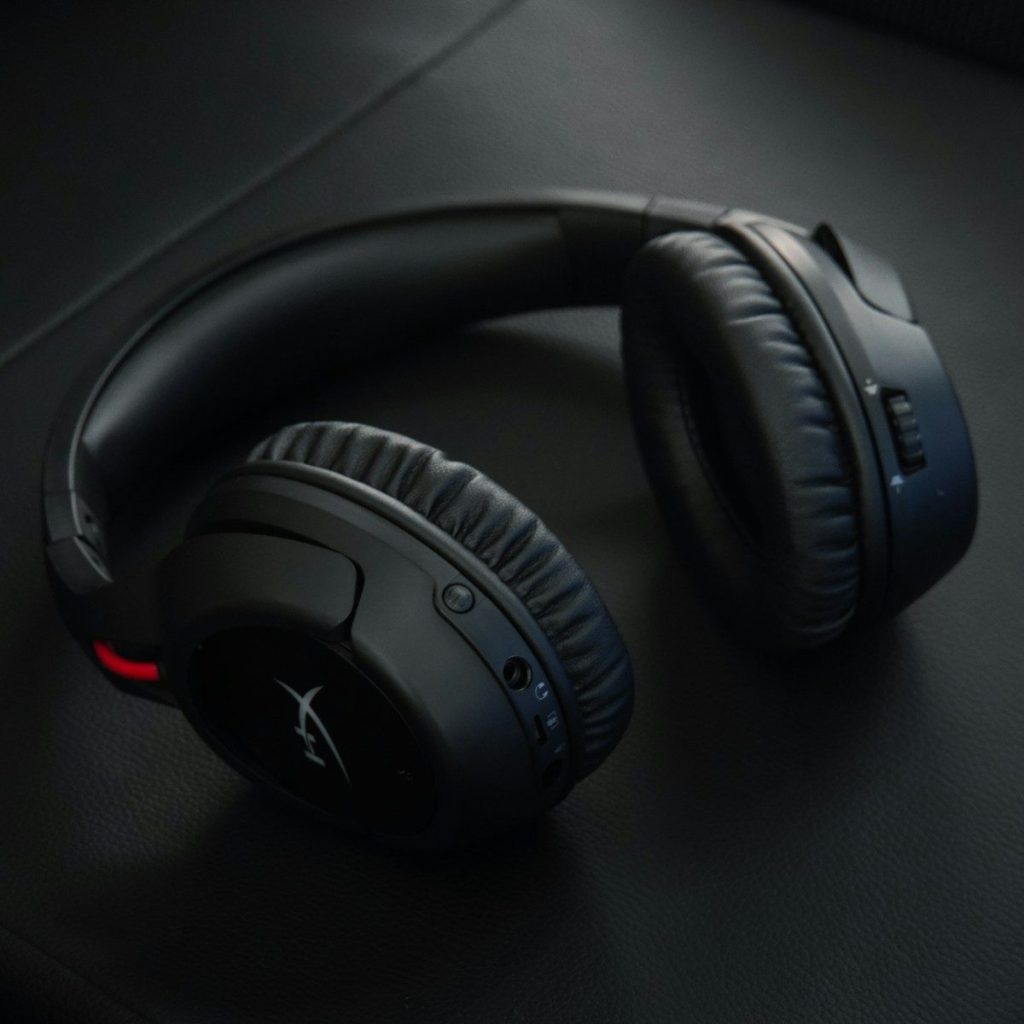
Wireless headsets are convenient, but delay can be a problem if the audio arrives late. In fast games, even a small lag between the screen and sound can feel distracting.
That is why many gaming headsets use a USB wireless dongle instead of only Bluetooth. RTINGS notes that dongle-based wireless can help keep audio and visuals in sync during gameplay.
Battery life changes habits
Battery life matters more for wireless headsets than many buyers expect. A headset that dies often can turn into one more device you have to manage.
Some newer models offer long battery ratings, but real use depends on volume, wireless mode, lights, and extra features. A longer battery gives more freedom, especially for players who forget to charge between sessions.
Platform support matters
Not every headset works the same way with every system. A model may work well on PC but lose features on Xbox, PlayStation, Switch, or mobile.
Before buying, check the connection type and supported platforms. GamesRadar’s headset guides often separate picks by platform because compatibility can affect sound controls, chat features, and wireless support.
Controls should be simple
Easy controls can make a headset feel much better every day. Volume wheels, mic mute buttons, app settings, and quick presets should be simple to reach and understand.
This matters during live play, when you do not want to pause and dig through menus. A good headset lets you adjust sound or mute your mic quickly without breaking focus.
Leave a Reply